Introduction
Picture this. Your daughter walks into the kitchen on a school morning, holding a hair waver, looking at you with those hopeful eyes. You want to say yes. But a little voice in your head is asking whether this is actually safe, what temperature you should use, and whether her hair can even handle it at her age. If that sounds familiar, you are in exactly the right place.
Understanding hair waver basics for kids is something every parent should feel confident about before plugging anything in. Children’s hair is thinner, more delicate, and more vulnerable to heat damage than adult hair. That does not mean heat styling is off the table. It simply means you need the right information before you start. In this article, you will learn what a hair waver is, whether it is safe for children, what age is appropriate, how to choose the right temperature, and how to style your child’s hair with care and confidence.
What Is a Hair Waver for Kids?
A hair waver is a heat styling tool that creates soft, flowing waves in the hair. Unlike a curling iron, which wraps hair around a barrel to create tight curls, a hair waver typically uses a crimped or multi-barrel design that shapes hair into a gentle S-wave pattern.
For kids’ hair styling specifically, child-friendly versions of these tools are designed with lower maximum temperatures, rounded edges, and safety features like auto shut-off. Standard adult hair wavers can reach temperatures above 400 degrees Fahrenheit. That level of heat is far too intense for a child’s finer, more fragile strands.
Children’s hair care tools marketed for younger users usually cap out around 250 to 300 degrees. This makes a meaningful difference in protecting hair health while still creating the fun, wavy look your child is after.
Are Hair Wavers Safe for Children?
The honest answer is that they can be safe when used correctly. The key phrase there is “used correctly.” Heat tools of any kind carry real risks when placed in the wrong hands or used at the wrong settings.
Here is what the research and professional stylists consistently say about safe hair tools for kids:
- Children’s hair has a thinner cuticle layer, making it more prone to dryness and breakage from heat
- Repeated heat exposure without protection can lead to long-term damage, split ends, and hair thinning
- Burns are a genuine risk when young children handle heat tools themselves without adult supervision
- A good heat protectant spray reduces damage significantly, even at lower temperatures
The bottom line for hair waver safety for parents is this. You can use a hair waver on your child’s hair safely as long as you keep the temperature low, use a heat protectant, limit how often you style, and always supervise or do the styling yourself.
What Age Can a Child Use a Hair Waver?
This is one of the most common questions in children’s hair care, and the answer depends on two things: the age of the child and who is holding the tool.
Supervised Use by a Parent
Most professional stylists and pediatric dermatologists suggest that occasional, supervised heat styling can begin around age 10 or 11 for children with healthy hair. At this age, children sit still better, understand instructions, and are less likely to grab a hot tool unexpectedly. source: Al-Fatah
For younger children, between ages 6 and 9, parents should do all the styling themselves. The child should not hold the waver at any point during this age range.
Independent Use by a Child
Children should generally not use a hair waver independently until at least age 13 or 14. By this time, most children understand heat safety, can follow instructions consistently, and have developed the coordination needed to handle a styling tool safely.
Even then, I always recommend a parent be nearby for the first several uses, just to make sure good habits are in place from the start.
What Temperature Should I Use on a Child’s Hair?
Temperature is one of the most important factors in hair waver safety for parents to understand. Using too much heat is the number one mistake adults make when styling children’s hair.
Here are the general temperature guidelines broken down by hair type:
- Fine or thin hair: Stay between 250 and 300 degrees Fahrenheit. Fine hair is the most vulnerable and needs the lowest heat settings.
- Medium or normal hair: 300 to 330 degrees Fahrenheit is typically safe with a heat protectant applied beforehand.
- Thick or coarse hair: You may go up to 350 degrees, but avoid going higher than that on a child.
Never use a tool above 375 degrees on any child’s hair. Many adult-grade hair wavers start at temperatures far above that, which is why using a tool specifically designed for children or one with precise low-temperature controls is so important. source: Never use a tool above 375 degrees on any child’s hair. Many adult-grade hair wavers start at temperatures far above that, which is why using a tool specifically designed for children or one with precise low-temperature controls is so important. source: Instagram · natgeebeauty
Apply a good heat protectant spray to dry hair before you begin. Let it absorb for about 30 seconds before touching the waver to any section. This single step makes a significant difference in protecting your child’s hair from unnecessary damage.
How Do You Use a Hair Waver on Kids’ Hair?
Once you have the right tool and the right temperature, the actual technique is simple. Here is a step-by-step guide for kids’ hair styling with a waver.
Preparation
- Start with completely dry hair. Never use a heat tool on wet or damp hair.
- Brush through all tangles gently using a wide-tooth comb or detangling brush.
- Apply a child-safe heat protectant spray evenly throughout the hair.
- Divide the hair into two or three sections using clips to make styling easier.
Styling Steps
- Take a small section of hair, about one to two inches wide. Smaller sections create more defined waves.
- Clamp the waver at the root end of the section. Hold it for five to eight seconds only.
- Move the waver down the hair section, clamping and releasing every few inches.
- Release gently and avoid pulling the hair as you move the tool.
- Repeat across all sections, working from the bottom layers upward.
- Once all sections are done, allow the hair to cool completely before running fingers through it or applying any product. hairwaver
Finishing
Once the waves have set and cooled, you can gently scrunch the hair with your fingers or apply a small amount of light-hold mousse for definition. Avoid heavy oils or products that can weigh the waves down. A quick tousle with your fingers gives a natural, effortless finish that looks great on kids.
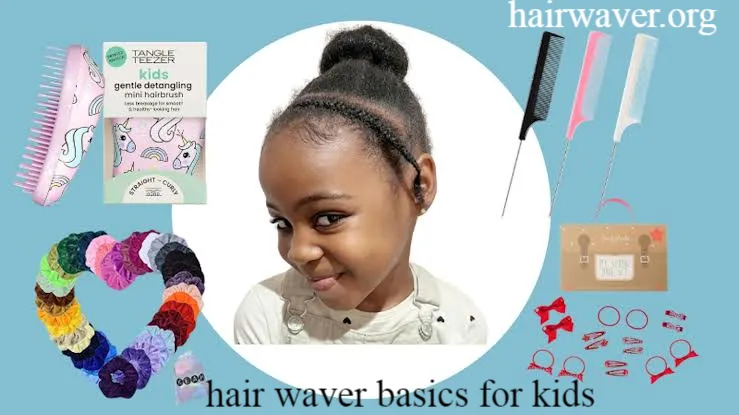
Hair Waving Safety Guidelines for Parents in the USA
Parents across the United States use heat styling tools regularly on their children’s hair, especially for school events, family photos, and special occasions. Here are safety guidelines every American parent should keep posted somewhere visible.
- Always unplug the tool immediately after use and store it out of reach
- Never leave a plugged-in waver unattended, even for a moment
- Use a heat-resistant mat under the tool while it heats up and cools down
- Check that your tool has an automatic shut-off feature before purchasing
- Limit heat styling to once or twice per week at most for children’s hair
- Keep a burn treatment kit in your bathroom as a precaution
The Consumer Product Safety Commission advises that all electrical styling tools should be kept away from water and stored safely away from children when not in use.
Heat Styling Considerations for Children in Different Climates
Where you live in the United States actually matters when it comes to children’s hair care and heat styling.
In humid climates like Florida, the Gulf Coast, or the Pacific Northwest, waves created with a hair waver may not hold as long without additional product. A light-hold hairspray designed for children can help the style last through the day. In very humid conditions, the hair can also be more puffed and prone to frizz after styling.
In dry climates like Arizona, Nevada, or the Rocky Mountain states, children’s hair is often more prone to static and dryness. Heat styling in dry conditions requires even more attention to moisture and heat protection. Use a hydrating heat protectant and consider finishing the style with a tiny amount of child-safe hair oil to seal in moisture.
In colder northern states like Minnesota, Wisconsin, or New York, children often wear hats that can flatten waves quickly. Styling right before leaving the house and using a light-hold product helps the style survive both the cold and the hat. hairwaver
Where Parents Can Find Child-Friendly Hair Styling Tools
Finding safe hair tools for kids has become much easier in recent years. Here are the best places to look:
- Large retail stores like Target and Walmart carry children’s hair styling sections with tools designed for lower heat use
- Beauty supply stores like Sally Beauty often carry professional options with precise temperature control
- Online marketplaces offer a wide range of children’s styling tools with parent reviews that help you find trusted products hairwaver
- Specialty kids’ boutiques sometimes carry branded children’s beauty tools that are both safe and stylish
When shopping, look for tools that clearly state a maximum temperature, include a locking safety feature, and have an automatic shut-off timer. Read parent reviews carefully and prioritize tools that other parents have tested with positive results.
Conclusion
Hair waver basics for kids come down to a few simple principles. Use the right tool, set the right temperature, apply heat protection, and always supervise. Children’s hair care does not have to be complicated, but it does need to be thoughtful.
The good news is that with proper technique and the right product, you can absolutely give your child beautiful, bouncy waves without compromising their hair health. It just takes a little preparation and a lot of patience.
Are you trying a hair waver on your child for the first time? Share this article with another parent who might need a safe place to start, and let us know in the comments how it went.
Frequently Asked Questions
1. What is a hair waver for kids? A hair waver for kids is a heat styling tool designed with lower maximum temperatures and safety features to create soft waves in children’s more delicate hair without causing damage.
2. Can I use a regular hair waver on my child’s hair? It is not recommended. Adult hair wavers reach temperatures that are too high for children’s finer hair. Use a tool with precise low-temperature settings or one designed specifically for younger users.
3. How often should I use a hair waver on my child’s hair? Limit heat styling to once or twice per week at most. Frequent heat exposure without adequate recovery time can lead to dryness, breakage, and long-term hair damage in children.
4. What heat protectant is safe for children’s hair? Look for alcohol-free, lightweight heat protectant sprays. Many brands offer formulas designed specifically for fine or young hair. Spray evenly on dry hair and allow it to absorb before applying heat.
5. Can heat styling cause permanent damage to kids’ hair? Yes, if done repeatedly at high temperatures without protection. However, occasional styling at low temperatures with proper heat protectant is unlikely to cause lasting harm to healthy hair.
6. What is the safest hair waver temperature for a child? For most children, 250 to 330 degrees Fahrenheit is the safe range depending on hair thickness. Never exceed 375 degrees on a child’s hair under any circumstances.
7. Should I use a hair waver on wet hair? Never. Always start with completely dry hair. Applying heat to wet hair causes the water inside the hair shaft to boil rapidly, leading to serious breakage and damage.
8. My child has naturally curly hair. Can I still use a hair waver? Yes, but use extra caution. Naturally curly hair tends to be drier and more prone to damage. Use a moisturizing heat protectant and keep the temperature at the lower end of the recommended range.
9. How long should I hold the waver on each section? Five to eight seconds per section is enough for most children’s hair. Holding longer increases heat exposure unnecessarily and raises the risk of damage.
10. At what age can a child use a hair waver on their own? Most experts recommend waiting until at least age 13 or 14 for independent use. Before that age, a parent should always be the one styling to ensure safety.
Hair Waver Basics Step by Step
About the Author: Linda Torres is a licensed cosmetologist and family lifestyle writer based in Houston, Texas, with over twelve years of experience in children’s hair care and styling. She has worked in family-focused salons across the American South and writes regularly about safe, practical beauty routines for parents and kids. Linda is passionate about making hair care approachable, affordable, and above all, safe for every child.
email: johanharwen@314gmail.com
Author Name: Linda Torres