Introduction
You finally got those gorgeous, beachy waves you have been dreaming about. Your hair waver did its job. But then, two hours later, the waves fall flat, the frizz creeps in, and you are left wondering what went wrong. Sound familiar?
The truth is that getting beautiful waves is only half the battle. What you do with your hair after using the waver matters just as much as the styling itself. Most people skip the after-styling steps entirely, and that is exactly why their waves never seem to last.
This guide covers all the hair waver basics after styling that you need to know. We are talking cooling time, the right products to use, how to handle frizz, how to sleep without ruining your waves, and how to keep them looking fresh the next day. Whether your hair is fine, thick, or somewhere in between, these tips will genuinely change your styling routine.
What Should You Do Right After Using a Hair Waver?
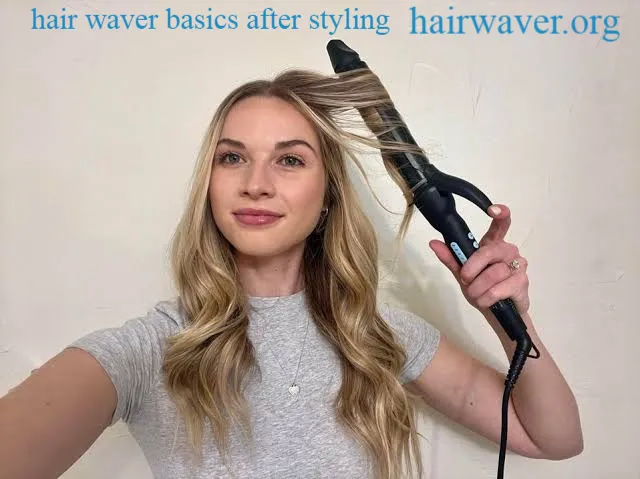
The very first thing you should do after waving your hair is absolutely nothing. Seriously. Do not touch it.
When you release a wave from the waver, the hair is still hot and in a soft, malleable state. If you run your fingers through it, brush it, or toss it around, you break the wave pattern before it even has a chance to set. This is one of the most common mistakes people make.
Let Your Waves Cool Completely First
Give each wave at least 30 to 60 seconds to cool before you touch it. Some stylists recommend holding the wave in your palm as it cools. This locks the shape in faster and more effectively.
Think of it like letting a cake cool before you frost it. The structure needs to be set before you add anything on top.
Once all your waves are done and fully cooled, you can gently separate them with your fingers. Use the pads of your fingertips, not your nails, and work slowly from the ends upward.
Should You Brush Your Hair After Using a Waver?
This is one of the most searched questions about hair waver basics after styling, and the answer is: it depends on the look you want.
If you want defined, separated waves, use your fingers instead of a brush. A brush, especially a paddle brush or a fine-tooth comb, will break up the wave pattern and turn your waves into a frizzy cloud.
When a Brush Actually Helps
If you want softer, more blended waves with a vintage or retro feel, a boar bristle brush can work beautifully. Run it through your hair gently once or twice to blend the waves together. The result looks more like a soft set than a beachy wave. hairwaver
For most people going for that classic wavy look, skipping the brush entirely is the smarter move. Use a wide-tooth comb only if you need to detangle, and do it before you wave, not after.
How Do You Make Hair Waves Last All Day?
Longevity is the biggest complaint people have with wavy hair. You style it beautifully in the morning and by noon it is mostly gone. Here is what actually helps.
Use Heat Protectant Before You Start
Always apply a heat protectant spray before waving. This is not optional. It protects your hair from damage and also helps the style hold better. Look for products that protect up to at least 230 degrees Celsius. Apply it to damp or dry hair before you begin.
Apply a Holding Product After Styling
Once your waves have cooled, lock them in with a lightweight hold product. Here are your best options depending on your hair type: hairwaver
- Fine hair: Use a texturizing spray or a light-hold mousse. Heavy products will weigh your waves down fast.
- Medium hair: A flexible hold hairspray or a sea salt spray works well. Sea salt adds grip and texture naturally.
- Thick or coarse hair: A curl cream or a medium-hold gel pressed gently through the ends gives lasting structure without stiffness.
Do Not Over-Touch Your Hair
Every time you run your hands through your waves, you transfer oil from your fingers to your hair and disturb the shape. Try to keep your hands away as much as possible throughout the day.
Consider Your Hair’s Natural Texture
If your hair is naturally straight, it will resist waves more than hair that is already a little textured. Straight hair types may want to apply a light mousse before waving for extra grip. If your hair is naturally wavy or curly, your waves will likely hold much longer with minimal product.
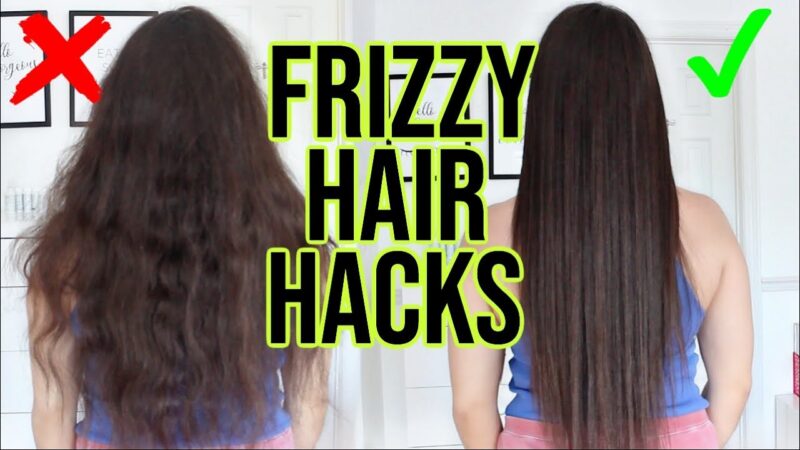
How Do You Stop Wavy Hair from Getting Frizzy?
Frizz is the enemy of a good wave day, and humidity is usually the villain behind it. When moisture from the air enters the hair shaft, it causes the cuticle to swell unevenly, and that creates frizz. source: Merrick’s Art
Use an Anti-Humidity Product
An anti-humidity spray or serum is your best defense. Apply it over your finished waves as a final step. These products form a light barrier around the hair shaft that blocks excess moisture from the air.
Do Not Skip the Smoothing Serum
A small amount of smoothing serum or hair oil applied to the mid-lengths and ends before waving adds shine and reduces frizz. The key word here is small. Too much will make your waves greasy and heavy rather than bouncy and smooth.
I personally keep a tiny bottle of argan oil in my bag for midday touch-ups. If I notice any frizz creeping in, I rub a single drop between my palms and lightly press it over the frizzy sections. It works every time.
Avoid Touching Wet or Damp Hair
Never wave hair that is completely wet. Always work on hair that is fully dry, or at most slightly damp with a heat protectant applied. Wet hair under high heat causes serious damage and produces nothing close to a clean wave.
Keep Humidity in Mind
If you live somewhere humid, plan your styling routine around it. Wave your hair closer to when you need to go out rather than hours in advance. Use stronger hold products on high-humidity days. Some people even finish with a light spritz of hairspray before stepping outside as an extra shield.
Can You Sleep with Wavy Hair?
Yes, you absolutely can sleep with wavy hair, and if you do it right, you can actually wake up with waves that still look great the next morning.
The Pineapple Method
Gather all your waves loosely on top of your head and secure them with a soft scrunchie. Do not use a tight elastic, as it will leave a dent and crush your waves. This method keeps the wave pattern mostly intact while you sleep.
Try a Silk or Satin Pillowcase
Cotton pillowcases create friction that roughens the hair cuticle overnight. This leads to frizz, tangles, and flattened waves by morning. A silk or satin pillowcase dramatically reduces that friction. It is one of the easiest upgrades you can make to your hair routine.
Refresh Your Waves in the Morning
Even with the best precautions, your waves may need a little love the next day. Here is a simple morning refresh routine:
- Lightly mist your hair with a water and conditioner mix or a wave-refreshing spray.
- Scrunch gently from the ends upward to reactivate the wave pattern.
- Allow to air dry, or use a diffuser on a low heat setting.
- Finish with a light-hold product if needed.
This takes about five minutes and can bring day-old waves back to life without any heat.
Hair Type Differences: What You Need to Know
Not all hair responds to waving the same way, and understanding your hair type helps you get better results. source: Instagram · natgeebeauty
Fine hair tends to hold waves less easily. Use lower heat settings on your waver and apply a light mousse before styling. Avoid heavy creams or oils that will weigh the waves down.
Thick hair often holds waves very well but may need higher heat and more product to define them. A curl cream or medium hold spray helps tame and define without making thick hair look stiff.
Color treated or damaged hair needs extra protection. Always use a heat protectant and keep your waver temperature on the lower end to avoid additional damage.
Naturally wavy hair is the easiest to work with. A waver enhances what is already there, and your waves will likely last much longer with minimal product.
Conclusion
Getting the most out of your waver is really about what happens after you put it down. The hair waver basics after styling come down to a few simple habits: let your waves cool before touching them, use the right products for your hair type, fight frizz proactively, sleep smart, and refresh rather than restyle the next day.
Once you build these steps into your routine, you will notice your waves lasting longer, looking smoother, and requiring far less effort to maintain. It really is that satisfying once it clicks.
Which of these tips are you going to try first? Share this with a friend who has been struggling with their wave game, and let us know in the comments what works best for your hair type.
Frequently Asked Questions
1. How long should I wait before touching my hair after using a hair waver? Wait at least 30 to 60 seconds after releasing each wave so it can cool and set completely. Touching waves while they are still warm breaks the shape before it forms.
2. Should I use hairspray before or after waving? Apply a heat protectant before waving and a holding spray or hairspray after. Spraying hairspray before can cause product to burn onto your hair under the heat of the tool.
3. What is the best product to use after a hair waver? It depends on your hair type. Fine hair benefits from texturizing spray. Medium hair does well with sea salt spray or flexible hold hairspray. Thick hair responds best to curl cream or a medium hold product.
4. Why do my waves fall out so quickly? Waves lose their hold when hair is too smooth, too clean, or lacks product. Try waving second-day hair, using a light texturizing product before styling, and finishing with a hold spray after.
5. Can I use a hair waver on wet hair? No. Always wave fully dry hair. Using a waver on wet hair causes steam damage to the hair shaft and produces uneven, weak results.
6. How do I refresh waves the next day without heat? Lightly mist your hair with a water and conditioner mixture or a wave refresher spray. Scrunch from the ends upward and let it air dry or use a diffuser on low heat.
7. Does a silk pillowcase really help preserve waves? Yes. Silk and satin pillowcases reduce friction significantly compared to cotton, which means less frizz, fewer tangles, and better-preserved wave patterns overnight.
8. What temperature should I use on my hair waver? Fine or damaged hair should use temperatures between 150 and 180 degrees Celsius. Medium hair works well at around 180 to 200 degrees. Thick or coarse hair may need up to 220 degrees for the wave to hold.
9. How do I prevent frizz when it is humid outside? Use an anti-humidity spray or serum as a final step. Apply a light smoothing serum to your ends before waving, and avoid touching your hair once styled.
10. Is it bad to wave your hair every day? Frequent heat styling can cause damage over time. Aim to wave two or three times per week and use a good heat protectant every single time you pick up the tool.
Hair Waver Basics Before Styling
About the Author: Maya Collins is a beauty and hair care writer with more than six years of experience covering styling tools, haircare routines, and product reviews. Trained in cosmetology and passionate about making professional-level beauty advice accessible to everyone, Maya writes in a way that feels like getting tips from your most knowledgeable friend. She believes great hair days are not about luck but about knowing exactly what to do after you put the tool down.
email: johanharwen@314gmail.com
Author Name: Maya Collins