
You can spend years building a great physique and still lose to someone who simply shows theirs better. Posing is the skill that turns months of training and dieting into something judges can actually see. It’s also the part many first-time competitors leave until the last two weeks.
This guide covers the eight mandatory poses in men’s open bodybuilding, how to perform each one, how the quarter turns work, and how to practice without a coach standing over you.
What Are Bodybuilding Poses?
Bodybuilding poses are standardized positions that let judges compare muscle size, symmetry, definition, and conditioning across competitors. Each pose is designed to show specific muscle groups from a specific angle, so no one can hide a weak area.
Judges in a bodybuilding competition assess overall physique presentation: muscular development, proportions, muscle separation, and how well an athlete controls their stage presentation. Posing is how all of that gets displayed. A well-conditioned athlete who poses sloppily can appear smaller or less balanced than they really are.
What Are the 8 Mandatory Bodybuilding Poses?
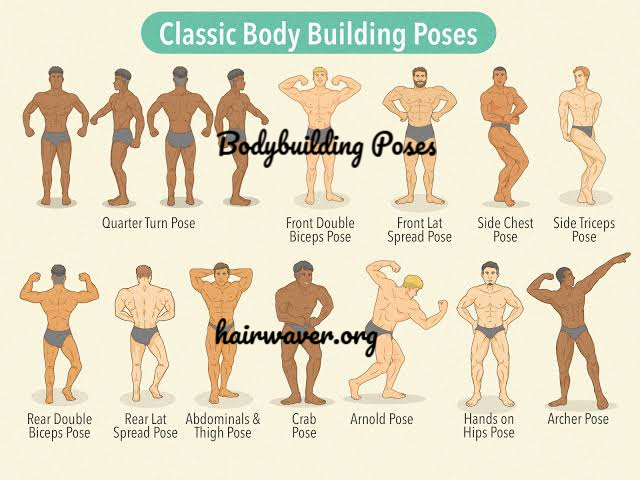
The eight compulsory poses in men’s open bodybuilding are the front double biceps, front lat spread, side chest, side triceps, rear double biceps, rear lat spread, abs and thighs, and most muscular. Together they cover the front, sides, and back of the physique.
Some divisions use a different set. Classic Physique, for example, has a shorter list of mandatory poses, and Men’s Physique uses a more limited, model-style set of positions. Organizations such as the IFBB Pro League and NPC publish their own rulebooks, so check your federation’s current guidelines before you start building a routine.
| Pose | Main areas judged |
|---|---|
| Front double biceps | Biceps, shoulders, chest, quads |
| Front lat spread | Lat width, V-taper, waist |
| Side chest | Chest, arm, thigh, calf |
| Side triceps | Triceps, chest, leg sweep |
| Rear double biceps | Back thickness, hamstrings, calves |
| Rear lat spread | Back width, detail, glutes |
| Abs and thighs | Abdominals, quadriceps |
| Most muscular | Traps, shoulders, overall mass |
Front Double Biceps Pose
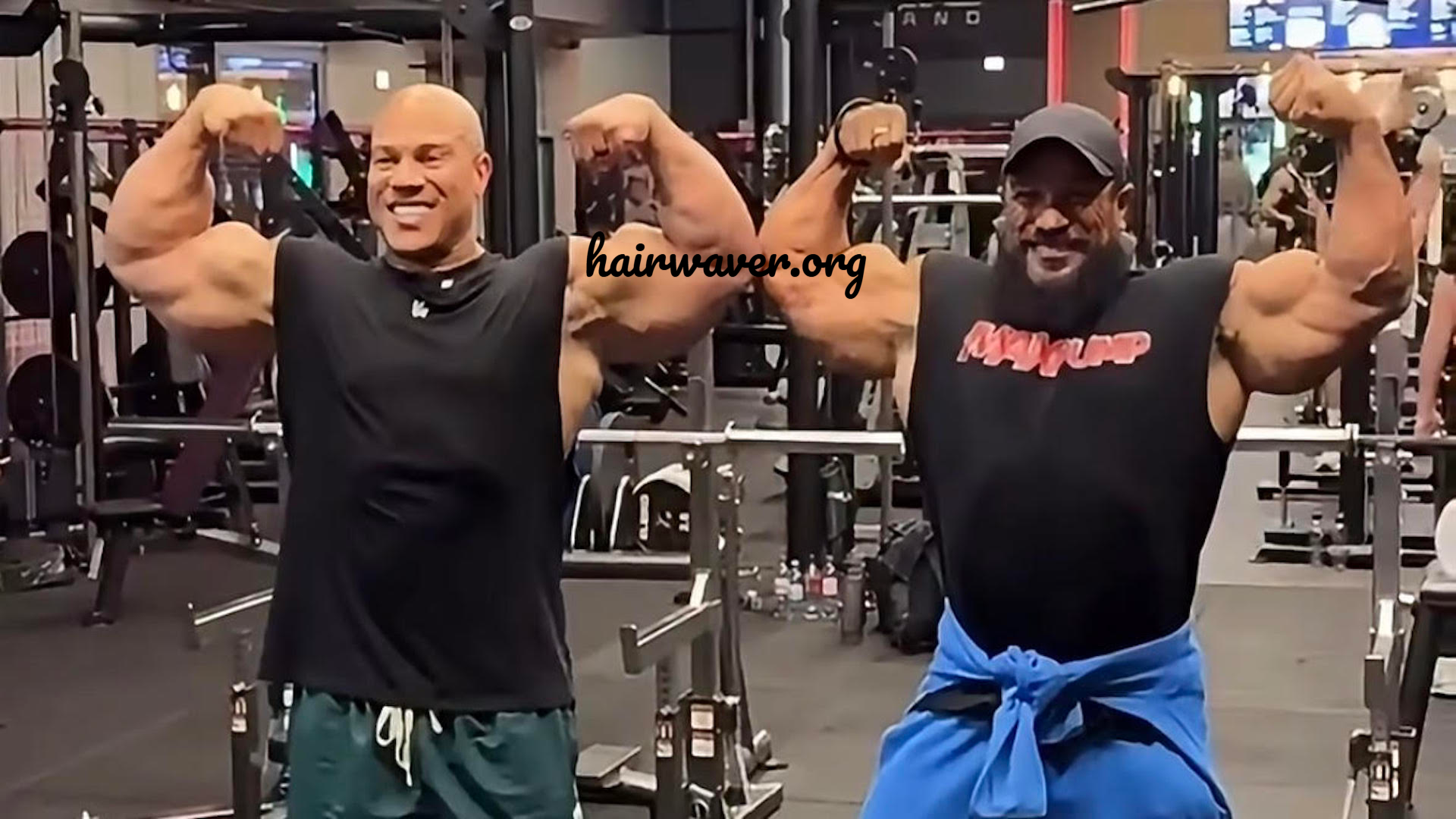
This is usually the opening statement of the front view. Stand tall with your feet roughly shoulder-width apart, one foot slightly forward. Raise both arms to shoulder height and bend the elbows as if making a double-arm curl, then squeeze your fists toward your ears while flexing your biceps and forearms.
Pull your shoulders back and keep your chest lifted. Tense your quads and turn your hips slightly so your legs don’t look flat. The biggest tell of a beginner is dropped elbows, so keep them level with your shoulders. strengthlog
Front Lat Spread Pose
The front lat spread showcases the width of your latissimus dorsi and the taper from shoulders to waist. Place your fists on your lower abdomen or just above your hips, then push your elbows forward and out. Flare the lats wide while keeping your chest high and your waist drawn in.
A small breath-hold helps you stay tight, but don’t let your face show strain. Wide lats are mostly built, not posed, yet the spread only works if you actively push your elbows out rather than just standing with your hands on your hips.
Side Chest Pose
This pose emphasizes chest thickness, arm size, and leg development together. Turn to one side and bring your near arm across your torso, gripping the other wrist or hand. Squeeze your arms together so your pecs bulge and your chest looks deep.
Bend the front knee slightly and flex the thigh and calf of the leg closest to the judges. Keep your eyes forward and your torso upright. Collapsing the rib cage is the most common flaw here, so lift your chest before you squeeze.
Side Triceps Pose
The side triceps pose isolates the horseshoe shape of the triceps while still showing chest and leg detail. Stand sideways, clasp your hands behind your back, and straighten the arm closest to the audience, locking it out as you flex. Press the chest forward and extend the leg nearest the judges so the quad and calf stay visible.
Think of it as pushing your chest toward the front of the stage while your arm stays long. Hunched shoulders will hide your chest, so stay tall.
Rear Double Biceps Pose
From behind, judges want thickness, detail, and balance between upper and lower body. Turn your back to the judges, place one foot slightly behind you on its toes, and raise both arms as in the front double biceps. Flex the back hard, spread your lats, and tighten your glutes, hamstrings, and calves.
Many athletes forget the legs. A big back above soft hamstrings looks unfinished, so make the whole posterior chain work.
Rear Lat Spread Pose
This pose displays back width and the V-taper from behind. With your back to the judges, place your hands on your waist and push your elbows forward while spreading the lats. Round your upper back slightly to create a wider, more dramatic look, and keep your weight balanced on the planted foot while the other stays on its toes.
Exaggerate the flare, but don’t lean forward. Staying upright keeps the waist looking small.
Abs and Thighs Pose
This is a front pose that highlights abdominal muscles and quadriceps. Clasp your hands behind your head, elbows open, and extend one leg forward with the quad flexed. Crunch your torso slightly as you tense your abs and keep the leg straight.
Don’t squeeze your elbows together in front of your face. Keep them wide and look forward, and make sure your front thigh is tight rather than resting.
Most Muscular Pose
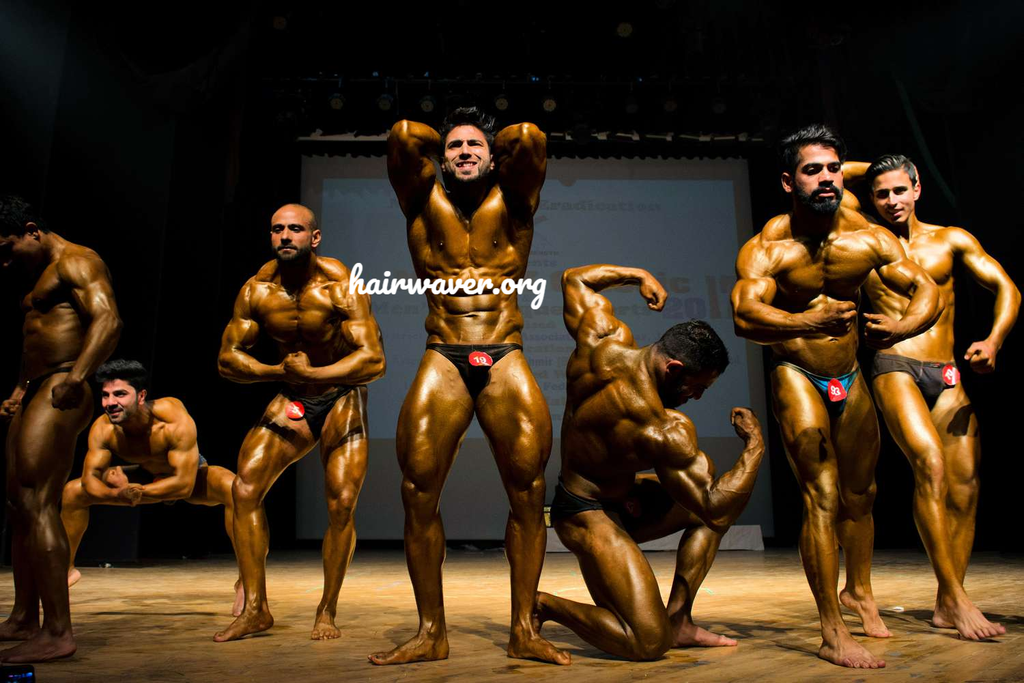
The most muscular pose is a mass-focused pose that lets you show off traps, shoulders, arms, and chest at once. It’s often used in comparisons and in the final call-out. A common version is the crab pose, where you bring your fists together in front of your hips and lean forward slightly while flexing the upper body.
Another approach is the hands-on-hips variation, with the traps pulled up. Choose the version that suits your structure. Whichever you use, drive your traps toward your ears and tense everything from the neck down.
What Are Quarter Turns in Bodybuilding?
Quarter turns are the relaxed rotations judges ask competitors to perform during prejudging. In the standard sequence, you hold a front relaxed stance, then turn a quarter turn at a time (typically to the right) through the side, back, and other side before returning to the front. Judges use these positions to check symmetry, waist, and proportions without any flexing.
Many competitors treat quarter turns as downtime, which is a mistake. Judges are looking at you the whole time. Stand tall, keep your lats gently spread, and avoid slouching when you turn. Your federation’s head judge will give the exact call.
How to Practice Bodybuilding Poses
The best way to practice is in short, frequent sessions in front of a mirror, adding video feedback and timed holds. Posing is muscular and skilled; it fatigues you more than you’d expect, and it improves only with repetition.
- Start early. Begin posing several weeks out, ideally earlier than that if you’re a beginner.
- Practice each pose separately. Spend five to ten minutes per pose, building mind-muscle connection.
- Hold for time. Work toward holding each pose for 20 to 30 seconds, since stage holds are longer than most people expect.
- Link them together. Practice transitions so you move smoothly from one pose to the next, rather than resetting each time.
- Film yourself. A mirror shows you what it feels like; video shows you what the judges see.
- Get outside eyes. A coach or experienced competitor will catch details you can’t.
If you’re practicing at home, a plain wall behind you and overhead lighting make it easier to see your own muscle separation.
Tips to Improve Your Bodybuilding Posing Technique
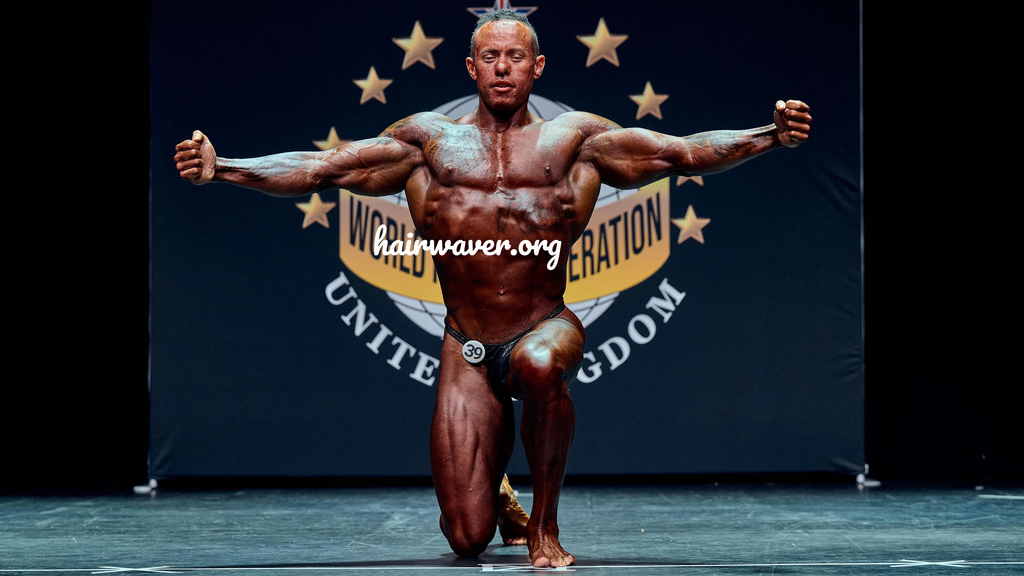
- Pose your weak points less obviously. Angle your body to emphasize strengths while still hitting every mandatory position correctly.
- Stay tight, not stiff. Tension should travel through the whole body, but your face and breathing should stay controlled.
- Practice when you’re tired. Posing at the end of a workout simulates stage fatigue.
- Rehearse your routine to music. For the free-posing round, a smooth, planned routine helps with confidence.
- Study the best. Watch past competition footage and notice how top athletes enter and exit each pose.
Common Bodybuilding Posing Mistakes
Competitors often lose points for avoidable errors:
- Dropping the elbows in double biceps poses
- Letting the chest collapse in side poses
- Ignoring the legs during back poses
- Holding the breath until the face turns red
- Rushing transitions
- Starting posing practice too late
Fixing even two or three of these can noticeably improve how you look under stage lights.
Frequently Asked Questions About Bodybuilding Poses
What are the 8 mandatory bodybuilding poses?
They are the front double biceps, front lat spread, side chest, side triceps, rear double biceps, rear lat spread, abs and thighs, and most muscular. Confirm your division’s list, since some use fewer.
How do judges evaluate bodybuilding poses?
Judges compare size, symmetry, proportions, muscle separation, conditioning, and stage presentation across competitors, using both relaxed quarter turns and flexed mandatory poses.
How do I pose for bodybuilding competitions?
Learn your division’s required poses, practice them daily with timed holds, rehearse transitions and quarter turns, and get feedback from a coach or video.
What are the best bodybuilding poses for beginners?
Start with the front double biceps, side chest, and abs and thighs. They’re easier to feel, and they teach the tension habits you’ll need for the rest.
How do I practice bodybuilding poses at home?
Use a mirror and phone camera, practice each pose for short sets, build up your hold times, and review the footage regularly.
What is the most muscular pose and how do I perform it?
It’s a mass-showing pose, often the crab. Bring your fists together in front, lean slightly forward, and flex your traps, shoulders, arms, and chest together.
What are quarter turns in bodybuilding?
They are relaxed, rotating positions judges call during prejudging so they can assess symmetry and proportions from the front, sides, and back.
What are common bodybuilding posing mistakes?
Dropped elbows, collapsed chest, neglected legs, held breath, rushed transitions, and starting too late are the most common.

[…] Bodybuilding Poses […]