



Hair Waver: Ultimate Guide to Perfect Beachy Waves Effortlessly

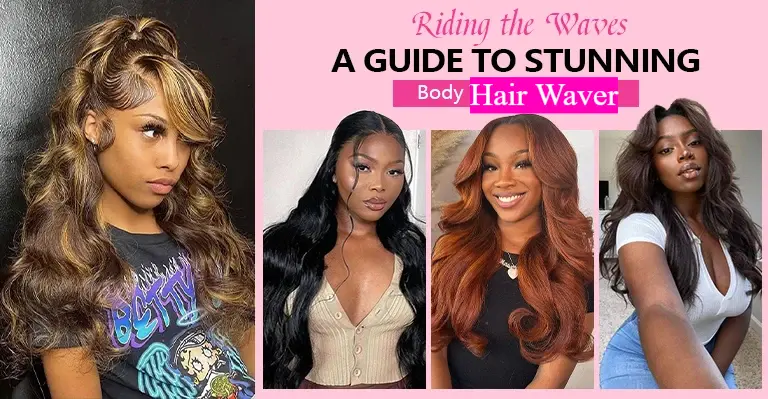
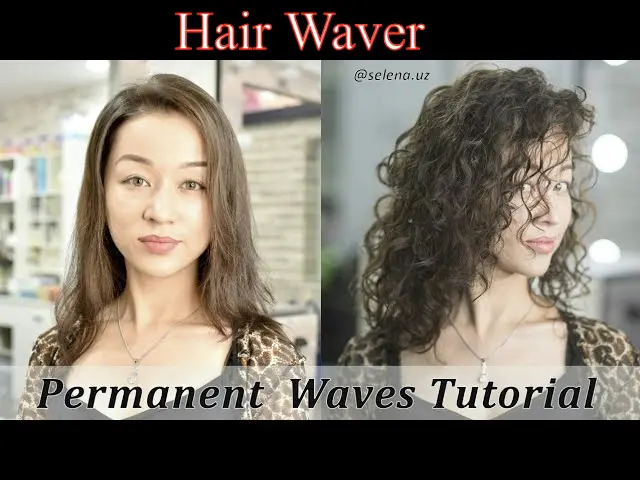
Perfect beachy waves have dominated hairstyle trends for years, and they show no signs of fading. You’ve probably scrolled through countless social media posts featuring those effortlessly tousled waves that look both polished and relaxed. The secret behind many of these gorgeous hairstyles is a simple tool called a hair waver that transforms straight hair into beautiful waves in minutes.
A hair waver offers a faster and easier alternative to traditional curling irons and flat iron techniques. Instead of wrapping hair around a barrel or creating manual bends, you simply clamp sections of hair between heated plates that are already shaped in wave patterns. This innovative design creates consistent, uniform waves throughout your hair with minimal effort and skill required.
Whether you have poker-straight hair that refuses to hold a curl or naturally wavy hair that needs definition, a hair waver can become your go-to styling tool. Understanding how these devices work, which features matter most, and the proper techniques for using them helps you achieve professional-looking results without expensive salon visits.
This comprehensive guide covers everything you need to know about hair wavers. You’ll discover the different types available, how to choose the right one for your hair type, essential techniques for gorgeous results, safety considerations, and maintenance tips that extend your tool’s lifespan. By the end, you’ll have all the knowledge needed to create stunning waves whenever you want them.
What Is a Hair Waver and How Does It Work
A hair waver is a heated styling tool designed specifically to create waves in your hair. Unlike curling irons that require you to wrap hair around a cylindrical barrel, a hair waver features multiple barrels or plates with wave-shaped ridges that imprint their pattern onto your hair when heat is applied.
The Basic Design
Most hair wavers consist of three barrels arranged side by side. The barrels have a wavy contour rather than being smooth and straight. When you clamp a section of hair between the barrels, the hair conforms to the wave pattern as heat temporarily breaks and reforms the hydrogen bonds in your hair strands.
The heating element inside the barrels reaches temperatures typically ranging from 250 to 450 degrees Fahrenheit. This heat level is necessary to create waves that last throughout the day. Most quality hair wavers include temperature controls that let you adjust the heat based on your hair type and texture.
The clamping mechanism works similarly to a flat iron. You open the waver, place a section of hair between the barrels, close the clamp, and hold it for several seconds. The time needed varies based on hair thickness, texture, and the specific waver model you’re using.
Some hair wavers feature a single large barrel with deep grooves instead of multiple barrels. These create looser, more relaxed waves compared to triple barrel models. The principle remains the same, but the final look differs based on the barrel configuration.
How Heat Creates Waves
Your hair contains protein structures held together by different types of bonds. Hydrogen bonds are temporary and easily broken by water or heat. When you apply heat from a hair waver, these bonds break, allowing your hair to take on the shape of the wavy barrels.
As the hair cools, the hydrogen bonds reform in the new wave pattern. This is why you need to let each section cool completely before touching it. Moving or brushing the hair while it’s still warm can disrupt the newly formed waves and make them fall flat faster.
The ceramic, tourmaline, or titanium coating on quality hair waver barrels distributes heat evenly across the entire surface. This even distribution prevents hot spots that could damage your hair while ensuring consistent wave formation from roots to ends.
Types of Hair Wavers Available
The hair waver market offers several distinct types, each creating different wave patterns and suited to different styling needs. Understanding these variations helps you choose the right tool for your desired look.
Triple Barrel Wavers
Triple barrel wavers are the most common and popular type. They feature three barrels of equal size aligned parallel to each other. This configuration creates defined, uniform waves with a crimped appearance that works beautifully for beach waves and mermaid hair looks.
The spacing between barrels determines how tight or loose your waves appear. Closer barrels create tighter, more defined waves. Barrels spaced further apart produce looser, more relaxed waves. Most triple barrel wavers have barrels ranging from 0.75 to 1.25 inches in diameter.
These wavers work well on all hair lengths but are particularly effective on medium to long hair. Short hair can be more challenging with triple barrels since you need enough length to fit between all three barrels for the pattern to show clearly.
The main advantage of triple barrel wavers is speed and consistency. You can wave your entire head in 15 to 20 minutes once you develop a good technique. The uniform wave pattern throughout your hair creates a cohesive, polished look.

Single Barrel Wavers
Single barrel wavers feature one large barrel with deep wave-shaped grooves carved into the surface. You wrap your hair around this barrel similar to using a regular curling iron, but the grooves create a more textured wave rather than smooth curls.
These create softer, more natural-looking waves compared to triple barrel models. The waves have more variation and movement, which some people prefer for a less structured appearance. Single barrel wavers give you more control over wave placement and direction.
The technique requires more skill than triple barrel wavers. You need to wrap hair sections consistently and hold them at the right angle to achieve uniform results. However, once mastered, single barrel wavers offer tremendous versatility in the types of waves you can create.
These work particularly well for creating waves that start mid-shaft rather than at the roots. This placement looks more natural and less styled, perfect for casual everyday looks.
Deep Waver vs Regular Waver
Deep wavers have more pronounced ridges that create more dramatic, defined waves. Regular wavers have gentler curves that produce subtler waves. Your choice depends entirely on your preferred aesthetic.
Deep wavers make a bold statement and work beautifully for special occasions, photoshoots, or when you want your hairstyle to be a focal point. The dramatic waves hold their shape longer and remain visible even in thick, heavy hair.
Regular wavers suit everyday styling and professional environments where you want texture and movement without appearing overly styled. These waves blend more seamlessly with your natural hair texture and look effortlessly chic.
Your hair type influences which option works best. Fine hair shows waves easily, so regular wavers often suffice. Thick or coarse hair may need the definition of a deep waver for waves to remain visible throughout the day.
Choosing the Right Hair Waver for Your Hair Type
Not all hair wavers work equally well for everyone. Your hair’s unique characteristics should guide your selection to ensure you get the best results with minimal damage.
Fine or Thin Hair Considerations
Fine hair is delicate and more susceptible to heat damage. You need a hair waver with precise temperature control that allows settings below 350 degrees Fahrenheit. Higher temperatures can burn fine hair or make it look crispy and damaged.
Look for wavers with ceramic or tourmaline-coated barrels. These materials distribute heat gently and help seal the hair cuticle, reducing frizz and adding shine. The smooth coating also prevents snagging, which can break fine hair strands.
Fine hair shows wave patterns easily, so you don’t need an extremely deep waver. A regular waver with moderate wave depth creates beautiful texture without overwhelming your hair’s natural fineness. You’ll achieve a fuller appearance that doesn’t look artificially volumized.
Smaller barrel diameters work well for fine hair since you’re working with less hair per section anyway. Barrels around 0.75 to 1 inch create appropriately sized waves that complement finer textures without appearing too bold or heavy.
Thick or Coarse Hair Needs
Thick hair requires more heat to create waves that actually hold. You need a hair waver capable of reaching at least 400 degrees Fahrenheit, though you won’t necessarily use maximum heat every time. Having the option ensures the tool can handle your hair’s density.
Titanium barrels excel for thick hair because titanium heats quickly, maintains consistent high temperatures, and transfers heat efficiently into dense hair sections. This efficiency means you spend less time on each section, reducing overall heat exposure despite higher temperatures.
Deep wavers work better for thick hair than regular wavers. The more pronounced ridges create definition that remains visible in heavy hair. Subtle waves from regular wavers can disappear entirely in thick, coarse textures that naturally resist styling.
Choose larger barrel diameters between 1 and 1.25 inches. These accommodate the larger sections of hair you’ll be working with and create waves proportional to your hair’s volume. Smaller barrels can look too tight and doll-like on thick hair.
Damaged or Chemically Treated Hair
Color-treated, bleached, or chemically processed hair is already compromised and needs extra gentle treatment. Prioritize hair wavers with adjustable low-temperature settings starting around 250 to 300 degrees Fahrenheit.
Ceramic-coated barrels are your best choice for damaged hair. Ceramic distributes heat evenly and prevents hot spots that could further damage already weakened hair structure. The negative ions released by ceramic also help smooth the cuticle and reduce frizz.
Always use heat protectant products before waving damaged hair. These products create a barrier between the heat and your hair, minimizing moisture loss and protein damage. Skipping this step with already compromised hair accelerates deterioration.
Consider wavers with automatic shutoff features. Damaged hair can’t withstand prolonged heat exposure, so tools that turn off after a set time prevent accidental overheating if you get distracted during styling.
Essential Features to Look for When Buying
Quality hair wavers include specific features that enhance performance, safety, and ease of use. Knowing which features matter most helps you evaluate options and find the best value.
Temperature Control Options
Adjustable temperature settings are non-negotiable for a quality hair waver. Different hair types and conditions require different heat levels, and one-size-fits-all temperature designs rarely work well for everyone.
Digital temperature displays show exactly what heat level you’re using. This precision helps you find your ideal temperature and replicate successful styling sessions. Guessing with vague low, medium, high settings makes consistency difficult.
Quick heat-up time matters when you’re styling in a hurry. The best hair wavers reach your desired temperature within 30 to 60 seconds. Waiting several minutes for your tool to heat up adds unnecessary time to your morning routine.
Look for models that maintain consistent temperature throughout use. Cheaper wavers experience temperature drops as you style, requiring you to wait between sections for the tool to reheat. Professional-grade wavers hold steady heat even with continuous use.
Barrel Material and Coating
Ceramic is the most common and versatile barrel material. It distributes heat evenly, is gentle on most hair types, and provides a smooth surface that prevents snagging. Ceramic-coated wavers are affordable while delivering good performance.
Tourmaline is a semi-precious mineral often combined with ceramic. It releases negative ions and infrared heat that seal the hair cuticle, reduce frizz, and add incredible shine. Tourmaline wavers cost slightly more but deliver noticeably smoother results.
Titanium heats faster and hotter than ceramic, making it ideal for thick or coarse hair. However, titanium can be too harsh for fine or damaged hair. These wavers are typically more expensive and marketed toward professionals.
Avoid wavers with metal barrels lacking any protective coating. Bare metal creates uneven heating, increases damage risk, and often snags hair. The money saved isn’t worth the poor results and potential harm to your hair.
Plate Size and Configuration
Barrel diameter affects wave size and how much hair you can style at once. Larger diameters create looser waves and work faster on long, thick hair. Smaller diameters create tighter waves and offer more precision for shorter hair or detailed styling.
Plate length determines how much hair you can wave in a single clamp. Longer plates speed up the process by covering more hair per section. However, very long plates can be awkward to maneuver, especially when styling the back of your head.
The spacing between triple barrels influences wave appearance. Some wavers have barrels close together for tight, defined crimped looks. Others space them further apart for looser, more natural waves. Consider which aesthetic appeals to you most.
Rounded barrel edges prevent creasing and lines where the barrels meet your hair. Some cheaper wavers have harsh edges that create visible lines or kinks in your finished style. Smooth, rounded edges create seamless wave transitions.
Safety Features Matter
Automatic shutoff is a crucial safety feature that turns the waver off after 60 to 90 minutes of inactivity. This prevents house fires if you forget to unplug your waver after styling. Many people have experienced the panic of wondering whether they turned off their hot tool.
Heat-resistant handles and cool-touch tips protect your hands from burns. The barrels get extremely hot, and accidentally touching them causes painful burns. Good insulation on handles lets you grip the tool comfortably even during extended styling sessions.
A swivel cord prevents tangling as you move the waver around your head. Fixed cords twist and knot, creating frustration and potentially damaging the cord connection over time. Swivel cords rotate freely, maintaining flexibility regardless of how you position the tool.
Look for wavers with heat-resistant storage pouches or cases. These let you pack your waver immediately after use without waiting for complete cooling. The protective case prevents the hot barrels from damaging other items in your drawer or luggage.
How to Use a Hair Waver Correctly
Proper technique makes the difference between gorgeous waves and disappointing results. Following the right steps protects your hair while creating beautiful, long-lasting waves.
Preparing Your Hair
Start with completely dry hair. Water and heat create steam that damages your hair structure and prevents waves from forming properly. If your hair feels even slightly damp, dry it thoroughly before using your hair waver.
Apply a heat protectant spray or cream throughout your hair, focusing on the mid-lengths and ends where damage accumulates most. Let the product dry briefly before applying heat. Wet protectant can create a sizzling sound and steam that defeats its protective purpose.
Brush your hair thoroughly to remove all tangles and knots. Trying to wave tangled hair creates uneven results and can pull painfully when the hair catches in the waver barrels. Smooth, tangle-free hair ensures even heat distribution and uniform waves.
Section your hair into manageable portions using clips. Working in sections ensures you don’t miss any areas and helps you maintain consistent technique. Most people divide hair into four to six sections depending on thickness and length.
The Waving Technique
Set your hair waver to the appropriate temperature for your hair type. Fine hair typically needs 250 to 350 degrees, medium hair works well at 350 to 380 degrees, and thick hair may require 380 to 420 degrees. Start lower and increase if waves don’t hold rather than starting too hot.
Take a one to two inch wide section of hair, depending on your waver size. Smaller sections create more defined waves while larger sections produce softer waves. The section should fit comfortably between the barrels without overloading them.
Open the waver and place the hair section between the barrels, starting as close to your roots as comfortable. Avoid pressing directly against your scalp to prevent burns. Close the waver firmly but not so tight that it creases or damages your hair.
Hold for five to ten seconds, depending on your hair thickness and the temperature setting. Thicker hair or lower temperatures need longer hold times. You’ll learn your ideal timing through experimentation, but start with eight seconds as a baseline.
Release the waver carefully without pulling or tugging the hair. Let the waved section cool completely before touching it. Moving or brushing warm hair disrupts the newly formed wave pattern. You can clip the section out of the way while it cools.
Move down the hair shaft by positioning the waver directly below where you just waved. Align the barrels so the waves flow continuously rather than creating disconnected sections. Overlap slightly to ensure no straight patches remain between waved areas.
Continue this process throughout your entire head, working section by section. The back sections are trickiest, so you might need a mirror to see what you’re doing. With practice, you’ll develop muscle memory and be able to wave your whole head in 15 to 20 minutes.
Creating Different Wave Styles
For uniform waves throughout, position the waver the same way on every section and hold for consistent times. This creates a cohesive, polished look where all the waves match in size and definition.
For a more natural, textured look, vary your technique slightly. Alternate between holding for shorter and longer times, or skip waving some small sections entirely. This variation creates dimension and movement that looks less structured.
Start waving away from your face near the front sections for a flattering frame. Waves that curve toward your face can look dated and unflattering. This directional detail makes a subtle but noticeable difference in your finished style.
Create volume at the roots by positioning the waver horizontally and clamping hair at the base. This lifts the roots while creating waves, preventing the flat-top look that sometimes occurs when waves start too far down the hair shaft.
Protecting Your Hair from Heat Damage
Heat styling inevitably causes some damage, but smart practices minimize harm and keep your hair healthy while still enjoying gorgeous waves.
Using Heat Protectant Products
Heat protectants form a protective barrier between your hair and hot tools. They contain silicones and polymers that can withstand high temperatures while keeping your hair’s moisture and protein structure intact.
Apply heat protectant to damp hair before blow-drying or to dry hair immediately before using your hair waver. Spray products distribute evenly and work quickly, while cream formulas offer more intensive protection for damaged hair but require more application time.
Don’t skip this step even if you’re in a hurry. Heat damage accumulates over time, and skipping protection regularly leads to dry, brittle hair with split ends. The few seconds spent applying protectant saves months of hair recovery treatments.
Reapply between styling sessions if you’re waving your hair multiple days in a row. One application doesn’t provide indefinite protection. Fresh protectant before each heat styling session maintains your hair’s integrity.
Temperature Guidelines
Use the lowest temperature that effectively creates waves that hold. Higher temperatures work faster and create longer-lasting waves but cause more damage. Finding your minimum effective temperature balances results with hair health.
Test different temperatures on a small hidden section before committing to styling your entire head. This trial run shows whether your chosen temperature works without risking visible areas if the results aren’t right.
Lower your waver temperature on subsequent passes if you need to touch up areas. Your hair is already heated from the first pass, so it needs less additional heat to reform waves. This prevents overcooking hair that gets styled twice.
Give your hair regular breaks from heat styling. Try to limit hair waver use to two or three times per week maximum. On off days, embrace your natural texture or use heatless styling methods to maintain your style.
Conditioning and Hair Care
Deep condition your hair weekly to replenish moisture lost through heat styling. Look for masks containing proteins to rebuild damaged hair structure and oils to restore shine and flexibility. Leave these treatments on for at least 20 minutes for maximum penetration.
Trim your ends every eight to twelve weeks to remove heat damage before it travels up the hair shaft. Split ends left untrimmed split further, creating increasingly damaged appearance that no amount of styling can hide.
Use sulfate-free shampoos that clean gently without stripping your hair’s natural oils. Heat styling makes hair drier, so harsh cleansers exacerbate the problem. Gentle formulas maintain your hair’s moisture balance.
Incorporate leave-in conditioners or hair oils into your daily routine. These products provide ongoing protection and moisture between wash days. Focus application on your ends where damage accumulates most and avoid roots where oils can make hair look greasy.

Styling Tips for Long-Lasting Waves
Creating beautiful waves is only half the battle. Making them last all day or even multiple days requires specific techniques and products.
Setting Your Waves
Let each section cool completely in its waved shape before moving or touching it. This cooling period allows the hydrogen bonds in your hair to fully reform in the wave pattern. Rushing this step causes waves to fall flat within hours.
Some people clip larger sections while they cool to maintain the wave shape. This is especially helpful for fine hair that tends to lose curl easily. Once completely cool, unclip and gently separate the waves.
Avoid brushing or combing your waves immediately after creating them. This smooths out the wave definition you just created. If you need to blend sections or remove tool marks, use your fingers to gently tousle and separate the waves instead.
Mist your finished style lightly with flexible-hold hairspray to set the waves. Hold the spray 10 to 12 inches from your head for even distribution without stiffness. Focus on the mid-lengths and ends where waves tend to fall out first.
Products That Enhance Hold
Texturizing sprays add grip to your hair that helps waves hold their shape longer. These products contain ingredients that create friction between hair strands, preventing the slippery smoothness that causes waves to fall flat.
Sea salt sprays enhance natural wave texture and create a beachy, lived-in finish. Spray onto dry hair after waving for added texture and hold. These work particularly well if you prefer a more undone, casual wave style.
Mousse applied to damp hair before blow-drying provides structure that helps heat-styled waves last longer. Use a golf-ball-sized amount distributed throughout your hair, then blow-dry before waving. The mousse creates a foundation for your waves to grip onto.
Lightweight oils applied sparingly to your ends add shine without weighing down your waves. Avoid applying oil near your roots or using too much, as this creates greasiness that causes waves to separate and fall.
Sleeping on Your Waves
Pineapple your hair before bed by gathering it into a very loose, high ponytail on top of your head. This protects your waves from getting crushed while you sleep. Use a scrunchie or soft hair tie that won’t create creases.
Sleep on a silk or satin pillowcase that creates less friction than cotton. This prevents frizz and helps maintain your wave definition overnight. Your waves will look much fresher in the morning with this simple bedding change.
For longer hair, try braiding your waves loosely before bed. This maintains the wave pattern while preventing tangles. Unbraid in the morning and finger-comb gently to restore the wave separation.
Refresh morning hair with dry shampoo at the roots for volume and a light texturizing spray through the lengths. Gently scrunch your waves to reactivate them. You can also quickly re-wave any sections that fell completely flat overnight.
Maintaining Your Hair Waver
Proper care extends your tool’s lifespan and ensures consistent performance. Regular maintenance prevents buildup and keeps the barrels functioning smoothly.
Cleaning After Each Use
Let your hair waver cool completely before cleaning. Never attempt to clean hot barrels as this can damage the coating and potentially burn you. Wait at least 30 minutes after use before handling for cleaning.
Wipe the barrels with a soft, slightly damp cloth to remove product buildup, oils, and hair residue. Avoid harsh chemicals or abrasive scrubbers that can scratch the ceramic, tourmaline, or titanium coating. Gentle wiping maintains the smooth surface.
For stubborn buildup, use a small amount of rubbing alcohol on your cloth. This cuts through product residue without damaging the barrel coating. Wipe thoroughly, then buff dry with a clean section of cloth.
Check the cord and plug for any damage or fraying. Damaged cords create fire hazards and shock risks. If you notice any issues with the cord or plug, stop using the waver immediately and replace it or have it professionally repaired.
Storage Best Practices
Store your hair waver in a heat-resistant case or pouch if possible. This protects the barrels from dust and prevents accidental damage. Many quality wavers include storage cases with purchase.
Keep your waver in a dry location away from water sources. Bathrooms can be humid, so if possible, store your hot tools in a bedroom closet or vanity. Moisture can damage electrical components over time.
Don’t wrap the cord tightly around the waver. This stresses the cord connection point and can cause internal wire damage. Instead, loop it loosely or use the cord wrap feature if your waver includes one.
Store your hair waver where it won’t get knocked around or dropped. Falls can crack ceramic barrels, damage heating elements, or break the clamping mechanism. Treat it gently and keep it somewhere stable.
Conclusion
A hair waver transforms your styling routine by creating beautiful waves quickly and consistently. Understanding the different types available, choosing one suited to your specific hair type, and learning proper techniques ensures you get salon-quality results at home. The right tool combined with heat protection, quality products, and good hair care practices lets you enjoy gorgeous waves without sacrificing your hair’s health.
Remember that mastering any new styling tool takes practice. Your first attempts might not look perfect, but you’ll improve with each use. Don’t get discouraged if your initial results don’t match your expectations. Like any skill, creating beautiful waves with a hair waver becomes easier and faster as you develop your technique.
Investing in a quality hair waver with the features that matter most pays off through years of reliable use and consistently beautiful results. Whether you want dramatic mermaid waves for special occasions or subtle texture for everyday elegance, a good hair waver gives you the versatility to create the exact look you envision. What wave style will you try first with your new hair waver knowledge?
Frequently Asked Questions
How long do hair waver waves typically last?
Hair waver waves typically last one to three days depending on your hair type, texture, and the products you use. Fine hair that naturally holds curl may keep waves for several days, while thick, straight hair might see waves relax within 12 to 24 hours. Using setting spray, avoiding moisture, and protecting your waves while sleeping extends their lifespan significantly.
Can I use a hair waver on wet hair?
No, you should never use a hair waver on wet or damp hair. The combination of water and high heat creates steam that damages your hair’s protein structure and can cause severe breakage. Always ensure your hair is completely dry before using any heat styling tool including hair wavers.
What temperature should I use for my hair type?
Fine or damaged hair should use temperatures between 250 to 350 degrees Fahrenheit. Normal, healthy hair works well at 350 to 380 degrees. Thick, coarse, or resistant hair may need 380 to 420 degrees. Always start with a lower temperature and increase only if needed rather than starting too hot and risking damage.
How often can I safely use a hair waver?
Limiting hair waver use to two or three times per week helps minimize heat damage accumulation. Daily heat styling increases damage risk significantly, leading to dry, brittle hair over time. On days between waving, use dry shampoo, texturizing spray, or heatless refresh techniques to extend your style.
Do I need different wavers for different hair lengths?
While the same waver can technically work on various lengths, shorter hair benefits from smaller barrel diameters and shorter plate lengths for easier maneuvering. Very long hair may work better with longer plates that cover more hair per section. However, most standard wavers work adequately across different lengths with technique adjustments.
Can a hair waver work on naturally curly hair?
Yes, a hair waver can define and uniform naturally curly hair by creating consistent wave patterns throughout. You’ll need to blow-dry or flat iron your hair straight first if you want the waver pattern to show clearly. Some people with loose curls use wavers to enhance and define their natural texture.
How is a hair waver different from a curling iron?
A curling iron creates spiral curls by wrapping hair around a single heated barrel, while a hair waver creates crimped waves by pressing hair between multiple wave-shaped barrels. Wavers are generally faster and easier for beginners since they don’t require wrapping technique. The resulting styles also look distinctly different.
What’s the difference between cheap and expensive hair wavers?
Expensive wavers typically feature better temperature control, higher-quality barrel materials, more even heat distribution, and longer-lasting construction. Cheap models often have inconsistent heating, harsh coatings that damage hair, and shorter lifespans. Investing in a quality waver protects your hair and provides better long-term value.
Can heat protectant completely prevent damage?
Heat protectant significantly reduces damage but cannot completely eliminate it. No product can make heat styling 100 percent safe. Heat protectant minimizes protein denaturation and moisture loss, but repeated high-temperature styling still causes cumulative damage over time. Regular deep conditioning and occasional heat breaks are still necessary.
Why aren’t my waves holding throughout the day?
Waves falling flat typically result from insufficient heat, not holding the waver long enough, touching hair before it cools completely, or naturally resistant hair texture. Using styling products like mousse before waving and setting spray after helps waves hold longer. You might also need to increase your waver temperature slightly.
Author Bio
A beauty and hair care specialist with over a decade of experience helping people achieve their ideal hairstyles at home. Passionate about making professional styling techniques accessible to everyone through clear instruction and honest product guidance. Dedicated to promoting healthy hair care practices that balance beautiful styling with long-term hair health and protection from damage.