
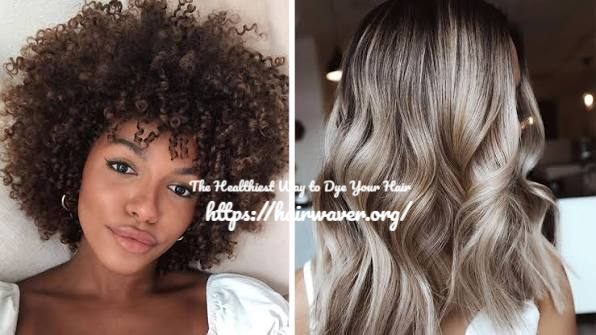
The healthiest way to color your hair is to pick the gentlest formula that still gives you the shade you want. The Healthiest Way to Dye Your Hair Patch test first, keep dye off your scalp where you can, space your sessions out, and condition well afterward. No dye is completely risk-free, so the goal is less irritation and less structural damage, not zero chemistry.
That’s worth saying plainly, because a lot of packaging suggests otherwise. Terms like “natural,” “botanical” and “gentle” aren’t regulated the way people assume. This guide explains what actually makes a dye easier on your scalp and strands, so you can choose with confidence.
What Makes a Hair Dye Healthy?
A healthier hair dye does well on two fronts: it’s kind to your scalp and skin, and it’s kind to your hair fiber.
Scalp health is mostly about allergens and irritants. The best-known culprit is PPD (para-phenylenediamine), a common ingredient in darker permanent shades and a frequent cause of contact allergy. Reactions range from an itchy scalp to swelling of the face and eyelids.
Hair health is about how much the dye has to open up the hair cuticle. Permanent color uses an alkaline agent (often ammonia) plus peroxide to lift your natural pigment and deposit new color inside the strand. That process is what leaves hair drier and more brittle over time, and bleaching is the harshest version of it. Source:aad.org
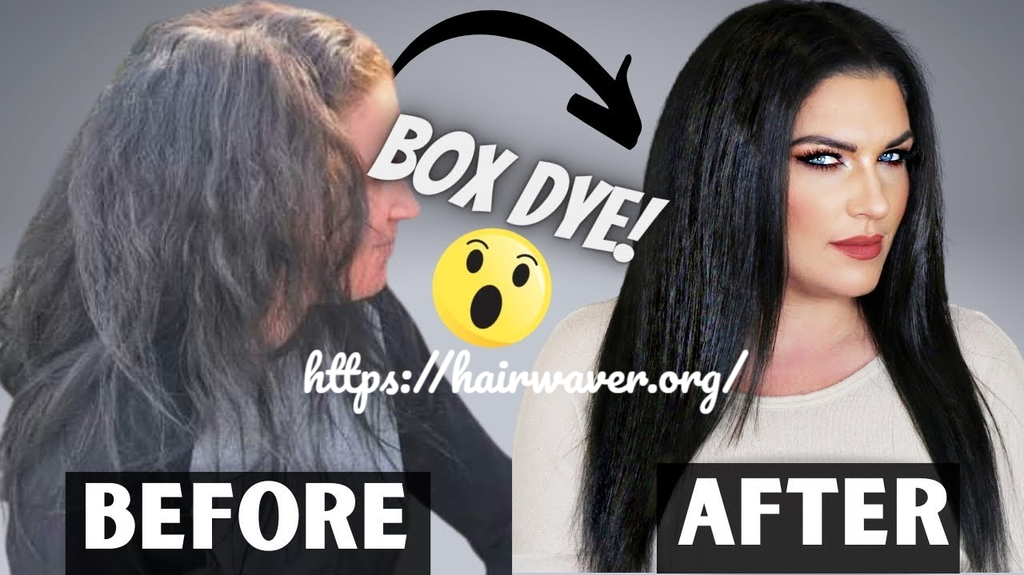
Here’s how the main dye types compare:
Dye type How it works Damage level Best for
Temporary (rinses, sprays) Coats the surface; washes out in 1-2 shampoos Very low Trying a shade, one-off events
Semi-permanent Deposits color with no peroxide; fades over several weeks Low Refreshing tone, blending a little grey
Demi-permanent Uses a low-strength developer; no lightening Low to moderate Gloss, deepening color, softer grey coverage
Permanent Ammonia or alternative alkaline agent plus peroxide Moderate to high Full grey coverage, going lighter
Henna (pure) Plant pigment binds to the outside of the hair Low (but see caveats below) Warm red-brown tones
My honest read: for most people with no strong need to go lighter, semi-permanent or demi-permanent color is the gentlest practical choice, since it avoids the lifting step entirely. If you’re covering a lot of grey or lightening, a professionally applied permanent color usually causes less damage than repeated DIY corrections.
Are Natural Hair Dyes Safer?
Short answer: Sometimes, but not automatically. “Natural” describes where an ingredient comes from, not how your skin will react to it.
What works:
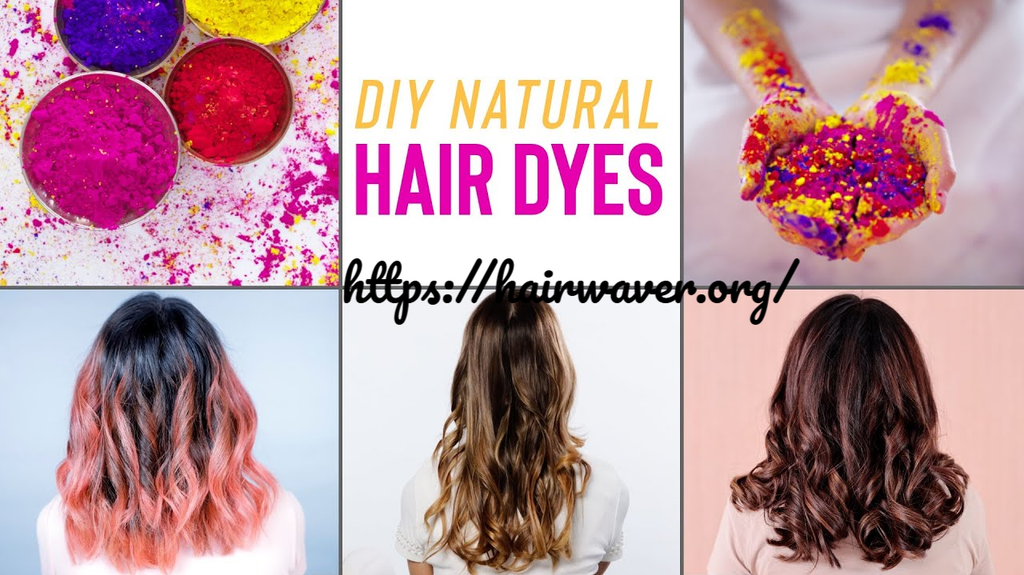
Pure henna (made from the Lawsonia inermis plant) gives coppery red-brown tones. In the US, the FDA approves henna for hair coloring only, not for skin decoration.
Indigo, often layered over henna, creates deeper brown and black shades.
Coffee and black tea rinses add subtle depth to brown hair.
Chamomile can warm and brighten lighter shades.
Sage is traditionally used to darken grey strands gradually.
Beet and carrot juice add reddish or orange tints, but they’re temporary.
Lemon juice can lighten slightly with sun exposure, though it tends to dry hair out.

What to watch for:
“Black henna” is a red flag. Products sold as black henna have often been found to contain PPD, which is the allergen people are trying to avoid. Always check the ingredient list.
Kitchen rinses don’t cover grey well. They stain the surface lightly and wash out. Expect a tint, not coverage.
Henna can make later chemical coloring unpredictable. If you might switch to a conventional dye, test a strand first or ask a colorist.
Plant ingredients can still cause allergies. Patch test herbal dyes too.
A plant-based hair dye from a reputable brand, with a short, clear ingredient list, is a reasonable middle ground. Just read the label, because many “botanical” boxes still contain synthetic dyes and peroxide.
How Can You Color Your Hair at Home Safely?
Short answer: Test first, prep your hair, apply carefully, and don’t overprocess. Here’s the routine I’d follow:
Do a patch test 48 hours before. Dab a little mixed dye behind your ear or inside your elbow, and don’t wash it off for two days. Itching, burning, redness or swelling means don’t use that product. Do this every time, since sensitivities can develop even if you’ve used the same dye for years.
Do a strand test. Color a hidden section to check the shade and see how your hair handles it.
Start with unwashed hair. Natural scalp oils offer a little protection against irritation.
Protect your skin. Put a barrier cream or petroleum jelly along your hairline and ears, and wear the gloves provided.
Apply to roots first if you’re covering regrowth, then pull the dye through the lengths only for the last few minutes. Re-dyeing already-colored ends every time is a common source of breakage.
Watch the timer. More time doesn’t mean better color, only more processing.
Rinse thoroughly with lukewarm water, then use the conditioner or treatment from the kit.
Ventilate the room and never mix different brands or products.
How do you get professional-looking results? Section your hair into four parts, mix only what you need, apply with a brush for precision, and choose a shade within two levels of your natural color. Going dramatically lighter or changing color completely is where salon expertise really pays off.
If you have a sensitive scalp, ask a salon about a PPD-free or low-sensitization formula. Some stylists can also do a lower-contact technique, like balayage, that keeps dye away from your skin. People who are pregnant or have had previous reactions should check with a doctor or dermatologist before coloring.
How Do You Cover Grey Hair Without Overdoing It?
Grey hair is often coarser and more resistant to dye, which tempts people to leave color on longer or reapply sooner. A gentler plan:
Use demi-permanent color for 30-50% grey. It blends rather than fully covers, and it grows out softly.
Use permanent color only on roots, and keep the formula off previously colored lengths.
Between full sessions, use root concealers, powders or sprays.
Choose a shade close to your natural color so regrowth is less obvious, meaning fewer touch-ups.
Which Hair Dye Ingredients Should You Avoid?
Short answer: If you have sensitive skin or a history of reactions, the main ones to look out for are:
PPD and related dyes (like PTD): A leading cause of hair dye allergy. “PPD-free” formulas exist, but check them too, since some replacement dyes can still trigger people who react to PPD.
Ammonia: It irritates the scalp and has a strong smell. Ammonia-free dye can be a gentler experience, but it isn’t automatically less damaging, because many use other alkaline agents like ethanolamine to do the same job.
High-volume peroxide: Stronger developers (30 or 40 volume) cause more damage, and you rarely need them unless you’re lightening.
Resorcinol: A common coupler in permanent dyes that’s been scrutinized by European regulators, and a known irritant for some people.
Metallic salts and lead acetate: Found in some “gradual darkening” products. The FDA moved to revoke approval for lead acetate in hair dyes in 2018.
Heavy fragrance: An added source of irritation if your skin is reactive.
On cancer risk: the International Agency for Research on Cancer (IARC) classified occupational exposure for hairdressers and barbers as probably carcinogenic in 2010. It found the evidence for personal hair dye use inconclusive. This is an area of ongoing study, so it’s reasonable to be cautious, but it isn’t a reason to panic.
How Do You Protect Your Hair After Dyeing?
Short answer: Moisturize, avoid harsh shampooing, and cut back on heat. Healthy color depends as much on aftercare as on the dye itself.
Wait 48-72 hours before your first wash so the color can settle.
Use sulfate-free, color-safe shampoo and wash with lukewarm water. Hot water speeds up color fading.
Deep condition weekly. A moisturizing mask replaces some of the lipids and water that color processing strips out.
Use a leave-in conditioner or heat protectant before blow-drying or styling.
Space out hot tools. Dyed hair is more porous and breaks more easily.
Rinse after swimming and wear a hat in strong sun, since UV fades color and dries strands.
Trim every 8-12 weeks to remove split ends before they travel up the strand.
Hair that feels rough, snaps when stretched, or won’t hold moisture is telling you to pause coloring and focus on repair.
How Often Can You Safely Dye Your Hair?
Short answer: For permanent color, most stylists suggest waiting about 6-8 weeks between full applications, and only touching up the roots in between. This is a common professional rule of thumb rather than a hard medical limit.
Permanent color: Roots every 4-8 weeks, full-length color rarely.
Demi-permanent: Every 4-6 weeks as a refresh.
Semi-permanent: Whenever the shade fades, since it carries little damage risk.
Henna: Every few weeks, with more caution if you ever plan to switch to chemical dye.
Bleaching: As infrequently as possible, with lots of repair care in between.
If your hair feels dry, brittle or itchy, or you see more breakage than usual, stretch the time between sessions.
Frequently Asked Questions
What is the healthiest way to dye your hair for grey hair?
Use demi-permanent color for light to moderate grey, or apply permanent color to the roots only. Patch test first, keep dye off previously colored lengths, and use root concealers between sessions to stretch time between full applications.
What is the healthiest way to dye your hair at home?
Patch test 48 hours ahead, strand test, protect your skin, and apply dye to the roots first. Follow the timing on the box, rinse thoroughly and condition afterward. Choose a semi- or demi-permanent formula if you don’t need to go lighter.
How do you make permanent hair dye at home?
You can’t make true permanent dye from kitchen ingredients. Real permanent color needs an alkaline agent and peroxide, which aren’t safe to improvise. The closest long-lasting homemade option is henna, sometimes followed by indigo, which stains the hair for weeks to months.
Is there a permanent hair dye that doesn’t damage hair?
No permanent dye is completely damage-free, but you can reduce harm. Choose a formula close to your natural shade, avoid high-volume developers, skip re-coloring already-dyed ends and use a deep conditioner regularly.
What is the best homemade hair dye for grey hair?
Henna and indigo give the most noticeable results, with sage and black tea rinses offering a subtler darkening. None of them gives the even coverage of commercial dye, so expect a tint and reapply regularly.
Is there a safe hair dye without chemicals?
Everything, including water and plant pigment, is technically a chemical, so “chemical-free” is a marketing term. Pure henna, indigo and herbal rinses are the closest to chemical-free options, but they can still cause allergies, so patch test them.
How do you make permanent hair dye at home for dark hair?
A lasting dark shade comes from layering henna first, then indigo, which builds to deep brown or near-black. It’s not instant or identical to boxed dye, and it can interfere with later chemical coloring, so test a hidden strand first.
How do you color your hair at home like a professional?
Section your hair, mix a small amount at a time, use a brush for precise application and work roots first. Stay within two shades of your natural color, time every step carefully and finish with a conditioning treatment.
Final Thoughts
The healthiest approach isn’t about finding one miracle product. It’s about choosing the lowest-impact color for your goals, testing before you commit, and treating your hair gently between sessions. If you’re unsure, a consult with a trusted colorist is worth it, especially if you have a sensitive scalp or a history of reactions.
Always follow the manufacturer’s patch test instructions and check current product ingredient lists, since formulas and regulations change.

[…] The Healthiest Way to Dye Your Hair […]