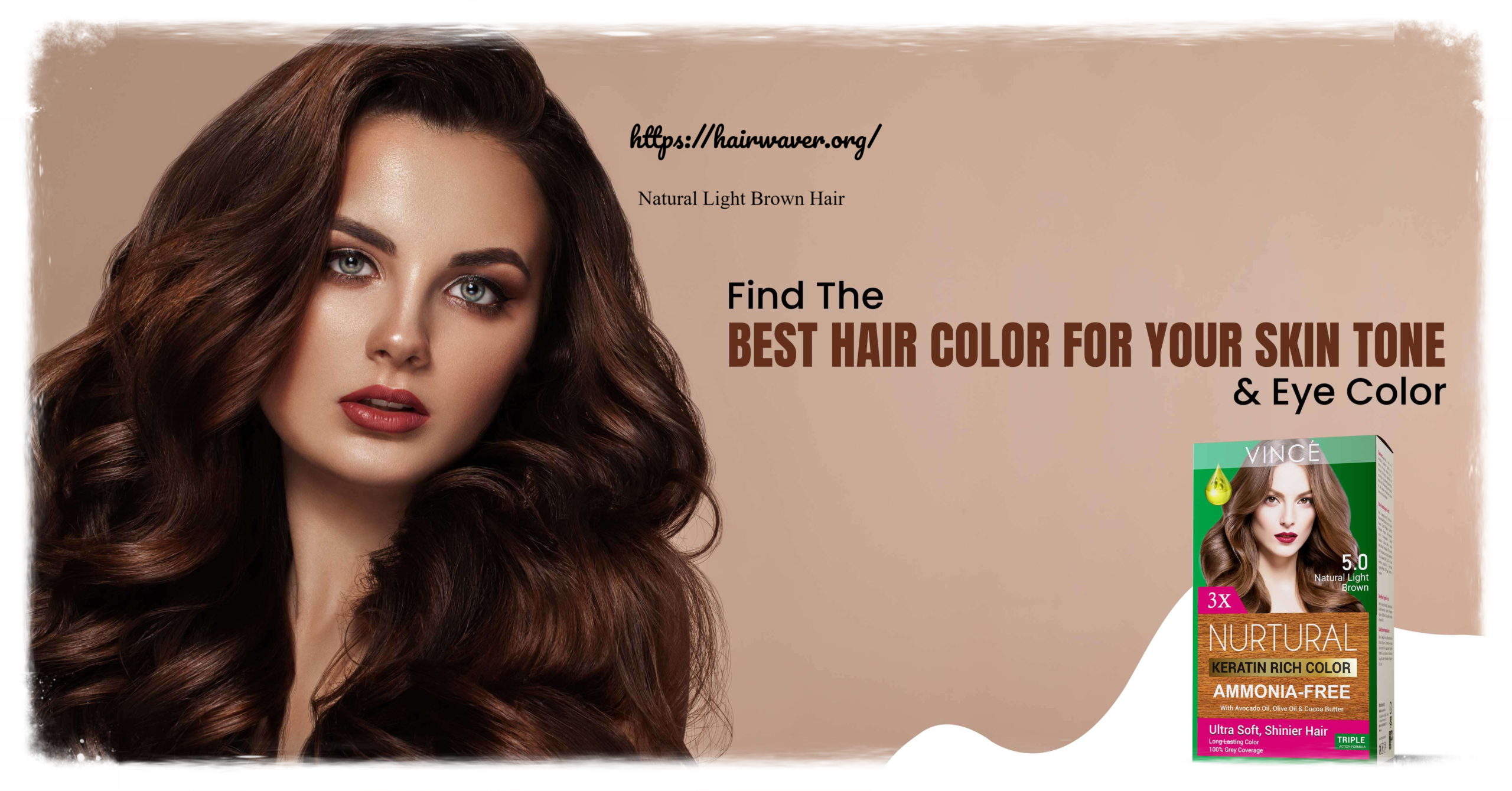
Natural Light Brown Hair sits in a flattering middle ground. It is softer than dark brown and richer than most blondes, and it reads as polished without looking dyed. It is also one of the most misunderstood colors: people mix it up with dark blonde, medium brown, or “mousy” brown, then struggle to describe it to a stylist.
This guide sorts that out. You’ll learn what light brown actually is, the shades within it, which tones flatter your skin, and how to get and keep the color.
What Is Natural Light Brown Hair?
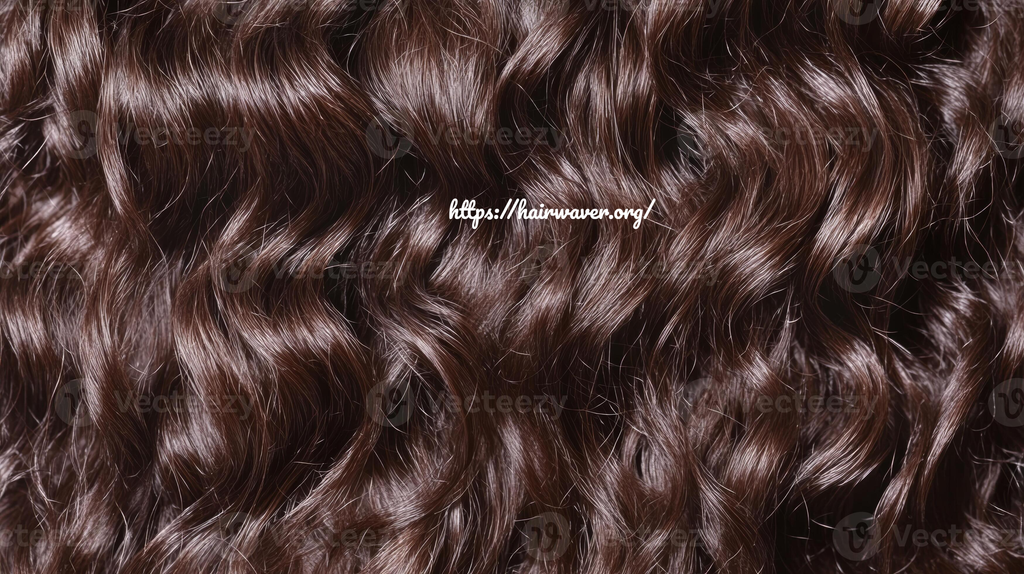
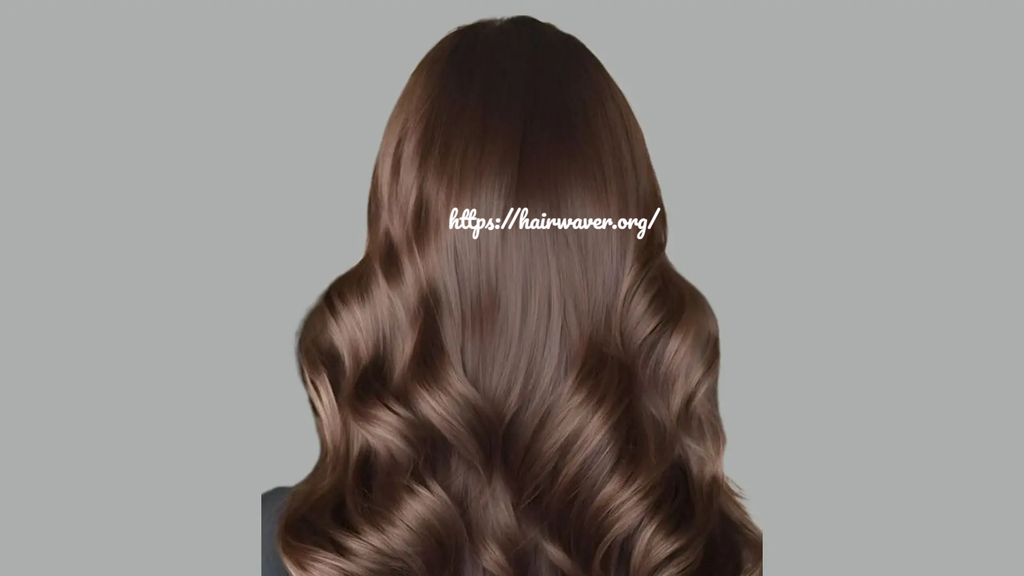
Natural light brown hair is a soft, mid-to-light brunette shade that sits between dark blonde and medium brown. It has enough depth to look rich but enough lightness to catch the sun.
Hair color comes from two pigments, eumelanin (brown to black) and pheomelanin (red to yellow). Light brown hair has a moderate amount of eumelanin, and the ratio of the two pigments determines whether it leans golden, ashy or neutral.
Stylists usually describe brown hair using a “level” system, where 1 is black and 10 is the lightest blonde. Light brown typically falls around levels 5 to 6, though salons and brands draw the lines slightly differently. Your stylist’s chart is the best reference.
Is natural light brown hair rare?
No. Brown is the most common hair color worldwide, and light brown is a common variation of it. Many people are surprised to find their “dark blonde” childhood hair darkened into light brown as they got older, which is a common pattern. What is less common is a perfectly even, one-tone light brown. Most natural light brown hair has subtle variation, with lighter parts around the face and crown.
The Brunette Spectrum: Natural Brown Hair Shades
Here is how light brown fits into the wider range of brown hair shades:
| Shade | Typical look | Undertone |
|---|---|---|
| Light brown | Soft, mid-light brunette | Varies |
| Medium brown | Classic, balanced brunette | Neutral to warm |
| Dark brown | Deep, near-espresso | Cool to neutral |
| Chestnut brown | Brown with a reddish glow | Warm |
| Golden brown | Brown with honey-gold light | Warm |
| Ash brown | Muted brown with no warmth | Cool |
The most important concept is undertone. Two light browns at the same depth can look completely different if one is golden and the other is ashy.
Light Brown Shades Worth Knowing
Warm Light Brown
Think honey, caramel and soft gold. Warm light brown picks up sunlight beautifully and gives hair a glowing, healthy-looking finish. It’s the natural choice for people whose hair already catches golden or coppery tones outdoors.
Cool Light Brown
Cool light brown leans ash, taupe or even slightly gray-beige. It looks sleek and modern but is less forgiving. Without enough shine, ash tones can look flat, so glossy styling and a good finish matter more here.
Light Chestnut Brown
Chestnut adds a subtle red-brown warmth. In its lighter form, it looks like polished wood in sunlight. It suits people who want depth and richness without going fully dark.
Golden Light Brown
This shade has a clear honey or butterscotch cast. Because it sits close to dark blonde, it’s a popular bridge for anyone moving from blonde back toward brunette, or vice versa.
Neutral Light Brown
Neutral light brown is balanced, with neither strong gold nor strong ash. It is the safest choice if you’re unsure of your undertone, and it’s often the easiest shade to maintain.
Which Skin Tone Suits Light Brown Hair?
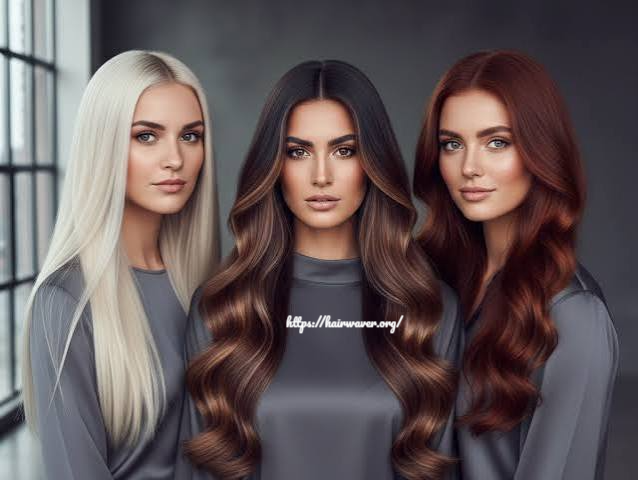
Light brown works on almost every skin tone as long as the undertone is matched. The goal is to complement your skin, not fight it.
- Warm skin tones (golden, peachy or olive undertones; gold jewelry usually flatters): golden brown, honey brown and light chestnut tend to look most harmonious.
- Cool skin tones (pink, rosy or bluish undertones; silver jewelry usually flatters): ash brown and cool light brown balance redness well. Very golden shades can emphasize flushing.
- Neutral skin tones (a mix of both, with both metals working): light neutral brown is a natural fit, and you can usually experiment with subtle warm or cool highlights.
- Deeper brown skin: soft golden, caramel or honey light brown can look dimensional and rich, especially as highlights. Very pale ash shades can look stark, and they typically require significant lightening to achieve.
A quick test is to hold a few strands or a swatch near your face in natural daylight. Notice whether your skin looks brighter and more even, or tired and sallow.
Light Brown Hair Color Ideas
Light brown with highlights. Subtle highlights add dimension and keep the color from looking flat. Ask for lighter pieces that sit only one or two shades above your base for a natural result.
Light brown balayage. Balayage is a hand-painted technique that gives soft, graduated lightness with minimal regrowth lines. Within it, teddy bear balayage is a warm, cozy version in caramel and honey tones. It has been a popular request in salons in recent years, though trends shift, so treat it as an idea rather than a rule.
Sun-kissed light brown. Fine, face-framing highlights mimic the look of hair lightened by sunlight. It’s one of the lowest-maintenance ways to wear the color.
Ash highlights on a warm base. This mixes cool and warm tones for a multidimensional effect. It requires a skilled colorist, as ash toners can fade quickly.
Long layers. Layers help light brown look thicker and bouncier. Because the color has built-in dimension, movement shows up beautifully in longer cuts.
How Do I Choose the Best Light Brown Hair Shade?
There is no single “best light brown hair color,” only the best one for you. Work through these five steps:
- Identify your undertone using the jewelry or vein test and daylight.
- Consider your natural base. The closer you stay to your natural depth, the easier the upkeep.
- Decide your maintenance level. Ash and very golden tones need more toning than neutral ones.
- Bring reference photos in natural light. Names like “honey” or “mocha” vary from brand to brand.
- Ask for a strand test if you’re changing color significantly.
How to Get Natural Light Brown Hair
How do I make my hair light brown naturally?
Naturally means two things to different people: working with your own pigment, or using gentler ingredients. Honestly, home remedies like chamomile tea rinses or lemon juice can add only a very slight brightening effect, and lemon juice and sun together can dry out hair. If you want a visible change, dye is the realistic route.
Plant-based options exist, too. Henna produces reddish tones, and combining it with indigo can create brown shades, but plant dyes deepen hair rather than lighten it. They can also be hard to correct, and some salons dislike working over them, so test carefully.
Can I get light brown hair without bleach?
Often, yes, depending on your starting point:
- From darker hair: A permanent dye in a lighter shade can lift dark hair a little, but only a little. Going from black to light brown generally needs a high-lift color or lightener.
- From blonde or dyed light hair: You can deposit brown pigment without bleach. Because blonde hair can look muddy or greenish when brown goes over it, colorists often add warm pigment first.
- From virgin medium brown: One or two levels of lift are usually achievable with a good permanent color.
Brands such as L’Oréal Paris, Garnier, Wella, Redken and Madison Reed all offer light brown ranges, though shade names and results vary.
Can I do it at home?
If you’re staying within one or two levels of your current color, yes. Follow these steps:
- Strand test first.
- Choose a shade close to your natural color.
- Apply to dry, unwashed hair according to the instructions.
- Use gloves and don’t leave it on longer than recommended.
- Finish with a conditioner designed for color-treated hair.
For major changes, correction jobs or balayage, a salon visit is safer and typically gives better results.
How to Maintain Light Brown Hair
Light brown fades toward brassiness more visibly than darker browns, so upkeep is worth the effort.
- Use sulfate-free shampoo designed for color-treated hair, and wash with lukewarm water.
- Tone as needed. Blue or purple-blue shampoos can neutralize orange brassiness in brunettes, while purple shampoo is better for yellow tones in lighter hair. Use them occasionally, not every wash.
- Add a gloss treatment every few weeks to restore shine, which is where light brown looks its best.
- Protect from heat and sun. Heat protectant and UV-protective products help prevent fading and frizz.
- Trim regularly. Split ends make color look dull and uneven.
Custom FAQs
Is light brown hair natural for boys?
Yes. Light brown is a common natural shade among all genders, and many boys’ hair darkens from blonde to light brown over time. For short men’s cuts, a neutral or slightly golden light brown looks clean and natural.
What is natural light brown hair color?
It’s a soft brunette that sits between dark blonde and medium brown, typically with a warm, neutral or ash undertone. It reflects light in lighter and darker tones rather than looking uniformly flat.
Can light brown hair have natural highlights?
Yes. Sun exposure can lighten the outer layers into gold or caramel tones, especially around the face and ends. Hair that was lighter in childhood often keeps a few lighter strands.
Is light brown hair the same as natural blonde?
No. Natural blonde has less pigment and reads as clearly yellow, golden or ashy light. Light brown is deeper. Dark blonde and light brown overlap, which is why people often confuse them, and lighting can change how each looks.
Can I get light brown hair at home naturally?
You can get close at home with a permanent dye near your natural level. Natural remedies produce only subtle effects, and plant-based dyes tend to deepen rather than lighten hair.
What is the best light brown natural hair color?
The best shade matches your undertone. Golden or honey tones usually flatter warm skin, ash tones suit cool skin, and neutral light brown suits most people.
Last reviewed: October 2026. Product ranges, shade names and trends change, so check current brand and salon offerings before buying or booking.
This article is for general information. Anyone with a sensitive scalp, allergies or previously treated hair should patch test dye products and consult a professional colorist.