Introduction
You just got a shiny new hair waver and you are itching to try it. But before you clamp that hot barrel onto your hair, there is one question you really need to answer. Do you need a heat protectant before using a hair waver? The short answer is yes, and skipping this step is one of the fastest ways to turn healthy hair into dry, brittle strands. Hair waver basics heat protectant knowledge is something every curly, wavy, or straight haired person should have before they start styling with heat. In this article we will walk through what heat protectant actually does, when and how to apply it, and which products work best depending on your hair type. By the end you will know exactly how to protect your hair while still getting those gorgeous, bouncy waves you are after.
What Does A Heat Protectant Do?
A heat protectant creates a thin barrier between your hair and the hot tool you are using. Think of it like sunscreen for your strands. It does not stop heat completely, but it slows down how fast that heat penetrates the hair shaft, reducing moisture loss and cuticle damage.
Most heat protectants contain silicones, polymers, or natural oils that coat each strand. This coating helps hair glide more smoothly through the waver, which means less friction and less breakage. Some formulas also contain proteins like keratin that temporarily fill in weak spots along the hair shaft.
Without this protective layer, direct heat can boil the water inside your hair follicle. That sounds dramatic, but it is actually what happens at temperatures above 300 degrees Fahrenheit. The result is frizz, split ends, and a dull, straw like texture over time.
When Should I Apply Heat Protectant?
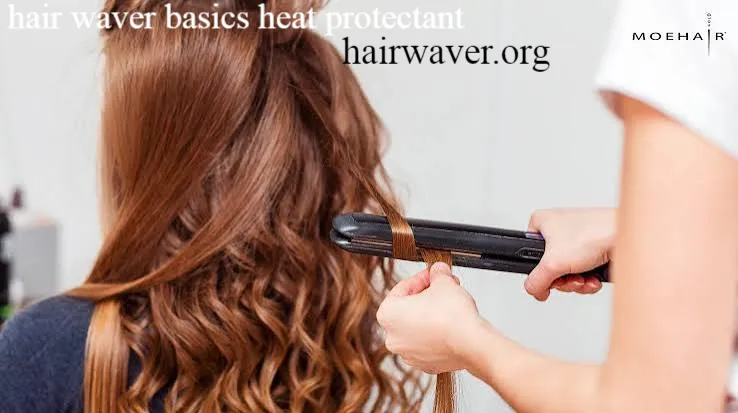
Timing matters just as much as the product itself. Apply heat protectant to clean, towel dried or fully dry hair before you start using your hair waver basics heat protectant. Never apply it directly before touching the hot barrel to wet hair, since trapped moisture can actually cause more damage when heated quickly.
Here is a simple order to follow:
- Wash and condition your hair as usual
- Towel dry gently, do not rub
- Apply heat protectant evenly from mid length to ends
- Let it sit for a minute or two before styling
- Begin waving once hair is fully dry
If you are using dry shampoo or texturizing spray, apply your heat protectant first and let those other products go on afterward. Layering in the wrong order reduces how well the protectant coats each strand.
Can I Use A Hair Waver Without Heat Protectant?
Technically yes, you can use a hair waver basics heat protectant without heat protectant. But should you? Not really. Hairstylists consistently recommend it because repeated heat exposure without protection speeds up protein degradation in the hair.
I have tested waving my hair both with and without protectant, and the difference after just a few weeks was noticeable. Unprotected sections felt rougher and lost their shine faster. Protected sections held curl longer and felt smoother to the touch.
If you occasionally use a low heat setting for a quick touch up, the risk is smaller. But for regular styling sessions, treating heat protectant as a non negotiable step will save you money on repair treatments later.
Definition Of A Heat Protectant
A heat protectant is a leave in product formulated to shield hair from thermal damage caused by styling tools like curling irons, flat irons, and hair waver basics heat protectants. It typically comes in spray, cream, or serum form and works by coating the hair shaft to reduce direct heat transfer.
Most dermatologists and cosmetic chemists agree that heat protectants cannot make hair completely heat proof. Instead, they raise the threshold at which damage begins, giving you a safer styling window.
Benefits Of Using Heat Protection
Using a heat protectant regularly offers more than just damage prevention. Here are some real benefits you will notice over time.
- Smoother texture since cuticles stay closed longer
- Better shine because moisture is retained inside the strand
- Fewer split ends from reduced friction against the barrel
- Longer lasting waves since healthy hair holds curl better
- Reduced frizz thanks to the added moisture barrier
Many protectants also include UV filters, which is a nice bonus if you style your hair before heading outside on a sunny day in Karachi or anywhere else with strong sun exposure.
Step By Step Application Guide
Getting the most out of your heat protectant comes down to technique. Follow these steps for even, effective coverage.
- Start with hair that is fully dry or nearly dry
- Divide hair into sections so product reaches every layer
- Spray or apply cream about six inches from your scalp downward
- Focus extra product on the ends, since they are older and more fragile
- Comb through gently to distribute evenly
- Wait a minute for the product to set before using your waver
Avoid applying heat protectant directly at the roots since it can weigh down fine hair and cause buildup near the scalp.
Heat Settings For Every Hair Type
Not every head of hair needs the same temperature. Matching your waver setting to your hair type reduces damage significantly.
Fine hair: Use 250 to 300 degrees Fahrenheit. Fine strands are more porous and heat up quickly, so lower settings work just as well. source: Merrick’s Art
Medium hair: Use 300 to 350 degrees Fahrenheit. This range gives enough heat for lasting waves without excessive stress on the hair.
Thick or coarse hair: Use 350 to 400 degrees Fahrenheit. Thicker strands need more heat to hold a wave shape, but always pair this higher setting with a strong heat protectant.
Color treated or damaged hair: Stay under 300 degrees Fahrenheit regardless of thickness. Damaged hair loses protein faster and needs the gentlest approach possible.
Which Heat Protectant Is Best For Fine Hair?
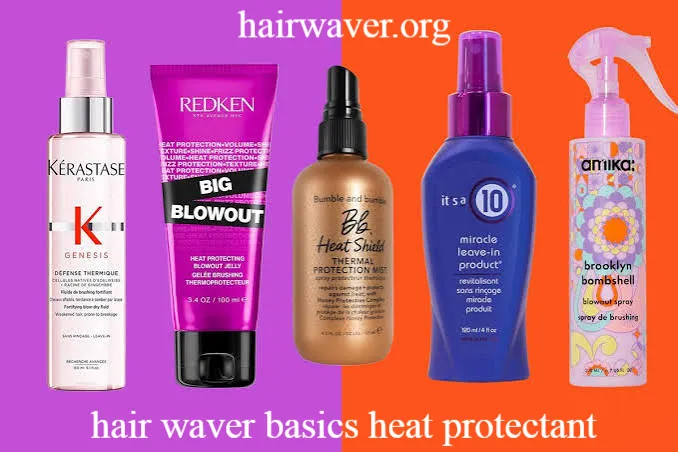
Fine hair does best with lightweight sprays rather than heavy creams. A spray formula absorbs quickly and will not leave hair looking flat or greasy. Look for products labeled weightless or featherlight, and avoid anything with heavy silicones that can cause buildup.
A good option for fine hair typically includes rice protein or panthenol, both of which add volume while still protecting against heat.
Which Heat Protectant Works For Thick Or Curly Hair?
Thick or curly hair usually benefits from cream or serum based protectants. These heavier formulas coat each strand more thoroughly, which matters since curly hair often takes longer to heat up and needs stronger, longer lasting protection.
Look for ingredients like argan oil, shea butter, or marula oil. These not only protect against heat but also help define curl pattern and fight frizz, which is a common concern for thicker, curlier textures.
Heat Protectant Comparison: Spray Vs Cream Vs Serum
Choosing the right format depends on your hair type and styling routine.
Spray: Best for fine to medium hair. Lightweight, fast drying, easy to apply evenly. Slightly less protection at very high heat settings.
Cream: Best for thick, coarse, or curly hair. Provides strong coverage and added moisture. Can feel heavy on fine strands if overused.
Serum: Best for adding shine along with protection. Works well as a finishing touch after spray or cream, especially for dry or frizz prone ends. source: Facebook · Cassidy Cahill Hairstylist
Many people actually combine formats, using a spray for even coverage and a small amount of serum on the ends for extra shine.
Expert Recommendations
Hairstylists generally recommend choosing a heat protectant rated for temperatures above what your tool actually reaches. If your waver goes up to 380 degrees, pick a protectant tested for 400 degrees or higher. This buffer gives you extra peace of mind.
It is also worth reapplying protectant if you are restyling hair later in the day, since the initial coating breaks down after several hours of exposure to air and touch.
Conclusion
So, do you need a heat protectant before using a hair waver basics heat protectant? Absolutely. It is a small step that makes a big difference in how healthy, shiny, and strong your hair stays over time. From understanding what heat protectant does to picking the right formula for your hair type and setting the correct temperature, every piece of this routine works together to protect your strands while still giving you those beautiful waves. Next time you reach for your hair waver, do not skip that protective spray or cream. Your future hair will thank you. Have a favorite heat protectant that works wonders for you? Share it with a friend who might need the tip.
FAQs
Does heat protectant really work? Yes, it reduces moisture loss and cuticle damage, though it does not make hair fully heat proof.
Can I use regular hair oil instead of heat protectant? Plain oils are not formulated to withstand high heat and can actually burn or damage hair when combined with hot tools.
How much heat protectant should I use? A dime sized amount for fine hair and a nickel sized amount for thick hair usually works well.
Should I apply heat protectant on wet or dry hair? Always apply to dry or nearly dry hair before using a hair waver.
Can heat protectant prevent all hair damage? No single product eliminates all damage, but it significantly lowers your risk when used consistently.
Is a higher heat setting always better for waves? Not necessarily. Matching heat to your hair type gives better results with less damage than simply using maximum heat.
Do I need heat protectant if I only wave my hair occasionally? It is still recommended, since even occasional heat exposure can cause damage without protection.
How long does heat protectant last on hair? Most formulas remain effective for several hours, so reapply if restyling later in the day.
Author Bio : Awais khan a beauty and hair care content writer who has spent years testing styling tools and product routines firsthand, sharing practical, tested advice to help readers style smarter and protect their hair from everyday heat damage.
email: johanharwen@314gmail.com
Author Name: Awais khan