Introduction
If you have ever stood in front of your mirror holding a hair waver and thought, “where do I even start?” you are not alone. Most people pick up a waver, turn it on, and hope for the best. But getting those effortless, beachy waves actually takes a little know-how. That is where hair waver basics faq come in.
This article answers the most common questions beginners ask about hair wavers. You will learn what a hair waver actually is, how to use it safely, what temperatures work best, and how to choose the right tool for your hair type. Whether your hair is fine and delicate or thick and stubborn, there is practical advice here for you. Let us get into it.
What Is a Hair Waver and How Is It Different from a Curling Iron?
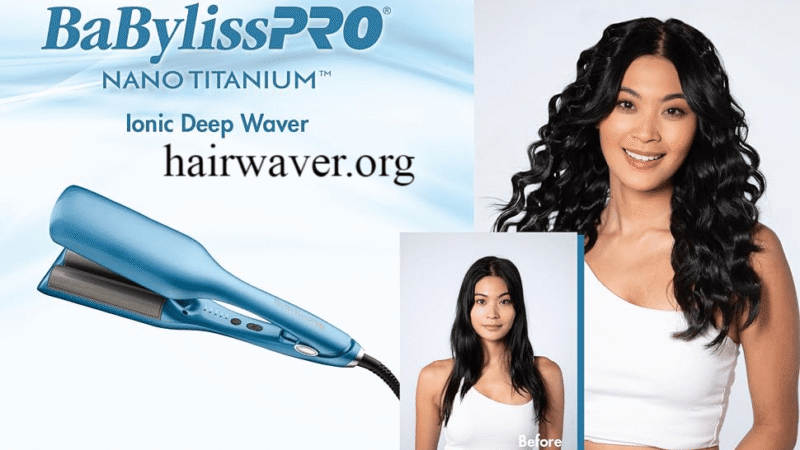
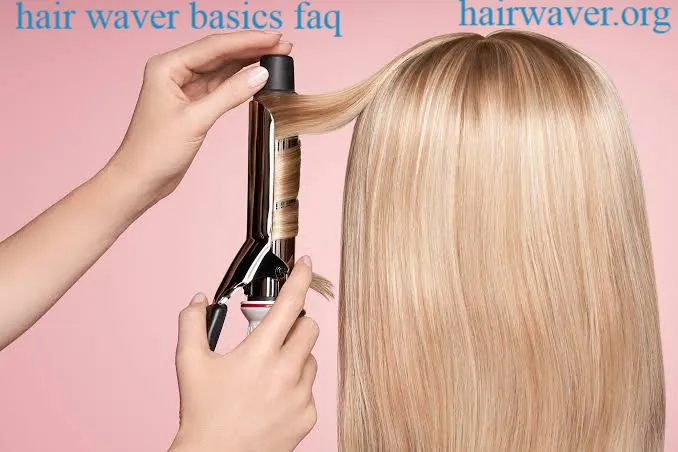
A hair waver is a styling tool with multiple barrel sections that create S-shaped waves instead of tight curls. Unlike a curling iron, which wraps hair around one barrel, a waver clamps hair across two or three barrels at once. The result is a relaxed, beachy wave pattern that looks natural and effortless.
Quick tip: If you want loose, undone waves rather than defined ringlets, a hair waver is your best friend.
What Are the Different Types of Hair Wavers?
Hair wavers generally come in three main styles based on barrel count and size.
Types to know:
- Triple barrel waver creates deep, uniform waves and is the most common type
- Double barrel waver (also called a crimper style) creates tighter ridges
- Single curved barrel creates one soft wave per section and suits fine hair best
The barrel size matters too. A 1-inch barrel works well for medium hair lengths. A 1.25-inch barrel suits longer, thicker hair beautifully.
What Temperature Should I Use on My Hair Waver?
Start at 300°F (150°C) for fine or damaged hair. Use 350°F (175°C) for normal hair. Go up to 400°F (200°C) only for thick or coarse hair that resists styling. Always begin at a lower setting and increase gradually. Higher heat speeds up styling but increases the risk of damage significantly.
Safety rule: Never exceed 450°F (230°C) on any hair type. That level of heat causes breakage and long-term damage.
How Do I Use a Hair Waver Step by Step?
Using a hair waver correctly makes a huge difference in your results. hairwaver
- Start with clean, fully dry hair. Wet or damp hair can sizzle and break.
- Apply a heat protectant spray evenly from mid-length to ends.
- Divide your hair into sections using clips. Smaller sections create more defined waves.
- Clamp the waver near the roots (not touching the scalp) and hold for 5 to 8 seconds.
- Release slowly and move down to the next section.
- Alternate the direction slightly for a more natural look.
- Allow hair to cool completely before touching or tossing it.
- Finish with a light-hold hairspray to lock in the shape.
Do I Need Heat Protectant Before Using a Hair Waver?
Yes, absolutely. Heat protectant is non-negotiable when using any hot styling tool. It creates a barrier between the heat and your hair shaft. This reduces moisture loss, prevents frizz, and minimizes breakage over time.
Tip for fine hair: Use a lightweight spray formula. Heavy creams or serums can weigh fine hair down and make waves fall flat quickly.
How Long Should I Hold the Hair Waver on Each Section?
Hold the waver for 5 to 8 seconds for most hair types. Fine hair needs only 3 to 5 seconds at a lower temperature. Thick or coarse hair may need up to 10 seconds at a higher setting. Going too long increases heat damage risk without adding much wave definition.
I always tell beginners: When in doubt, go shorter on the hold time. You can always re-wave a section. You cannot undo heat damage as easily. hairwaver
How Do I Get Waves That Last All Day?
Longevity depends on preparation and finishing. Start with a volumizing mousse or wave-enhancing foam before styling. Let each section cool in your hand after releasing the waver before dropping it. Finish with a flexible hold hairspray rather than a stiff one. Sleeping on a silk pillowcase also helps preserve waves overnight.
For fine hair: Waves tend to drop faster. Use a salt spray before styling to add grip and texture.
Can I Use a Hair Waver on Curly or Already Wavy Hair?
Yes, you can use a hair waver on naturally curly or wavy hair. It helps define and unify the wave pattern for a more polished look. Use a lower temperature (300°F or 150°C) since curly hair is often more porous and vulnerable to heat. Always apply heat protectant and avoid over-styling. source: The Beachwaver Co.
Pro tip: Stretch your natural curls gently with a brush before waving for a smoother, more consistent result.
How Often Can I Safely Use a Hair Waver?
Limit heat styling to two or three times per week at most. Daily use causes cumulative damage even with heat protectant. Give your hair recovery days in between. On off days, refresh your waves with a water and conditioner mix in a spray bottle, scrunch lightly, and let air dry.
Thick hair handles frequent styling slightly better than fine or chemically treated hair, but rest days still matter for everyone.
What Common Mistakes Should I Avoid with a Hair Waver?
These are the mistakes that lead to bad waves and damaged hair. source: Merrick’s Art
- Using the waver on damp or wet hair
- Skipping heat protectant to save time
- Holding the tool too long on each section
- Using the same heat setting for every hair type
- Not letting waves cool before touching them
- Starting too close to the scalp and risking burns
- Forgetting to clean the barrels regularly
Keeping the barrels clean from product buildup also improves heat distribution and extends the life of your tool.
How Do I Choose the Right Hair Waver for My Hair Type?
Match the tool to your hair texture and length. hairwaver
- Fine hair: Choose a waver with adjustable low temperatures and lightweight barrels
- Thick hair: Look for a waver with wide barrels and high heat capacity
- Short hair: A smaller barrel (around 0.75 to 1 inch) gives better control
- Long hair: A 1.25 inch or larger barrel covers more surface with each clamp
- Curly hair: Choose a tool with a wide heat range so you can start low and adjust
A ceramic or tourmaline barrel is a safe choice for most hair types because it distributes heat evenly and reduces frizz compared to metal barrels.
Conclusion
Mastering hair waver basics faq not complicated once you understand the fundamentals. Use the right temperature for your hair type, always protect your hair from heat, hold each section for the right amount of time, and let your waves set before touching them. These simple steps make a real difference in the quality and longevity of your waves.
Whether you are new to heat styling or just switching from a curling iron, a hair waver gives you a gorgeous, effortless look that works on almost every hair type. What is your biggest challenge when using a hair waver? Share your experience and let others learn from it too.
FAQs
1. What is a hair waver used for?
A hair waver creates S-shaped, beachy waves using multiple barrel sections. It is designed to give hair a relaxed, natural wave pattern that looks effortless. It works on most hair types and lengths, from fine and straight to thick and coarse.
2. Is a hair waver the same as a curling iron?
No. A curling iron wraps hair around one barrel to create curls. A hair waver clamps hair across two or three barrels to create waves. The result is softer and more textured rather than defined ringlets. Both tools use heat but produce very different looks.
3. Can beginners use a hair waver easily?
Yes, hair wavers are beginner friendly once you learn the basics. Section your hair, apply heat protectant, clamp for the right number of seconds, and release slowly. Practice on a lower heat setting first. Most people get comfortable with the technique after just two or three sessions.
4. What is the best heat setting for fine hair?
For fine hair, use between 250°F and 300°F (120°C to 150°C). Fine hair is more vulnerable to heat damage and needs less heat to wave effectively. Always use a heat protectant and keep hold time short, around 3 to 5 seconds per section.
5. How do I make my waves last longer?
Start with a texturizing product like mousse or salt spray. Let each section cool completely before releasing. Finish with a flexible hold spray. Avoid touching your waves too soon after styling. Silk pillowcases help preserve waves while you sleep.
6. Can I use a hair waver on chemically treated hair?
Yes, but with extra care. Chemically treated hair is more fragile and porous. Use the lowest effective temperature and always apply heat protectant. Limit waving to once or twice a week and focus on deep conditioning treatments between styling sessions.
7. What barrel size is best for medium length hair?
A 1-inch barrel is ideal for medium length hair. It creates waves that are proportionate to the hair length and easy to manage. If your hair is thicker, try a 1.25-inch barrel for faster and more even results.
Author Bio: Sarah Lennox is a certified hair stylist with over a decade of experience in salon and editorial styling. She specializes in heat styling techniques, hair health, and making professional tips accessible to everyday readers. When she is not behind the chair, she writes practical beauty guides to help people get salon-worthy results at home.
email: johanharwen@314gmail.com
Author Name: Sarah Lennox