Introduction
If you have ever stared at a hair waver at the store and thought, “will this actually work on my hair?” you are not alone. Most people pick one up, get home, and realize they have no idea where to start. The good news is that understanding hair waver basics results is a lot simpler than it looks once someone breaks it down for you.
A hair waver is one of the most underrated styling tools out there. It gives you that effortless beachy wave look without the complicated technique of a curling iron. Whether your hair is stick straight, thick and coarse, or super fine and delicate, a waver can work for you. The results depend on how you use it and what you realistically expect going in.
This article walks you through everything: what a hair waver actually is, how it works, what kind of results beginners can expect on different hair types, and how to use it step by step without frying your ends.
What Is a Hair Waver, Exactly?
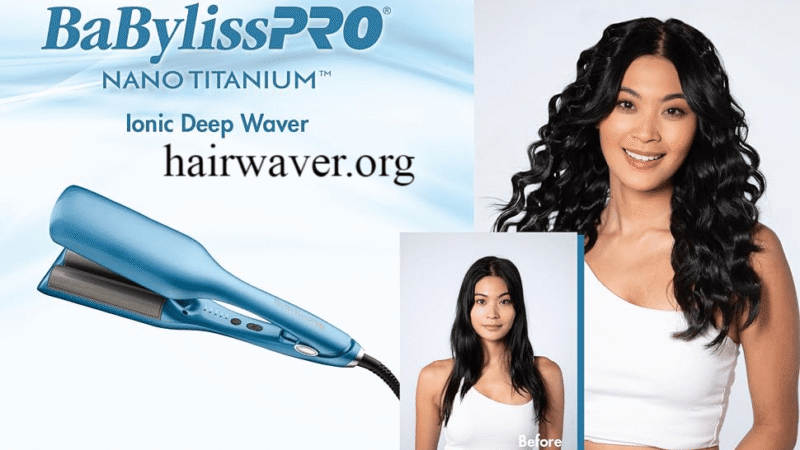
A hair waver is a heat styling tool that creates soft, S-shaped waves in your hair. Unlike a curling iron that wraps hair around a single barrel to create tight ringlets, a waver has multiple barrels, usually two or three, that crimp the hair into a flowing wave pattern.
The most common type is the triple barrel waver. It has three rounded cylinders side by side that you clamp your hair through in sections. The result is a series of connected waves that look like you just came back from the beach.
There are also double barrel wavers, which create slightly larger, more relaxed waves. Some newer models have interchangeable barrels so you can switch between wave sizes. It is a versatile tool that has gone from a niche styling accessory to a staple in many people’s everyday routine.
How Does a Hair Waver Work?
The science behind a hair waver is straightforward. Heat breaks down the hydrogen bonds in your hair temporarily, allowing the strand to take on a new shape. When the hair cools in that S shaped position, it holds the wave.
Here is the basic process happening inside the tool: source: Facebook · Cute Girls Hairstyles
The plates heat up to a set temperature, usually somewhere between 300 and 420 degrees Fahrenheit. You clamp a section of hair between the barrels. Heat transfers to the hair shaft and softens those internal bonds. You hold it for a few seconds, release, and let the wave set as it cools.
The key variable is how long you hold the clamp and how hot the tool is. Too little heat or too short a hold time, and the wave falls out fast. Too much heat, and you risk drying out or damaging the hair.
Step by Step Beginner Guide to Using a Hair Waver
Getting great hair waver basics results your first time takes a little patience. Follow these steps and you will avoid the most common rookie mistakes.
Step 1: Start with clean, dry hair Never use a hair waver on wet or damp hair. Wet hair plus high heat is a recipe for breakage and even burning. Wash and fully dry your hair first, or use it on second day hair.
Step 2: Apply a heat protectant This step is non-negotiable. Spray or work a heat protectant evenly through your hair before you start. It creates a barrier between the heat and your strands.
Step 3: Section your hair Clip the top layers up and work from the bottom. Smaller sections give you more defined waves. Bigger sections give you something looser and more relaxed.
Step 4: Set your temperature Fine or color treated hair does best around 300 to 350 degrees. Normal hair can handle 350 to 380 degrees. Thick or coarse hair may need up to 400 to 420 degrees.
Step 5: Clamp and hold Place a section of hair between the barrels close to the roots. Clamp down gently and hold for 5 to 10 seconds. Release and move to the next section without pulling.
Step 6: Let it cool before touching This part trips a lot of beginners up. The wave sets as it cools, not while it is hot. Give each section a moment before you run your fingers through it.
Step 7: Finish with a light hold product A light texturizing spray or a small amount of sea salt spray helps the waves last longer. Avoid heavy products that weigh the waves down.
What Results Can You Expect on Different Hair Types?
Expected Results on Straight Hair
If your hair is naturally straight, you will probably see some of the most dramatic transformations with a waver. Straight hair takes the wave shape very easily because there is no natural curl pattern fighting against it. hairwaver
That said, straight hair also tends to drop waves faster than naturally wavy or curly hair. You may find the waves last a few hours on their own. Using a light hold spray and avoiding heavy conditioners on your ends before styling can help them stay longer.
Expected Results on Thick Hair
Thick hair holds waves beautifully once they are set. The challenge is getting enough heat all the way through each section. You will need to either use higher heat settings or work with thinner sections.
The good news is that once thick hair holds a wave, it tends to last. Many people with thick hair find their waver results look great even the next morning. Give each section a bit more time in the clamp, around 8 to 10 seconds, and be patient with yourself. hairwaver
Expected Results on Fine Hair
Fine hair is the trickiest hair type for heat styling. It picks up waves quickly, which sounds great, but it is also the most vulnerable to heat damage. Using a lower temperature setting is essential here.
The waves on fine hair may not last as long as on thicker hair types, but they can look incredibly soft and natural. A volumizing spray before you start and a light hold spray after can make a real difference. I personally recommend skipping the waver on freshly washed fine hair and waiting for day two when there is a little natural oil to protect the strands.
How Long Do Hair Waver Curls Last?
This depends on your hair type, the products you use, and the climate you live in. In general, hair waver waves last anywhere from a few hours to a full day. Here is a rough breakdown:
Fine hair: 2 to 4 hours without product, up to 6 with a hold spray. Normal hair: 6 to 10 hours with proper technique and product. Thick or coarse hair: 8 to 12 hours or even overnight.
Humidity is the enemy of any wave or curl. If you live somewhere humid, a light anti humidity spray can help. Sleeping with your waves loosely pinned up can also extend them into the next day.
Does a Hair Waver Damage Hair?
Any heat tool has the potential to cause damage if used incorrectly. But a hair waver used properly is no more damaging than a flat iron or curling wand.
The biggest risk factors are using it on wet hair, skipping heat protectant, using temperatures too high for your hair type, and holding the clamp for too long. Avoid all four of those mistakes and your hair will be just fine. source: Merrick’s Art
Giving your hair a break from heat tools a few days per week also helps. Deep conditioning once a week keeps your strands strong and resilient enough to handle regular styling.
Conclusion
A hair waver is genuinely one of the most beginner friendly heat tools you can own. Once you understand the hair waver basics results for your specific hair type, you will wonder why you waited so long to try it. Start with the right temperature, always protect your hair from heat, and be patient while you build the skill.
The waves get better with practice. Your first try might not be perfect and that is completely normal. Keep at it and within a few sessions you will have a routine that works every time.
Have you tried a hair waver before? What was your experience like on your first attempt? Share your thoughts and help someone else feel more confident going in.
Frequently Asked Questions
Q: Can I use a hair waver on hair extensions? A: Yes, but only on heat safe extensions. Always check the manufacturer guidelines and use lower heat settings to protect them.
Q: How often should beginners use a hair waver? A: Starting with two to three times per week gives your hair time to recover between sessions. Daily use is fine once you have your technique down and are using proper protection.
Q: Do I need to curl all my hair or just the top layer? A: For the most natural look, wave all layers. However, if you are short on time, focusing on the top and face framing sections makes a big visual difference.
Q: Is a two barrel or three barrel waver better for beginners? A: Most beginners find the three barrel waver easier because it guides the hair into the wave pattern more automatically. A two barrel requires a bit more technique.
Q: Can I use a hair waver on curly hair? A: Yes. On naturally curly hair, a waver can smooth out the curl pattern into a more uniform wave, which many people love for a polished look.
Q: How do I clean my hair waver? A: Let it cool completely, then wipe the barrels with a damp cloth to remove product buildup. Never submerge it in water.
Q: Should I brush my hair after using a waver? A: Only use your fingers or a wide tooth comb to gently separate waves. A brush will break up the wave pattern and cause frizz.
Q: What is the best hair waver temperature for beginners? A: Starting at around 350 degrees Fahrenheit is a safe middle ground for most hair types. You can adjust up or down from there based on your results.
Q: Does a hair waver work on short hair? A: It works best on hair that is at least shoulder length. On shorter hair, the barrels may be too large to get a clean grip, though some mini wavers are designed for shorter lengths.
Q: Why do my waves fall out so fast? A: The most common reasons are using a waver on too low a temperature, not holding long enough, or using heavy products that weigh the waves down. Try slightly higher heat and lighter finishing products.
About the Author : Sarah Mitchell is a beauty writer and hair care enthusiast with over eight years of experience covering styling tools, product reviews, and hair health. She has contributed to several lifestyle and beauty publications and is passionate about making hair styling simple and accessible for everyone. When she is not testing the latest tools, she is exploring new techniques to share with her readers.
email: johanharwen@314gmail.com
Author Name: Sarah Mitchell