Introduction
Your hair already feels fragile. Split ends, dryness, and breakage make you nervous about reaching for any heat tool. Yet you still want those beautiful waves everyone loves. Understanding hair waver basics damaged hair techniques allows you to style safely without causing additional harm.
Many people assume damaged hair means avoiding heat styling entirely. That is not necessarily true. With proper knowledge and careful technique, you can still achieve gorgeous waves while protecting your hair health.
This guide covers everything you need to know about using a hair waver safely on damaged hair. You will learn proper temperatures, protective techniques, and expert recommendations that keep your strands as healthy as possible while achieving beautiful results.
What Is a Hair Waver?
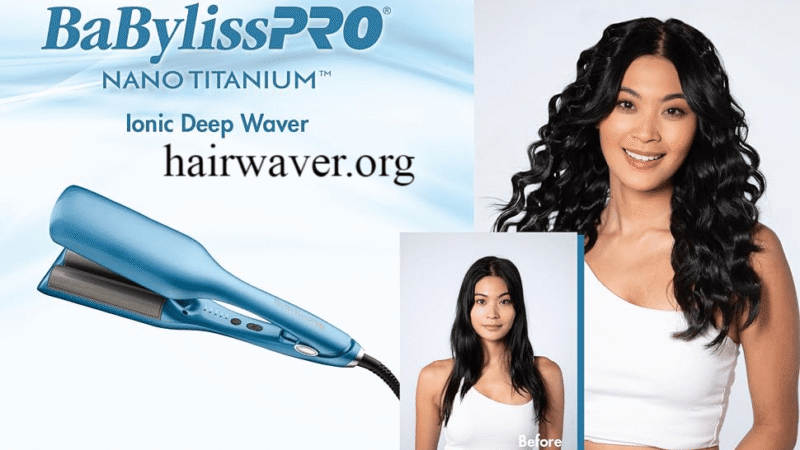
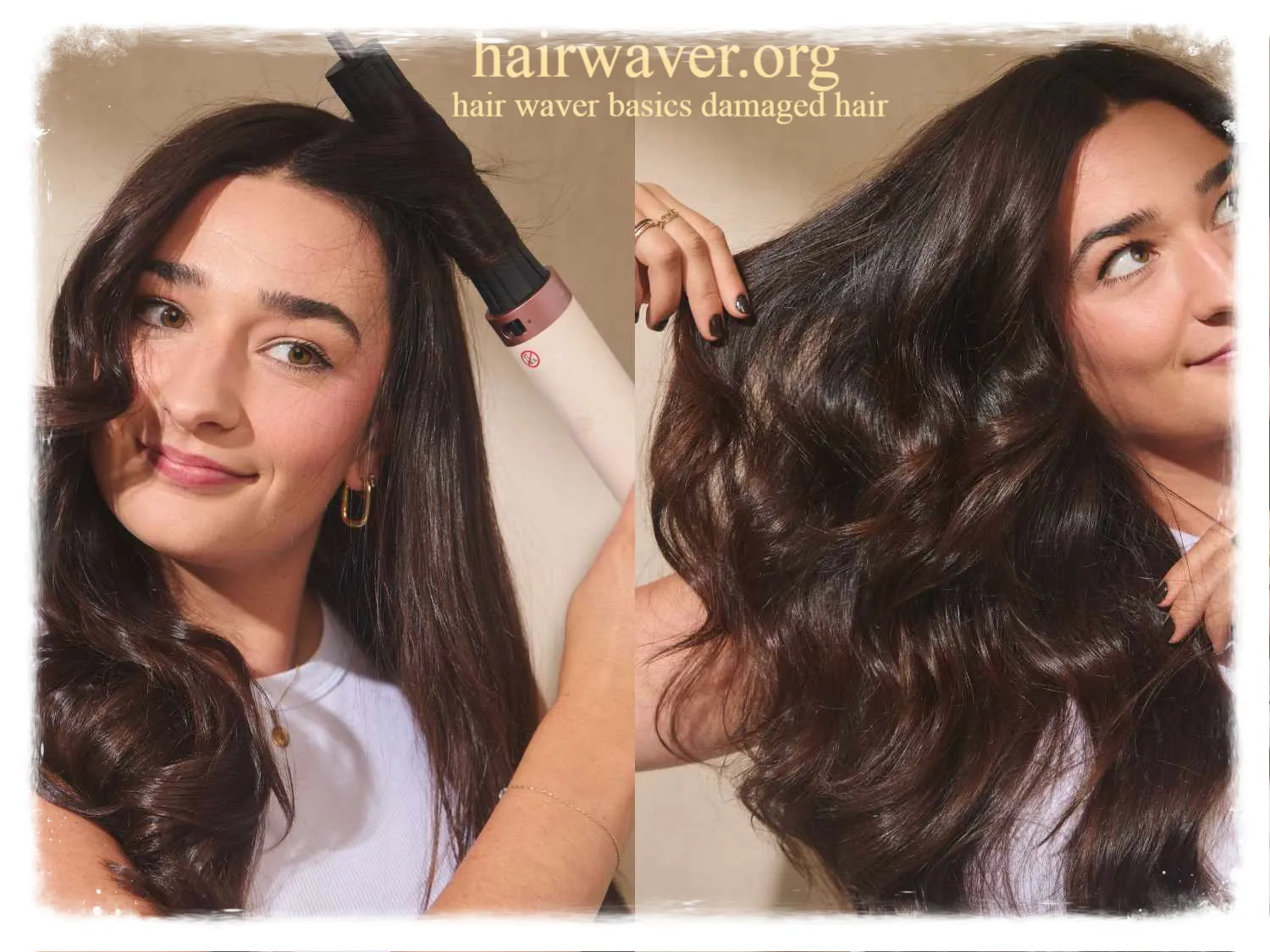
A hair waver is a styling tool that creates consistent, uniform waves using heated plates or barrels. Unlike traditional curling irons that wrap hair around a cylindrical barrel, wavers typically use interlocking plates that press and shape hair into distinct wave patterns.
These tools come in various plate shapes including deep waves, beach waves, and crimped textures. The design creates more consistent results than curling irons, especially for beginners still developing their technique. hairwaver
Hair wavers generally heat up faster than curling irons and often reach lower maximum temperatures. This characteristic makes them potentially gentler options, though proper usage still matters significantly for hair health.
Can You Use a Hair Waver on Damaged Hair?
Yes, you can use a hair waver on damaged hair, but you need modified techniques and extra precautions. Damaged hair has compromised protein structure, making it more vulnerable to heat exposure than healthy hair.
The key lies in reducing heat exposure time and using lower temperatures than you might use on healthy hair. Damaged strands cannot handle the same heat levels without risking further breakage or split ends.
I always recommend starting with a strand test before styling your entire head. Apply the waver to a small, hidden section first. This test reveals how your specific hair type and damage level responds before committing to full styling.
What Temperature Is Safest for Damaged Hair?
Best Temperature for Damaged Hair
For damaged hair, keep your hair waver between 250 and 300 degrees Fahrenheit. This range provides enough heat to create waves without excessive protein damage. Healthy hair can typically handle temperatures up to 400 degrees, but damaged hair requires significantly more caution.
Fine or severely damaged hair should stay closer to 250 degrees. Thicker or moderately damaged hair can sometimes handle up to 300 degrees safely. Always start at the lower end and increase only if necessary for your desired style.
Signs Your Temperature Is Too High
Watch for these warning signs during styling: hairwaver
- Sizzling sounds when the tool touches hair
- Visible steam beyond normal moisture evaporation
- Hair feeling brittle or straw like after styling
- Increased frizz or flyaways post styling
- Burnt smell during the styling process
If you notice any of these signs, immediately lower your temperature setting. Your hair is telling you something important about its current tolerance level.
Does a Hair Waver Damage Hair More Than a Curling Iron?
This comparison depends heavily on usage technique rather than the tool itself. Both tools use heat to reshape hair, and both can cause damage when used improperly.
Hair wavers often require less time per section since they create waves more quickly than manual curling techniques. This reduced exposure time can actually make wavers gentler in practice, even though the tools themselves are similar in heat capability.
However, the plate design in wavers creates more direct, concentrated contact with hair strands. This concentrated pressure means technique matters enormously. Moving too slowly or gripping too tightly can cause more localized damage than a curling iron might create.
How Can I Protect Damaged Hair Before Heat Styling?
Heat Protectant Recommendations
Always apply heat protectant before using any hot tool on damaged hair. Look for products containing ingredients like dimethicone, cyclomethicone, or amodimethicone. These silicones create a protective barrier between heat and your hair shaft. source: Tymo Beauty
Effective options include lightweight sprays for fine damaged hair and creamier formulas for thick or coarse damaged hair. Apply evenly throughout damp or dry hair before styling, focusing extra product on the most damaged sections like ends.
Products containing keratin or protein complexes offer additional benefits beyond heat protection. These ingredients temporarily fill gaps in damaged hair cuticles, improving both protection and styling results.
Pre Styling Preparation Steps
Follow these steps before picking up your hair waver:
- Wash and condition hair using products designed for damaged strands
- Apply a leave in conditioner or hair mask if extremely damaged
- Detangle thoroughly using a wide tooth comb
- Apply heat protectant evenly throughout hair
- Allow hair to fully air dry or blow dry completely
- Section hair for organized, efficient styling
Never apply heat tools to damp hair. This common mistake causes significant damage as water inside the hair shaft essentially boils, creating steam that damages internal hair structure.
Is a Hair Waver Safe for Damaged Hair?
A hair waver can be safe for damaged hair when you follow proper precautions. Safety depends on temperature control, protective products, and limiting styling frequency rather than avoiding the tool entirely.
Ceramic and tourmaline plates generally offer safer options than basic metal plates for damaged hair. These materials distribute heat more evenly, reducing hot spots that can cause concentrated damage.
Ceramic vs Tourmaline Comparison
Ceramic plates heat evenly and retain consistent temperature throughout styling sessions. This consistency prevents the temperature spikes that damage fragile hair. Ceramic works well for most damaged hair types and represents a reliable, affordable option.
Tourmaline plates take this technology further by emitting negative ions during heating. These ions help seal the hair cuticle, potentially reducing frizz and improving shine even on damaged strands. Tourmaline often costs more but provides additional smoothing benefits. source: Instagram · shreya_r_pathak_1723
For severely damaged hair, tourmaline plates may offer superior results due to their cuticle sealing properties. For moderately damaged hair, quality ceramic plates provide excellent, budget friendly protection.
Weekly Heat Styling Frequency
Limiting heat styling frequency significantly impacts hair health recovery. For damaged hair, aim for maximum two to three heat styling sessions per week. This frequency allows hair time to recover between exposures.
Consider these guidelines based on damage severity: hairwaver
- Mild damage: Up to 3 times weekly with proper protection
- Moderate damage: 2 times weekly maximum
- Severe damage: Once weekly or less, prioritizing repair treatments
Between styling sessions, focus on deep conditioning treatments and protein treatments that help rebuild hair strength. This recovery time proves essential for preventing cumulative damage that worsens over time.
Many people find alternating heat styling days with protective styles like braids or buns helps reduce overall heat exposure while still achieving variety in their look.
Additional Tips for Styling Damaged Hair Safely
Technique Matters
Move your hair waver smoothly and consistently through each section. Avoid holding the tool in one spot for extended periods, even at lower temperatures. Quick, confident movements reduce cumulative heat exposure per strand.
Work with smaller sections rather than attempting to style large chunks of hair at once. Smaller sections require less time per pass, reducing overall heat exposure while improving styling consistency.
Post Styling Care
After using your hair waver, apply a lightweight oil or serum to seal in moisture and add shine. Avoid touching or restyling hair immediately after heat exposure, as this can disrupt the cuticle while it is still vulnerable. hairwaver
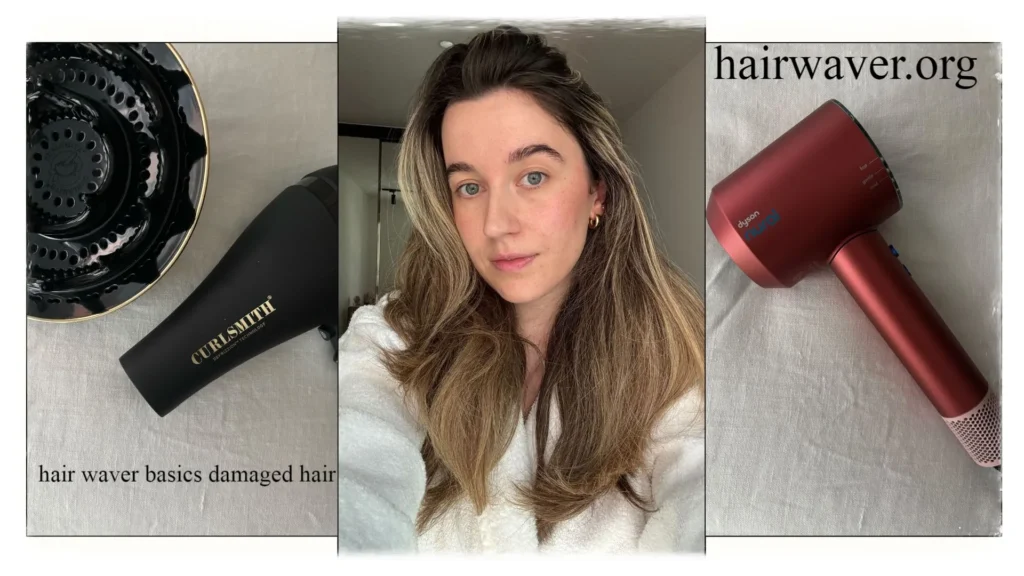
Consider using cool air from your blow dryer briefly after heat styling to help set the style while cooling the hair shaft faster. This technique may help lock in waves while minimizing prolonged heat exposure.
Conclusion
Hair waver basics damaged hair techniques center around temperature control, proper protection, and mindful frequency. You do not need to abandon heat styling entirely, but you do need modified approaches that prioritize hair health alongside beautiful results.
Remember these key takeaways: keep temperatures between 250 and 300 degrees, always use heat protectant, choose ceramic or tourmaline plates, and limit styling to two or three times weekly for damaged hair.
What has your experience been with heat styling damaged hair? Share your favorite protective products or techniques in the comments below, and let others benefit from what has worked for you.
FAQs
1. Can I use a hair waver on chemically damaged hair?
Yes, but use extra caution with lower temperatures around 250 degrees. Chemically damaged hair from bleaching or coloring requires additional protection and reduced heat exposure compared to other damage types.
2. How long should I hold my hair waver on each section?
For damaged hair, limit contact time to 3 to 5 seconds per section. Longer exposure increases damage risk significantly, especially at higher temperatures.
3. Should I use a hair waver on wet hair?
Never use heat tools on wet or damp hair. This causes severe damage as trapped water essentially boils inside the hair shaft. Always ensure hair is completely dry before styling.
4. What ingredients should I avoid in heat protectants for damaged hair?
Avoid products containing high alcohol content, which can further dry damaged hair. Look for silicone based or oil based formulas instead for better moisture retention.
5. Can heat styling completely repair damaged hair?
No, heat styling cannot repair damage. However, using protective techniques prevents additional damage while you pursue repair through conditioning treatments, trims, and reduced chemical processing.
Hair Waver Basics Straight Hair
About the Author : Rachel Anderson is a licensed cosmetologist and hair care specialist with eight years of experience helping clients restore and maintain healthy hair. She specializes in heat styling techniques for damaged and chemically treated hair. Rachel believes that proper education empowers people to enjoy beautiful hairstyles without sacrificing hair health. When not working with clients, she creates educational content about safe styling practices and hair repair techniques.
email: johanharwen@314gmail.com
Author Name: Rachel Anderson