Introduction
If you have thin hair, you already know the struggle. One wrong move with a hot tool and your strands feel like straw for a week. That is exactly why learning hair waver basics thin hair routines matter so much before you even plug in the device. Thin hair is more fragile, it heats up faster, and it needs a gentler touch than thicker hair types.
The good news is that you do not have to give up on waves just because your hair is delicate. With the right waver, the right temperature, and a few smart habits, you can get soft, bouncy waves that actually last. In this article, we will walk through everything you need to know, from choosing the best tool for fine strands to protecting your hair so it stays healthy in the long run.
What Is the Best Hair Waver for Thin Hair?
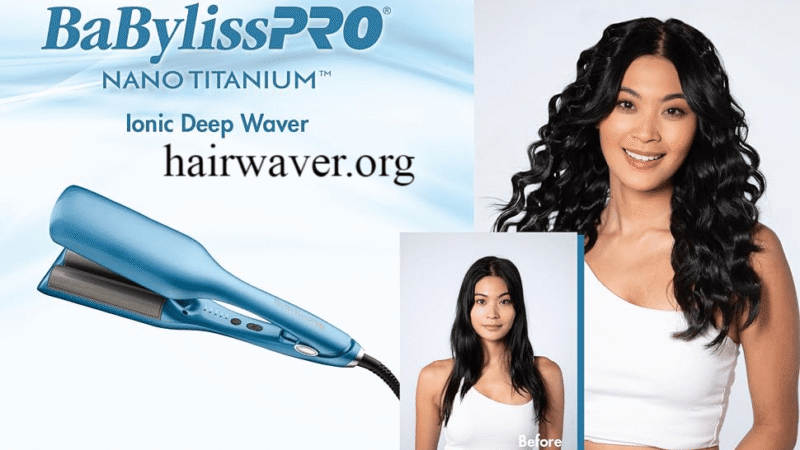
When it comes to hair waver basics thin hair users need to focus on, the tool itself is where everything starts. Not every waver is built the same, and thin hair responds best to specific features.
Look for a waver with these qualities. source: Instagram · lauradalebeauty
- A smaller barrel size, usually between 25mm and 32mm, since thin hair holds curl better on narrower barrels
- Ceramic or tourmaline plates, because they distribute heat evenly and reduce hot spots that can fry fine strands
- Adjustable temperature settings, so you are not stuck with one blazing hot option
- A lightweight design, which makes it easier to control and reduces the chance of lingering too long in one spot
Titanium wavers heat up fast and get very hot, which sounds convenient but is often too intense for fine hair. Ceramic tends to be gentler and more forgiving, which makes it a safer starting point if your hair is on the thinner side.
Can a Hair Waver Damage Thin Hair?
Yes, it can, but only if you are not careful. Thin hair has less natural protection than thicker hair, so heat penetrates faster and can cause dryness, breakage, and split ends. I have seen this happen firsthand when I used to crank the heat up out of habit, thinking hotter meant faster results. It just meant more damage.
The truth is that thin hair does not need extreme heat to hold a wave. It actually curls more easily than thick, coarse hair, so you can get great results with lower settings. Damage usually happens because of high heat, too much pressure on the plates, or repeating the same section over and over.
What Temperature Should I Use on Fine Hair?
This is one of the most searched hair waver basics thin hair questions, and for good reason. Temperature makes or breaks your results.
As a general guide:
- Fine or thin hair: 250°F to 300°F
- Medium hair: 300°F to 350°F
- Thick or coarse hair: 350°F to 400°F
If your hair is also color treated or chemically processed, stay closer to the lower end of that range. Processed hair is already weaker, so it cannot handle the same heat as untouched strands.
How Long Should I Hold a Hair Waver on Thin Hair?
Timing matters just as much as temperature. For thin hair, five to eight seconds per section is usually enough. Thicker hair might need ten to fifteen seconds because it takes longer for heat to reach the core of the strand, but fine hair heats up almost instantly.
Holding the waver too long is one of the fastest ways to cause breakage. If you find your waves are not holding even after eight seconds, the issue is more likely your technique or hair prep, not the timing.
How Can I Make Waves Last All Day?
Nobody wants to style their hair in the morning only to watch the waves fall flat by lunch. Here are a few tips that actually work.
- Start with clean, dry hair, since product buildup and moisture both work against curl retention.
- Use a heat protectant with a light hold spray or mousse before styling.
- Wave small sections at a time instead of grabbing big chunks of hair.
- Let each curl cool completely before touching it, ideally by pinning it up for a minute.
- Finish with a light mist of flexible hold hairspray, focusing on the mid lengths and ends.
Letting the hair cool in its curled shape is honestly the step most people skip, and it makes a bigger difference than almost anything else on this list.
Who Should Use a Hair Waver?
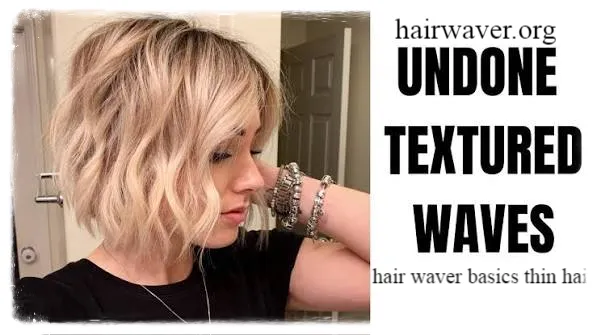
Almost anyone can use a hair waver, but it is especially great for people who want soft, natural looking texture without a full curling iron look. If your hair falls flat quickly or lacks movement, a waver can add volume and shape without looking overly done.
It also works well for people with shoulder length to long hair, since shorter styles sometimes struggle to hold the wave pattern.
Who Should Avoid Frequent Heat Styling?
Not everyone should reach for a hot tool every single day. You might want to cut back or skip heat styling altogether if any of these apply to you. source: Who What Wear
- Your hair is already damaged, brittle, or prone to breakage
- You have recently bleached, permed, or chemically straightened your hair
- You are noticing more shedding or thinning than usual
- Your ends are dry and split no matter how often you trim them
If this sounds like you, it does not mean waves are off the table forever. It just means giving your hair breaks between styling sessions and focusing on repair treatments in between.
Which Hair Waver Type Is Best for Thin Hair?
Beyond barrel size, the type of waver matters too. Triple barrel wavers create a beachy, crimped texture and tend to be gentle since they touch less hair at once. Deep wavers give a more defined, retro style wave but can require slightly more heat exposure. Double barrel wavers sit somewhere in the middle and are a solid choice for beginners.
For most people asking about hair waver basics thin hair should follow, a triple barrel ceramic waver on a lower heat setting tends to be the safest and most flattering option.
When Should You Use Lower Heat Settings?
Lower heat settings are not just for thin hair days. You should reach for them whenever your hair feels extra dry, when it is freshly washed and more porous, or when you are styling more delicate areas like your hairline and ends. If you are unsure, always start low. You can slowly increase the temperature if your hair is not holding a curl, but you cannot undo heat damage once it happens.
Why Is Heat Protection Important?
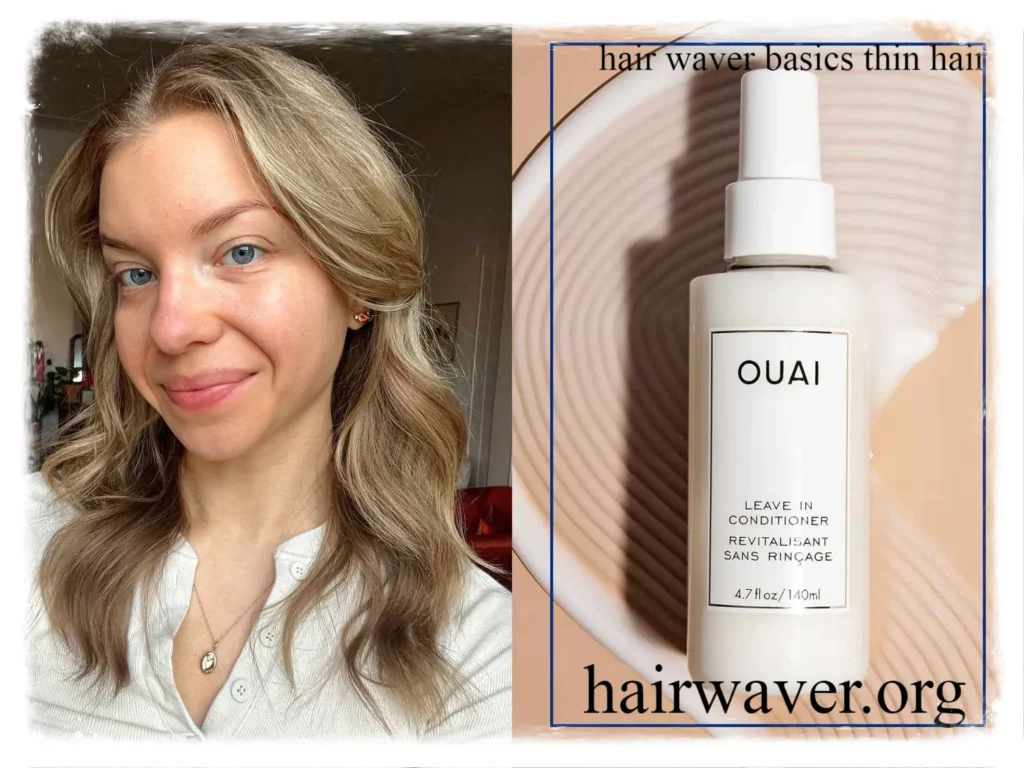
Heat protectant spray creates a barrier between your hair and the hot plates, reducing moisture loss and shielding the hair shaft from direct heat damage. Skipping this step is a bit like walking into the sun without sunscreen. You might be fine once, but repeated exposure adds up fast.
A good heat protectant also helps your waves glide smoothly through the tool, which reduces friction and snagging, something thin hair is especially prone to.
Conclusion
Getting soft, healthy waves with thin hair really comes down to a few simple choices. Pick the right waver, keep your temperature moderate, do not overhold each section, and always protect your hair before you style. These hair waver basics thin hair routines are not complicated once you get the hang of them, and your hair will thank you for it.
Have you tried waving your thin hair before? What worked and what did not? Feel free to share your experience or pass this along to a friend who is still on the fence about trying a waver.
FAQs
Is a hair waver bad for thin hair?
Not if used correctly. Lower heat, shorter hold times, and heat protectant make it safe for most thin hair types.
How often should I use a hair waver on thin hair?
Two to three times a week is generally safe. Daily use without breaks can lead to dryness over time.
Do I need a heat protectant every time?
Yes. Even a light spray helps reduce moisture loss and keeps your strands from becoming brittle.
Can I wave wet hair?
No. Always style on completely dry hair. Wet or damp hair styled with heat can cause serious damage.
What barrel size is best for fine, thin hair?
Around 25mm to 32mm tends to give the most natural, long lasting wave on fine strands.
About the Author : Our beauty and hair care contributor writes practical, easy to follow guides for everyday styling. With a focus on real results and healthy hair habits, they help readers make confident choices about the tools and techniques that work best for their hair type.
email: johanharwen@314gmail.com
Author Name: Our beauty