
Introduction
If you have long hair and you have ever stared at a hair waver wondering whether it will help you or hurt you, you are not alone. hair waver basics long hair sound simple until you actually pick up the tool and realize there are barrel sizes, heat settings, and sectioning techniques you never thought about. The good news is that once you understand the fundamentals, waving long hair becomes almost effortless. You do not need to be a professional stylist to get salon looking waves at home.
This article walks you through everything you need to know. We will cover which waver works best for long hair, how to actually use one without burning your fingers, whether beginners can pull it off, and how to protect your strands from heat damage along the way. By the end, you will feel confident enough to create beautiful beach waves or deeper, more defined waves whenever you want them.
What Is the Best Hair Waver for Long Hair?
Not every waver is built the same, and long hair has its own set of needs. Because there is simply more hair to work with, you want a tool that can handle volume without taking forever. source: paige ditullio
Here is what to look for. VISIT…
Barrel Material Matters
Ceramic and tourmaline barrels distribute heat evenly and reduce frizz. Titanium barrels heat up faster and hold heat longer, which is great if your hair is thick. Cheaper metal barrels tend to create hot spots that can scorch your hair unevenly.
Look for Adjustable Heat Settings
Long hair often needs slightly higher heat to hold a curl, but you still want control. A waver with a range from about 300 to 400 degrees Fahrenheit gives you flexibility depending on your hair type.
Consider the Number of Barrels
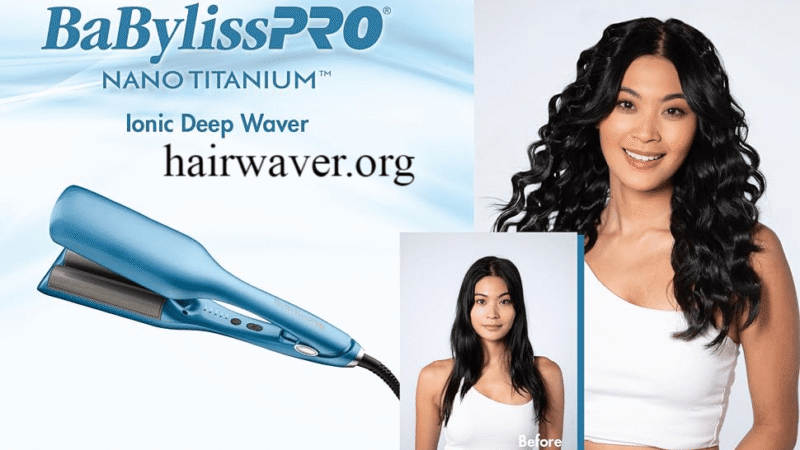
Some wavers use a single deep barrel, while others use three or more smaller barrels to create that crimped, mermaid style wave. For long hair, a three barrel waver often works fastest since it grabs more hair per section.
How Do You Use a Hair Waver on Long Hair?
This is where most people get stuck, so let us break it into simple steps. VISIT…
- Start with clean, dry hair. Damp hair can sizzle and cause damage.
- Apply a heat protectant spray from roots to ends. This is a step you should never skip.
- Section your hair into four to six parts using clips. Long hair holds a lot of volume, so smaller sections give you cleaner waves.
- Starting about an inch from your roots, clamp the waver and hold for about eight to ten seconds.
- Release and let the wave cool in your hand before moving to the next section.
- Work your way down and around your head, alternating direction slightly for a natural look.
- Once finished, run your fingers through the waves gently. Avoid brushing right away since that can loosen the pattern.
I have found that working in smaller sections, even though it takes a bit longer, gives a far more polished result than rushing through large chunks of hair.
Tips for Long Hair Specifically
- Use a clip to hold the top half of your hair up while you work on the bottom layers first.
- Alternate the direction you clamp the waver so your waves do not look uniform or robotic.
- Let each section cool completely before touching it, since heat styling actually sets while cooling, not while hot.
Can Beginners Use a Hair Waver?
Absolutely. Hair wavers are actually more beginner friendly than curling wands in many ways because the clamping mechanism holds your hair in place for you. There is less guesswork involved compared to wrapping hair around a wand freehand.
That said, here are a few beginner mistakes to avoid. hairwaver
- Do not start on the highest heat setting. Begin lower and increase only if needed.
- Do not grab sections that are too thick. Thinner sections wave more evenly.
- Do not skip the heat protectant spray, even if you are in a rush.
- Do not hold the waver in one spot for too long, since this increases the risk of damage.
Practice really does make a difference here. Your first few tries might feel a little clumsy, but most people get the hang of it within two or three sessions.
Is a Hair Waver Damaging to Long Hair?
Any heat styling tool carries some risk, and a hair waver is no exception. Long hair often has older, more fragile ends simply because those ends have been through more washing, brushing, and styling over time. However, damage is largely preventable with the right habits.
How to Minimize Damage
- Always use a heat protectant spray before styling. This creates a barrier between your hair and the heat.
- Avoid waving your hair every single day. Give your strands a break between styling sessions.
- Keep the temperature as low as possible while still achieving the wave you want.
- Deep condition regularly, especially if you style with heat often.
- Trim your ends every couple of months to keep damage from traveling up the hair shaft.
Research on heat styling consistently shows that repeated exposure above 400 degrees Fahrenheit weakens the protein structure in hair, which is why protectant spray and moderate heat settings matter so much for long hair specifically.
Which Barrel Size Is Best for Long Hair?
Barrel size determines the size and tightness of your wave, so this decision shapes your entire look.
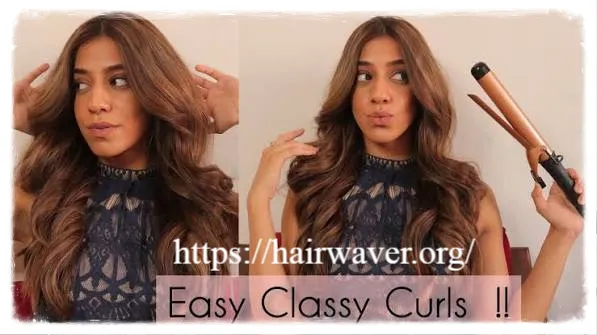
- Smaller barrels, around three quarters of an inch, create tighter, more defined deep waves. These work well for shorter styling sessions and hold longer.
- Medium barrels, around one inch, strike a balance and are great for everyday beach waves.
- Larger barrels, over one and a quarter inches, create loose, relaxed waves that suit long hair beautifully since gravity naturally stretches the curl over time.
If you are going for that effortless beach waves look, a slightly larger barrel usually gives you the most natural result on long hair. If you want something closer to deep waves with more texture and hold, go smaller.
Beach Waves Versus Deep Waves
It helps to know the difference before you pick up your waver. hairwaver
Beach waves are loose, tousled, and give an undone vibe. They usually use larger barrels and less product for a lived in look.
Deep waves are more defined, closer together, and often styled with a bit of texturizing spray for added grip. They tend to use smaller or medium barrels and hold their shape longer.
Both looks work wonderfully on long hair. The one you choose really just depends on the vibe you are going for that day.
Final Thoughts
Getting comfortable with hair waver basics long hair really comes down to a few core things. Pick the right barrel size for the wave you want, always protect your hair with a heat protectant spray, work in manageable sections, and let each wave cool before moving on. Whether you are a total beginner or just new to waving long hair specifically, these fundamentals will get you consistent, pretty results without frying your strands.
What kind of wave are you hoping to try first, soft beach waves or those deeper, more defined ones? Give these tips a shot and see how your long hair responds. And if this helped you out, feel free to share it with a friend who is also figuring out their waver.
FAQs
Do I need a special waver just for long hair?
Not necessarily, but a waver with adjustable heat and a sturdy barrel handles the extra length and volume more comfortably.
How long does a wave on long hair last?
With the right prep and a lightweight hairspray, waves typically last one to two days depending on your hair type and humidity.
Should I wave my hair before or after it dries completely?
Always wave completely dry hair. Styling damp hair with heat tools can cause serious damage.
Can I use a hair waver on fine long hair?
Yes, just use a lower heat setting and smaller sections since fine hair is more prone to heat damage.
What is the ideal heat setting for long, thick hair?
Thick hair usually needs around 380 to 400 degrees Fahrenheit to hold a wave properly.
also read: hairwaver.org
email: johanharwen@314gmail.com
Author Name: Our beauty
About the Author: Our beauty and hair care contributor has spent years testing styling tools and writing practical, easy to follow guides for everyday hair routines. She believes great hair days should not require a professional stylist, just the right tools and a little know how.