Introduction
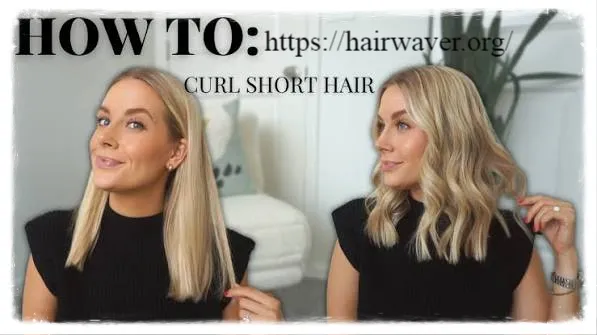
You just got a chic short haircut, and now you want those effortless, beachy waves you keep seeing online. The good news? hair waver basics short hair are easier to master than you think, even if your hair barely reaches your shoulders.
Many people assume waving tools only work on long hair, but that is simply not true. With the right technique and the correct barrel size, you can create gorgeous texture and movement on short styles too. This guide walks you through everything you need to know, from choosing the right tool to mastering technique, plus recommendations for wherever you live in the world.
By the end, you will understand exactly how to wave short hair confidently and safely, without frying your strands or ending up with awkward, uneven curls.
What Is a Hair Waver?
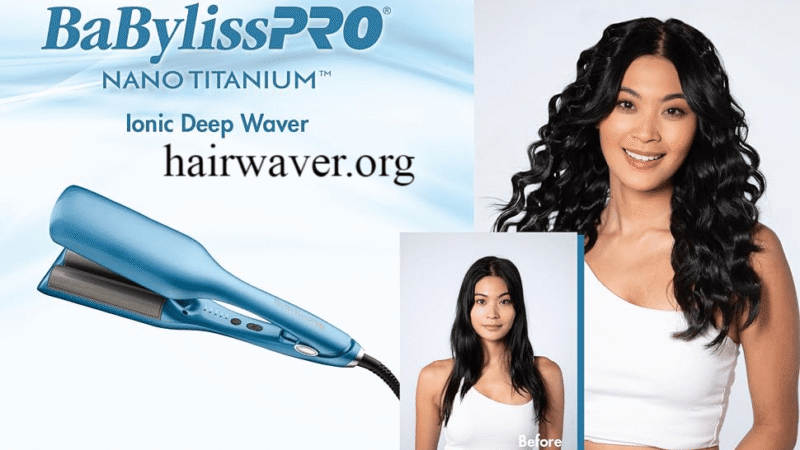
A hair waver is a styling tool designed to create soft, natural looking waves rather than tight curls. Unlike traditional curling irons, wavers typically feature a flat or zigzag shaped barrel. This unique shape presses hair into an S pattern instead of wrapping it around a cylinder. source: Poor Little It Girl
The result looks less structured and more like waves you would get from beach air or braiding your hair overnight. Many stylists prefer wavers because they create movement without looking overly styled. This makes them perfect for casual, everyday looks or relaxed evening styles.
Can You Use a Hair Waver on Short Hair?
Absolutely, and you might be surprised how well it works. Short hair actually holds waves beautifully because there is less weight pulling the pattern down. hair waver basics short hair simply require some adjustments compared to techniques used on longer lengths.
The main difference is timing and sectioning. Short hair needs smaller sections and shorter processing time since there is less hair to heat. You also need to be more careful about distance from your scalp and ears. With practice, short hair often waves faster and holds the style longer than long hair does.
I have styled countless short cuts, and honestly, some of the prettiest waves I have created were on bob length hair. The key is understanding your hair length and adjusting your approach accordingly.
Is a Hair Waver Better Than a Curling Iron?
This depends entirely on the look you want. Curling irons create defined, uniform curls with clear separation. Hair wavers produce a looser, more textured finish that looks effortless rather than polished.
For short hair specifically, wavers often perform better because they avoid tight ringlets that can look overdone on shorter lengths. Curling irons on short hair sometimes create curls that spring up too high or look cartoonish. Wavers give a softer result that flatters shorter cuts more naturally.
That said, curling irons offer more versatility since you can create both curls and loose waves depending on technique. If you only want one look consistently, a waver simplifies your routine significantly.
What Size Hair Waver Is Best for Short Hair?
Barrel size makes a huge difference in how your waves turn out. For short hair, smaller barrels generally work better than larger ones.
Here is a quick breakdown: hairwaver
- 1 inch barrels work well for hair above the shoulders, creating tighter, more defined waves
- 1.25 inch barrels suit bob length hair and lob styles perfectly
- 1.5 inch barrels work best for hair reaching the collarbone or slightly longer
Avoid barrels larger than 1.5 inches if your hair sits above shoulder length. Larger barrels need more hair to wrap around properly, and short strands simply cannot create the same wave pattern. Choosing the correct size is one of the most important hair waver basics short hair you need to master early on.
How Long Should You Hold a Hair Waver?
Holding time depends on your hair texture, thickness, and the tool’s temperature setting. Generally, short hair needs less processing time than long hair since strands heat faster.
For fine short hair, hold each section for about 5 to 7 seconds. Medium texture hair typically needs 8 to 10 seconds. Thick or coarse short hair may require 10 to 12 seconds for the wave to set properly.
Always start with shorter hold times and check your results before adding more heat. You can always reheat a section, but overprocessing damages hair permanently. Testing on a small section first helps you calibrate timing for your specific hair type.
Best Hair Wavers Available in the USA
American shoppers have excellent options across different price points. Budget friendly choices from brands like Conair and Revlon typically range between 20 and 40 dollars, making them great for beginners testing out waving techniques.
Mid range options from Hot Tools and Bed Head offer better heat control and more consistent results, usually priced between 40 and 80 dollars. These tools often include multiple heat settings, which helps protect shorter, finer hair from excessive damage.
For those wanting professional quality results, brands like GHD and T3 provide premium wavers ranging from 100 to 200 dollars. These tools generally offer faster heat up times, better temperature consistency, and improved durability for long term use.
Hair Waver Recommendations for the UK, Canada, and Australia
Shoppers outside the United States have plenty of great options too, though pricing and availability vary by region.
In the United Kingdom, popular brands include Remington, BaByliss, and GHD, with prices typically ranging from 15 to 150 British pounds depending on quality tier. Many UK retailers offer these tools with dual voltage capability built in already.
Canadian shoppers often find similar brands to the American market, including Conair, Hot Tools, and T3, with prices generally running 10 to 20 percent higher due to import costs. Local Canadian retailers sometimes carry exclusive bundle deals worth checking.
In Australia, popular choices include Cloud Nine, ghd, and VS Sassoon, with prices ranging from 40 to 250 Australian dollars. Australian voltage standards differ from North America, so always verify compatibility before purchasing, especially with imported tools.
Voltage Compatibility for International Travel
This is where many travelers run into trouble. Hair styling tools are not universally compatible across different countries’ electrical systems, and using the wrong voltage can damage your device or even create safety hazards.
The United States and Canada use 110 to 120 volts. The United Kingdom, Australia, and most of Europe use 220 to 240 volts. Using a 120 volt only tool in a 240 volt country without proper conversion can cause your waver to malfunction or burn out completely.
Before traveling internationally, check your device specifications carefully. Many premium hair wavers now feature dual voltage capability, meaning they automatically adjust between 110 and 240 volts. Look for this feature specifically if you travel frequently between regions.
If your current waver lacks dual voltage support, you have two options. You can purchase a proper voltage converter, not just a simple plug adapter, since adapters only change the plug shape without converting electrical current. Alternatively, consider investing in a dual voltage waver specifically designed for international use.
Seasonal Styling Tips for Short Hair Waves
Summer Beach Waves
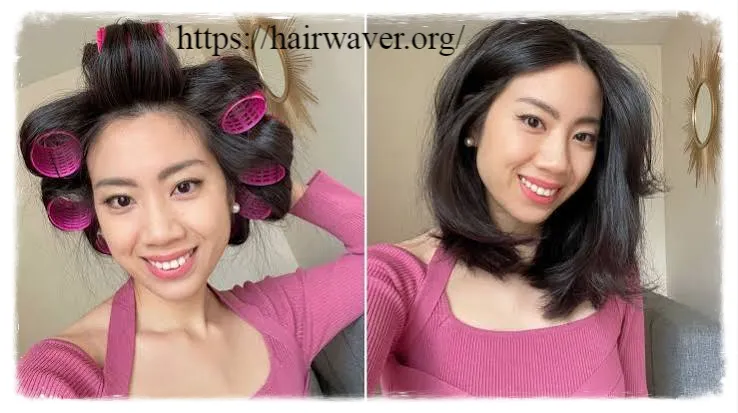
Summer calls for that effortless, undone texture reminiscent of salt water and sunshine. For short hair, focus on wrapping smaller sections loosely rather than tightly winding them. This creates a more relaxed pattern that mimics natural beach texture. hairwaver
Apply a texturizing sea salt spray before waving to enhance grip and hold. Skip heavy products afterward, since lightweight styling creams work better for maintaining that airy, undone summer look. Shorter processing times also help since summer humidity can affect how waves set.
Winter Volume and Definition
Colder months often call for more structured, voluminous waves that add body to hair weighed down by winter hats and static. For winter styling, hold each section slightly longer than you would in summer to create more defined waves.
Consider using a heat protectant with added moisture, since winter air tends to dry hair out faster. Setting waves with a light hairspray helps them last longer through hat wearing and layered winter outfits. Adding volume at the roots before waving also combats the flatness winter weather often causes.
Conclusion
Mastering hair waver basics short hair opens up a world of styling possibilities you might not have considered. From choosing the right barrel size to understanding voltage compatibility for travel, you now have the knowledge to create beautiful waves confidently.
Remember that practice makes a real difference here. Your first attempt might not look salon perfect, and that is completely normal. Keep experimenting with hold times and sectioning until you find what works best for your unique hair texture and length.
What styling challenges have you faced with short hair waves? Share your experience in the comments below, and feel free to pass this guide along to a friend who just got a fresh short haircut and wants to master waving too.
FAQs
1. Can a hair waver damage short hair?
Yes, if used incorrectly with excessive heat or holding time. Always use a heat protectant and start with lower temperature settings, especially on fine or fragile short hair.
2. How often should I wave my short hair?
Limit waving to two or three times weekly to prevent heat damage. Give your hair rest days between styling sessions whenever possible.
3. Do I need special products for waving short hair?
A heat protectant spray is essential. Texturizing sprays or sea salt sprays can enhance hold and definition, though they are optional depending on your desired look.
4. Why do my short hair waves fall out quickly?
This usually happens due to insufficient hold time, using too large a barrel, or skipping a setting spray. Try holding sections slightly longer and finishing with light hairspray.
5. Can I use a hair waver on pixie cuts?
Very short pixie cuts may be too short for most wavers to grip properly. Generally, hair needs to be at least chin length for effective waving.
also read: hairwaver.org
email: johanharwen@314gmail.com
Author Name: Jenna Michaels
About the Author : Jenna Michaels is a licensed cosmetologist with over eight years of experience specializing in short hair styling and texture techniques. She has worked with clients across salons in the United States and United Kingdom, helping people embrace confident, low maintenance styles. Jenna enjoys testing new styling tools and sharing practical, honest advice that actually works for everyday hair routines.