
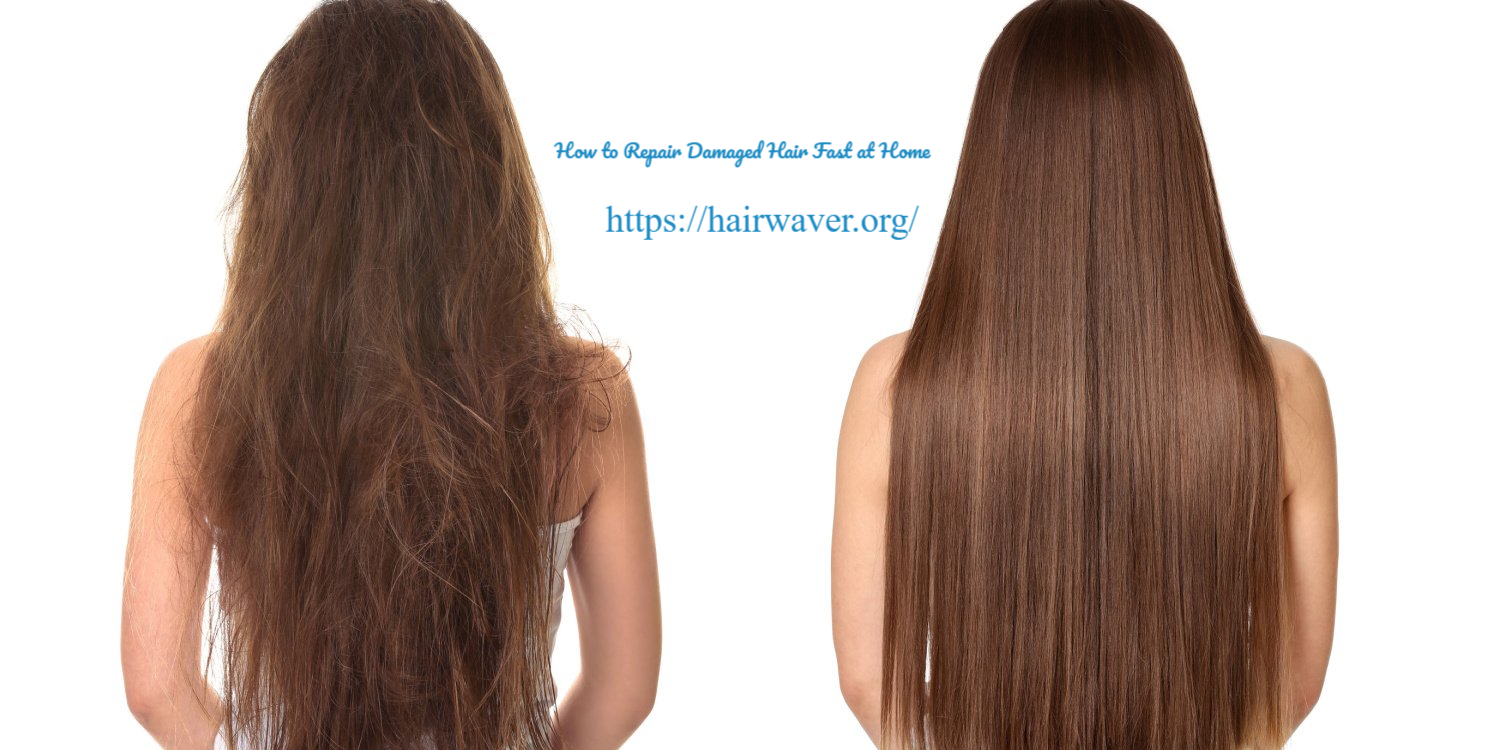
How to Repair Damaged Hair Fast at Home If your hair feels rough, tangles easily, or snaps when you run a comb through it, you’re dealing with damaged hair — and you’re not alone. Between heat styling, coloring, sun exposure, and everyday friction, most people experience some degree of hair damage at some point. The good news: you don’t need an expensive salon visit to see real improvement. With the right products and a few consistent habits, you can noticeably repair damaged hair fast at home, often within a week or two.
This guide breaks down exactly what causes hair damage, the most effective at-home fixes, and how to keep your hair strong once it’s back on track.
What Causes Hair Damage?
Hair damage happens when the outer layer of hair — called the cuticle — gets roughened, lifted, or stripped away, exposing the softer hair fiber underneath. Once that protective barrier is compromised, your strands lose moisture faster and become prone to breakage.Source:healthline
Common causes include:
- Heat styling tools — blow dryers, flat irons, and curling wands used without heat protection
- Chemical processing — hair color, bleach, relaxers, and perms that alter internal hair bonds
- UV and environmental exposure — sun, pollution, and hard water minerals that dry out strands
- Mechanical stress — rough towel-drying, tight hairstyles, and aggressive brushing
- Overwashing — stripping natural oils with hot water or harsh, sulfate-heavy shampoos
- Nutritional and health factors — poor diet, stress, or hormonal changes affecting hair strength from the root
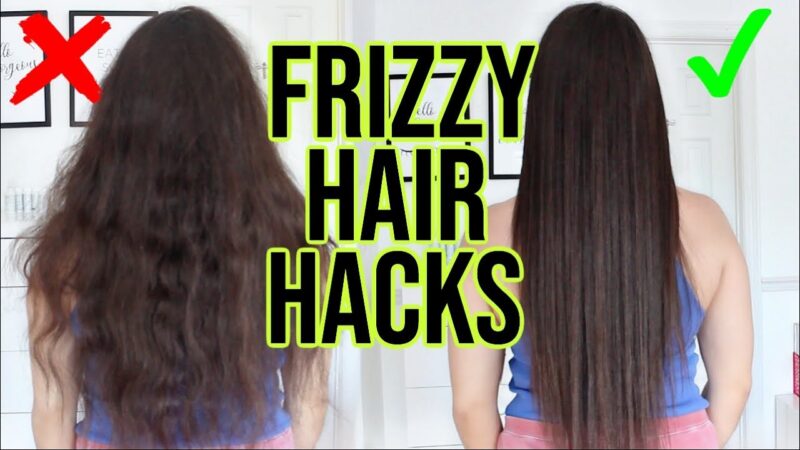
Signs of damaged hair include dullness, frizz, split ends, tangling, thinning strands, and a “straw-like” texture that doesn’t soften even after conditioning.
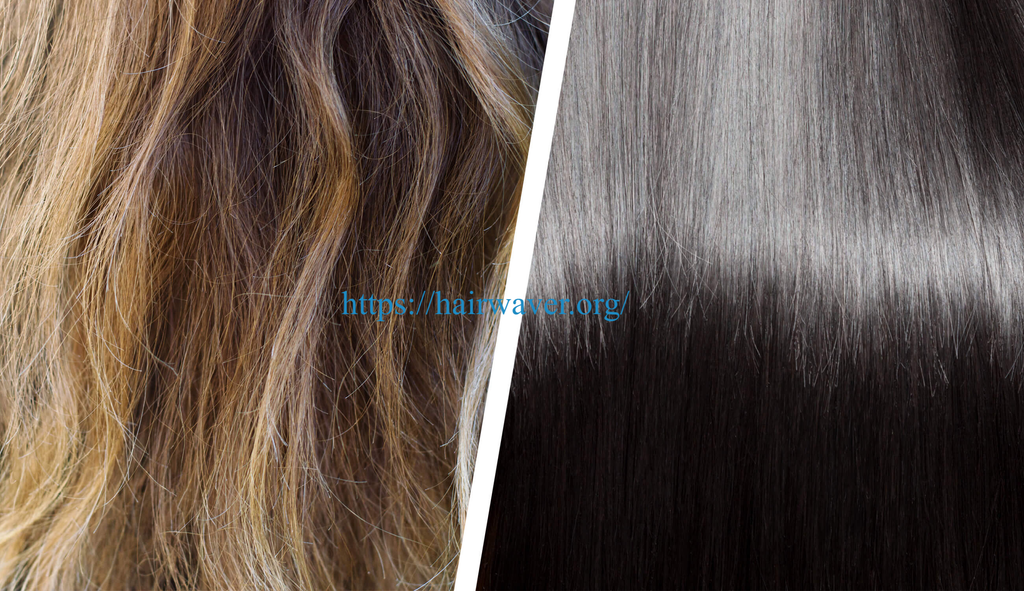
How to Repair Damaged Hair at Home
1. Trim Split Ends
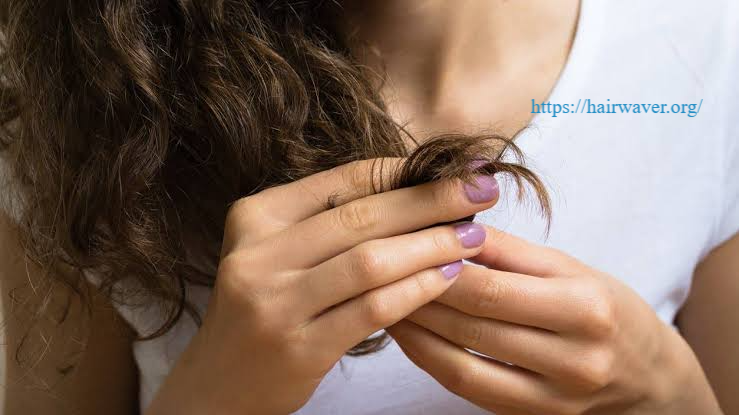
Split ends don’t heal — they only get worse and travel up the hair shaft. A trim every 8–10 weeks removes damaged tips before they split further, instantly making hair look smoother and healthier without sacrificing length.
2. Use a Gentle, Moisturizing Shampoo
Switch to a sulfate-free, moisturizing shampoo designed for dry or damaged hair. Sulfates strip natural oils and worsen dryness. Look for nourishing ingredients like glycerin, panthenol, or plant oils, and wash with lukewarm water instead of hot — hot water opens the cuticle and pulls out moisture.
3. Deep Condition Your Hair Weekly
A regular deep conditioning treatment restores moisture levels that daily conditioner can’t fully replace. Apply to damp, clean hair, focus on mid-lengths to ends, and leave it on for 10–20 minutes (a shower cap with light heat boosts absorption).
4. Apply a Nourishing Hair Mask
An intensive hair mask goes further than a standard conditioner, often containing proteins, ceramides, or keratin that temporarily reinforce weakened hair bonds. Use once or twice a week depending on how dry and damaged hair feels.
5. Try Coconut or Olive Oil Treatments
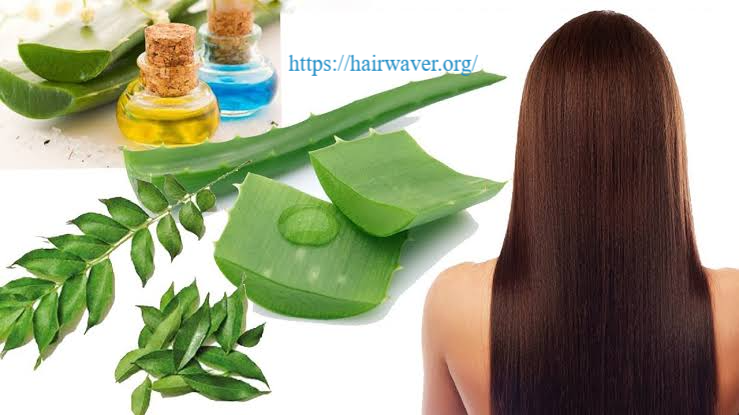
Natural oils remain some of the most researched home remedies for hair repair. Coconut oil, in particular, has been shown to penetrate the hair shaft and reduce protein loss better than mineral or sunflower oil, thanks to its fatty acid structure. Warm a small amount, apply from mid-length to ends, and leave it in for 30 minutes to overnight before washing out.
6. Use a Leave-In Conditioner or Hair Serum
A leave-in treatment or lightweight hair serum adds a protective coating that seals moisture in and reduces frizz and flyaways throughout the day. Apply to damp hair before styling, focusing on the ends where damage is usually worst.
7. Reduce Heat Styling
Heat damaged hair struggles to hold moisture. Air-dry when possible, and when you do use heat tools, always apply a heat protectant spray first and keep tools under 350°F (177°C) for fine or already-damaged hair.
8. Protect Hair While Sleeping
Cotton pillowcases create friction that causes tangling and breakage overnight. Switching to a silk pillowcase — or tying hair loosely with a silk scrunchie — reduces hair friction significantly and helps preserve moisture and smoothness.
9. Avoid Overwashing Your Hair
Washing damaged hair every day removes natural oils it needs to stay flexible and strong. Most people benefit from washing 2–3 times a week, using dry shampoo in between to manage oil without stripping the scalp.
10. Use a Scalp-Friendly Treatment
Healthy hair starts at the root. A weekly scalp treatment or gentle scalp massage with oil improves circulation and helps deliver nutrients to hair follicles, supporting stronger regrowth over time.
How to Repair Very Damaged Hair
Can Damaged Hair Be Repaired?
Short answer: Hair itself is dead keratin, so damage to the hair fiber can’t be biologically “healed” — but it can be significantly restored in appearance and strength through consistent conditioning, trimming, and protective care. The only way to fully remove damage is to trim it off; everything else is about improving texture, moisture, and manageability until healthier hair grows in.
How Long Does Damaged Hair Take to Recover?
Visible improvement in smoothness and shine can appear within 1–2 weeks of consistent treatment. However, since hair grows roughly half an inch per month, replacing severely damaged sections with fully healthy hair can take several months to a year, combined with regular trims.
| Damage Level | Signs | Estimated Recovery Time |
|---|---|---|
| Mild (dryness, minor frizz) | Slight dullness, occasional tangling | 1–2 weeks with deep conditioning |
| Moderate (breakage, dullness) | Visible split ends, rough texture | 4–8 weeks with masks + trims |
| Severe (chemical/heat damage) | Snapping, extreme dryness, thinning | 6–12 months with ongoing care + trims |
How to Prevent Further Hair Damage
Best Hair Care Habits
- Detangle gently with a wide-tooth comb, starting from the ends and working up
- Dry hair with a microfiber towel instead of rubbing with a regular towel
- Use heat protection and UV protection sprays before sun or styling exposure
- Stick to a consistent hair care routine rather than switching products constantly
- Trim regularly to prevent split ends from spreading
Mistakes to Avoid
- Brushing wet hair aggressively when strands are most fragile
- Overlapping color treatments too frequently, which weakens internal hair bonds
- Using very hot water, which dehydrates the scalp and cuticle
- Skipping conditioner on curly, coily, or textured hair types that need extra moisture
- Ignoring product buildup, dirt, and oil that can clog follicles and dull hair over time
Frequently Asked Questions
Can Damaged Hair Grow Back Healthy?
Yes. New hair growing from the follicle is healthy by default — damage only affects the hair that’s already grown out. Supporting your scalp with proper nutrition, gentle care, and regular trims allows healthy hair to replace damaged strands over time.
How Do You Repair Damaged Hair Quickly?
The fastest visible results come from combining a deep conditioning mask, a leave-in treatment, and a trim to remove split ends. This trio addresses moisture, protection, and existing damage simultaneously, often improving texture within days.
What Is the Best Treatment for Dry and Damaged Hair?
A weekly deep conditioning or protein-based hair mask, paired with a daily leave-in conditioner and reduced heat styling, is widely considered the most effective damaged hair treatment for restoring moisture and shine.
How Often Should You Wash Damaged Hair?
2–3 times a week is ideal for most damaged hair types. This preserves natural oils and prevents the dryness that comes from overwashing, while dry shampoo can help manage oil on non-wash days.
How to Repair Damaged Hair Fast at Home Overnight?
Apply a leave-in treatment or lightweight hair oil to damp hair, braid it loosely, and sleep on a silk pillowcase. This locks in moisture overnight and reduces friction, so hair looks noticeably smoother by morning.
Home Remedies for Dry and Frizzy Hair?
Coconut oil, aloe vera, and honey-based masks are popular natural remedies that add moisture and smooth the cuticle. Apply to damp hair, leave on for 20–30 minutes, then rinse with lukewarm water.
Can You Repair Damaged Hair Without Cutting It?
You can significantly improve texture, shine, and manageability without cutting, but split ends specifically won’t reverse — they’ll only stop worsening once trimmed. Everything above the split can be restored through consistent conditioning.
My Hair Is So Dry and Frizzy — Home Remedies Overnight?
Apply a small amount of warmed coconut or olive oil to the ends, twist hair into a loose bun, and cover with a silk scarf or bonnet before bed. Rinse and shampoo in the morning for softer, less frizzy hair.
Read More…

[…] How to Repair Damaged Hair Fast at Home […]