Introduction
If you want beach waves, mermaid hair, added volume, or effortless texture, hair wavers can make the styling process much easier. Unlike a curling iron, which creates rounded curls, a waver shapes the hair into repeated curves or S shaped waves.
The right tool depends on your hair length, texture, desired wave pattern, and how much heat control you need. A jumbo hair waver can create soft, flowy waves on longer hair, while a smaller waver can produce tighter, more defined texture. Ceramic, titanium, and tourmaline ceramic barrels can also behave differently when styling fine, thick, coarse, or fragile hair.
This guide explains how hair wavers work, what features matter, how to choose one for your hair type, and how to create polished waves without unnecessary heat exposure.
What Are Hair Wavers?
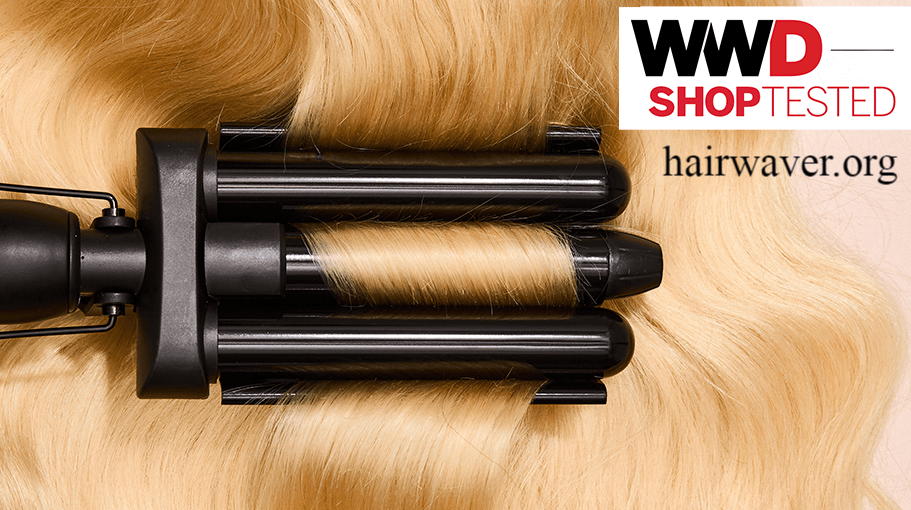
Hair wavers are heated styling tools designed to create waves and texture by pressing sections of hair between shaped barrels or plates.
Instead of wrapping hair around a barrel as you would with a curling iron, you generally place a section between the heated surfaces and clamp it briefly. Repeating this process down the section creates a consistent wave pattern.
Depending on the design, a waver can create:
- Loose romantic waves
- Beachy waves
- Deep waves
- Mermaid waves
- Defined waves
- Fuller looking texture
- Added volume
- A more polished finish
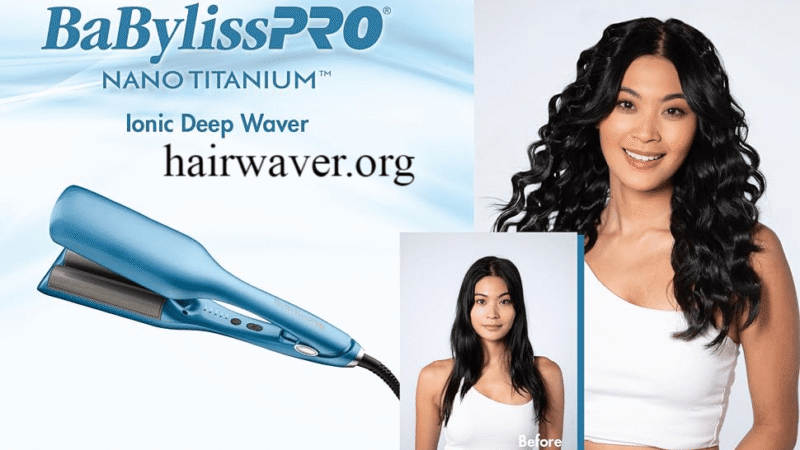
Some tools use a flat iron style clamp, while others use a triple barrel design. The barrel size and shape have a major effect on the final result.
How Do You Choose the Right Hair Waver?
Choose your waver based on your hair type, desired wave size, barrel material, temperature control, and hair length.
Here is a simple starting point:
| Hair or styling goal | Useful features |
|---|---|
| Short hair | Slim barrels, compact design |
| Long hair | Wider or deep barrels |
| Fine hair | Lower heat settings, ceramic surfaces |
| Thick hair | Stronger heat control, titanium options |
| Beach waves | Larger barrels or deep wave designs |
| Defined waves | Smaller barrels |
| Frizz prone hair | Ionic or tourmaline technology |
| Beginners | Simple controls and easy clamp design |
| Travel | Lightweight design and dual voltage |
| Multiple hairstyles | Interchangeable attachments |
There is no single perfect waver for everyone. The best choice is the one that matches the result you want while giving you enough temperature control to style your hair responsibly.
Hair Wavers for Different Hair Types
Best Hair Wavers for Fine Hair
Fine or fragile hair generally benefits from greater temperature control. Look for a tool with multiple heat settings rather than one fixed high temperature.
Ceramic barrels can also be useful when you want more even heat distribution. Start with a lower setting and increase it only when necessary.
Always use heat protection before applying a hot tool.
Hair Wavers for Thick and Coarse Hair
Thick and coarse hair can require more heat and smaller working sections to create consistent results. Titanium barrels heat quickly and can maintain higher temperatures, but that does not mean you should automatically use the highest setting.
Work with manageable sections and avoid repeatedly passing the tool over the same area.
Hair Wavers for Short Hair
For short hair, a large triple barrel can sometimes be difficult to maneuver close to the roots.
A smaller waver or slim design can make it easier to control individual sections. Smaller barrels can also produce tighter waves and additional volume.
Hair Wavers for Long Hair
Long hair gives you plenty of room to create large, flowing wave patterns. Deep wavers and larger barrels are particularly useful when your goal is soft and flowy waves rather than tight texture.
For very long hair, sectioning is important because oversized sections may not receive even contact with the waver.
Hair Wavers for Straight Hair
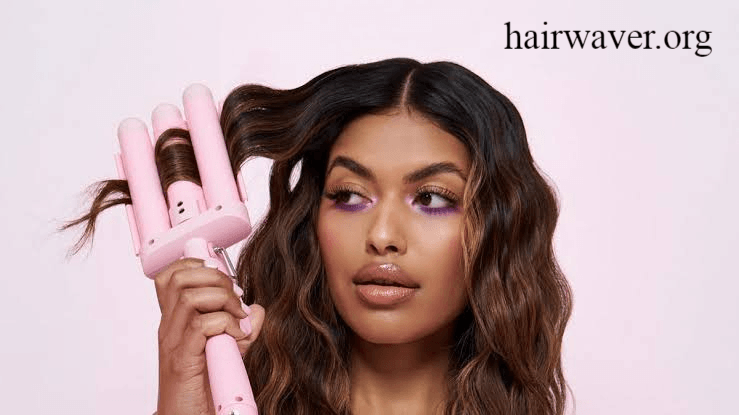
Straight hair can be challenging when it does not naturally hold curls or texture.
A waver can be useful because the clamp creates a repeated shape rather than relying on a wrapped curl. For a more natural result, use sections of consistent size and allow the finished waves to cool before brushing through them.
Hair Wavers for Naturally Wavy or Curly Hair
You do not necessarily need to completely change your natural curl pattern.
A waver can enhance existing texture or make selected sections more uniform. For curly or textured hair, however, avoid excessive heat and choose a temperature appropriate for your hair’s condition.
What Barrel Material Is Best?
The barrel material affects how the tool heats and how you approach styling.
Ceramic Barrels
Ceramic is commonly chosen for its ability to distribute heat evenly. It can be a practical option for fine, fragile, or processed hair when combined with sensible temperature control.
Titanium Barrels
Titanium heats quickly and can reach high temperatures. It can be useful for thicker or coarser hair, but higher heat also increases the importance of heat protection and careful technique.
Tourmaline Ceramic
Tourmaline ceramic tools combine ceramic surfaces with tourmaline technology. These tools are often designed to help manage frizz and static while producing a smoother finish.
The material alone does not determine whether a tool is suitable for your hair. Temperature control and how you use the tool matter just as much.
Which Features Matter Most?
You do not need every feature available. Focus on the features that solve your specific styling problems.
Adjustable Temperature
This is one of the most useful features because different hair types have different heat requirements.
A tool with multiple heat settings gives you more control than a waver that operates at a single temperature.
Ionic Technology
Ionic technology uses negative ions and is commonly marketed for reducing frizz and static. This can be particularly appealing if your hair tends to look fluffy after heat styling.
Auto Shutoff
Auto shutoff is a useful safety feature if you occasionally forget to switch off your styling tools.
Swivel Cord
A swivel cord makes a waver easier to maneuver, especially when styling the back of your head.
Digital Display
A digital display lets you see the selected temperature rather than guessing how hot the tool is.
Smart Timer
Some wavers include a timer that helps you keep each section in contact with the heated surface for a more consistent result.
Dual Voltage
If you travel internationally, dual voltage can make a styling tool more convenient. Always check the tool’s voltage requirements and the electrical standards of your destination.
How to Use a Hair Waver for Beach Waves
The easiest approach is to work with dry, manageable sections and move the waver gradually from the roots toward the ends.
Follow these steps:
- Start with dry hair. Brush or gently detangle it before styling.
- Apply heat protectant. Distribute it according to the product instructions.
- Divide your hair into sections. Smaller sections usually produce more defined results.
- Take about a one inch section.
- Position the waver carefully. Avoid pressing directly against your scalp.
- Clamp briefly. Follow the tool manufacturer’s recommended timing.
- Move down the section. Align the next wave with the previous one for a continuous pattern.
- Repeat until you reach the ends.
- Let the waves cool. This helps the style settle before you manipulate it.
- Separate gently with your fingers if you want a softer, more relaxed style.
For looser beach waves, use larger sections and a larger wave pattern. For defined waves, use smaller sections and a narrower barrel design.
How Can You Make Waves Last Longer?
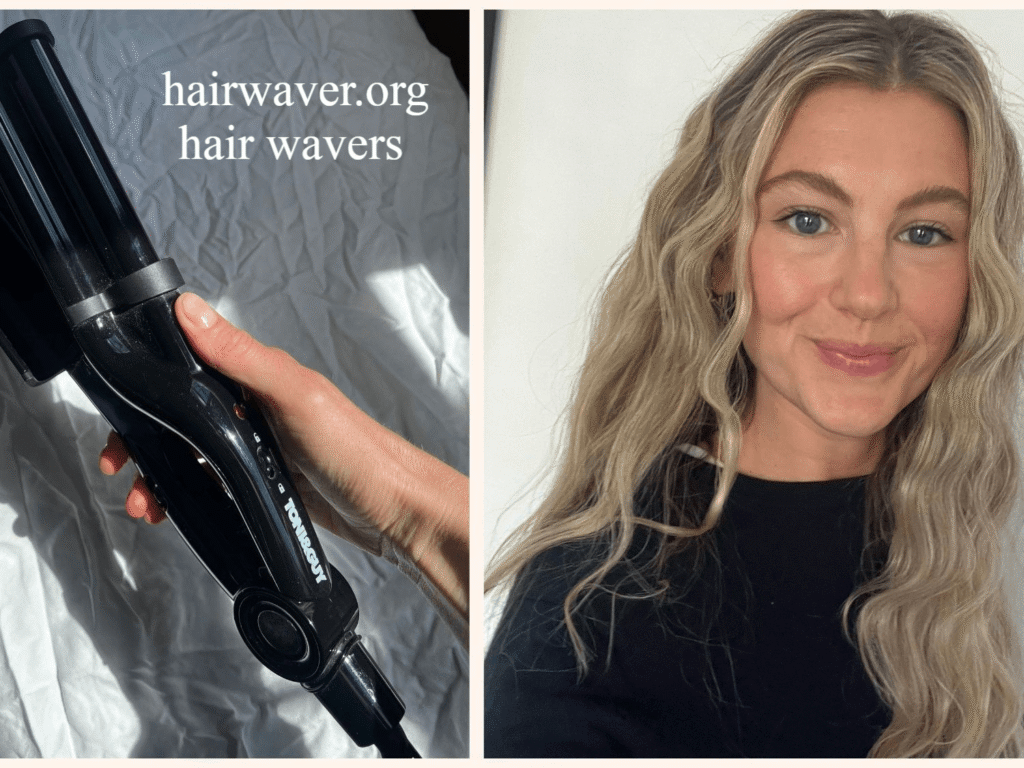
Consistent sectioning and proper technique usually matter more than simply increasing the temperature.
Try these approaches:
- Start with clean, fully dry hair.
- Use consistent section sizes.
- Avoid overloading the waver with too much hair.
- Let each section cool before brushing it.
- Use a suitable finishing product if needed.
- Avoid repeatedly touching or brushing the finished waves.
For very straight or resistant hair, a waver can create a stronger texture than some traditional curling techniques, but the result still depends on your hair’s natural characteristics and the products you use.
How to Use Hair Wavers Without Excessive Hair Damage
Heat styling can contribute to dryness, brittleness, and breakage when used excessively. The American Academy of Dermatology recommends using lower or medium heat when possible and using a heat protectant with heated styling tools.
For safer styling:
- Use the lowest temperature that gives you the desired result.
- Do not repeatedly heat the same section.
- Use a heat protectant designed for your styling routine.
- Avoid using hot tools on wet hair unless the specific tool is designed for that purpose.
- Give your hair breaks from frequent heat styling.
- Be especially careful with damaged, bleached, or chemically processed hair.
If your hair is already fragile or breaking, reducing heat styling can be more beneficial than simply changing tools. The AAD specifically advises people experiencing hair loss or fragile hair to limit curling irons, flat irons, and other hot tools.
Hair Waver vs Curling Iron: What Is the Difference?
A curling iron creates rounded curls, while a hair waver creates repeated bends and waves.
A curling iron is better when you want structured curls, traditional waves, or more individual curl definition.
A waver is better suited to:
- Mermaid hair
- Beachy texture
- S shaped waves
- Relaxed waves
- Fuller looking hair
- Quick, consistent texture
Neither tool is universally better. They create different finishes, so your choice should depend on the hairstyle you want.
Hair Wavers vs Heatless Waves
Heatless waves create texture without applying direct heat, while hair wavers use heated surfaces to shape the hair.
Heatless methods can include braiding, twisting, rollers, or other overnight techniques. They may take longer to set and can produce less predictable results depending on your hair type.
A heated waver is generally faster and offers more control over the exact wave pattern.
If minimizing heat exposure is your priority, heatless styling is an alternative worth considering.
What Makes a Professional Hair Waver Different?
Professional hair wavers often emphasize durability, temperature control, consistent heating, ergonomic handling, and styling versatility.
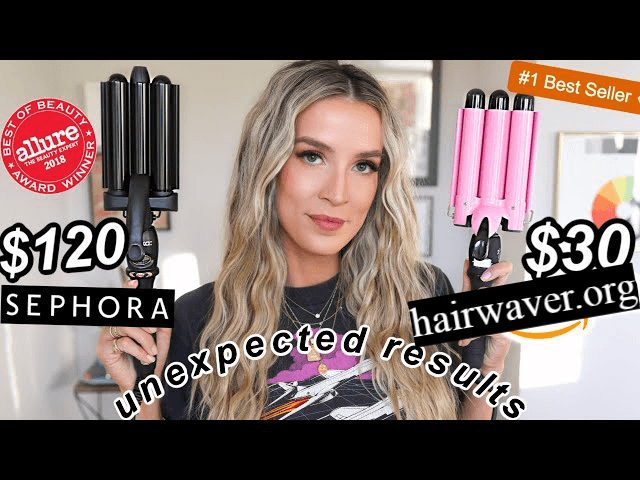
However, a higher price does not automatically mean a tool will be better for your hair.
For everyday use, prioritize:
- Appropriate temperature control
- Suitable barrel size
- Comfortable handling
- Heat protection
- Safety features
- Build quality
- A wave pattern that matches your preferred hairstyle
Current beauty coverage continues to feature wavers from brands such as Amika, BaBylissPRO, Bed Head, Bondi Boost, Beachwaver, Drybar, Insert Waves Here, and l’ange, reflecting the wide range of barrel designs and styling approaches available.
How We Evaluated Hair Waver Features
A useful way to compare hair wavers is to look beyond the marketing language.
Consider these practical factors:
- Ease of use: Can you comfortably reach the back of your head?
- Styling ability: Does the tool create the wave pattern you actually want?
- Temperature control: Can you choose an appropriate setting?
- Hair compatibility: Does the design suit your length and texture?
- Wave consistency: Does each section look similar?
- Weight: Can you hold it comfortably throughout styling?
- Safety: Does it include features such as auto shutoff?
- Travel: Is the design compact and dual voltage if needed?
This approach helps you choose based on your real styling needs rather than simply selecting the tool with the longest feature list.
Final Takeaway
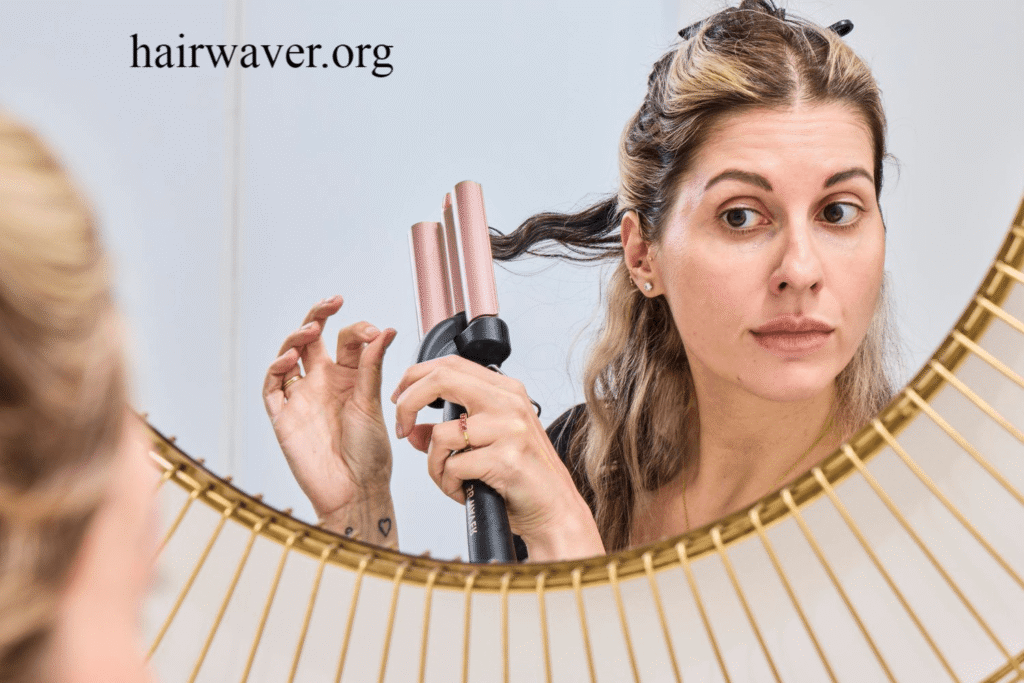
Hair wavers are a simple way to create beach waves, mermaid waves, defined texture, and added volume without using a traditional curling technique.
The most important decision is not choosing the tool with the most features. Choose one that matches your hair length, texture, desired wave pattern, and comfort with heat styling.
For fine or fragile hair, prioritize temperature control and gentle styling. For thick or coarse hair, look for a tool capable of providing consistent heat without repeatedly passing over the same section. For short hair, compact designs can be easier to control, while long hair often benefits from larger or deeper wave patterns.
Whatever tool you choose, use heat protection and avoid unnecessary heat exposure. The goal is not simply to create impressive waves, but to create a styling routine that works for your hair over time. The American Academy of Dermatology emphasizes that excessive heat can damage hair regardless of hair type.
Custom FAQ Section
Q: What are the best hair wavers for short hair?
A: Compact hair wavers with smaller barrels are generally easier to maneuver on short hair and can create more defined texture.
Q: What is the best hair waver for beach waves?
A: A waver with larger or deeper barrels is usually better for creating soft, loose, beachy waves.
Q: Are professional hair wavers worth it?
A: They can be useful for frequent styling because of features such as temperature control, durable construction, and ergonomic designs.
Q: Can hair wavers be used on long hair?
A: Yes. Larger or deeper wave designs can work particularly well for creating soft, flowing waves on long hair.
Q: Are hair wavers heatless?
A: No. Hair wavers are heated styling tools. Heatless waves require methods such as braiding, twisting, or rollers instead.
Author BIO: johan harwen is a beauty and hair care writer focused on practical styling guides, product insights, and easy to follow beauty advice. His work helps readers understand hair tools, styling techniques, and everyday routines with clear and useful guidance.
Email: johanharwen@314gmail.com
Author Name: Johan Harwen
- Also Read:
- 3 Barrel Hair Waver
- Beach Waves Comparison
- Beach Waves Review
- Beach Waves Guide
- Beach Waves 2026