
How to Repair Damaged Hair You can make damaged hair look, feel and behave much better within weeks, but the damaged strands themselves can’t truly heal. Hair is not living tissue once it leaves the scalp. Real recovery means protecting what you have, improving its moisture and strength with the right products, trimming the worst sections, and letting healthy new hair grow in.
That framing matters because it changes what you should buy and expect. Anyone promising to “reverse” damage in one treatment is selling a temporary cosmetic effect. The good news is that a temporary effect, repeated consistently, adds up to hair that looks healthy.
What Does Damaged Hair Actually Look Like?
Each strand has an outer layer called the cuticle, made of overlapping scales that lie flat on healthy hair. Beneath it, the hair shaft holds the inner fibers that give hair its strength and elasticity. Damage lifts or chips the cuticle, which lets moisture escape and leaves the interior exposed.
Common signs include:
- Dry, rough or straw-like texture
- Frizz and flyaways that won’t settle, especially in humid weather
- Split ends and breakage, often visible as short, uneven pieces
- Dullness, because rough cuticles scatter light instead of reflecting it
- Tangles and knots that form easily
- Hair that stretches and snaps when wet, or feels gummy
- Porous hair that soaks up water fast but dries just as fast
What Causes Hair Damage?
Most damage comes from one of a few sources. Identifying yours tells you where to focus.
| Cause | What it does | Best first move |
|---|---|---|
| Bleach | Dissolves melanin and opens the cuticle wide | Pause lightening, add bond-building care |
| Dye | Permanent color lifts the cuticle to deposit pigment; semi- and demi-permanent formulas are gentler | Switch to gentler formulas, use color-safe shampoo |
| Heat styling | Blow dryers, flat irons and curling irons dehydrate the strand | Lower temperature, always use heat protectant |
| Relaxers, perms, straightening | Break internal bonds to reshape hair | Space out treatments, avoid overlapping |
| Sun, chlorine, salt | UV exposure and pool chemicals weaken and dry hair | Rinse after swimming, wear a hat |
| Rough handling | Tight styles, harsh brushing, rubbing with towels | Use a wide-toothed comb, loosen styles |
Often it’s a combination. Bleached hair that’s also flat-ironed daily is overprocessed, and it needs more than a single mask.
Can Damaged Hair Be Repaired Without Cutting It?
Short answer: Partly. Treatments can smooth the cuticle, add moisture and reduce breakage, but they can’t rejoin a split end.
A split end has physically separated. Products can temporarily glue or coat the fork, which reduces the look of it, but only a trim removes it. If the split travels up the strand, it keeps splitting further. Regular haircuts every 8 to 12 weeks, or a small trim when ends look frayed, stop that process. You don’t need a dramatic chop. Even half an inch of the worst ends changes how the whole head looks.
The Core Repair Routine (Works for Most Types of Damage)
Step 1: Switch to a gentler wash. A moisturizing or hydrating shampoo, or a color-safe one if you dye, cleans without stripping. Wash less often if your scalp allows, and focus shampoo on the scalp rather than the ends.
Step 2: Condition every time. A moisturizing conditioner is non-negotiable for dry or brittle hair. Apply it mid-length to ends and leave it for a couple of minutes.
Step 3: Deep condition weekly. A hair mask or deep conditioning treatment delivers a heavier dose of moisture and conditioning agents than everyday conditioner. Leave it on for 10 to 20 minutes, or as directed on the label.
Step 4: Use a leave-in conditioner. Apply it to damp hair. It smooths the cuticle and adds daily protection against friction and frizz.
Step 5: Seal with a light oil. A few drops of argan, jojoba, almond or coconut oil on dry ends can reduce moisture loss and boost shine. Oils don’t hydrate by themselves; they lock in the water your conditioner supplied. Fine hair needs very little.
Step 6: Handle hair gently. Detangle from the ends upward using a wide-toothed comb and a detangler, ideally on damp hair coated with conditioner. Blot with a soft towel instead of rubbing.
Moisture vs. Protein: Getting the Balance Right
Damaged hair usually needs both. Hair that feels mushy, overly stretchy or limp often needs more protein. Hair that feels stiff, rough or snaps without stretching often needs more moisture. If a product makes your hair worse, you may have the balance wrong rather than the product being bad.
How to Repair Bleached Hair
Short answer: Stop lightening, rebuild moisture and strength, and give the hair time before any further chemical service.
Bleach removes melanin, the natural pigment in hair, and in doing so roughens the cuticle and weakens the internal structure. Bleached hair tends to be very porous, so:
- Use a moisturizing shampoo and conditioner, plus a weekly mask
- Consider a bond-building treatment. Brands such as Olaplex, K18 and Redken (Acidic Bonding Concentrate) market products designed to support hair bonds during and after coloring. Many stylists and users report visible benefits, but independent research on how much they repair structure is still limited, so treat them as one useful tool rather than a cure
- Book toning and root touch-ups with a colorist rather than re-bleaching the full length
- Wait as long as you can between lightening sessions
How to Repair Hair Damaged by Dye
Permanent dye needs the cuticle open to work, so repeated coloring dulls and dries hair over time. Semi-permanent and demi-permanent dyes are gentler because they deposit color with less lifting.
To protect colored hair, choose a color-safe shampoo, wash with cooler water, and avoid re-dyeing the lengths. Apply color only to new growth at the roots.
How to Repair Heat-Damaged Hair
Short answer: Cut back on heat, use a heat protectant every time, and treat the dryness with regular deep conditioning.
Heat tools strip moisture and can permanently alter the hair’s structure at high temperatures. To limit the damage:
- Air dry when you can, or use a blow dryer on a lower setting
- Use a heat protectant on damp or dry hair before styling
- Keep flat irons and curling irons at the lowest temperature that works, and many stylists suggest staying under about 350°F (175°C) for damaged hair
- Don’t pass over the same section repeatedly
- Take a few heat-free days each week
How to Repair Dry, Dull and Frizzy Hair
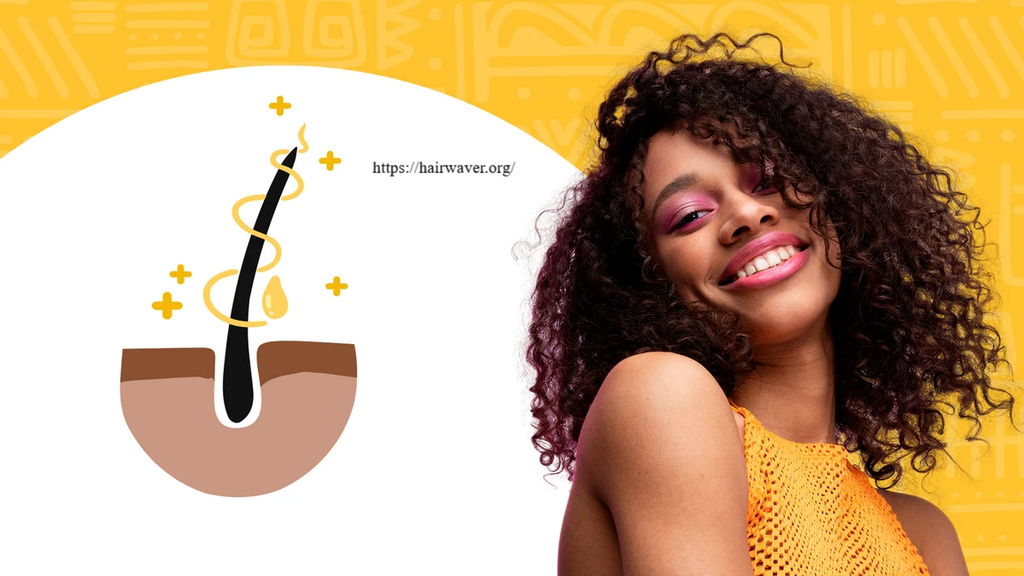
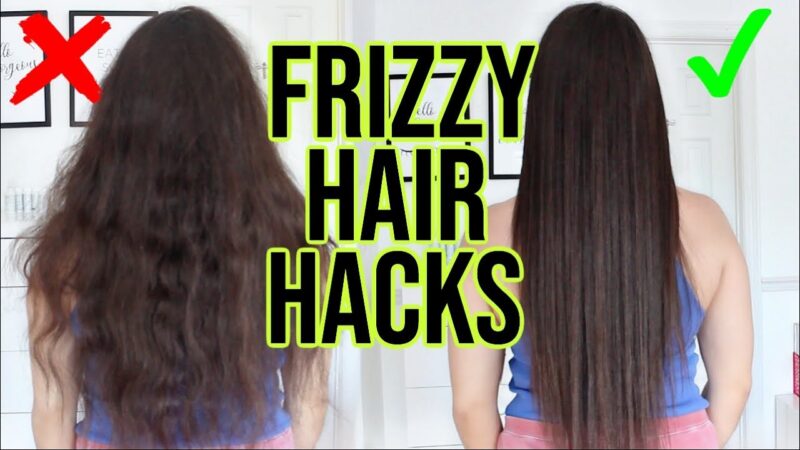
Dryness means the hair lacks water, and frizz means the raised cuticle is absorbing humidity from the air. A hydrating shampoo, weekly mask, leave-in conditioner and a light oil form the fix. Some people also find a final rinse with diluted apple cider vinegar helps smooth the cuticle and add shine. Rice water rinses are popular too, though research is limited, so consider them optional rather than essential.
How to Repair Brittle and Breaking Hair
Brittle hair snaps because it has lost elasticity. Focus on gentle handling, moisturizing and strengthening products, protective styles that don’t pull, and a satin pillowcase or bonnet at night to cut friction. Avoid tight ponytails and rubber bands, and use snag-free hair ties.
What About Hair Health From the Inside?
Hair is made mostly of protein, and it needs steady nutrition to grow strong. Protein, iron, vitamin C, vitamin A and biotin all play roles, and a balanced diet covers most people’s needs. Be cautious with supplements. Excess vitamin A can be harmful, and biotin can interfere with some lab tests. If you notice sudden shedding rather than breakage, or your scalp is sore, itchy or thinning, a dermatologist can check for underlying issues such as thyroid problems or iron deficiency.
How Long Does Damaged Hair Take to Recover?
Cosmetic improvement can show up within one to three washes. Hair grows about half an inch (roughly 1 cm) a month on average, so replacing damaged lengths with healthy hair takes many months. For shoulder-length hair, expect around 6 to 12 months of consistent care and trims to see the full difference.
How to Prevent Further Hair Damage
- Use heat protectant and keep tools at moderate temperatures
- Space out chemical services by at least 8 to 12 weeks, and see a professional hairdresser for bleach
- Rinse hair with fresh water before and after swimming, and wear a hat in strong sun
- Detangle gently and skip brushing wet hair aggressively
- Get regular haircuts
- Keep a simple hair care routine you can actually maintain
6. Custom FAQ Section
How to repair damaged hair at home?
Use a moisturizing shampoo and conditioner, add a weekly deep conditioning mask, apply a leave-in conditioner after washing, and seal ends with a little oil. Cut heat use, detangle gently, and trim split ends. This routine covers most everyday damage without salon visits.
How to repair damaged hair fast at home?
You can’t rebuild damaged strands overnight, but you can improve how they look and feel quickly. Do a deep conditioning treatment, apply a leave-in and a bit of oil, and skip heat styling for a week. Expect softer, shinier hair within a few washes. Lasting repair takes months.
Can you repair damaged hair without cutting it?
Only partly. Masks, leave-ins and bond-building products can reduce frizz, smooth the cuticle and lower breakage, but they can’t permanently mend split ends. If you want to keep length, trim just the worst ends and rely on conditioning and low-heat habits to protect the rest.
How to repair damaged hair 4C?
Coily 4C hair is naturally more prone to dryness and breakage, so moisture and gentle handling matter most. Detangle on damp, conditioner-coated hair using your fingers or a wide-toothed comb. Layer a water-based leave-in with a cream and oil (often called LOC or LCO), do a weekly deep conditioner, and choose low-tension protective styles. Sleep with a satin bonnet or scarf.
How to repair damaged hair from straightening at home?
Stop straightening for a few weeks, then deep condition weekly and use a protein-balanced mask if hair feels limp or overly stretchy. For future sessions, use heat protectant, lower the temperature and avoid repeated passes. If damage came from a chemical relaxer, avoid overlapping onto previously relaxed hair and consult a stylist.
How to fix damaged hair roots?
Damaged roots usually come from tension, heat near the scalp or repeated bleaching at the roots. Loosen tight styles, keep tools away from the scalp, and space out root touch-ups. Use gentle shampoo and a scalp-friendly conditioner. If you notice burning, sores, thinning or heavy shedding, see a dermatologist.
How to repair damaged hair for Black women?
The approach depends on your hair texture and what caused the damage, but common priorities include moisture, low-tension styling and reduced heat and chemical stress. Wash with a hydrating shampoo, deep condition regularly, detangle gently, protect ends with protective styles, and avoid tight braids or weaves that pull on the hairline. A stylist experienced with textured hair can offer personalized advice.
How to repair damaged hair: what does Reddit recommend?
Advice in online hair communities varies, and I can’t verify individual posts, so treat it as anecdotal. Common recurring themes are trimming split ends, cutting back on heat and bleach, deep conditioning, and balancing moisture and protein. These match the guidance in this article, but what works for one person’s hair may not work for yours.

[…] How to Repair Damaged Hair […]