
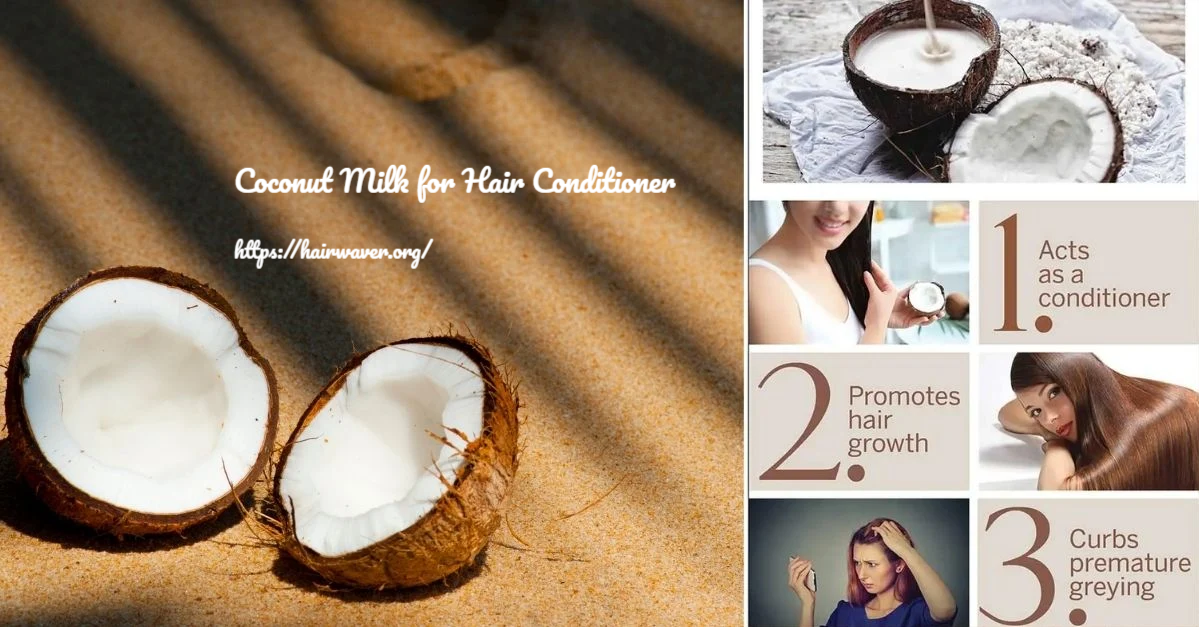
Yes, Coconut Milk for Hair Conditioner works well as a natural conditioner for dry, frizzy or rough hair. Its fats coat and soften the hair shaft, so strands feel smoother and look shinier. It isn’t a miracle growth treatment, though, and it works best as a weekly deep conditioning step rather than a daily product.
I’ll be upfront about one thing. Most of the science on coconut and hair is about coconut oil, not coconut milk. Much of what you’ll read online treats the two as identical, and they aren’t. Coconut milk is oil plus water, protein and a few nutrients, which makes it lighter and easier to rinse out. Below, I’ve separated what’s well supported from what’s mostly anecdotal, so you know what to expect.
What Is Coconut Milk?
Coconut milk is a creamy liquid made by blending grated flesh from mature coconuts with water and straining it. It’s different from coconut water, the thin, clear liquid inside young coconuts. Coconut water is mostly hydration and sugar. Coconut milk is where the fat is, and fat is what softens hair.
You’ll see it in three forms:
- Canned full-fat coconut milk: thick, rich, and the most convenient for hair care.
- Carton “beverage” coconut milk: thin and often sweetened, so it’s a poor choice for hair.
- Homemade: fresh, with no additives, but it spoils within a few days.
Why Is Coconut Milk Good for Hair?
Short answer: it’s rich in fats that soften and seal the hair, plus small amounts of protein and vitamins that support a healthy scalp.
Coconut is high in saturated fatty acids, especially lauric acid. Lauric acid has a small molecular structure and a known affinity for hair protein. In a widely cited 2003 study in the Journal of Cosmetic Science, coconut oil reduced protein loss in both damaged and undamaged hair, more effectively than mineral oil or sunflower oil. That research used oil, not milk, but it explains why coconut-based products have such a loyal following.
Coconut milk also contains modest amounts of protein and some vitamins and minerals, including B vitamins and vitamin E. How much of that actually reaches your hair from a topical mask hasn’t been well studied. It’s reasonable to think of the nutrients as a bonus and the moisture and softening as the main benefit.
Top Benefits of Coconut Milk for Hair
Deep moisture and softness
This is the strongest benefit. The fat content lubricates the hair cuticle, which helps dry, brittle hair feel supple and easier to comb. If your hair is dry from heat styling or chemical treatments, this is where you’ll likely notice a difference first.
Less breakage and fewer rough patches
Hair snaps when it’s dry and stiff. Regular conditioning improves elasticity, so strands bend rather than break. Coconut milk won’t repair split ends (nothing topical truly does), but it can make ends look and feel smoother while you grow them out.
Frizz and flyaway control
Frizz happens when the cuticle is raised and hair grabs moisture from the air. A coconut milk treatment smooths the surface and adds weight, which calms flyaways. Fine hair may find it heavy, so use less.
Natural shine
Smoother cuticles reflect light better. That’s why hair often looks glossier right after a good deep conditioning session.
A calmer scalp
Coconut has mild antimicrobial and antifungal properties in lab settings, and many people find it soothing on a dry, tight scalp. It is not a proven dandruff treatment. Flaking that lingers past a few weeks may be seborrheic dermatitis, which a dermatologist can treat properly.
Hair growth: manage your expectations
No good clinical evidence shows that coconut milk makes hair grow faster or thicker. What it can do is keep hair from breaking and keep the scalp comfortable, so you retain more length over time. That can look like growth, but it’s really improved retention.
How to Use Coconut Milk for Hair
Short answer: apply it to damp hair, leave it on for 20 to 45 minutes, then rinse thoroughly and shampoo gently if needed.
Use unsweetened, full-fat canned coconut milk. Shake the can well, since the cream separates from the liquid.
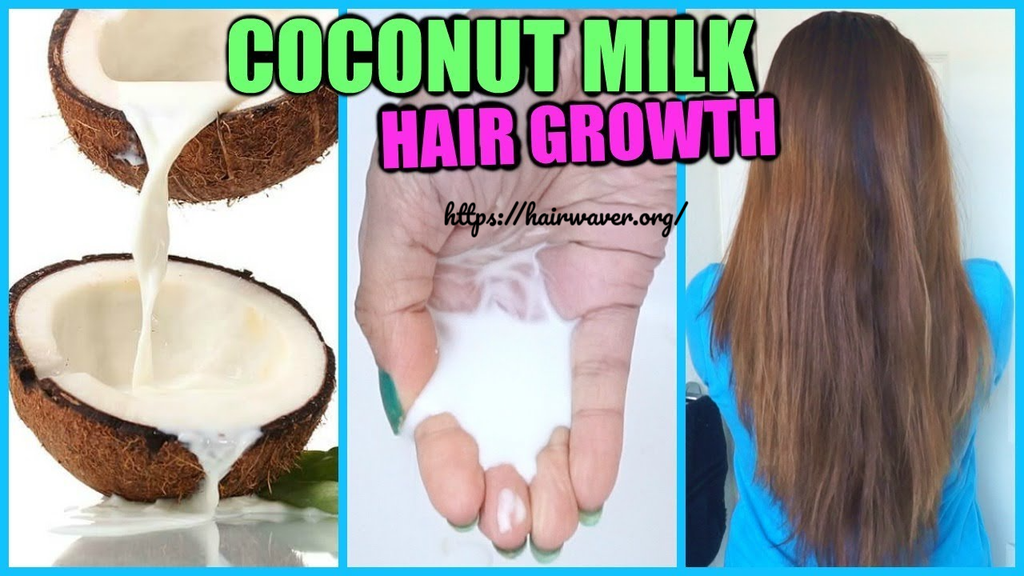
Simple Coconut Milk Hair Mask
You’ll need:
- ½ cup full-fat coconut milk
Steps:
- Warm the milk slightly in a bowl set in hot water. Don’t microwave it until hot.
- Section damp hair and work the milk from mid-lengths to ends, then lightly onto the scalp.
- Cover with a shower cap or warm towel.
- Leave on for 20 to 30 minutes.
- Rinse with lukewarm water until the water runs clear, then shampoo gently if your hair feels coated.
Coconut Milk and Honey Hair Mask
You’ll need:
- ¼ cup coconut milk
- 1 tablespoon raw honey
- 3 to 5 drops rosemary oil or tea tree oil (optional, and only if your skin tolerates it)
Honey is a humectant, meaning it draws moisture into the hair. Stir everything together until smooth, apply to damp hair, and leave on for 30 minutes before rinsing. This one suits dry, coarse or curly hair well. The essential oils are optional. If you use them, stay within a few drops, since undiluted essential oils can irritate the scalp.
Coconut Milk Leave-In Rinse
You’ll need:
- 2 tablespoons coconut milk
- ½ cup water
- A small spray bottle
Shake well and mist lightly on damp ends after washing. Use it within 2 to 3 days and keep it in the fridge, since it contains no preservatives. This is the lightest option and works best for frizz or fine hair.
Which method fits your hair?
| Hair concern | Best option | Leave-on time |
|---|---|---|
| Very dry or damaged | Coconut milk and honey mask | 30–45 min |
| Frizz or flyaways | Leave-in rinse | No rinse |
| Dry, flaky scalp | Simple mask, scalp focus | 20–30 min |
| Fine or easily weighed down | Diluted rinse or 15-min mask | 15–20 min |
Tips for Getting the Best Results
- Patch test first. Dab a little on your inner forearm and wait 24 hours. Coconut is no longer classed as a tree nut by the U.S. FDA (guidance updated in January 2025), but coconut allergies and skin sensitivity do exist, especially with sensitive skin.
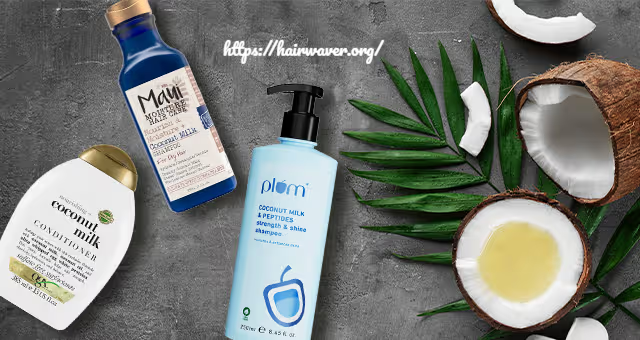
- Read the label. Look for coconut and water only. Thickeners like guar gum are usually fine, but avoid sweetened versions.
- Focus on the ends. They’re the oldest, driest part of your hair. The scalp needs far less.
- Rinse well. Leftover milk can leave hair limp or a bit sour-smelling.
- Use lukewarm water. Very hot water strips moisture and undoes your work.
- Fine or low-porosity hair: go lighter and shorter. Too much fat sits on the surface and feels greasy.
How Often Should You Use Coconut Milk on Hair?
Short answer: once a week is enough for most people, and every two weeks is plenty for fine or oily hair.
Very dry or heat-damaged hair can handle twice a week for a few weeks, then dial back. Overdoing it can leave hair heavy, and some people find that too much coconut makes hair feel stiff rather than soft. Pay attention to how your hair responds and adjust.
Is Coconut Milk Good for Dry and Damaged Hair?
Yes, for the symptoms of dryness and damage, such as roughness, frizz and dullness. It can’t rebuild broken bonds or reverse severe bleach damage. If your hair is very damaged, combine it with a proper protein treatment and regular trims.
Common Questions About Coconut Milk as a Hair Conditioner
How do you use coconut milk for hair conditioner?
Apply full-fat, unsweetened coconut milk to damp hair, focusing on mid-lengths and ends. Leave it on for 20 to 30 minutes under a shower cap, then rinse thoroughly with lukewarm water. Follow with a gentle shampoo if your hair feels coated.
What is a simple coconut milk hair conditioner recipe?
Mix ¼ cup of coconut milk with 1 tablespoon of raw honey. Apply to damp hair, leave for 30 minutes, then rinse well. For a lighter option, blend 2 tablespoons of coconut milk with ½ cup of water and use it as a leave-in mist on damp ends.
What is the best coconut milk for hair conditioner?
Unsweetened, full-fat canned coconut milk is usually the most practical choice. Widely available options include Thai Kitchen, Aroy-D and Native Forest, though any brand with a short ingredient list will do. Fresh homemade milk works too, but it spoils quickly.
What are the benefits of coconut milk as a hair conditioner?
It moisturizes, softens, reduces frizz and adds shine, and it may leave hair less prone to breakage from dryness. It also feels soothing on a dry scalp. Results vary with hair type, and it isn’t a substitute for treating a medical scalp condition.
How do you use coconut milk for hair growth and thickness?
There’s no clinical proof that coconut milk speeds growth or thickens hair. Massaging it into a healthy scalp once a week may improve comfort and circulation, and reduced breakage helps you keep length, which can make hair look fuller over time.
Can you leave coconut milk in your hair overnight?
You can, but it’s rarely necessary. Overnight treatments can leave hair limp, and fresh coconut milk can spoil and smell. If you try it for very dry hair, use a shower cap, do it occasionally, and rinse well in the morning.
How do you apply coconut milk on hair?
Work in sections on damp hair. Start at the ends and move up, then apply a smaller amount to the roots if you want scalp benefits. Comb through gently with a wide-tooth comb to spread it evenly.
What is the best coconut milk for hair?
Pick full-fat, unsweetened coconut milk with as few additives as possible. Avoid “light” and sweetened versions, which have less fat and can leave residue. If it separates in the can, that’s normal, so just stir or shake it before use.
Final Thoughts
Coconut milk is an affordable, low-fuss way to add softness and shine, and it earns its place in a natural hair care routine, especially for dry or frizzy hair. Treat it as a good conditioning treatment rather than a growth cure, patch test before your first use, and adjust the frequency to your hair type. Give it three or four weeks before deciding whether it works for you.
Information current as of September 2026. This article is for general information and isn’t medical advice. See a dermatologist for persistent scalp or hair loss concerns.


[…] Coconut Milk for Hair Conditioner […]
[…] Coconut Milk for Hair Conditioner […]