Introduction
If you have curly hair, you have probably wondered whether a hair waver can actually work for you or if it will just wreck your curls. The truth is, a hair waver can be a wonderful tool for curly hair when you understand how to use it properly. Too much heat or the wrong technique, though, and you might end up with frizz, dryness, or curls that lose their bounce. This article breaks down everything you need to know about hair waver basics curly hair for curly hair, from what the tool actually does to the safest temperatures and routines for different curl types. Whether you are a curly girl looking to switch up your texture or someone who just bought their first waver, you will walk away knowing exactly how to protect your strands while getting gorgeous results.
What Is a Hair Waver?
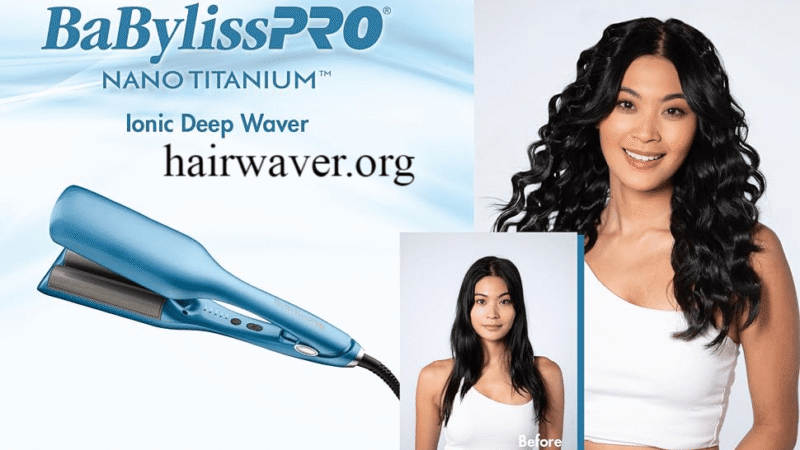
A hair waver is a styling tool designed to create soft, beachy waves instead of tight curls. Unlike a traditional curling iron, which uses a cylindrical barrel, a waver typically has a flat or S shaped barrel that presses a wave pattern directly into your hair.
Most wavers come with interchangeable plates so you can choose between deep waves, loose waves, or crimped textures. They heat up fast and are popular because they create a natural, undone look rather than uniform ringlets.
For straight or wavy hair, this tool adds texture that would not exist otherwise. For curly hair, the story is a little different, and that is exactly what we are going to dig into.
Can You Use a Hair Waver on Curly Hair?
Yes, you absolutely can use a hair waver on curly hair. In fact, many curly girls use wavers to redefine their natural pattern, stretch out shrinkage, or create a more uniform wave when their curls are behaving unpredictably.
That said, curly hair is more porous and prone to damage than straight hair, so using a waver requires a bit more care. Here is what typically happens when curly hair meets a waver: source:
Instagram · ariabeauty
- Tighter curl patterns (like 3C or 4A to 4C) often get temporarily loosened or stretched
- Looser curls (2A to 3A) may blend more seamlessly with wave patterns
- Heat can either enhance definition or cause frizz, depending on your prep routine
I have personally found that curly hair responds best to a waver when it is properly moisturized beforehand. Dry curls and hot tools simply do not mix well.
Does a Hair Waver Damage Curly Hair?
This is the question most curly haired people really want answered. The honest answer is that any hot tool has the potential to damage hair, including curly hair, but damage is not guaranteed if you use the tool correctly.
Curly hair has more bends and twists in its structure, which naturally makes it more fragile than straight hair. Heat styling can weaken the hair shaft, strip moisture, and in worst cases cause breakage or heat damage that changes your curl pattern permanently.
The good news is that damage mostly comes down to three factors: temperature, frequency, and protection. If you keep the heat moderate, limit how often you style with heat, and always use a heat protectant, you significantly reduce your risk of damage.
Signs of Heat Damage to Watch For
- Straight or limp pieces that no longer curl back up after washing
- Excessive dryness or straw like texture
- Split ends and breakage
- Curls that feel rougher than the rest of your hair
If you notice any of these signs, it is time to give your hair a break from heat and focus on deep conditioning treatments. hairwaver
What Temperature Is Best for Curly Hair?
Temperature control is probably the single most important factor in keeping curly hair healthy while using a waver. Curly hair is generally more delicate, so lower temperatures work better than what you might use on straight hair.
Here is a simple breakdown by hair thickness: source: Remington Pakistan
- Fine curly hair: 250°F to 300°F
- Medium curly hair: 300°F to 330°F
- Thick or coarse curly hair: 330°F to 380°F
Most hairstylists agree that going above 400°F is unnecessary for the vast majority of curl types and increases your risk of damage significantly. Start on the lower end of the range and only increase if the waver is not creating enough definition.
Is a Hair Waver Better Than a Curling Iron?
This really depends on the look you are going for. A hair waver creates that relaxed, beachy texture, while a curling iron gives you more defined, springy curls.
For curly hair specifically, a waver can be gentler in some ways because it often requires fewer passes to blend with your natural texture. A curling iron, on the other hand, might be better if you want to add extra definition to areas where your curl pattern has loosened over time.
Neither tool is inherently better. It comes down to your hair goals, your natural curl type, and how much time you want to spend styling.
Expert Tips for Heat Styling Curly Hair Safely
Hairstylists who specialize in curly hair often repeat the same advice, and for good reason. Here are the most important tips to keep in mind.
- Always start with clean, well moisturized hair before applying heat
- Apply a heat protectant spray or cream generously, focusing on ends
- Section your hair into small pieces so each section gets even heat exposure
- Never style soaking wet hair, since this can cause steam damage
- Use the lowest effective temperature for your hair thickness
- Avoid using a waver more than two to three times a week
- Let each section cool completely before touching or brushing through it
Following these steps consistently will make a noticeable difference in how healthy your curls look over time. hairwaver
Best Practices Recommended by Hairstylists
Professional stylists often recommend treating heat styling as an occasional treat rather than a daily habit for curly hair. They also suggest getting regular trims every eight to twelve weeks to remove damaged ends before they travel further up the hair shaft.
Another common recommendation is to alternate between heat styling and heatless methods, like flexi rods or twist outs, so your curls get a break. This balance helps maintain your natural curl pattern while still giving you styling variety.
Hair Type Comparison: 2A to 4C Curls
Not all curls respond to a waver the same way. Understanding your curl type can help you set realistic expectations.
2A to 2C (Wavy Hair)
These types blend easily with a waver since the natural texture is already close to a wave pattern. Lower heat settings usually work fine.
3A to 3C (Curly Hair)
These curls tend to hold wave patterns well but may need slightly higher heat, especially for thicker 3C strands. Moisture is key here since this range is prone to frizz.
4A to 4C (Coily Hair)
This hair type is the most fragile and shrinkage prone. A waver can stretch the pattern beautifully, but extra care with heat protectant and lower temperatures is essential to avoid damage. hairwaver
Recommended Styling Routine Before and After Waving
Before styling
- Wash and deep condition your hair
- Detangle gently with a wide tooth comb
- Apply a leave in conditioner followed by a heat protectant
- Blow dry or air dry until completely moisture free, not damp
After styling
- Let curls cool fully before touching them
- Apply a light oil to seal in shine
- Avoid brushing through waves, use your fingers to separate instead
- Sleep with a silk or satin bonnet to preserve the style
Hair Health and Moisture Retention
At the end of the day, moisture is everything for curly hair. Heat styling naturally pulls moisture out of your strands, so replenishing it is non negotiable if you want to keep using a waver regularly.
Deep conditioning once a week, using leave in products daily, and sealing with oils or butters all help maintain the moisture balance your curls need. Protein treatments every few weeks can also strengthen strands that have been weakened by repeated heat exposure.
I always tell people that healthy curls are happy curls, and that starts with a solid moisture routine long before you ever pick up a waver.
Conclusion
A hair waver can absolutely work beautifully on curly hair waver basics curly hair you approach it with the right knowledge and care. Understanding your curl type, choosing the correct temperature, and prioritizing moisture before and after styling will help you avoid damage while still enjoying a fun, textured look. Heat styling does not have to mean sacrificing your hair health. So go ahead, experiment with your waver, and let your curls shine safely. What has your experience been with heat styling your curls? Feel free to share your tips or questions in the comments below.
FAQs
Can I use a hair waver every day on curly hair?
No, daily use increases the risk of damage. Two to three times a week is a safer limit.
Should I use a waver on wet or dry hair?
Always use it on fully dry hair to avoid steam damage and breakage.
What heat protectant works best for curly hair?
Look for a cream or spray specifically formulated for curls, since these often include added moisture and frizz control.
Will a waver make my curls loose permanently?
Occasional use should not permanently alter your curl pattern, but excessive heat over time can cause lasting changes.
Can fine curly hair handle a waver without damage?
Yes, as long as you use lower temperatures around 250°F to 300°F and always apply heat protectant.
Author Bio: JohanHarwen a hair and beauty content writer passionate about helping curly haired readers embrace their natural texture while learning safe, effective styling techniques.
email: johanharwen@314gmail.com
Author Name: JohanHarwen