
Introduction
You straighten your hair every morning. Your straightener heats up. Then it burns off layers of dried product, oil, and residue directly onto your hair. Sound familiar? Most people never think about cleaning their styling tools. But that buildup on your plates transfers directly onto every strand you touch.
Learning how to clean a hair straightener is one of the easiest ways to protect your hair and extend the life of your tool. Product residue, dead skin cells, hair oils, and bacteria accumulate on the plates over time. When you apply a dirty straightener to your hair, you transfer all of that onto freshly washed strands. The result is dull, damaged hair that refuses to style properly.
This guide covers everything you need. You will understand what a hair straightener is, why cleaning matters, exactly how to clean your straightener safely, and which common mistakes to avoid. A step-by-step checklist makes the process simple and fast.
Quick Answer
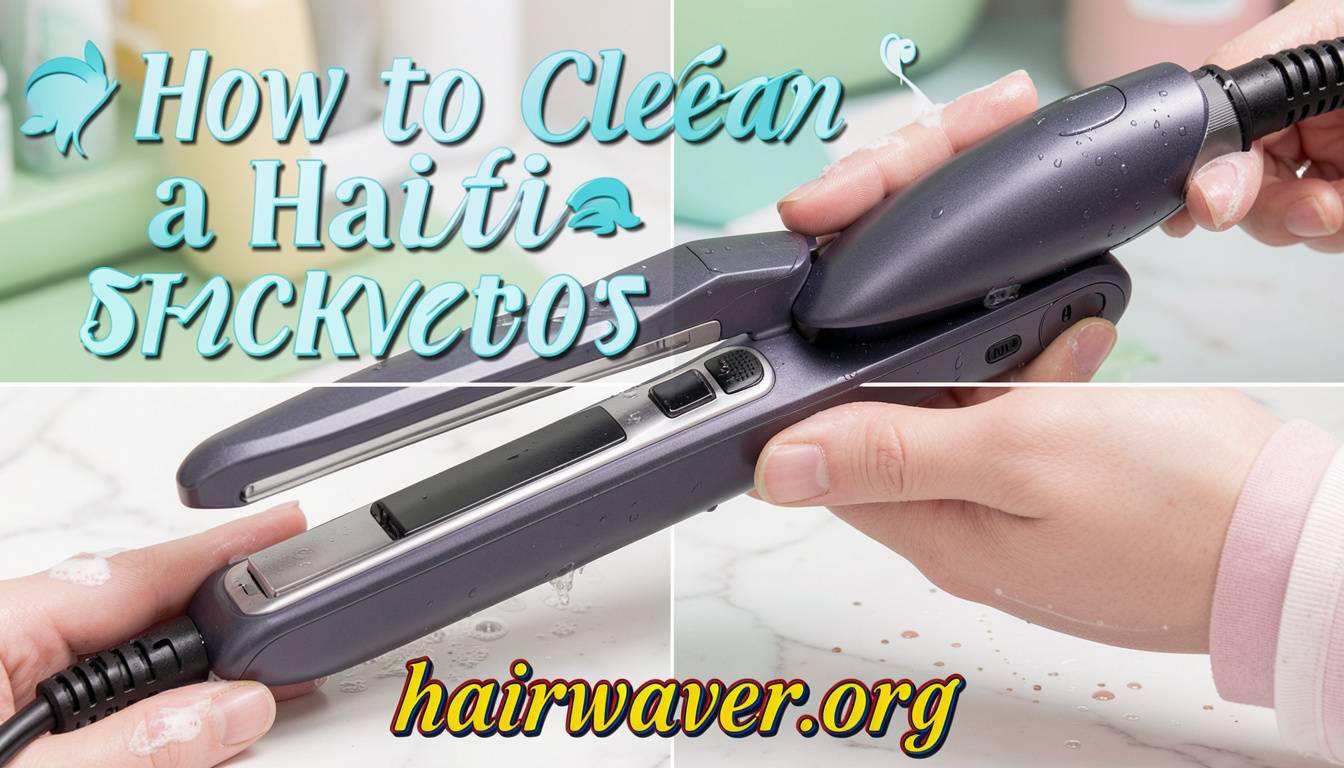
How to clean a hair straightener in 60 seconds: Unplug it first. Let it cool until warm. Dip a microfiber cloth or cotton pad in rubbing alcohol. Wipe the plates gently. Remove all residue. Let it dry completely before using again. source: cloudninehair.com
What Is a Hair Straightener?
A hair straightener is a heated styling tool that uses two flat plates pressed together to smooth and straighten hair. The plates heat up to temperatures ranging from 250°F to 450°F (120°C to 230°C). Most modern straighteners use ceramic, tourmaline, or titanium plates for even heat distribution.
The plates directly contact your hair during every use. This constant contact transfers heat, but also transfers whatever residue sits on those plates. Clean plates glide smoothly. Dirty plates snag, pull, and damage hair. Understanding this simple fact makes cleaning feel less like a chore and more like hair care.
Why You Should Clean a Hair Straightener Regularly
Prevent Hair Damage and Bacteria Buildup
Product buildup on your straightener plates creates an uneven surface. This uneven surface snaggs hair and causes breakage. Burnt product residue also generates extra heat in concentrated spots, creating hot spots that scorch your strands.
Bacteria buildup is a real concern that most people overlook entirely. Your straightener collects dead skin cells, scalp oils, and product residue. These create an ideal environment for bacterial growth. Every time you use a dirty tool, you introduce that bacteria directly to your hair and scalp. hairwaver
Preventing hair damage and bacteria buildup is the most compelling reason to clean your straightener regularly. The difference in hair quality between someone who cleans their tool monthly versus someone who never does is genuinely noticeable.
Extend Your Straightener’s Lifespan
A clean straightener works better and lasts longer. Product buildup interferes with heat distribution across the plates. Your tool compensates by working harder, which strains the internal components. Regular cleaning removes this burden and keeps your straightener performing at peak efficiency.
Quality straighteners cost anywhere from fifty to several hundred dollars. Protecting that investment through simple regular cleaning makes obvious financial sense. Most quality tools last five to ten years with proper care.
Get Better Styling Results
A clean straightener glides smoothly through hair. Dirty plates drag and require multiple passes over the same section. Multiple passes mean more heat exposure for your hair. More heat exposure means more damage. Cleaning your straightener literally reduces the heat damage your hair receives during styling.
How Do You Clean a Hair Straightener Safely?
Can You Use Rubbing Alcohol to Clean a Hair Straightener?
Yes, rubbing alcohol is the best solution for cleaning hair straightener plates. Use isopropyl alcohol at 70% concentration or higher. It dissolves product buildup effectively without damaging ceramic or titanium plate surfaces. It also evaporates quickly, leaving no moisture residue that could damage internal components.
Do not use bleach, harsh chemical cleaners, or abrasive scrubbing pads. These damage the plate coating and reduce your tool’s effectiveness. Rubbing alcohol is both safe and highly effective.
Step-by-Step Cleaning Checklist
Follow these steps every time you clean your hair straightener for safe, effective results. hairwaver
Step 1: Unplug the Straightener Before Cleaning
This is non-negotiable. Always unplug your straightener before beginning any cleaning process. A live electrical appliance combined with liquid cleaner creates a genuine safety hazard. Unplug it completely and confirm it is disconnected from power before touching the plates.
Step 2: Let It Cool Until Warm, Not Hot
Do not clean a hot straightener. Extremely hot plates make cleaning dangerous and can damage the cleaning cloth. However, do not wait until the plates are completely cold either. Slightly warm plates loosen product buildup more effectively than cold ones. Wait approximately ten to fifteen minutes after unplugging for optimal cleaning temperature.
Step 3: Gather Your Supplies
You need only a few items: VISIT…
- Microfiber cloth: Gentle on plates and highly effective at trapping residue
- Cotton pads: Ideal for smaller areas and corners where plates meet the body
- Rubbing alcohol at 70% or higher: The primary cleaning solution
- Soft toothbrush (optional): For stubborn buildup in crevices
Step 4: Apply Alcohol and Wipe the Plates
Dampen your microfiber cloth or cotton pad with rubbing alcohol. Do not soak it. You want it damp, not dripping. Gently wipe each plate in long, smooth strokes from top to bottom. Apply light pressure for regular maintenance cleaning.
For stubborn buildup, let the alcohol-dampened cloth sit on the plate for thirty seconds before wiping. This loosens dried product effectively.
Step 5: Address Stubborn Residue
Sometimes product builds up in the edges where plates meet the housing. Use a cotton pad folded into a point to access these tight areas. A soft toothbrush dipped lightly in alcohol works well for really stubborn spots. Scrub gently in small circular motions.
Step 6: Wipe Down the Exterior
Clean the body of the straightener with a separate damp cloth. Remove fingerprints, oil, and product splatter from the handle and housing. Keep moisture away from the cord connection point.
Step 7: Let It Dry Completely
Allow the straightener to air dry for at least five minutes before storing or using again. Rubbing alcohol evaporates quickly, so this process is fast. Never apply heat to speed up drying by plugging it back in while still damp.
Common Mistakes to Avoid
Cleaning While Plugged In
This is the most dangerous mistake you can make. Cleaning while plugged in creates electrical shock risk. Always confirm the device is unplugged before starting. Make this a non-negotiable habit every single time.
Using Excessive Water
Water and electronics are a dangerous combination. Never run your straightener under water. Never submerge it. Avoid soaking your cleaning cloth. Excess moisture can seep into internal components, causing damage or creating electrical hazards. Stick to lightly dampened cloths only. VISIT…
Skipping the Cooling Period
Cleaning plates that are too hot damages your cleaning materials and can cause minor burns. Cleaning plates that are completely cold makes removing buildup much harder. The warm stage, about ten to fifteen minutes after unplugging, is ideal.
How Often Should You Clean Your Straightener?
The answer depends on how often you use it:
- Daily users: Clean once per week
- Regular users (3 to 4 times weekly): Clean every two weeks
- Occasional users (once weekly): Clean monthly
Heavy product users should clean more frequently. If you apply heat protectant, serums, or styling creams before straightening, product transfers to your plates with every use. These users benefit from weekly cleaning regardless of usage frequency.
Conclusion
Knowing how to clean a hair straightener properly protects your hair, extends your tool’s lifespan, and improves your styling results. The process takes less than five minutes. The benefits are immediate and long-lasting. Preventing hair damage and bacteria buildup is one of the simplest forms of hair care you can practice.
Start with the checklist above. Unplug first. Let it cool until warm. Use a microfiber cloth and rubbing alcohol. Wipe thoroughly. Let it dry. That is genuinely all it takes to maintain a straightener that performs beautifully every single time you use it.
Do you clean your straightener regularly? Share your experience and favorite cleaning tricks in the comments below. Pass this guide to a friend whose styling tool has seen better days.
FAQs About How to Clean a Hair Straightener
1. How often should I clean my hair straightener? Daily users should clean weekly. Regular users every two weeks. Occasional users monthly. Heavy product users benefit from more frequent cleaning regardless of usage.
2. Can I use water alone to clean my straightener plates? Water works for light residue but is less effective than rubbing alcohol. Never use excessive water near electrical components. Alcohol is safer and more effective.
3. What removes stubborn buildup from straightener plates? Let a rubbing alcohol-dampened cloth sit on the affected area for thirty seconds before wiping. A soft toothbrush dipped lightly in alcohol works for particularly stubborn residue in corners.
4. Can I clean my straightener while it is still hot? No. Always unplug and let it cool to warm before cleaning. Cleaning hot plates is dangerous and damages cleaning materials.
5. Does cleaning my straightener actually improve hair health? Yes. Dirty plates transfer bacteria, product residue, and oils directly onto your hair. Clean plates glide smoothly and distribute heat evenly, reducing damage.
6. What type of cloth works best for cleaning hair straightener plates? Microfiber cloths are ideal. They are gentle on plate coatings and trap residue effectively. Cotton pads work well for corners and edges.
7. Is rubbing alcohol safe for ceramic plates? Yes. Isopropyl alcohol at 70% or higher is completely safe for ceramic, titanium, and tourmaline plate surfaces. It cleans effectively without damaging coatings.
8. My straightener has a white powdery residue on the plates. What is it? White residue usually comes from heat protectant sprays or styling products. Rubbing alcohol removes this effectively. Wipe several times if residue is heavy.
9. Can dirty straightener plates cause hair breakage? Yes. Buildup creates an uneven surface that snags and pulls hair during straightening. This mechanical tension causes breakage, especially in fine or damaged hair.
10. How long should I wait after cleaning before using my straightener? Wait at least five minutes for the rubbing alcohol to evaporate completely. The plates should be fully dry before applying heat.
also read: hairwaver.org
email: johanharwen@314gmail.com
Author Name: achel Monroe
About the Author : achel Monroe is a certified cosmetologist and beauty educator with over ten years of experience in professional hair styling and hair care education. She specializes in tool maintenance, heat styling techniques, and hair health. Rachel believes that proper tool care is the foundation of healthy, beautiful hair. She regularly shares practical tips that make professional-level hair care accessible to everyone at home. When not writing or teaching, Rachel runs her own salon in Chicago.