
Introduction
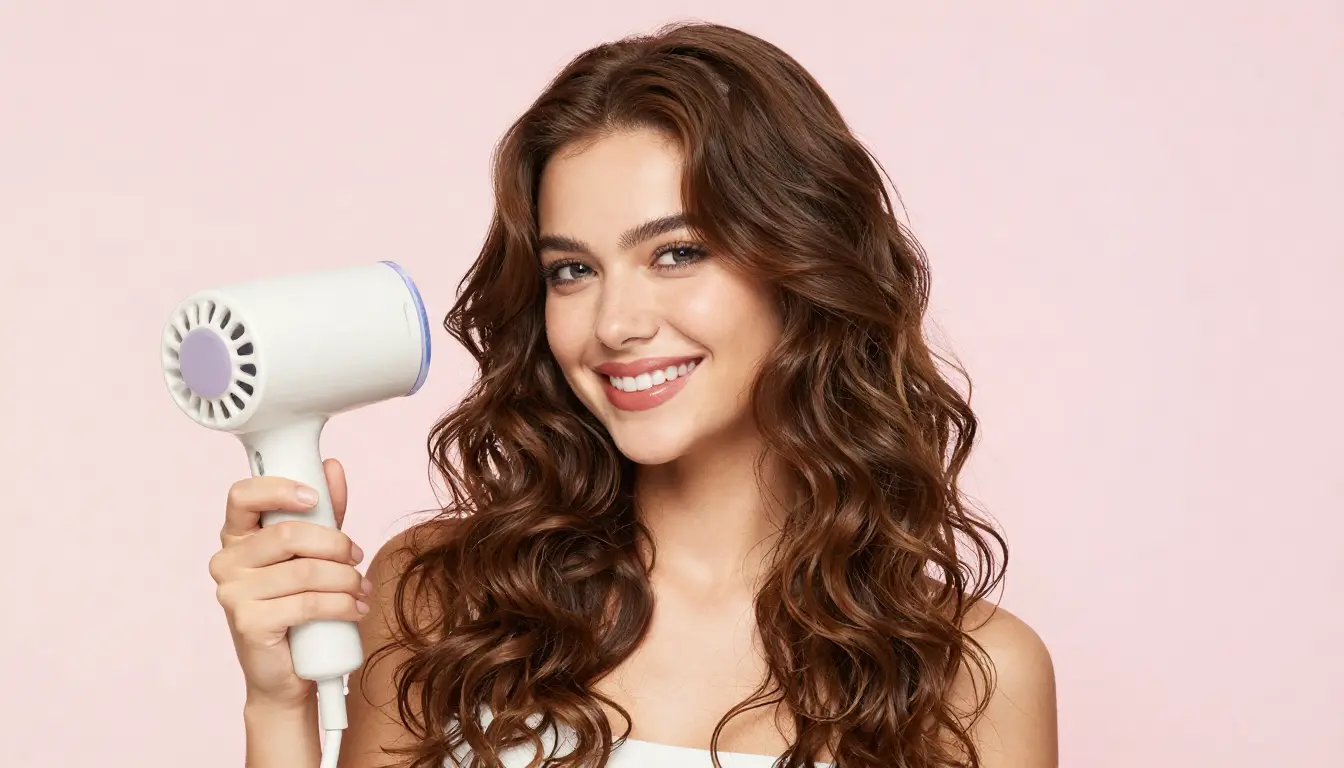
You know that effortless, beachy wave look you keep saving on Pinterest? Getting there does not have to mean hours of frustration or fried hair. That is exactly where ceramic hair waver benefits come in. More and more women (and men) are switching to ceramic wave irons, and honestly, the results speak for themselves.
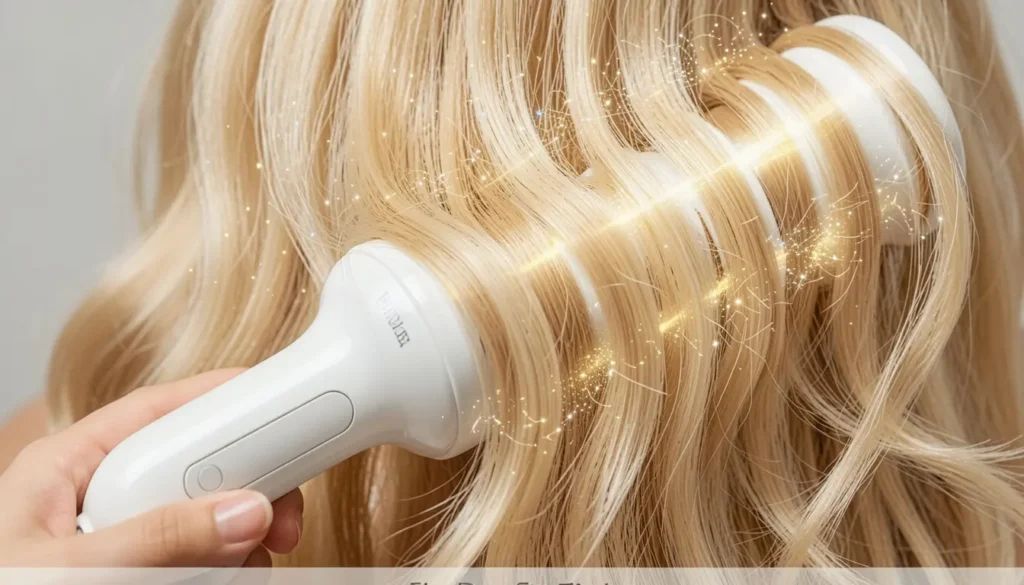
Ceramic hair styling tools have taken the beauty world by storm. They deliver smooth, shiny waves with far less heat damage than traditional metal tools. Whether you have fine, thick, curly, or color-treated hair, a ceramic wave iron can genuinely transform your styling routine.
In this article, you will learn everything you need to know. We cover what ceramic technology actually does, how it compares to titanium, whether it suits fine hair, and which features hairstylists actually recommend. By the end, you will know exactly what to look for in your next beach wave hair tool.
What Are the Benefits of a Ceramic Hair Waver?
Ceramic hair wavers offer several genuine advantages that set them apart from older styling tools.
Here are the top benefits you can expect:
- Even heat distribution: Ceramic coating spreads heat uniformly across the plates. This means no hot spots that burn one section while underlaying another.
- Smoother, shinier waves: The smooth ceramic surface glides through your hair without snagging. The result is glossy, frizz-free waves that look salon-worthy.
- Faster styling time: Because heat distributes evenly, each wave sets quickly. You spend less time holding the tool in place.
- Hair texture enhancement: Regular use with proper heat settings can actually improve the way your hair looks and feels over time.
- Long-lasting hair waves: Waves created with ceramic tools tend to hold their shape longer because the heat seals the cuticle without causing excessive stress.
- Less static and frizz: Ceramic naturally reduces static buildup, which means smoother, calmer hair after styling.
These ceramic hair waver benefits make it a go-to tool for both everyday users and professional stylists.
Is a Ceramic Hair Waver Better Than Titanium?
This is one of the most common questions people ask, and the honest answer is: it depends on your hair type.
Ceramic is better for:
- Fine or damaged hair
- Color-treated or chemically processed hair
- Everyday home styling
- Beginners who are still learning temperature control
Titanium is better for:
- Very thick or coarse hair that resists styling
- Professional stylists who need rapid heat recovery
- High-volume styling sessions
Titanium heats up faster and reaches higher temperatures. However, that power can be too aggressive for delicate hair. Ceramic heats gently and consistently, making it a safer choice for most people. If you want styling without excessive damage, ceramic wins for the majority of hair types.
Does a Ceramic Hair Waver Damage Hair?
Every heated styling tool carries some risk of damage. However, ceramic wave irons are specifically designed to reduce that risk.
Here is why ceramic causes less damage:
- The smooth surface does not pull or snag hair strands
- Even heat distribution prevents overheating in one spot
- Lower required temperatures still achieve great results
- The sealed cuticle retains moisture better after styling
That said, damage still happens if you skip heat protection or use the wrong temperature. Always apply a quality heat protectant spray before you style. This is one step you should never skip, no matter how gentle the tool.
Can Ceramic Hair Wavers Reduce Frizz?
Yes, and this is one of the standout ceramic hair waver benefits that users rave about.
Frizz happens when the hair cuticle is rough or raised. Humidity sneaks in and causes strands to swell and puff out. Ceramic technology works against this in two important ways.
First, the smooth ceramic surface seals the hair cuticle as it styles. Second, ceramic produces far infrared heat, which penetrates the hair shaft gently. This dries hair from the inside out rather than burning the outside layer. The result is softer, more manageable, frizz-free waves that stay smooth even in humid conditions.
If frizz is your biggest hair concern, a ceramic wave iron is one of the smartest investments you can make.
Are Ceramic Hair Wavers Good for Fine Hair?
Absolutely. In fact, fine hair users benefit the most from ceramic tools.
Fine hair is delicate. It heats up quickly and can burn or break at temperatures that thicker hair handles with ease. Ceramic wave irons allow you to set lower temperatures while still achieving beautiful waves. You get hair texture enhancement without putting fragile strands under stress.
If you have fine hair, look for a ceramic waver with:
- Adjustable temperature settings starting at 250°F (120°C) or lower
- Lightweight barrel design for easy maneuvering
- A quick-heat feature so you are not waiting and repeatedly pressing hot plates together
Fine hair can hold waves beautifully when the right tool is used at the right temperature.
Expert Recommendations for Choosing a Ceramic Hair Waver
Professional hairstylists have strong opinions about what makes a great ceramic wave iron. Here is what the experts consistently recommend:
1. Look for 100% ceramic plates, not ceramic-coated Ceramic coating wears off over time. Full ceramic plates last longer and perform more consistently.
2. Choose adjustable temperature settings One fixed temperature does not work for everyone. You need control.
3. Pick the right barrel size Smaller barrels (less than 1 inch) create tighter waves. Larger barrels (1.5 inches or more) create loose, beachy waves. Know what look you want before you buy.
4. Check for a swivel cord A rotating cord prevents tangling and makes styling easier, especially on the back of your head.
5. Consider weight and grip A heavy tool causes arm fatigue. Look for something balanced and comfortable to hold for extended sessions.
Best Ceramic Hair Waver Features According to Hairstylists
When you talk to professional stylists, they point to the same key features every time:
- Tourmaline-infused ceramic: Tourmaline is a semi-precious mineral that boosts the negative ion output of ceramic tools. More negative ions mean shinier, smoother, more frizz-free waves.
- Auto shut-off: A must-have safety feature for busy people.
- Fast heat-up time: Ideally under 60 seconds, so you are not waiting around.
- Wide temperature range: A range from 250°F to 450°F covers every hair type.
- Cool-tip design: Protects your fingers while you work.
These features separate a basic ceramic wave iron from a truly professional hair waver worth your money.
Scientific Explanation of Ceramic Heat Technology
Here is something most people do not know: ceramic tools work differently at a molecular level.
Ceramic generates far infrared heat. This is a wavelength of heat energy that penetrates deep into the hair shaft rather than just heating the surface. Traditional metal tools heat from the outside in, which can dehydrate the outer cuticle quickly.
Ceramic coating technology also produces negative ions. Hair naturally carries a positive charge, especially when dry or damaged. Negative ions neutralize that charge, causing the cuticle to lie flat. This is the science behind why ceramic tools produce smoother, shinier results.
The combination of even heat distribution, far infrared energy, and negative ion output makes ceramic heat technology genuinely superior for hair health in everyday styling situations.
Hair Care Tips When Using Heated Styling Tools
Even the best ceramic wave iron cannot protect your hair on its own. You need to build good habits around your styling routine.
Follow these tips every time you style:
- Always apply heat protection for hair before touching any hot tool to your strands
- Start with clean, fully dry hair. Styling damp hair causes more damage
- Section your hair before you start. Working in small sections gives better results
- Do not hold the waver on one section for more than 5 to 8 seconds
- Let waves cool completely before running your fingers through them
- Use a light-hold spray or serum to lock in the style
- Deep condition your hair at least once a week if you style frequently
These habits extend the life of your hair and your tool.
Recommended Heat Settings for Different Hair Types
Getting the temperature right is crucial. Here is a simple guide:
| Hair Type | Recommended Temperature |
|---|---|
| Fine or damaged hair | 250°F to 300°F (120°C to 150°C) |
| Normal or medium hair | 300°F to 375°F (150°C to 190°C) |
| Thick or coarse hair | 375°F to 410°F (190°C to 210°C) |
| Curly or resistant hair | 400°F to 450°F (205°C to 230°C) |
Always start at the lower end and work your way up only if needed. More heat is not always better. Gentle, consistent heat protects your hair while still delivering beautiful, long-lasting hair waves.
hairwaver.org
Pros and Cons of Ceramic Hair Wavers
No tool is perfect. Here is an honest breakdown:
Pros:
- Even heat distribution protects hair health
- Reduces frizz and static naturally
- Produces glossy, smooth and shiny waves
- Safer for fine, color-treated, and damaged hair
- Long-lasting results with proper technique
- Wide variety of price points available
Cons:
- Full ceramic plates cost more than coated alternatives
- Not ideal for very thick or resistant hair without tourmaline boost
- Ceramic coating on budget models can wear off over time
- Slightly slower heat recovery compared to titanium for professionals
For most people at home, the pros far outweigh the cons. Source: Paulmitchell.com
Conclusion
Ceramic hair waver benefits are real, proven, and worth your attention. Whether you want frizz-free waves, a safer daily styling tool, or something gentle enough for fine or color-treated hair, ceramic technology delivers. It works at a scientific level to protect your strands while giving you that polished, beachy look you love.
The key is choosing the right tool with the right features, using the correct heat setting for your hair type, and never skipping your heat protectant. Do those three things consistently, and your hair will thank you.
So tell me: are you still using an old metal tool, or are you ready to make the switch to ceramic? Drop your thoughts, and if this guide helped you, share it with a friend who is on the fence about their next hair styling purchase.
Frequently Asked Questions
Q1. What are the main ceramic hair waver benefits for everyday users? The biggest benefits are even heat distribution, reduced frizz, shinier waves, and less heat damage compared to metal or titanium tools.
Q2. How often can I use a ceramic hair waver? You can use it daily if you apply heat protection and use the correct temperature for your hair type. For best results, aim for 3 to 4 times a week.
Q3. Is ceramic or titanium better for thick hair? Titanium heats faster and reaches higher temperatures, making it better for very thick or coarse hair. However, a ceramic waver with tourmaline works well for most thick hair types too.
Q4. Do ceramic hair wavers work on short hair? Yes. Smaller barrel sizes (0.75 to 1 inch) are ideal for creating waves in shorter hair lengths.
Q5. Can I use a ceramic wave iron on color-treated hair? Yes. Ceramic is one of the safest options for color-treated hair because it uses lower, more consistent heat that does not strip color as aggressively.
Q6. How do I protect my hair when using a ceramic waver? Always use a heat protectant spray, work on fully dry hair, avoid holding the tool in one spot too long, and deep condition weekly.
Q7. What is the difference between ceramic-coated and full ceramic plates? Ceramic-coated plates have a thin layer of ceramic over a metal core. Full ceramic plates are made entirely of ceramic. Full ceramic performs better and lasts longer.
Q8. Can a ceramic hair waver reduce frizz in humid weather? Yes. The negative ions produced by ceramic tools seal the hair cuticle, which helps block humidity and keep frizz under control longer.
Q9. Are ceramic hair wavers safe for beginners? Absolutely. The even heat and generally lower required temperatures make ceramic wavers one of the most beginner-friendly styling tools available.
Q10. How do I clean and maintain my ceramic hair waver? Unplug the tool and let it cool completely. Wipe the plates with a damp cloth to remove product buildup. Never use abrasive scrubbers that can scratch the ceramic surface.
About the Author
Sarah Mitchell is a certified hairstylist and beauty content writer with over eight years of experience in professional hair care. She specializes in hair health, heat styling techniques, and product education. Sarah writes to help everyday people make smarter, healthier choices for their hair. When she is not testing the latest styling tools, she is teaching clients how to recreate salon looks at home.