

Introduction
Winter arrives, and suddenly your hair feels different. It becomes dry, brittle, and unmanageable seemingly overnight. If you have noticed increased frizz, static, or breakage during colder months, you are experiencing the harsh reality of seasonal hair damage.
Hair care during winter season requires special attention because cold air, indoor heating, and reduced humidity strip moisture from your strands. What worked perfectly in summer often fails during winter. Your hair needs different products, different routines, and extra protection.
This guide covers everything you need for proper hair care during winter season. You will discover the best natural oils for combating dryness, learn how different climates affect your routine, and get practical tips you can implement immediately. Whether you live somewhere mild or face brutal winters, this guide helps you maintain healthy, beautiful hair all season long.
Why Winter Damages Your Hair
Cold air holds less moisture than warm air. This creates a naturally drying environment for your hair and scalp. Combine this with indoor heating systems that further reduce humidity, and your hair faces a moisture crisis throughout winter months. source: HairClub
Static electricity becomes more common in dry winter air. Your hair strands lose moisture and become more prone to flyaways and frizz. Additionally, hot showers that feel wonderful in cold weather actually strip natural oils from your scalp, worsening dryness.
Wind exposure during winter activities creates friction that damages hair cuticles. This friction leads to breakage, split ends, and overall hair weakness. Understanding these challenges helps you develop an effective hair care during winter season strategy.
Essential Oils for Winter Hair Protection
Coconut Oil
Coconut oil remains one of the most popular choices for hair care during winter season. This oil penetrates the hair shaft deeply, providing intense moisture from within rather than just coating the surface. Regular application helps prevent protein loss that leads to breakage.
Apply coconut oil to damp hair before bed, focusing on ends and dry patches. Leave it overnight for maximum absorption, then wash normally in the morning. Many people notice significant improvement in hair softness and manageability within just a few applications.
Argan Oil
Argan oil offers lightweight hydration without the heaviness some oils create. Rich in vitamin E and fatty acids, this oil helps repair damaged hair while providing protection against environmental stressors. It works particularly well for those with fine or thin hair who need moisture without weight.
Use a few drops of argan oil on dry hair to control frizz and add shine. This oil also works excellently as a leave-in treatment, providing all-day protection against harsh winter conditions. I personally love using argan oil before styling since it creates a protective barrier without leaving hair greasy.
Olive Oil
Olive oil has been used for centuries as a natural hair treatment. This kitchen staple deeply moisturizes hair while strengthening strands from root to tip. Its antioxidant properties help protect against damage caused by environmental factors common during winter.
Warm olive oil slightly before applying for enhanced penetration. Massage into your scalp and hair, then wrap with a warm towel for twenty minutes before washing. This treatment works wonderfully once or twice weekly during particularly harsh winter months.
Almond Oil
Almond oil provides excellent nourishment for both hair and scalp during winter months. Packed with vitamins A, B, and E, this oil helps combat dryness while promoting healthier hair growth. Its lighter texture makes it suitable for daily use without weighing hair down.
Apply almond oil directly to your scalp to address winter dryness and flaking. This oil also works well mixed with other oils for a customized treatment blend. Many people find almond oil particularly effective for reducing winter dandruff and scalp irritation.
Jojoba Oil
Jojoba oil closely resembles the natural oils your scalp produces, making it exceptionally effective for hair care during winter season. This similarity allows for excellent absorption without clogging pores or creating buildup. Jojoba oil helps regulate oil production while providing necessary moisture.
Use jojoba oil as a daily moisturizer for both hair and scalp. Its non-greasy formula makes it perfect for those hesitant to try oil treatments. This versatile oil works well alone or combined with other oils mentioned above for enhanced benefits.
Winter Hair Care Around the World
Different climates require adjusted approaches to hair care during winter season. Understanding regional variations helps you tailor your routine appropriately.
Canada
Canadian winters bring extreme cold and low humidity, creating particularly challenging conditions for hair health. Residents often layer heavier oils like coconut oil with protective hairstyles to minimize exposure to harsh elements. Indoor heating throughout Canadian homes and buildings compounds moisture loss, making deep conditioning treatments essential weekly rather than occasionally.
United States
Hair care during winter season varies dramatically across different American regions. Northern states experience conditions similar to Canada, requiring intensive moisture treatments. Southern states face milder winters but still benefit from lighter oil treatments to combat lower humidity levels compared to summer months.
United Kingdom
British winters bring damp cold rather than dry cold, creating unique challenges. While humidity levels remain higher than continental winters, wind and rain create different types of hair stress. Lightweight oils like argan or jojoba work well for maintaining balance without excessive heaviness in this climate.
Germany
German winters feature cold temperatures with significant indoor heating usage, similar to other Central European countries. This combination creates dry conditions both outdoors and indoors. Germans often incorporate regular deep conditioning routines using oils like olive oil to combat this dual exposure to dryness.
Norway
Norwegian winters present some of the most extreme conditions, with prolonged darkness and severe cold. Hair care during winter season here requires serious commitment to moisture retention. Heavier oils and frequent deep conditioning treatments become necessary rather than optional for maintaining healthy hair throughout the long winter months.
Practical Tips for Daily Winter Hair Care
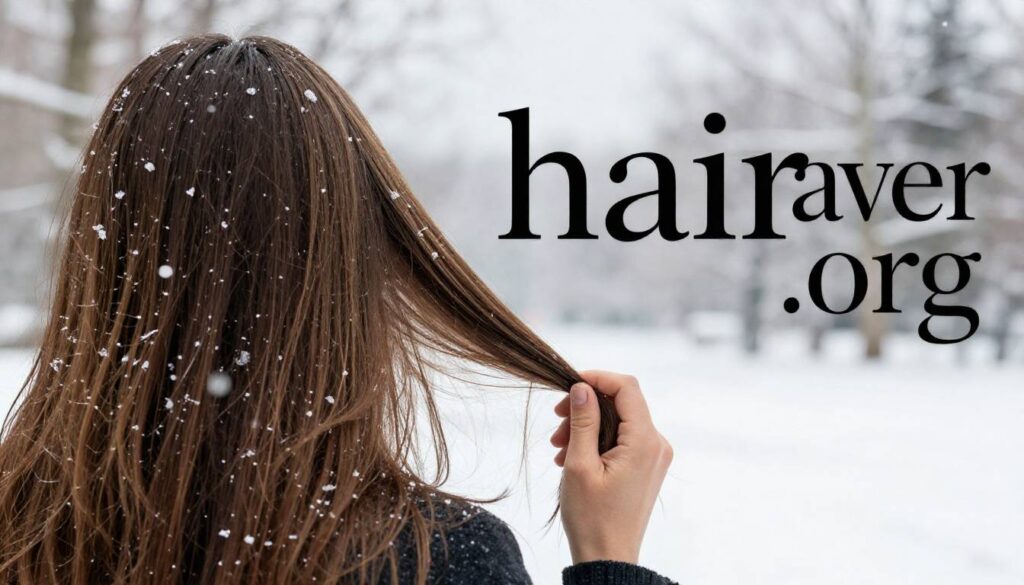
Implementing consistent habits makes the biggest difference in maintaining healthy hair throughout winter. Consider these practical strategies:
- Reduce shower temperature to lukewarm rather than hot water
- Limit hair washing to two or three times weekly to preserve natural oils
- Apply leave-in conditioner or oil treatment before heat styling
- Wear protective hats or scarves during extreme cold exposure
- Use a humidifier indoors to combat dry heating systems
- Trim hair regularly to prevent split ends from worsening
- Deep condition weekly rather than just occasionally
These simple adjustments combined with proper oil treatments create comprehensive protection against winter hair damage.
Common Winter Hair Problems and Solutions
Many people experience specific issues during colder months. Static and flyaways often result from moisture loss and can be reduced through regular oil application and using boar bristle brushes instead of plastic ones. Dandruff and scalp dryness typically worsen in winter but respond well to scalp massages using almond or jojoba oil.
Breakage and split ends increase due to reduced elasticity in dry hair. Regular deep conditioning combined with gentle handling helps minimize this damage. Dullness and lack of shine often occur when natural oils get stripped away, making regular oil treatments essential for restoring healthy shine.
Conclusion
Hair care during winter season demands attention and adjustment to your regular routine. Natural oils like coconut, argan, olive, almond, and jojoba provide powerful protection against harsh seasonal conditions. Whether you live in Canada, the United States, United Kingdom, Germany, or Norway, understanding your specific climate helps you choose the right approach.
Remember that consistency matters more than perfection when protecting your hair through winter months. Small daily habits combined with weekly deep treatments create lasting results. Your hair deserves the same seasonal care attention you give your skin.
What is your favorite oil for winter hair care? Try incorporating one new tip from this guide into your routine this week and notice the difference in your hair health.
FAQS
How often should I oil my hair during winter?
Apply lightweight oils like jojoba or argan two to three times weekly. Heavier oils like coconut work well as overnight treatments once weekly for deep moisture restoration.
Can I use multiple oils together for hair care during winter season?
Yes, combining oils often provides enhanced benefits. Try mixing coconut oil with argan oil for both deep moisture and lightweight finish without excessive greasiness.
Does washing hair less frequently actually help in winter?
Absolutely. Reducing washing frequency preserves natural oils that your scalp produces, preventing the dryness that harsh winter air already causes.
Which oil works best for extremely dry winter climates?
Coconut oil and olive oil provide the deepest moisture penetration, making them ideal choices for extreme cold climates like Canada and Norway.
Should I change my entire hair routine for winter?
Not entirely, but adjusting certain elements matters. Switch to more hydrating products, reduce heat styling, and increase deep conditioning frequency during colder months.
also read: hairwaver.org
email: johanharwen@314gmail.com
Author Name: Emma Richardson
About the Author : Emma Richardson is a certified hair care specialist with over eight years of experience helping clients maintain healthy hair through changing seasons. She combines traditional natural remedies with modern hair science to create practical, effective routines. Emma regularly shares tips based on real client experiences across different climates and hair types.