
Introduction
You step out of the pool feeling refreshed. Then you touch your hair and it feels like straw. Sound familiar? A proper hair care routine after swimming makes all the difference between healthy strands and damaged, chlorine-stripped hair.
Whether you swim laps daily or enjoy occasional beach vacations, chlorine and saltwater wreak havoc on your hair. The good news is that a consistent hair care routine after swimming protects your strands from long-term damage. This guide covers everything you need to know, from pre-swim preparation to post-swim recovery, tailored to every hair type and situation.
Is Morning or Night Better for Hair Care?
Timing matters less than consistency when it comes to hair care after swimming. However, washing your hair immediately after leaving the pool works best regardless of time of day. Chlorine and salt continue damaging your hair the longer they sit on your scalp and strands. source: Babo Botanicals
If you swim in the morning, wash your hair right after your swim rather than waiting until night. Nighttime swimmers should still rinse immediately rather than sleeping with chlorine residue. Trichologists agree that prompt rinsing matters more than the specific hour you choose. hairwaver
What Is the Best Hair Care Routine After Swimming?
Pre-Swim Protection
Wet your hair with fresh water before entering the pool. This simple step reduces chlorine absorption since your hair strands are already saturated with clean water. Apply a leave-in conditioner or swim-specific protective spray to create a barrier. Braiding your hair or wearing a swim cap adds extra protection.
Immediate Post-Swim Care
Rinse your hair thoroughly with fresh water immediately after swimming. This removes surface chlorine and salt before they penetrate deeper into your hair shaft. Follow with a clarifying shampoo to break down mineral buildup. Apply a deep conditioning treatment to restore moisture and elasticity.
Weekly Maintenance
Use a clarifying shampoo once or twice weekly if you swim regularly. Incorporate a protein treatment every two weeks to strengthen weakened strands. Regular trims every six to eight weeks prevent split ends from worsening.
Should You Wash Your Hair After Swimming?
Yes, washing your hair after swimming is essential, especially after chlorine exposure. Dermatologists confirm that chlorine strips natural oils from your scalp, causing dryness and irritation if left untreated. Skipping this step allows chemicals to continue damaging your hair over time.
However, you do not always need shampoo. A simple water rinse works for casual, brief swims. Save clarifying shampoo for regular swimmers or after extended pool sessions. Over-washing with harsh shampoo can strip your hair further, so balance matters. hairwaver
How Do You Remove Chlorine From Hair?
The Vitamin C Method
Crush vitamin C tablets and mix them with water to create a paste. Apply this mixture to wet hair and let sit for a few minutes before rinsing. Vitamin C effectively neutralizes chlorine molecules, according to trichologist research. This method works particularly well for lighter hair colors affected by green tinting.
Clarifying Shampoo Solution
Choose a clarifying shampoo specifically formulated to remove mineral and chemical buildup. Apply generously and massage into your scalp for at least one minute. Rinse thoroughly and follow with deep conditioning. This remains the most reliable method recommended by dermatologists.
Baking Soda Rinse
Mix baking soda with water to create a paste that removes chlorine residue. Apply to damp hair, focusing on areas most exposed to pool water. Rinse completely and follow with conditioner to restore pH balance. Use this method sparingly since baking soda can be drying with frequent use.
Can Swimming Damage Your Hair?
Absolutely, swimming can significantly damage your hair without proper protection. Chlorine strips natural oils, leaving hair dry, brittle, and prone to breakage. Saltwater similarly dehydrates hair strands, causing tangles and roughness.
Prolonged exposure weakens the hair cuticle, making strands more susceptible to split ends and breakage. Color-treated hair fades faster with chlorine exposure. Curly and coily hair types experience increased frizz and dryness. Understanding these risks helps you implement preventive measures before problems develop.
How Often Should Swimmers Use Clarifying Shampoo?
Regular swimmers should use clarifying shampoo one to two times weekly. Daily swimmers might need it after every swim session, though this depends on hair type and chlorine concentration. Occasional swimmers can use clarifying shampoo just once after each pool visit.
Overusing clarifying shampoo strips too much natural oil, causing dryness. Balance clarifying treatments with deep conditioning to maintain healthy moisture levels. Listen to your hair, if it feels excessively dry, reduce clarifying shampoo frequency and increase conditioning.
Chlorine and Saltwater Effects Explained
Chlorine breaks down the protein bonds in your hair, weakening its structure over time. This chemical also strips the protective lipid layer, leaving hair vulnerable to environmental damage. Saltwater, while natural, dehydrates hair through osmosis, pulling moisture out of each strand.
Both substances alter hair porosity, making strands more absorbent to future damage. Repeated exposure without proper care leads to cumulative damage that becomes increasingly difficult to reverse. This is why establishing a consistent hair care routine after swimming matters so much.
Routines for Different Hair Types
Straight Hair
Straight hair tends to show chlorine buildup as dullness and stiffness. Use lightweight clarifying shampoo followed by a hydrating conditioner. Avoid heavy products that weigh down straight strands.
Curly Hair
Curly hair loses definition and gains frizz from chlorine exposure. Deep condition weekly with rich, moisturizing formulas. Use the finger-detangling method rather than brushing to preserve curl pattern.
Wavy Hair
Wavy hair sits between straight and curly needs. Balance clarifying treatments with lightweight leave-in conditioners. Avoid over-drying products that flatten natural wave texture.
Coily Hair
Coily hair requires the most intensive post-swim care due to its natural dryness. Deep condition immediately after every swim. Use protective styles like twists or braids to minimize direct chlorine contact.
Special Care for Color-Treated and Chemically Treated Hair
Color-treated hair fades faster with chlorine exposure, especially for blonde and red shades. Use color-safe clarifying shampoo to remove chlorine without stripping color pigments. Apply UV and heat protectant products before swimming to preserve color vibrancy.
Chemically treated hair, including relaxed or permed hair, becomes more fragile with chlorine exposure. Deep protein treatments become essential for maintaining structural integrity. Consult your stylist about protective products specifically designed for chemically processed hair.
Seasonal Advice for Swimmers
Summer and Beach Vacations
Summer sun combined with saltwater creates double exposure risk. Apply leave-in UV protectant before beach days. Rinse hair with fresh water immediately after ocean swims, even before returning home. hairwaver
Indoor Pool Season
Indoor pools often contain higher chlorine concentrations than outdoor pools. Winter swimmers should moisturize more frequently since indoor heating adds additional dryness. Maintain consistent deep conditioning throughout colder months.
Dermatologist and Trichologist Approved Practices
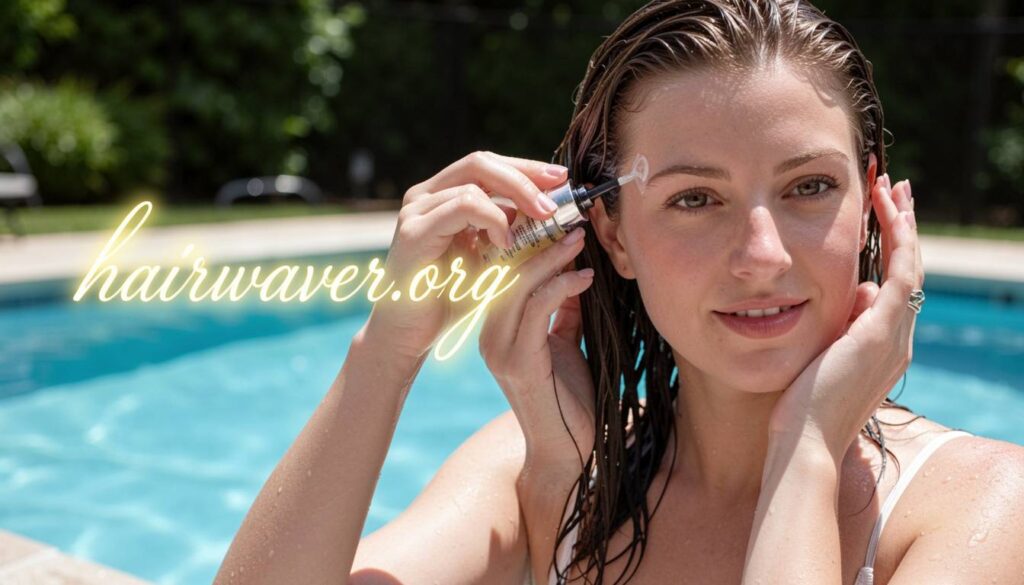
Experts recommend applying oil treatments before swimming to create a protective barrier. Trichologists suggest weekly scalp massages to stimulate healthy circulation and counteract dryness. Dermatologists emphasize sun protection for hair, similar to skin, since UV rays compound chlorine damage.
Professional consensus supports gentle, sulfate-free shampoos for daily use, reserving clarifying formulas for post-swim sessions only. This balanced approach prevents over-stripping while addressing chemical buildup effectively.
Conclusion
A proper hair care routine after swimming protects your strands from chlorine and saltwater damage. From pre-swim preparation to post-swim deep conditioning, each step matters for maintaining healthy, vibrant hair. Tailoring your routine to your specific hair type and treatment history ensures optimal results.
Remember that consistency beats perfection. Even simple steps like rinsing immediately after swimming make a significant difference over time. What is your go-to hair care routine after swimming? Share your tips below and help fellow swimmers protect their hair too.
FAQs
1. Should I wet my hair before swimming?
Yes, wetting hair with fresh water before swimming reduces chlorine absorption. Saturated hair strands absorb less pool water, minimizing chemical damage.
2. How long should I wait to wash my hair after swimming?
Wash immediately, ideally within thirty minutes of leaving the pool. Prompt rinsing prevents chlorine from penetrating deeper into your hair shaft.
3. Can I use regular shampoo instead of clarifying shampoo?
Regular shampoo works for occasional swims, but clarifying shampoo removes chlorine and mineral buildup more effectively for regular swimmers.
4. Why does my hair turn green after swimming?
Copper in pool water, not chlorine itself, causes greenish tints, especially in light-colored hair. Vitamin C treatments help neutralize this discoloration.
5. Is coconut oil good for swimmers hair?
Yes, coconut oil creates a protective barrier before swimming and helps restore moisture afterward, making it excellent for pre and post swim care.
also read: hairwaver.org
email: johanharwen@314gmail.com
Author Name: Sarah Bennett
About the Author : Sarah Bennett is a certified trichologist and beauty writer with over eight years of experience specializing in hair health for active lifestyles. She works closely with competitive swimmers and fitness enthusiasts to develop practical hair care solutions. Sarah combines clinical expertise with real-world testing to deliver advice that actually works for everyday readers.