
Introduction
You just bought a new curling wand and you cannot wait to try it. But before you clamp that hot barrel onto your hair, there is one step you should never skip. Using the best heat protectant before waving hair is the difference between soft, shiny curls and dry, brittle ends that snap off in your hairbrush.
Heat styling tools can reach temperatures above 400 degrees Fahrenheit. That kind of heat strips moisture from your hair shaft and weakens its protein structure. A good heat protectant creates a barrier that reduces this damage and keeps your waves looking smooth and healthy.
In this article, I will walk you through how to apply heat protectant the right way, the common mistakes people make, expert recommended products, and a simple step by step routine you can follow before every wave session.
What Is a Heat Protectant?
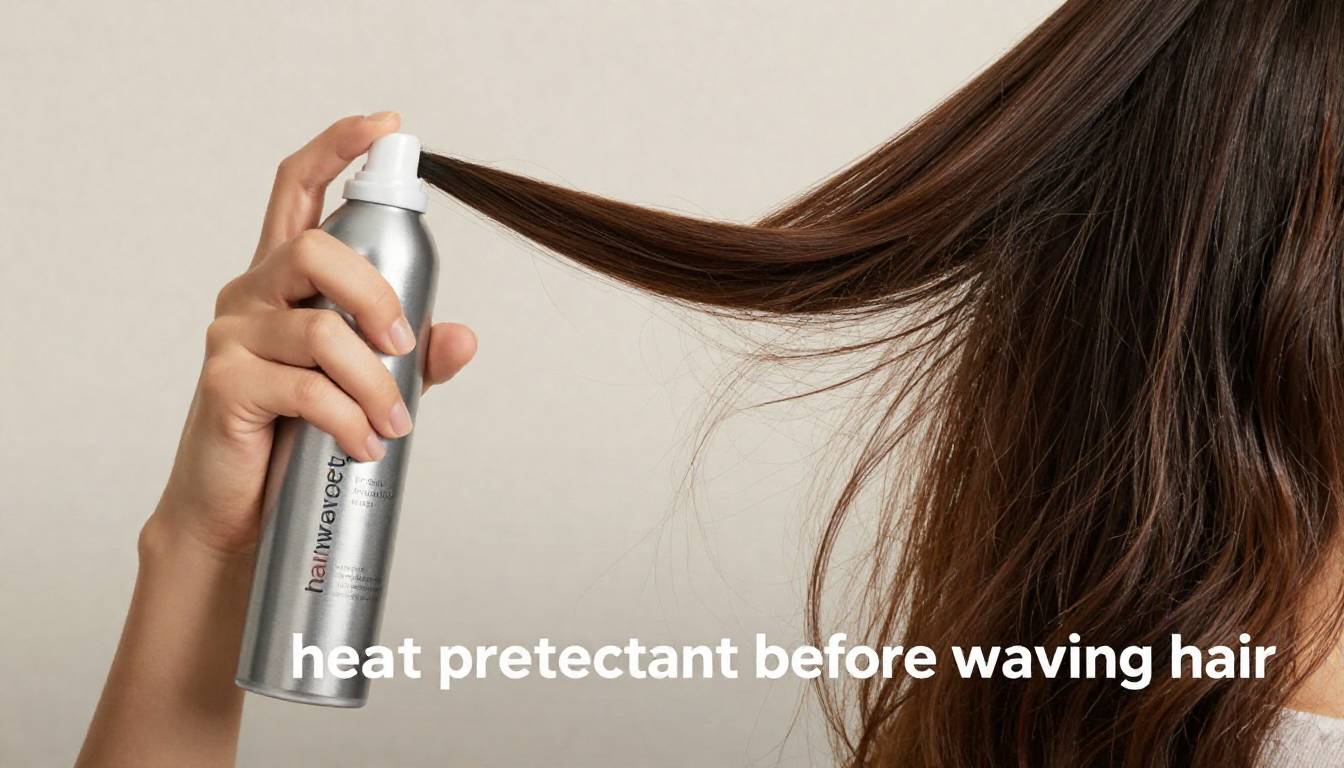
A heat protectant is a hair product, usually a spray, cream, or serum, that forms a protective coating around each strand. This coating reduces moisture loss and limits heat transfer during styling. It does not make your hair completely heatproof, but it significantly lowers the risk of damage. source: Allure
Why You Need Heat Protectant Before Waving Hair
Waving irons and curling wands apply direct, prolonged heat to small sections of hair. Without protection, this heat can cause: hairwaver
- Split ends
- Frizz and flyaways
- Dull, dry texture
- Protein loss that weakens the hair over time
A quality heat protectant locks in moisture and smooths the cuticle layer. This gives your waves better hold and a shinier finish too.
How to Apply Heat Protectant Correctly
Getting the technique right matters just as much as picking the right product. Follow these tips for the best results.
Start With Clean, Slightly Damp or Fully Dry Hair
Most heat protectants work best on either towel dried hair before blow drying or on fully dry hair right before you use a waving iron. Check your product label since sprays and serums often have different instructions.
Section Your Hair
Divide your hair into two to four sections using clips. This helps you cover every strand evenly instead of only spraying the surface layer.
Apply From Mid Length to Ends
Focus the product on the mid shaft and ends since these areas are more porous and prone to damage. Avoid piling it near your roots because this can weigh your hair down and make it look greasy. hairwaver
Comb It Through
Use a wide tooth comb to distribute the product evenly. This step prevents patchy application, which can leave some strands unprotected.
Wait Before Styling
Give the product about sixty seconds to absorb and, if using a spray on damp hair, let it dry partially before you start waving. Applying heat to a wet product can cause it to bubble or steam, which damages the hair further.
Common Mistakes to Avoid
Even with a great product, small errors can undo your efforts. Watch out for these habits.
- Skipping the roots to ends technique. Spraying only the top layer leaves inner strands exposed.
- Using too little product. A light mist is not enough for thick or long hair. Use enough to coat every section.
- Applying it too close to the scalp. This causes buildup and oily roots. VISIT…
- Styling immediately after spraying wet hair. Let it settle first.
- Choosing the wrong formula for your hair type. Fine hair needs a lightweight spray while thick or coarse hair benefits from a cream or serum.
- Forgetting to reapply. If you touch up your waves later in the day, refresh the protectant on any section you restyle.
Expert Recommendations
Hairstylists consistently recommend looking for a protectant that shields hair up to at least 400 degrees Fahrenheit and contains ingredients like silicones, keratin, or panthenol. These ingredients smooth the cuticle and add slip, which reduces friction and breakage during styling.
Many professionals also suggest choosing a lightweight, alcohol free formula if you have fine or color treated hair, since heavy products can cause buildup and dullness over time. For thicker or curly hair textures, a cream based protectant tends to offer more nourishment alongside the heat defense.
You can find trusted, dermatologist and stylist approved options at major retailers including Amazon, Walmart, Target, Ulta Beauty, and Sephora. Shopping at these stores also gives you access to reviews from real customers, which helps you compare performance before buying.
Quick Step by Step Guide
Here is a simple routine to follow every time you plan to wave your hair.
- Wash and condition your hair as usual.
- Towel dry until damp, not dripping.
- Section hair into two to four parts. VISIT…
- Apply heat protectant evenly from mid length to ends.
- Comb through with a wide tooth comb.
- Blow dry hair fully if your protectant requires dry hair for waving.
- Apply a second light layer of protectant if your hair is thick or long.
- Set your waving iron to a safe temperature, ideally between 300 and 380 degrees Fahrenheit.
- Wave your hair in small sections for even, lasting curls.
- Finish with a light hairspray to hold your style without adding extra heat.
Frequently Asked Questions
What is the best heat protectant before waving hair? The best option depends on your hair type, but sprays and serums with silicones, keratin, and a heat protection rating above 400 degrees Fahrenheit are widely recommended by stylists.
Do I need heat protectant on dry hair? Yes. Apply it right before using a waving iron or curling wand, even if your hair is already dry.
Can I use heat protectant every day? Yes, if you style your hair with heat daily, using a lightweight protectant every time helps prevent cumulative damage.
Does heat protectant work on all hair types? Most formulas work on all hair types, but you should choose a lighter spray for fine hair and a richer cream for thick or curly hair.
How much heat protectant should I use? Use enough to lightly coat every section of hair, usually two to four sprays or a dime sized amount of cream for medium length hair.
Can I skip heat protectant if my iron has a low setting? No. Even low heat settings can dry out hair over repeated use, so protectant is still recommended.
Is heat protectant the same as leave in conditioner? No. Leave in conditioner adds moisture, while heat protectant specifically creates a barrier against heat damage. Some products combine both benefits.
Where can I buy the best heat protectant? You can shop trusted options at Amazon, Walmart, Target, Ulta Beauty, and Sephora.
Final Thoughts
Waving your hair can give you gorgeous, bouncy curls, but only if you protect your strands first. Applying the best heat protectant before waving hair the correct way, avoiding common mistakes, and following a simple routine will keep your hair healthy and your waves looking salon fresh. Next time you reach for your waving iron, take that extra minute to protect your hair first. Your strands will thank you.
also read: hairwaver.org
email: johanharwen@314gmail.com
Author Name: Our beauty
About the Author : Our beauty and hair care team combines years of hands on styling experience with research backed advice to help readers make smarter choices for healthier hair. We test tips and products with real world routines in mind so every recommendation feels practical and trustworthy.