
Introduction
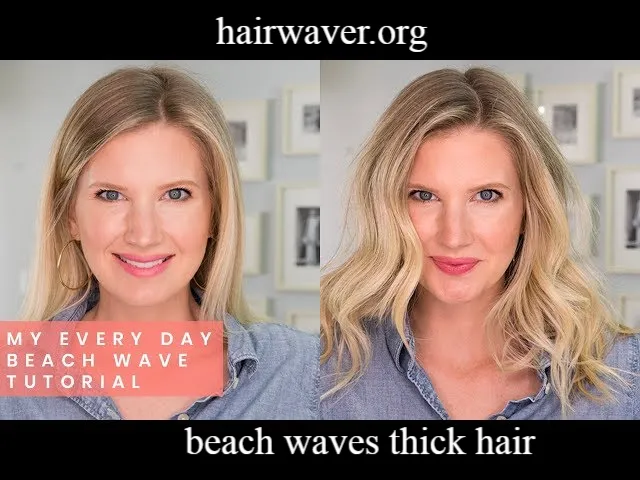
Getting beautiful waves can feel surprisingly difficult when your hair is thick. You may spend time curling every section, only to see the shape disappear or turn into a bulky style. The good news is that beach waves thick hair can look soft, relaxed, and polished when you use the right technique.
The key is not simply adding more heat or more styling products. Thick hair usually needs smaller sections, enough drying time, suitable hold, and a styling method that works with its natural weight. You also need to understand when to use a curling iron, flat iron, heatless method, or styling cream.
In this guide, you will learn how to create beach waves thick hair that look natural without making your hair feel stiff. You will also discover how to make waves last longer, which products can help, what common mistakes to avoid, and how to adapt the technique to different hair textures.
What is the best way to create beach waves thick hair?
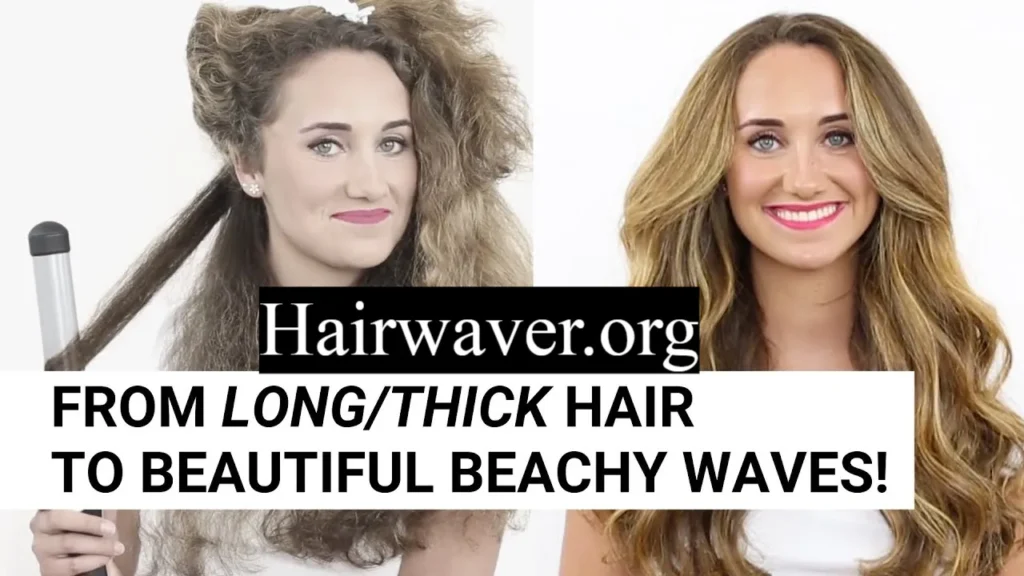
The best method for beach waves thick hair is to work in smaller sections and create loose bends instead of tight curls. A curling iron or wand between about 25 and 32 millimeters can work well for many hair types.
Start with completely dry hair. Apply a heat protectant and divide your hair into manageable sections.
Then follow these steps:
- Separate your hair into four to six sections.
- Take a small section from the lower layer.
- Wrap the hair around the styling tool.
- Leave the ends slightly straighter.
- Release the hair gently.
- Let the wave cool before touching it.
- Continue until all sections are finished.
- Finish with a light texture spray.
This approach helps thick hair hold its shape without creating overly defined curls.
Why is thick hair harder to wave?
Thick hair contains more strands and often has greater weight. That weight can pull a newly created wave downward.
Your hair may also have different textures throughout the head. The underneath layers can behave differently from the hair around your face.
Several factors can affect how long your waves last: hairwaver
- Hair density
- Individual strand thickness
- Natural texture
- Hair length
- Humidity
- Product buildup
- Heat level
- Styling technique
- Amount of natural oil
If your waves disappear quickly, the problem may not be your styling tool. Your preparation routine could be the bigger issue.
How should you prepare thick hair for beach waves?
Good preparation can make a noticeable difference. Start by washing your hair with products that do not leave excessive residue.
Avoid applying heavy conditioner directly to the roots if your hair becomes weighed down easily. Focus conditioner on the middle sections and ends.
After washing, gently remove excess water with a towel. Do not aggressively rub your hair because that can increase frizz.
Before using heat, apply a suitable heat protectant.
Your preparation checklist
- Wash away heavy product buildup.
- Use lightweight conditioner where needed.
- Dry your hair completely.
- Apply heat protection.
- Detangle gently.
- Add a small amount of styling mousse if you need extra hold.
- Section your hair before styling.
The goal is to create a clean base that still has enough grip to support the waves.
Should you use a curling iron or wand?
Both tools can create attractive beach waves. Your choice depends on the finish you want. hairwaver
A curling iron gives you more control. It works particularly well when thick hair needs consistent shaping.
A curling wand can create a more relaxed appearance because you can wrap the hair without using a clamp.
| Tool | Best result | Good for thick hair |
|---|---|---|
| Curling iron | Controlled waves | Yes |
| Curling wand | Relaxed waves | Yes |
| Flat iron | Soft bends | Yes |
| Heatless rollers | Gentle waves | Yes |
| Braids | Loose natural texture | Yes |
For beginners, a curling iron can feel easier because you can control the section more precisely.
What temperature should you use on thick hair?
Thick hair does not automatically require the highest heat setting.
Excessive heat can damage the hair cuticle and make the hair feel dry. Start with a moderate temperature and increase it only when necessary.
The ideal temperature depends on your hair condition and texture. Healthy, coarse hair may tolerate more heat than fine or chemically treated hair.
The important rule is simple. Use the lowest temperature that creates the desired shape.
Always use heat protection before hot styling.
How do you make beach waves last all day?
Longevity is one of the biggest challenges with thick hair. The trick is to allow each wave to cool completely before you loosen it.
When you release a freshly heated curl and immediately brush it, the shape can fall faster.
Instead, let each section cool naturally. source: An Indigo Day
You can also use a lightweight styling product before and after styling. A mousse can provide structure, while a texture spray can create grip.
Try this routine:
- Apply mousse to damp hair.
- Dry your hair completely.
- Apply heat protectant.
- Create waves in small sections.
- Let the waves cool.
- Separate them gently with your fingers.
- Apply a light texture spray.
- Finish with flexible hairspray if needed.
Avoid using too much oil before styling. Heavy oils can make thick hair slippery and reduce the hold.
What products work best for beach waves thick hair?
The best products depend on your hair texture and desired finish.
For thick hair that feels heavy, a lightweight mousse can provide volume and hold without excessive weight.
For coarse or dry hair, a small amount of smoothing cream can help control frizz. You can then use texture spray after styling.
Useful product categories include:
- Heat protectant
- Lightweight mousse
- Texture spray
- Flexible hairspray
- Lightweight smoothing cream
- Dry shampoo for added grip
Brands such as Living Proof, Bumble and Bumble, Moroccanoil, Ouai, Redken, and L’Oréal Professionnel offer products designed for different styling needs.
Choose the product based on your hair rather than the brand name alone.
Can you create beach waves without heat?
Yes. Heatless styling can work especially well if you want to reduce repeated heat exposure.
One simple technique involves slightly damp hair and loose braids. After your hair dries completely, undo the braids and separate the texture with your fingers.
Another option involves a soft heatless curling ribbon. Wrap sections around it before sleeping, then release them in the morning.
For thick hair, remember that drying time matters. If the hair remains damp inside the style, the waves may not set properly.
Simple heatless method
- Start with slightly damp hair.
- Divide your hair into two or four sections.
- Create loose braids.
- Secure the ends gently.
- Leave the hair until completely dry.
- Undo the braids.
- Separate the waves with your fingers.
- Add a small amount of texture spray.
This method produces softer waves than a hot tool. source: Good Housekeeping
How can you avoid bulky beach waves?
Thick hair can sometimes look too large after curling. You do not need to remove all the volume. Instead, focus on creating controlled texture.
Leave the ends slightly straighter. This creates a modern beach wave instead of a traditional curl.
You can also vary the direction of the waves. Curl one section away from your face and the next section toward your face.
Do not brush the finished style aggressively. Use your fingers to separate the waves.
If the hair still looks too full, gently smooth the surface with a small amount of lightweight cream.
What are the most common mistakes?
Several styling mistakes can make thick hair difficult to manage.
Using sections that are too large
Large sections may not receive enough heat evenly. The outer hair can look styled while the inner hair remains straight.
Using excessive heat
More heat does not always create better waves. It can increase dryness and breakage.
Styling damp hair with a hot tool
Hot tools should generally be used on completely dry hair unless the specific tool is designed for damp styling.
Touching the waves too quickly
Freshly styled hair needs time to cool and set.
Applying too much product
Heavy creams and oils can weigh down thick hair.
Making every curl identical
Perfectly identical curls can look more formal. Alternating the direction and leaving the ends relaxed creates a more natural appearance.
How do you create beach waves for different lengths?
Hair length changes the styling approach.
Short thick hair
Use a smaller tool and create subtle bends. Avoid wrapping the entire section repeatedly because this can make short hair look too curly.
Medium length thick hair
A medium sized curling iron can create balanced waves. Leave the final few centimeters of each section relatively straight.
Long thick hair
Work in several layers. Start underneath and move upward. Use smaller sections because long hair carries more weight and can lose its shape quickly.
Are beach waves suitable for naturally curly thick hair?
Absolutely. You do not always need to straighten naturally curly hair first.
If your hair already has texture, you can enhance selected sections instead of styling every strand. Use a diffuser to dry the hair and then reshape a few pieces with a curling tool if necessary.
This creates a softer result while preserving some of your natural movement.
How do you maintain beach waves overnight?
Your sleeping routine can affect the next day’s style.
Before bed, gather your hair loosely at the top of your head. Use a soft scrunchie instead of a tight elastic.
A silk or satin pillowcase can also reduce friction. In the morning, gently shake out the hair and reshape a few sections.
You may not need to restyle your entire head.
A small amount of texture spray can refresh the waves. If the ends look dry, use a tiny amount of smoothing product.
Conclusion
Creating beach waves thick hair does not have to involve endless curling or extreme heat. The most important steps are proper preparation, smaller sections, controlled heat, enough cooling time, and lightweight products.
If your hair feels heavy, focus on grip rather than adding more product. If your waves disappear quickly, allow them to cool before separating them. If your hair looks too curly, leave the ends straighter and vary the direction of your waves.
With the right routine, beach waves thick hair can look relaxed, soft, and effortless while still lasting throughout the day.
The best technique is the one that works with your natural texture instead of fighting it. Try the method that matches your hair length and density, then adjust the products and heat level until you find your ideal finish.
FAQs
What is the best curling tool for beach waves thick hair?
A curling iron or wand between about 25 and 32 millimeters can work well. Choose the size according to your hair length and the wave pattern you want.
How do you make beach waves stay in thick hair?
Use smaller sections, allow every wave to cool completely, and finish with a lightweight texture spray or flexible hairspray.
Should you curl thick hair in small sections?
Yes. Smaller sections allow the heat to reach the hair more evenly and can create longer lasting waves.
Can you create beach waves in thick hair without heat?
Yes. Loose braids, heatless curling ribbons, and other overnight methods can create soft waves without hot tools.
Why do my waves fall out quickly?
Heavy hair can pull waves downward. Product buildup, excessive oil, large styling sections, humidity, and insufficient cooling can also reduce hold.
Should you straighten thick hair before creating beach waves?
Not always. If your natural texture is manageable, you can work directly with it. Straightening first can add unnecessary heat.
Is mousse good for thick hair?
A lightweight mousse can provide grip and hold without making the hair excessively heavy. Use a small amount and distribute it evenly.
How can you reduce frizz while creating beach waves?
Use a suitable conditioner, dry your hair gently, apply heat protection, and finish with a small amount of lightweight smoothing product.
How often should you use heat styling?
Try to limit unnecessary heat exposure. Use heat protection every time you use a hot styling tool and choose the lowest effective temperature.
Can long thick hair hold beach waves?
Yes, but long hair may need smaller sections and stronger preparation because its weight can make waves fall faster.
Author Bio: Johan Harwen The author writes practical beauty and hair care guides focused on simple techniques that readers can use at home. The goal is to make styling advice clear, realistic, and easy to follow.
email: johanharwen@314gmail.com
Author Name: Johan Harwen