
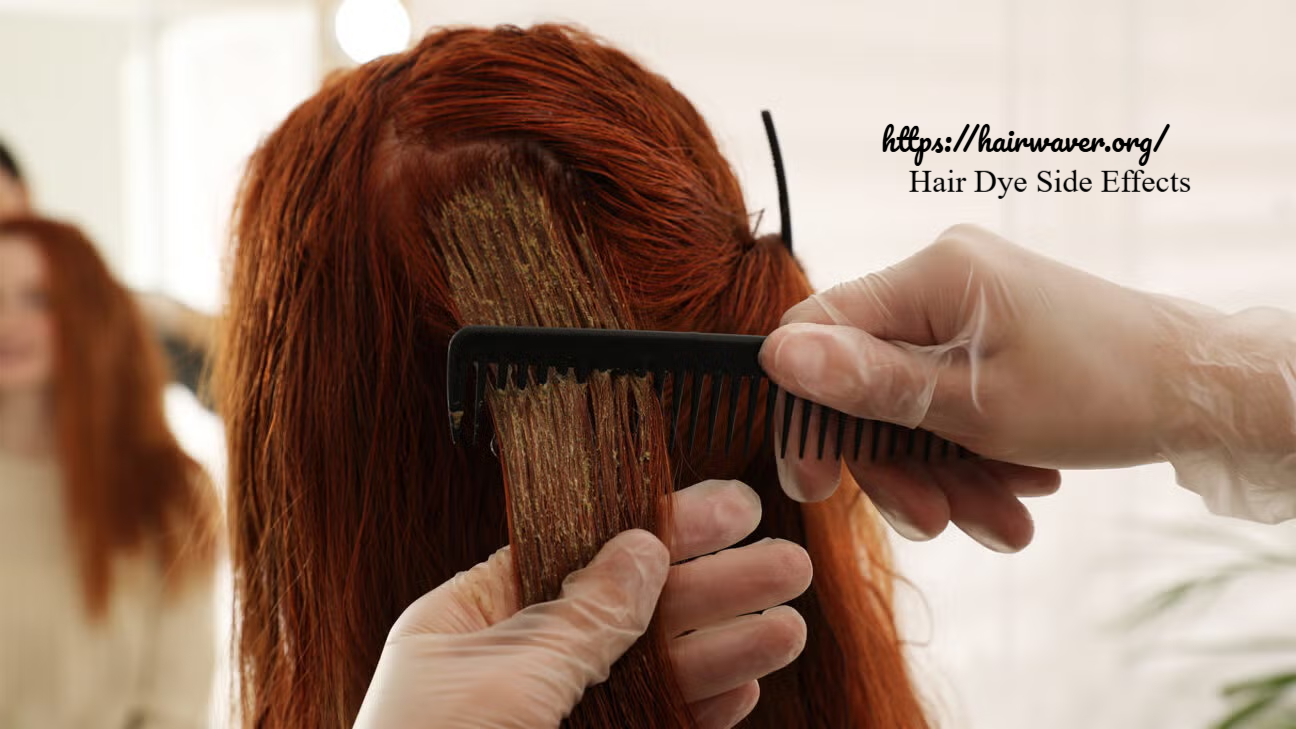
Quick answer: Most people tolerate hair dye well, but side effects are common enough to take seriously.Hair Dye Side Effects The usual ones are scalp irritation, itching, dryness and hair breakage. Less often, people develop a true allergy, mainly to a chemical called PPD, which can cause swelling, blistering or breathing problems. Research on cancer is mixed and does not show a clear link for most users.
If you’ve ever sat with a stinging scalp and a towel full of dye wondering whether this is normal, you’re not alone. Here is what to expect, what to watch for, and how to lower your risk.
What Are the Common Side Effects of Hair Dye?
The most common side effects are scalp irritation, itching, redness, stinging, dryness and flaking. They usually appear during application or within a day or two, and they are typically mild.
Other effects you may notice:
- A burning or tingling sensation on the scalp, ears or neck
- Tightness or soreness of the skin
- Dry, rough or frizzy hair after coloring
- Eye irritation if dye or fumes reach your eyes
- Temporary stained skin around the hairline
Mild reactions often settle within a few days once the dye is fully rinsed out. Anything that is spreading, swelling or blistering is a different matter, and we’ll cover that next.
Allergic Reactions to Hair Dye: What Is PPD?
PPD (para-phenylenediamine) is a dye ingredient found in many permanent and darker shades, and it is the most common cause of allergic reactions to hair color. It helps create deep, long-lasting pigment, particularly in black and dark brown products.
PPD can trigger allergic contact dermatitis, an immune reaction. The tricky part is sensitization: you can use a product for years with no trouble, then react strongly the next time. A past clean history doesn’t guarantee safety.
Symptoms of a hair dye allergy include:
- Intense itching, redness and a rash on the scalp, forehead, ears or neck
- Swelling of the face, eyelids or lips
- Blisters or weeping skin
- Eye irritation
- In severe cases, wheezing, difficulty breathing or throat tightness, which is a medical emergency
Reactions can show up hours or even a day or two after application, which is why people often don’t connect the symptoms to the dye. Black henna “tattoos” are another known source of PPD exposure, and they have caused serious reactions.
What Hair Dye Does to the Skin and Scalp
Dye contacts your scalp for 30 to 45 minutes, so the skin takes a lot of chemical exposure. Two things can happen: irritant contact dermatitis, where chemicals directly damage the skin barrier, and allergic contact dermatitis, where your immune system overreacts.
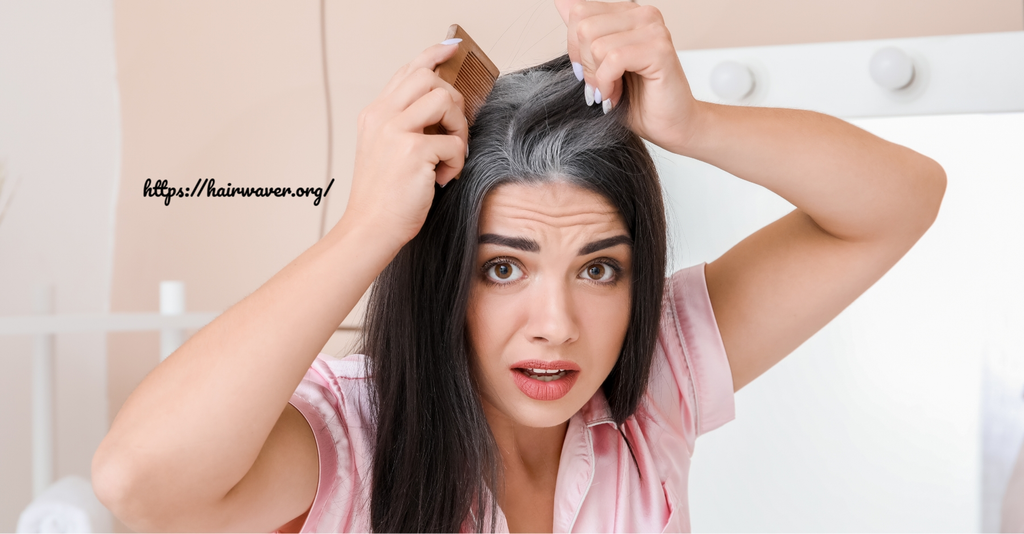
They look similar but behave differently:
| Irritant reaction | Allergic reaction | |
|---|---|---|
| Cause | Chemicals damaging skin | Immune response (often PPD) |
| Timing | During or soon after dyeing | Hours to 2 days later |
| Typical signs | Stinging, dryness, redness | Swelling, blisters, spreading rash |
| Needs prior exposure? | No | Yes, sensitization first |
Chemical burns can occur if bleach or high-strength developer is left on too long or used on already irritated skin.
How Hair Dye Damages Hair Itself
Yes, hair dye can damage your hair, especially permanent color and bleaching. To change your shade, oxidative dyes use ammonia (or a substitute) to open the outer layer of each hair strand, then hydrogen peroxide to lighten natural pigment and develop the new color. That process strips natural oils and moisture. Source:pmc.ncbi.nlm.nih.gov
The result can be:
- Dry, brittle hair and visible breakage
- Rough texture and loss of shine
- Split ends
- Faded color that needs frequent touch-ups, creating a repeat cycle of damage
Damage tends to be worst when you lighten dark hair, color over previously bleached hair, or overlap dye on hair that is already colored.
Can Hair Dye Cause Hair Loss?
Hair dye does not normally damage hair follicles or cause permanent baldness, but it can lead to temporary hair loss in some situations. The usual causes are breakage (hair snapping mid-shaft, which looks like thinning), severe scalp inflammation, or chemical burns that injure the skin. A strong allergic reaction can also cause shedding. If your scalp heals, hair typically regrows. If you see patchy loss that persists, get it checked.
What Are the Risks Behind Hair Dye Ingredients?
Hair dyes vary widely, and the type matters:
| Type | How it works | Typical risk profile |
|---|---|---|
| Temporary | Coats the hair surface; washes out in 1 to 2 shampoos | Lowest chemical load; can still stain or irritate |
| Semi-permanent | Deposits color slightly deeper; lasts several washes | Generally gentler, though some contain PPD-related compounds |
| Permanent (oxidative) | Ammonia plus peroxide; lasts until hair grows out | Highest risk of irritation, allergy and damage |
Ingredients most often linked to problems:
- PPD and related compounds for allergy
- Ammonia for fumes, throat or eye irritation, and dryness
- Hydrogen peroxide and bleaching agents for burning and breakage
- Resorcinol, which can irritate skin and has raised some concern at high exposure
Is ammonia in hair dye harmful? In normal use with good ventilation, it mainly irritates: strong smell, watery eyes, coughing. People with asthma or sensitive airways may feel it more. Ammonia-free products still contain other chemicals, so “ammonia-free” doesn’t mean “risk-free.”
Is black hair dye riskier? Dark shades often contain more PPD, so they are more likely to trigger allergy. That makes patch testing especially important if you color dark hair or cover grays.
Can Hair Dye Increase Cancer Risk?
Current evidence doesn’t show a clear, consistent link between personal hair dye use and cancer, but research is ongoing and some findings call for caution.
Here’s what’s reliably known:
- The International Agency for Research on Cancer (IARC) concluded in 2010 that personal use of hair dye was not classifiable as to its carcinogenicity. It had previously classified work as a hairdresser or barber as probably carcinogenic (Group 2A), reflecting heavier, repeated occupational exposure.
- The National Cancer Institute notes that studies of bladder cancer, blood cancers (leukemia and lymphoma) and breast cancer have produced mixed or inconclusive results for typical users.
- A large NIH-supported study, the Sister Study (published in 2019 and 2020), found a modestly higher breast cancer risk among women who used permanent dyes, with a stronger association in Black women. It was observational, so it cannot prove cause and effect.
My read: the average person coloring a few times a year is unlikely to face a large cancer risk, but heavy, long-term exposure (as in professional hairdressers) deserves more care. If you have a strong family history of cancer, it’s reasonable to discuss your coloring habits with your doctor.
Hair Dye Poisoning and Rare Serious Effects
Serious poisoning has been reported mainly after swallowing hair dye, often PPD-containing products. It can cause severe facial and throat swelling, rhabdomyolysis (muscle breakdown) and kidney injury. This is rare and is not a risk from normal use, but it’s why hair dye must be stored away from children and never ingested.
How to Prevent Hair Dye Side Effects
- Do a patch test 48 hours before every use, even with your usual brand. The NHS and the British Association of Dermatologists recommend this, and the FDA advises it too. Apply a small amount behind the ear or on the inner elbow and leave it untreated for the full 48 hours. Stop if you notice itching, redness or swelling.
- Never dye over irritated, cut or sunburned skin.
- Follow the timing on the box. Longer isn’t better.
- Wear gloves and ventilate the room.
- Keep dye away from eyebrows and eyelashes. Never use hair dye on them; the FDA warns against this because of the risk of serious eye injury.
- Rinse thoroughly with lukewarm water until it runs clear.
- Space it out. Leaving gaps of 6 to 8 weeks between full-color applications is a common guideline, and root touch-ups cut exposure to the rest of your hair.
- Moisturize afterward with deep conditioning and gentle, color-safe products.
What Is the Safest Way to Color Hair?
There’s no zero-risk option, but lower-risk choices include temporary or semi-permanent color, highlights or balayage that keep dye off the scalp, and professional application by a stylist who knows your history. Are natural dyes safer? Not automatically. Pure henna is generally gentler, but “black henna” and many products labeled “natural” can contain PPD. Always read the ingredient list and patch test.
How to Treat a Mild Hair Dye Reaction
- Rinse your hair and scalp thoroughly with cool to lukewarm water.
- Use a gentle, fragrance-free shampoo.
- Apply a cool compress to soothe itching or redness.
- Avoid further dyeing, heat styling and harsh products.
- A pharmacist can suggest a mild hydrocortisone cream or an antihistamine.
Mild irritation typically settles within a few days to a week. Allergic reactions can take longer, sometimes up to two weeks or more.
When Should You See a Doctor?
Seek emergency care immediately if you have difficulty breathing, throat or tongue swelling, or a swollen face with trouble swallowing.
See a doctor or dermatologist if:
- Swelling, blistering or oozing develops
- The rash spreads beyond the scalp or isn’t improving after a few days
- You have severe pain suggesting a chemical burn
- Hair loss is patchy or doesn’t regrow
- You’ve had a previous reaction and plan to color again
Bring the product box or ingredient list, since a dermatologist may recommend allergy patch testing.
6. Custom FAQ Section
Permanent hair dyeing side effects
Permanent dyes carry the highest risk of irritation, allergy and hair damage because they use ammonia and hydrogen peroxide to change your hair’s color chemically. Expect possible dryness, breakage and scalp sensitivity, and always patch test first.
Long-term side effects of hair dye
Repeated dyeing can leave hair drier, weaker and more prone to breakage, and can make scalp sensitivity or allergy more likely over time. Evidence for serious long-term health effects in typical users is limited, though heavy occupational exposure has drawn more concern.
Hair dye side effects cancer
Research hasn’t established a clear link between personal hair dye use and cancer. IARC classifies personal use as not classifiable, while some observational studies suggest a small increase in breast cancer risk with permanent dye, particularly among Black women. These findings show association, not proven cause.
Side effects of hair dye on the brain
There is no good evidence that normal use of hair dye harms the brain. The serious systemic effects reported (such as kidney injury and muscle breakdown) come from swallowing PPD-containing dye, not from coloring hair. Neurological symptoms like headache or dizziness from strong fumes are usually short-lived and improve in fresh air.
Hair dyeing side effects on dark hair
Dark hair typically needs bleach or stronger developer to go lighter, which increases dryness and breakage. Very dark shades also tend to contain more PPD, raising allergy risk. Patch test, and consider gradual lightening over several sessions.
Hair dyeing side effects long term
With frequent coloring, expect cumulative dryness, rough texture and weakened strands. Sensitization to PPD can also develop, meaning a product you tolerated for years may suddenly cause a reaction.
Hair dyeing side effects hair loss
Hair dye usually doesn’t destroy hair follicles, but breakage, scalp inflammation or chemical burns can cause temporary hair loss. Hair generally regrows once the scalp heals. See a doctor if loss is patchy or persistent.
Read More…

[…] Hair Dye Side Effects […]
[…] Hair Dye Side Effects […]