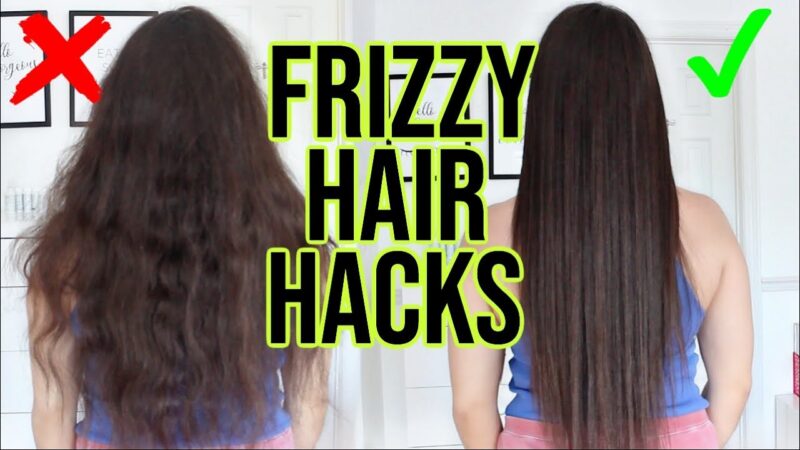
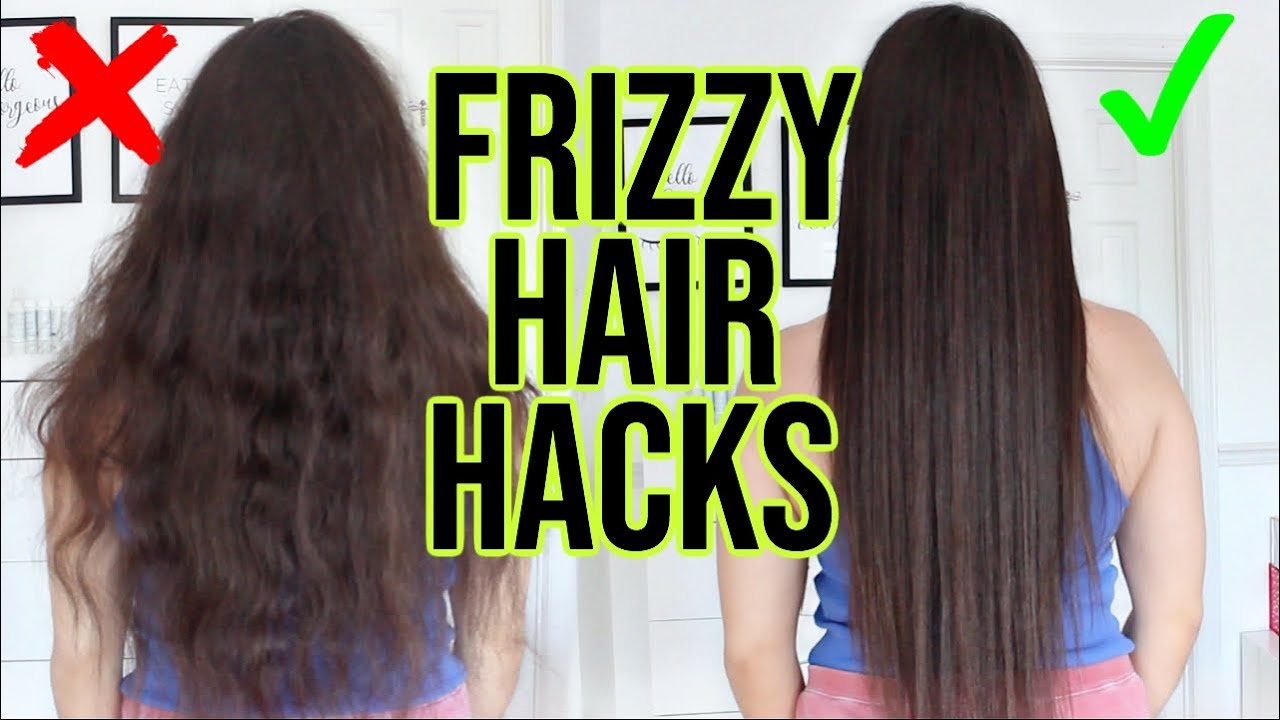
How to Repair Damaged Hair Fast at Home You can’t fully repair damaged hair in one night. Hair is made of dead keratin, so it can’t heal itself the way skin does. What you can do overnight is hydrate dry strands, smooth rough cuticles, and cut down on breakage, so your hair looks and feels noticeably better by morning. Over a few weeks, that adds up to real improvement.
This guide covers what to do tonight, which natural remedies are worth your time, and how to build a routine that stops the damage from coming back. (Information current as of October 2026.)
Can Hair Really Be Repaired Overnight?
Short answer: Not permanently, but the improvement you can get overnight is real.
Each strand has an outer layer of overlapping cuticle scales. Heat, bleach, and friction lift and chip those scales. That’s why damaged hair feels rough, tangles easily, and looks dull or frizzy. Once a strand’s structure is badly broken down, only a trim removes it.
Overnight treatments work in three ways:
- Moisture: water-attracting ingredients like honey, aloe, and avocado refill dry strands.
- Sealing: oils reduce water loss and smooth the cuticle.
- Protection: keeping hair tied up and off rough fabric stops new damage while you sleep.
Think of it as a reset, not a miracle. Anyone promising “fully repaired” hair in eight hours is overselling.
First, Figure Out What Kind of Damage You Have
The right fix depends on the cause. Here’s a quick guide:
| What you notice | Likely cause | What helps most |
|---|---|---|
| Dry, rough, tangled strands | Hair dryer, sun, hard water | Hydrating mask, leave-in conditioner |
| Snapping, mushy or stretchy when wet | Bleach or chemical damage | Protein-balanced care, gentle handling, a trim |
| Frizz and puffiness | Dry strands, humidity, rough cuticles | Oils, silk bonnet, anti-frizz routine |
| Split, dry ends | Heat styling, friction, long length | Regular trims, sealing oil on ends |
A simple test: wet a strand and gently stretch it. If it stretches and doesn’t bounce back, or snaps quickly, your hair needs strengthening and a lot of gentleness. If it just feels rough and thirsty, moisture is your priority.
Tonight’s Overnight Hair Repair Routine
Short answer: Wash gently, apply a mask or oil, protect your hair for sleep, and rinse in the morning.
- Wash with a sulfate-free shampoo. Focus on your scalp, and let the suds rinse down the lengths without scrubbing them.
- Squeeze out water and apply your treatment to damp, towel-blotted hair, mid-lengths to ends. Skip the roots if your scalp gets oily.
- Detangle gently with a wide-tooth comb, starting at the ends.
- Loosely secure your hair. A loose braid or a high, soft bun works well. Tight ponytails cause snapping.
- Cover your pillow or hair. A silk or satin pillowcase or bonnet reduces friction compared with cotton. This is common advice from hair professionals, and it’s easy to try.
- Rinse well in the morning with lukewarm water, then condition lightly if hair feels coated.
Put a towel over your pillow under the bonnet if you’re using a lot of oil, to protect bedding.chemist
Best Overnight Hair Mask for Damaged Hair
Short answer: For sleeping in, keep it simple: an oil-based or honey-and-aloe mask. Save fresh food masks like egg and yogurt for a 20 to 30 minute treatment.
Here’s something many guides skip: perishable ingredients like egg, yogurt, and avocado aren’t ideal to leave on for eight hours. They can smell, dry into a crust, and are messier to rinse. Use them for a shorter deep conditioning session, and use oils and honey blends overnight.
Overnight mask recipe: honey, aloe, and oil
- 1 tablespoon raw honey
- 1 tablespoon pure aloe vera gel
- 1 tablespoon coconut oil or olive oil, warmed slightly
Mix, apply to damp mid-lengths and ends, and cover with a shower cap or bonnet. Honey draws moisture in, aloe soothes, and the oil seals everything.
Pre-sleep oil treatment
Warm a teaspoon or two of coconut oil or olive oil between your palms and smooth it over the ends. For fine hair, use less. A small 2003 study published in the Journal of Cosmetic Science found coconut oil reduced protein loss in hair when used before washing, which is one reason it’s a popular choice. It isn’t a cure-all, and heavy oils can weigh down fine hair.
Natural Remedies for Damaged Hair (20 to 30 Minute Masks)
These are best used once a week on clean, damp hair, then rinsed out.
- Egg mask: The protein in egg may help hair feel stronger. Beat one egg with a spoonful of olive oil, leave on 20 minutes, and rinse with cool water so it doesn’t scramble.
- Yogurt mask: Plain yogurt with a little honey leaves hair soft and manageable. Use full-fat, unsweetened yogurt.
- Avocado mask: Mash half a ripe avocado with a spoonful of olive oil for rich moisture, good for thick or very dry hair.
- Honey mask: Honey diluted with warm water or aloe is a gentle humectant for dry, frizzy hair.
A caution: natural doesn’t mean risk-free. Do a patch test first if you have food allergies or sensitive skin, and avoid egg if you’re allergic.
How to Stop Hair Breakage Fast
Short answer: Reduce heat, friction, and tension, and trim split ends.
Breakage is usually a handling problem, not just a product problem. These changes make the biggest difference:
- Lower your heat. Use the lowest heat setting that works on your hair straightener or curling iron, and always apply a heat protectant first.
- Skip the hair dryer’s highest setting. Air-dry partway or use a cooler setting.
- Don’t brush wet hair aggressively. Wet strands are at their most fragile.
- Swap tight elastics for scrunchies or gentle clips.
- Trim split ends. Splits travel up the strand, so cutting about a quarter to half inch of damaged ends every 8 to 12 weeks prevents bigger losses later.
- Space out chemical services. Avoid layering hair coloring, bleach, and relaxers within a short time.
Is Your Hair Severely Damaged? Here’s the Honest Plan
If your hair is bleached to breaking point, or feels gummy when wet, home remedies alone won’t cut it. For severely damaged hair:
- Book a stylist consultation and ask about a corrective trim.
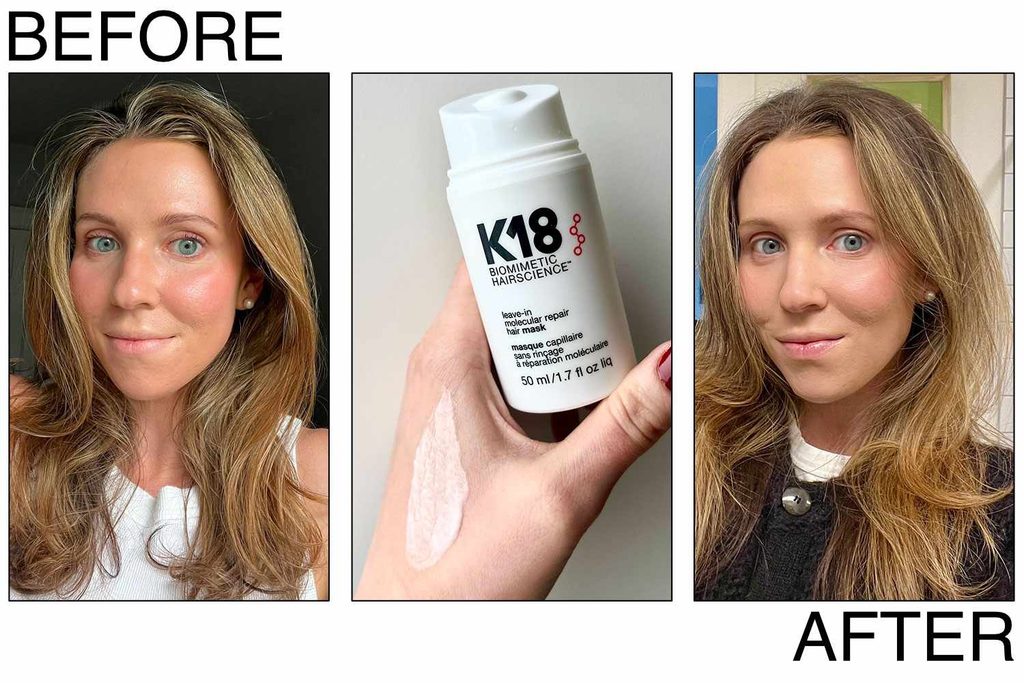
- Consider bond-building treatments (such as Olaplex or K18, which are widely available), which are designed to support hair that has been chemically processed. Results vary, and they work best alongside gentle care, not instead of it.
- Pause all bleach, heat, and tight styles for several weeks.
- See a dermatologist if you notice heavy shedding or scalp issues. That’s different from breakage.

Your Weekly Hair Repair Routine
Daily (day and night)
- Morning: apply a leave-in conditioner and a heat protectant if you style.
- Night: loose braid or bun and a silk or satin pillowcase or bonnet.
Weekly
- One deep conditioning treatment (a store-bought hair mask or a homemade one).
- One overnight oil or honey-aloe treatment.
- Wash only as often as needed. Most dry hair does well with two to three washes a week.
Every 8 to 12 weeks
- Trim damaged ends.
How Long Does Damaged Hair Take to Repair?
Moisture-based improvements show in one to two washes. Noticeably less breakage and frizz usually takes three to six weeks of consistent care. Fully replacing damaged lengths takes much longer: hair grows roughly half an inch (about 1.25 cm) a month, so growing out heavy damage can take many months. The healthy new growth at your roots is what eventually replaces the damage.
Frequently Asked Questions
How to repair damaged hair fast at home naturally?
Combine a weekly deep conditioning mask (honey, avocado, or yogurt), a light oil on the ends, and gentler habits: lower heat, less brushing when wet, and a silk pillowcase. Natural masks boost moisture and softness quickly, while reducing heat and friction protects your progress.
How to repair damaged hair fast at home overnight home remedies?
Apply a blend of honey, aloe vera gel, and coconut or olive oil to damp hair, cover it with a bonnet or shower cap, and rinse in the morning. Keep egg, yogurt, and avocado for shorter 20 to 30 minute treatments rather than overnight use.
Best treatment for dry and damaged hair?
The best treatment is a combination: a weekly deep conditioning mask, a leave-in conditioner, a heat protectant before styling, and regular trims. For chemically damaged hair, a bond-building treatment and professional advice from a stylist can help further.
Can you repair damaged hair overnight?
Not completely. Overnight treatments hydrate and smooth the hair so it looks and feels better by morning, but split or broken strands can only be removed with a trim.
How long does damaged hair take to repair?
Softness improves in a few washes, breakage typically eases in a few weeks, and fully replacing damaged lengths takes months of growth.
Final Thoughts
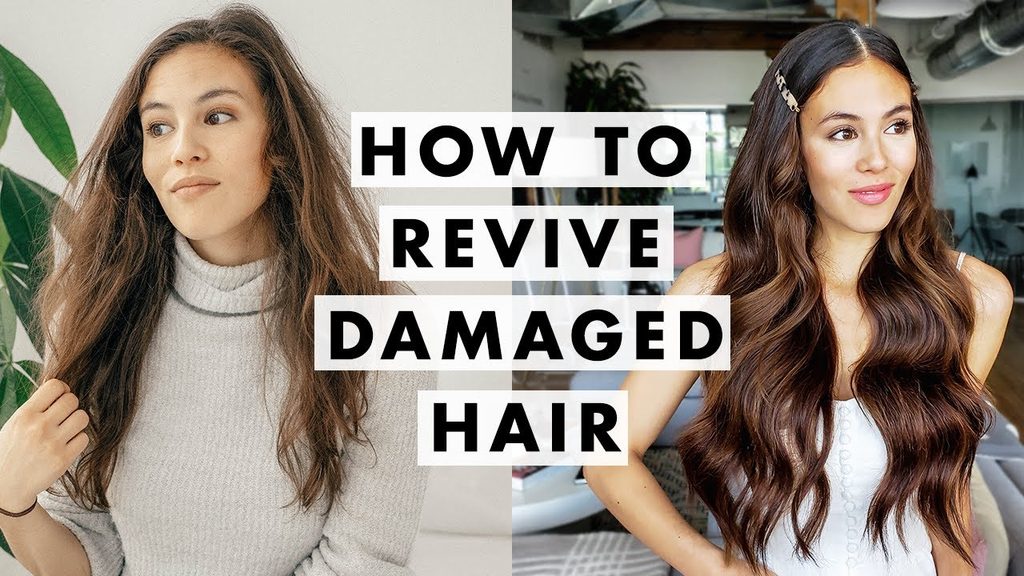
Repairing damaged hair isn’t about one magic mask. It’s about stacking small wins: moisture tonight, less friction while you sleep, gentler styling tomorrow, and a trim when your ends need it. Start with one overnight treatment this week, change one heat habit, and give your hair a month before judging results. The difference is usually bigger than people expect.
This article is for general information. If you have sudden hair loss, scalp pain, or irritation, see a dermatologist.
6. Custom FAQ Section
The FAQs are included within the article above, under “Frequently Asked Questions,” and answer all three custom FAQs.