
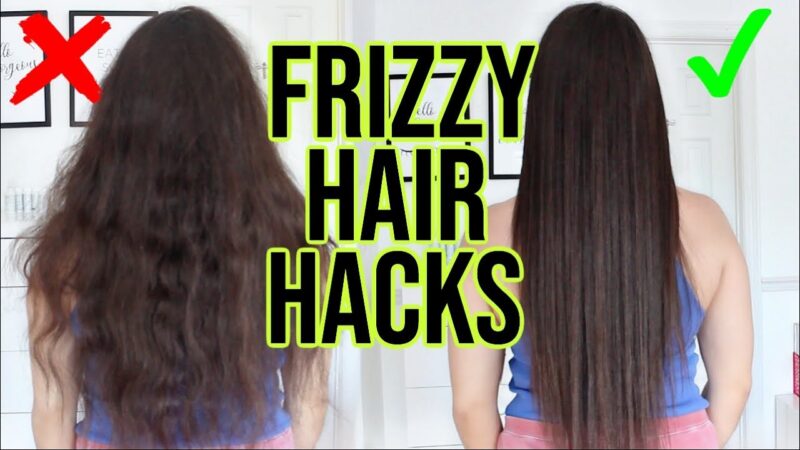
How to Make My Hair Silky? Silky hair comes from keeping the outer layer of each strand (the cuticle) smooth and the hair well hydrated. In practice, that means washing gently, conditioning every time, using oil or a leave-in product sparingly, protecting hair from heat, and cutting back on friction and over-styling. No single product does it alone. The routine does.
Most people who ask how to make their hair silky are dealing with the same problem: hair that feels rough, looks dull, and frizzes at the first sign of humidity. The good news is that most of it is fixable at home.
What Makes Hair Soft and Silky?
Hair is made mostly of keratin, a protein, and each strand is wrapped in overlapping scales called the cuticle. When the cuticle lies flat, light reflects evenly, so hair looks shiny and feels smooth. When it lifts or chips from heat, harsh shampoo, bleach, or rough towel-drying, the strand feels rough, tangles easily, and loses moisture.
Silky hair is mostly cuticle care and moisture balance. Genetics set your hair type, whether straight, wavy, or curly, so silky doesn’t mean pin-straight. Curly hair can be soft, smooth, and shiny too. It just needs more moisture to get there.
Step-by-Step: How to Get Silky Hair at Home
1. Choose a gentle shampoo and don’t overwash
Look for a sulfate-free or mild cleansing formula, especially if your hair is dry, colored, or chemically straightened. Most people don’t need to shampoo daily. Washing every two to three days works for many hair types, though oily scalps may need more. Focus shampoo on the scalp and let the rinse water clean the lengths.
2. Condition every single wash
Conditioner is the most important product for softness. Apply it mid-length to ends, leave it for two to three minutes, and rinse thoroughly. Hydrating formulas with ingredients like glycerin, panthenol, or shea butter suit dry hair, while lightweight ones work better for fine hair. Brands such as Pantene, Dove, and Kérastase all make options at different price points. The right one depends on your hair, not the price tag.
3. Rinse with cooler water
Very hot water can strip natural oils and leave hair feeling rough. Finish with a cool or lukewarm rinse. It won’t transform your hair alone, but it supports a smoother feel.
4. Use a weekly deep conditioning mask
A hair mask gives dry or damaged strands extra conditioning. Use one once a week, or every two weeks if your hair is only mildly dry. Leave it on for the time stated on the label.
5. Try a hot oil treatment
Oiling is a traditional method in many cultures, and it works best as a pre-wash treatment.
- Coconut oil: The best-studied option. A 2003 study in the Journal of Cosmetic Science found it reduced protein loss in hair, partly because its small molecules can penetrate the strand.
- Olive oil: Richer and good for coarse or very dry hair.
- Castor oil: Thick and sticky. Mix it with a lighter oil, since pure castor oil is hard to rinse out.
How to do it: Warm a small amount of oil (it should feel comfortably warm, never hot), massage it into the scalp and through the lengths, cover with a shower cap for 30 to 60 minutes, then shampoo well. Use a small amount. Too much oil leaves hair greasy and weighed down.
A note on hair growth: Scalp massage may feel good and improve circulation, but oils haven’t been reliably shown to make hair grow faster or thicker. Healthy, less broken hair simply looks fuller because you keep more of its length.
6. Pat dry, don’t rub
Wet hair is more fragile. Rubbing with a rough bath towel roughens the cuticle and causes frizz. Squeeze out water gently with a soft cotton T-shirt or a microfiber towel instead.
7. Use a leave-in product or serum on damp hair
A small amount of hair serum or leave-in conditioner locks in moisture and smooths the surface. Many serums, such as Moroccanoil Treatment, use silicones like dimethicone, which coat the strand and add slip and shine. Use a pea-sized amount for short hair and a bit more for long hair, concentrating on the ends.
8. Protect your hair from heat
Heat styling is one of the biggest causes of dullness and breakage. If you use a blow dryer, flat iron, or curling iron:
- Apply a heat protectant spray first
- Use the lowest temperature that works for your hair
- Let hair dry about 80% of the way before applying direct heat
- Avoid going over the same section repeatedly
Heat protectants reduce damage but can’t remove it, so treat them as insurance, not permission.
9. Finish with a glossing spray
A glossing or shine spray gives a quick polish on dry hair. It’s cosmetic and doesn’t repair anything, but it’s useful for events or when you want a smoother finish fast.
10. Avoid over-styling and tight styles
Constant tight ponytails, aggressive brushing, repeated bleaching, and daily hot tools all wear down the cuticle. Detangle from the ends upward with a wide-tooth comb or a gentle brush. Give your hair days off from styling.
11. Sleep on a smoother surface
Cotton pillowcases create friction that can roughen hair overnight. A silk or satin pillowcase, or a loose silk scrunchie, reduces that friction. It’s a small change that helps most with long or curly hair.
12. Trim regularly and care for your scalp
Split ends travel up the strand and make hair look rough no matter what you apply. A trim every eight to twelve weeks keeps ends neat. A healthy scalp matters too: clean it properly, avoid heavy product buildup, and see a doctor or dermatologist if you have persistent itching, flaking, or hair loss.
Which Hair Care Tips Work Best for Your Hair Type?
| Hair type | Main problem | What helps most |
|---|---|---|
| Dry or damaged | Rough, brittle ends | Weekly mask, oil treatments, leave-in conditioner |
| Curly or coily | Frizz, dryness | Rich conditioner, minimal brushing when dry, gentle drying |
| Colored or bleached | Porous, dull strands | Mild shampoo, bond-repair treatments (such as Olaplex), less heat |
| Chemically straightened | Dryness, breakage | Regular conditioning masks, low heat, protein-moisture balance |
| Fine or oily | Limpness, quick greasiness | Lightweight conditioner on ends only, minimal oil |
How Can Men Get Soft, Silky Hair?
Short answer: Men follow the same principles: gentle shampoo, regular conditioner, less heat, and a small amount of leave-in product.
Many men skip conditioner, which is often the missing step behind coarse, dry hair. A few specific tips:
- Use conditioner every time you shampoo, even on short hair
- Choose a light styling cream or serum over heavy wax or strong-hold gel if softness matters
- Rinse out styling products fully, since buildup makes hair stiff
- Limit blow-drying on high heat
- Use a small amount of oil on longer hair or beards, not on the scalp daily if it’s oily
Brands such as Nivea Men and American Crew sell men’s lines, but any good conditioner works regardless of how it’s marketed.
Common Mistakes That Keep Hair From Feeling Silky
- Applying conditioner to the scalp, which can make hair greasy
- Using too many products at once, causing buildup
- Using oil on already greasy hair
- Brushing hard when hair is wet
- Expecting overnight results
Most people notice that hair feels softer within a few washes. Real improvement in damaged hair takes weeks to months, because damaged ends can’t truly be repaired and must eventually be trimmed.
When to See a Professional
If your hair is suddenly very brittle, breaking in large amounts, or thinning, the cause may not be your routine. Thyroid problems, iron deficiency, hormonal changes, and certain medications can all affect hair texture. A doctor or dermatologist can check for these. For chemical damage, a stylist can recommend a cut or professional treatment suited to your hair.
6. Custom FAQ Section
(You didn’t provide FAQs, so these come from your question-based keywords.)
How can I make my hair soft and silky?
Wash gently, condition every time, use a weekly hair mask, apply a small amount of leave-in serum, and protect your hair from heat. Pat dry with a soft cotton T-shirt or microfiber towel instead of rubbing.
How do you make dry hair soft?
Use a hydrating conditioner, a weekly deep conditioning mask, and an occasional pre-wash oil treatment. Reduce heat styling and wash with lukewarm instead of hot water.
How can I make my hair smooth naturally?
Oils such as coconut or olive oil, regular conditioning, cooler rinses, gentle drying, and regular trims all help. Natural methods improve softness and shine but won’t permanently repair severe damage.
Which oil is best for silky hair: coconut, olive, or castor?
Coconut oil has the most supporting research for reducing protein loss. Olive oil suits thick or very dry hair, and castor oil is heavy and works best mixed with a lighter oil. Use any of them sparingly.
How can men get soft, silky hair?
Use conditioner after every shampoo, choose lighter styling products, limit hot blow-drying, and rinse out product buildup thoroughly.
How often should I wash my hair to keep it silky?
Every two to three days works for many people. Oily scalps may need more frequent washing, and very dry or curly hair may need less.

[…] How to Make My Hair Silky […]