Neither is universally better. Gel vs Cream Hair Color is usually thinner and more transparent, which makes it easy to spread evenly and a good fit for fine hair and sensitive scalps. Cream color is thicker and often gives stronger grey coverage and more built-in conditioning. Your hair type, your goal (coverage versus gloss), and the ingredient list matter more than the texture itself.
This guide covers what each formula is, how they behave on your hair, and how to decide.
What Is Gel-Based Hair Color?
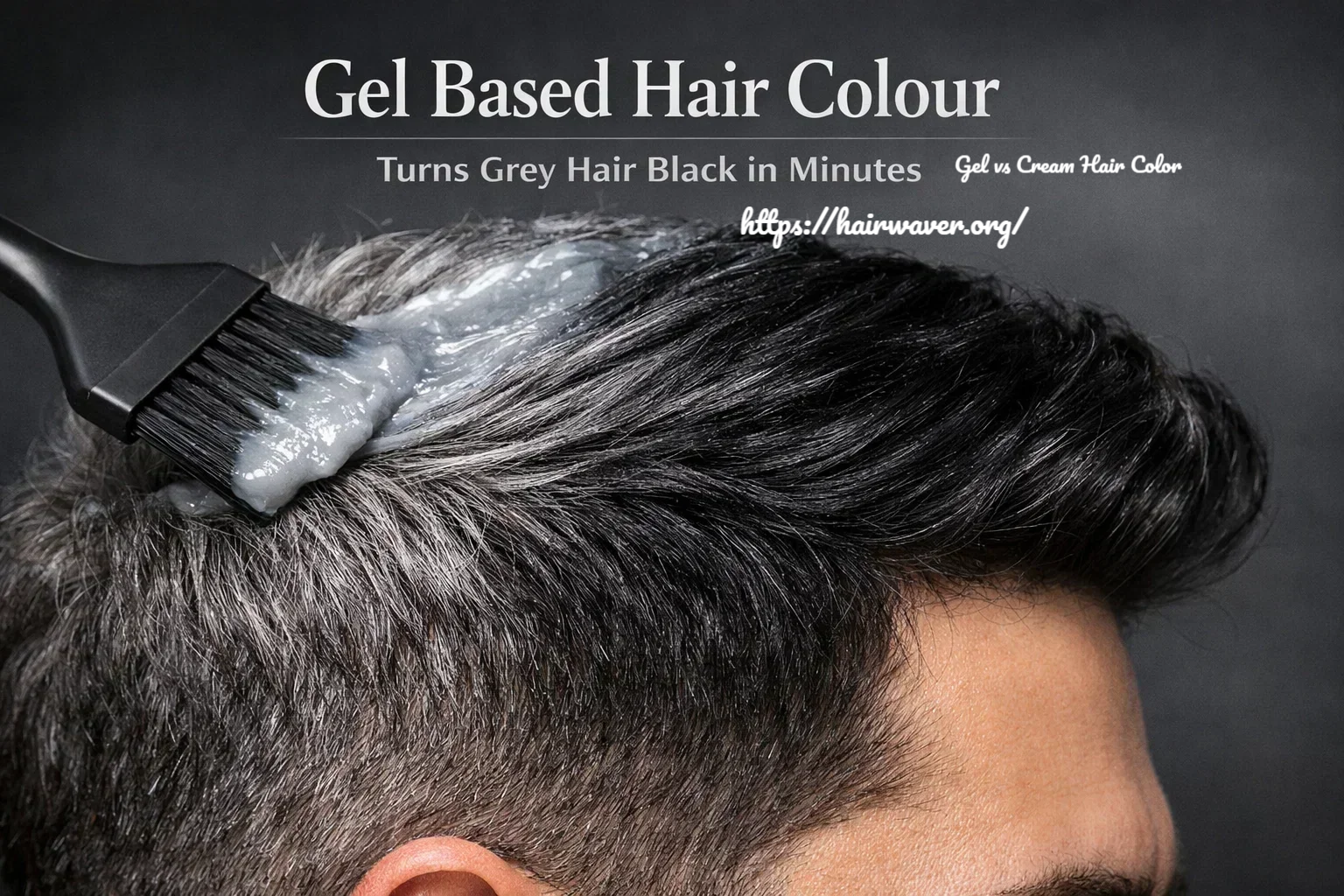
Gel-based hair color is a dye with a lightweight, semi-transparent consistency. It is often less thick than a cream, so it spreads easily from root to tip and doesn’t sit heavily on the strand.
Common traits:
- Translucent or clear-looking texture that lets you see where you’ve applied it
- Non-greasy feel, with less product left on the hair afterward
- Often found in demi-permanent and gloss formulas, though permanent gel versions exist too
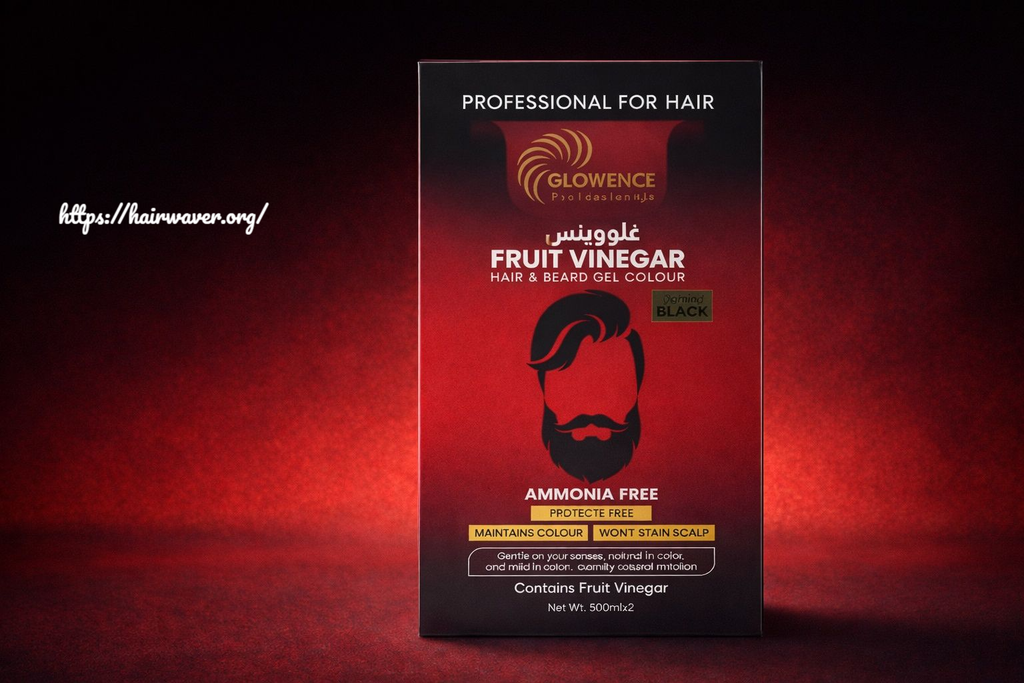
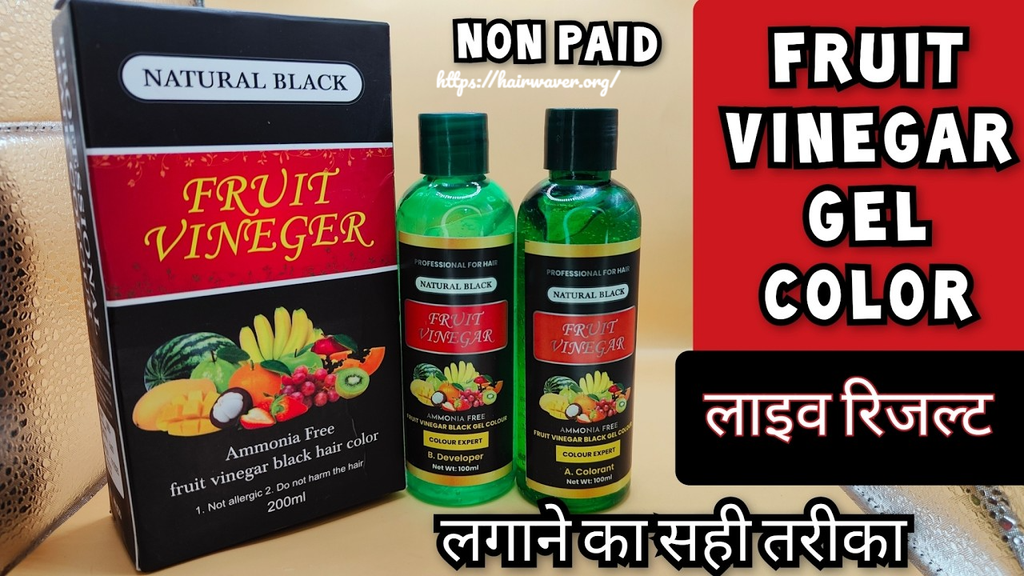
- Frequently marketed as ammonia-free, though you should confirm this on the label
Redken’s Shades EQ line is a well-known professional example of a gel-style gloss.
What Is Cream-Based Hair Color?
Cream-based hair color has a thick, lotion-like consistency, similar to a rich conditioner. It is the most common format for at-home permanent dye, and brands such as L’Oréal Paris, Garnier, Wella and Schwarzkopf all make cream lines.
Common traits:
- Thick body that stays where you put it and doesn’t drip
- Usually contains conditioning agents and fatty ingredients that cushion the hair
- Strong track record for covering grey
- Mixed with a developer before use in permanent versions
Gel vs Cream Hair Color: Detailed Comparison
| Factor | Gel-based | Cream-based |
|---|---|---|
| Texture | Lightweight, semi-transparent | Thick, lotion-like |
| Application | Fast, even spreading | Controlled, less drip |
| Grey coverage | Good in stronger formulas; often lighter in glosses | Typically excellent |
| Shine | High glossy finish | Good, formula dependent |
| Buildup feel | Usually lighter | Can feel heavier |
| Best for | Fine hair, toning, frequent refreshes | Resistant grey, big colour changes |
Treat this as a tendency, not a rule. A well-made cream can be gentle, and a poorly made gel can be harsh.
Gel vs Cream Hair Color: Application and Coverage
Gel flows easily, which helps when you’re working alone and can’t see the back of your head. Its thin consistency also makes it more forgiving on fine strands, where a heavy cream can weigh hair down. The trade-off is that a runny formula can drip onto skin and clothing if you’re careless.
Cream clings to the hair and stays put, which suits sectioned application and root touch-ups. Its thickness helps carry a higher pigment load, and that is why it tends to win on stubborn grey.
For a full change of shade, or dense grey at the roots, most people get more predictable results from a cream. For refreshing existing color, adding gloss, or a subtle shift, gel is often enough.
Hair and Scalp Comfort
Which is better for a sensitive scalp? A gentle gel is often more comfortable, but only if the formula is well made. Comfort depends on the ingredients, not the format.
What actually causes scalp irritation is usually the dye chemistry, especially PPD (paraphenylenediamine), a common permanent-dye ingredient and a well-known allergen, plus strong alkalising agents like ammonia. If you have a sensitive scalp:
- Look for ammonia-free and PPD-free labelling, and read the full ingredient list rather than relying on front-of-pack claims.
- Do a patch test 48 hours before every use, even with a product you’ve used before. The US FDA and dermatology bodies recommend this, and hair dye labels carry a warning for it.
- Keep product off the scalp where possible, especially with an oily scalp, where sweat and sebum can spread dye.
- Stop immediately and seek medical advice if you develop swelling, blistering or severe itching.
“Ammonia-free” does not mean “irritation-free”. Many ammonia-free products use other alkalising agents that can also sting.
Conditioning and Hair Feel After Coloring
Cream formulas usually have the edge here because their thicker base carries more conditioning agents, oils and botanical extracts. Some brands add amino acids to help with softness.
Gel formulas feel lighter and leave less product on the hair, which helps if your hair goes limp easily. You may need a good post-colour conditioner to compensate.
Be sceptical of any claim that a colour “strengthens” hair. Colour can’t rebuild the hair’s structure. Ingredients can improve feel and reduce friction, but real strength comes from the bond-building treatments and haircare you use around colouring.
Hair Damage and Long-Term Hair Health
Is gel-based hair color damaging? It can be, but less by texture than by chemistry. Permanent color of either type opens the hair cuticle, which is the outer protective layer, so pigment can reach the cortex, the inner layer. That process, driven by an alkaliser and peroxide developer, is what causes dryness and breakage over time.
What determines damage:
- Permanent vs demi-permanent: Demi and gloss formulas are generally gentler because they don’t lighten hair.
- Developer strength: A higher-volume developer lifts more and stresses hair more.
- Frequency: Repeated overlapping onto old colour is the main cause of breakage.
- Starting condition: Bleached or chemically treated hair is fragile no matter which format you use.
A practical habit for long-term hair health: apply colour to regrowth only, and use it on the lengths just for the last 5 to 10 minutes if a refresh is needed.
Best Hair Color for Different Hair Types
Fine or thin hair: Gel. It is lighter and less likely to feel weighed down. Apply gently to avoid tangling.
Thinning hair: Choose a gentle, ammonia-free formula and avoid leaving colour on the scalp. If thinning is sudden, see a doctor before colouring.
Coarse or resistant grey: Cream. The thicker base and higher pigment load usually deliver better coverage.
Dry or chemically treated hair: A conditioning formula, gel or cream, used less often. Strand-test first.
Oily scalp: A lightweight gel usually feels cleaner. Be careful to rinse thoroughly to avoid residue.
Frequently coloured hair: A gloss-style gel for refreshing in between full colours reduces the number of times you use a heavy permanent.
Color Vibrancy, Shine, and Results
Gel formulas are known for glossy, natural-looking shine because they deposit pigment in a thin, even layer. Creams give deep, opaque colour that lasts through more washes, especially in permanent form.
Longevity depends mainly on the type: demi-permanent lasts weeks, permanent lasts until regrowth. To extend either, wash with lukewarm water, use a colour-safe shampoo, and limit heat styling.
When Should You Choose Gel-Based Hair Color?
Choose gel if you:
- Have fine hair, or hair that gets weighed down easily
- Want a subtle change, a tone correction or extra shine
- Colour often and prefer a lighter formula between full colours
- Have a sensitive scalp and have found a fragrance-light, ammonia-free, PPD-free option
- Want an even, quick application at home
Choose cream if you need dependable grey coverage, a dramatic change, or you have thick or coarse hair.
Final Verdict
Gel gives lighter feel, easy application and gloss. Cream gives coverage and body. If you’re unsure, start with a gentle gel for a refresh and step up to a cream only if you need more coverage. Whichever you pick, patch test first and check the ingredients rather than trusting the front label.
6. Custom FAQ Section
Where can I buy gel color for hair in Pakistan?
Gel-style colours are sold through beauty supply shops, pharmacies, salon distributors and online marketplaces such as Daraz. Because counterfeits circulate, buy from official brand stores or authorised sellers, check that the seal and batch code are intact, and avoid unusually cheap listings.
What is the price of gel color for hair in Pakistan?
Prices vary widely by brand, size and whether the kit includes a developer. Professional lines cost more than supermarket brands, and small sachets cost less per pack but more per gram. I couldn’t verify a reliable current price list, so check the brand’s official store or an authorised retailer for today’s price.
What is the general price of gel color for hair?
Price depends on the formula (gloss, demi-permanent or permanent), the brand tier, the bottle size and whether a developer is included. A simple way to compare is cost per gram or millilitre, not the sticker price.
Is there a permanent gel color for hair?
Yes, but many gel-style products are demi-permanent or gloss formulas that fade over weeks. If you want permanent results, check that the label says “permanent” and that it’s used with a developer.
What is the best gel color for hair?
It depends on your hair. For sensitive scalps, look for ammonia-free, PPD-free formulas from established brands. For fine hair, choose a lightweight gloss. For resistant grey, a cream may serve you better. Read reviews from people with your hair type, and patch test.