Introduction
Hair styling trends continue to evolve in 2026, giving people more options than ever to create beautiful waves and curls at home. Two of the most popular styling tools are hair wavers and curling irons, but choosing the right one depends on your hair type, desired look, and styling goals. While a hair waver is known for creating effortless beachy waves with a modern finish, a curling iron offers more flexibility for defined curls and different hairstyles.
In this guide, we will compare Hair Waver Basics vs Curling Iron to help you understand their differences, benefits, and drawbacks. Whether you want soft waves for everyday styling or long-lasting curls for special occasions, this comparison will help you decide which tool is the best choice for your hair in 2026.
What Is the Difference Between a Hair Waver and a Curling Iron?
The core difference comes down to shape and technique.
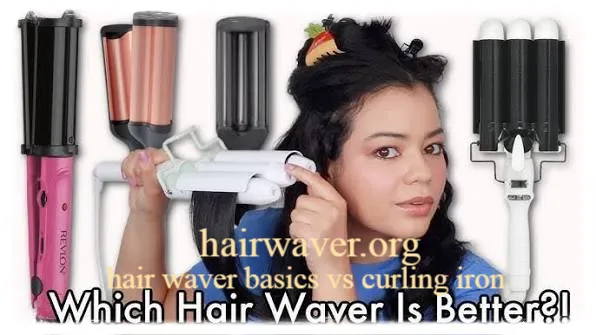
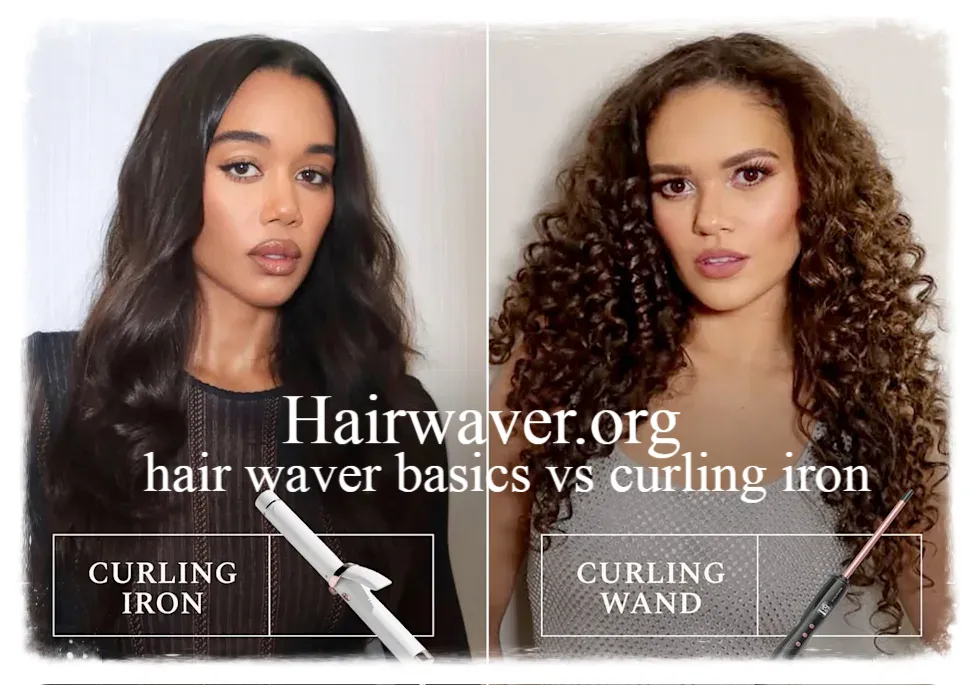
A curling iron uses a round barrel. You wrap sections of hair around it by hand, which means the tightness, direction, and shape of every curl depends on your technique. This gives you full creative control, but it also means there is a learning curve.
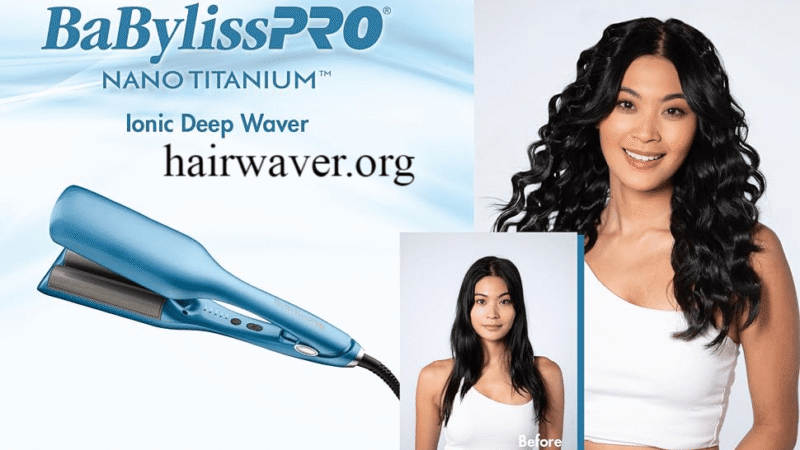
A hair waver, on the other hand, usually has an S shaped or clamp style barrel. You simply clamp your hair and glide the tool down. The wave pattern is built into the design, so every section comes out looking fairly consistent.
Quick comparison
Curling iron: manual wrapping, custom curl sizes, more control Hair waver: clamp and glide, automatic wave pattern, faster and beginner friendly
Which Is Better for Beginners?
If you are new to heat styling, a hair waver is usually the easier starting point.
Since the barrel does most of the shaping work, you do not need to master wrist angles or wrapping direction. You just clamp, hold for a few seconds, and release. Many first time users find they get usable waves within their very first attempt.
A curling iron rewards practice. Once you learn the wrapping technique, you can create anything from tight ringlets to loose beachy waves. But that learning curve can mean a few frustrating mornings before you get the hang of it.
I remember my first week with a curling iron. My curls fell out within an hour because I was not holding the sections long enough. A waver would have saved me that early frustration, though I did eventually love the flexibility the iron gave me.
Does a Hair Waver Damage Hair?
This is one of the biggest concerns people search for, and it deserves an honest answer.
Any heat styling tool can damage hair if it is used incorrectly. A hair waver is not automatically safer just because of its shape. What actually protects your hair comes down to three things.
Temperature control. Lower heat settings are always gentler. Heat protectant spray. This creates a barrier between your strands and the tool. Exposure time. Holding the clamp too long on one section increases damage risk.
According to dermatologists and stylists, repeated exposure above 400 degrees Fahrenheit on fine or color treated hair significantly raises the risk of breakage. So the tool itself matters less than how you use it.
Can a Curling Iron Create Beach Waves?
Absolutely, and this is actually one of its most popular uses. hairwaver
To get that relaxed beachy look with a curling iron, you skip wrapping every section fully. Instead, you alternate directions, leave the ends out, and use a slightly larger barrel. This creates a loose, undone texture that looks like you spent a day at the ocean instead of twenty minutes with hot styling tools.
Some stylists actually prefer curling irons for beach waves because you can vary the tightness section by section, giving a more natural, imperfect finish than a waver sometimes produces.
Which Styling Tool Lasts Longer?
Longevity depends on two things: the tool itself and how long your style holds.
Curl hold. Curling irons tend to hold curl shape longer, especially on second or third day hair, because the wrap method creates a tighter cuticle bend.
Device lifespan. Both tools typically last two to four years with proper care, though ceramic and tourmaline coatings tend to outlast basic metal plates.
If your priority is style longevity through the day, a curling iron with a clamp free barrel often wins. If your priority is tool durability, check for high quality ceramic coating on either device.
Best Styling Tool Based on Hair Type
Not every tool works the same way on every texture.
Fine hair
Fine strands are prone to heat damage, so a hair waver on a lower heat setting works well since it reduces repeated passes.
Thick or coarse hair hairwaver
Thicker hair often needs higher heat and firmer grip, which makes a curling iron a better match because you can control tension more precisely. source: Medium · Emma Stevens
Curly or wavy natural hair
If you already have texture and just want definition, a smaller barrel curling iron helps enhance your natural pattern without flattening it.
Color treated hair
Both tools require heat protectant here, but shorter clamp time with a waver tends to be gentler on chemically treated strands.
Best Choice for Busy Morning Routines
If mornings are chaotic, speed matters more than perfection.
A hair waver is generally faster because you are not manually wrapping each section. Many users report cutting styling time nearly in half compared to a traditional curling iron.
For a five minute routine, try this order.
Spray a heat protectant while hair is still slightly damp from the night before. Section hair into four parts. Clamp and glide each section with the waver, holding for five seconds. Shake out the waves with your fingers instead of a brush.
This kind of routine works well for anyone juggling school runs, early meetings, or simply hitting snooze one too many times.
Heat Safety Recommendations
No matter which tool you choose, heat safety should never be an afterthought. hairwaver
Always use a heat protectant spray before styling. Keep temperatures between 300 and 380 degrees Fahrenheit for most hair types. Avoid styling soaking wet hair, since this causes steam damage. Give your hair heat free days each week to recover. Unplug tools immediately after use to avoid accidental burns.
Professional Hairstylist Advice
Many professional stylists suggest starting with the lowest effective heat setting and only increasing if your hair truly needs it. They also recommend investing in a tool with adjustable temperature control rather than a single fixed setting, since not all hair sections need the same heat level.
Another tip stylists often repeat is to style hair in small sections. Larger sections may look faster, but they usually produce uneven curls and force you to reapply heat to fix mistakes, which causes more damage overall.
Hair Preparation Before Heat Styling
Preparation genuinely makes or breaks your results. source: Shenzhen Mesky Technology Co.,Ltd
Start with clean, fully dry hair, since any dampness can cause sizzling and weaken strands. Apply a lightweight heat protectant evenly through the mid lengths and ends. Brush out any tangles so sections glide smoothly through the tool. Finally, divide hair into even sections so you are not repeating heat on the same strands twice.
Skipping these steps is one of the most common reasons people feel disappointed with their curling results, regardless of which tool they use.
Conclusion
So, hair waver basics vs curling iron really comes down to your goals. If you want a fast, beginner friendly routine with consistent waves, a hair waver is a fantastic choice. If you want full creative control and curls that hold through a busy day, a curling iron is worth the practice.
Both tools can look amazing and both can cause damage if used carelessly. The real difference maker is your technique, your heat settings, and how well you prepare your hair beforehand.
Which one are you leaning toward trying first? Share this article with a friend who is also stuck choosing between the two.
FAQs
Is a hair waver good for short hair?
Yes, as long as the barrel size matches your hair length, short hair can hold waves nicely with a smaller waver.
Can I use a curling iron and a hair waver on the same day?
It is not recommended, since layering heat styling increases damage risk significantly.
How often should I use heat styling tools?
Most stylists suggest limiting heat styling to two or three times a week to protect hair health.
Do hair wavers work on very thick hair?
They can, though thicker hair may need a slightly higher heat setting and more clamping time per section.
What barrel size gives the most natural looking waves?
A one inch barrel is generally considered the sweet spot for soft, natural looking waves on most hair types.
Are ceramic tools better than metal ones?
Yes, ceramic and tourmaline coatings distribute heat more evenly and reduce the risk of hot spots that damage hair.
Author Bio : Aisha Khan a beauty content writer who has spent years testing styling tools and translating salon advice into simple, everyday tips for real hair routines.
email: johanharwen@314gmail.com
Author Name: Aisha Khan