
Introduction
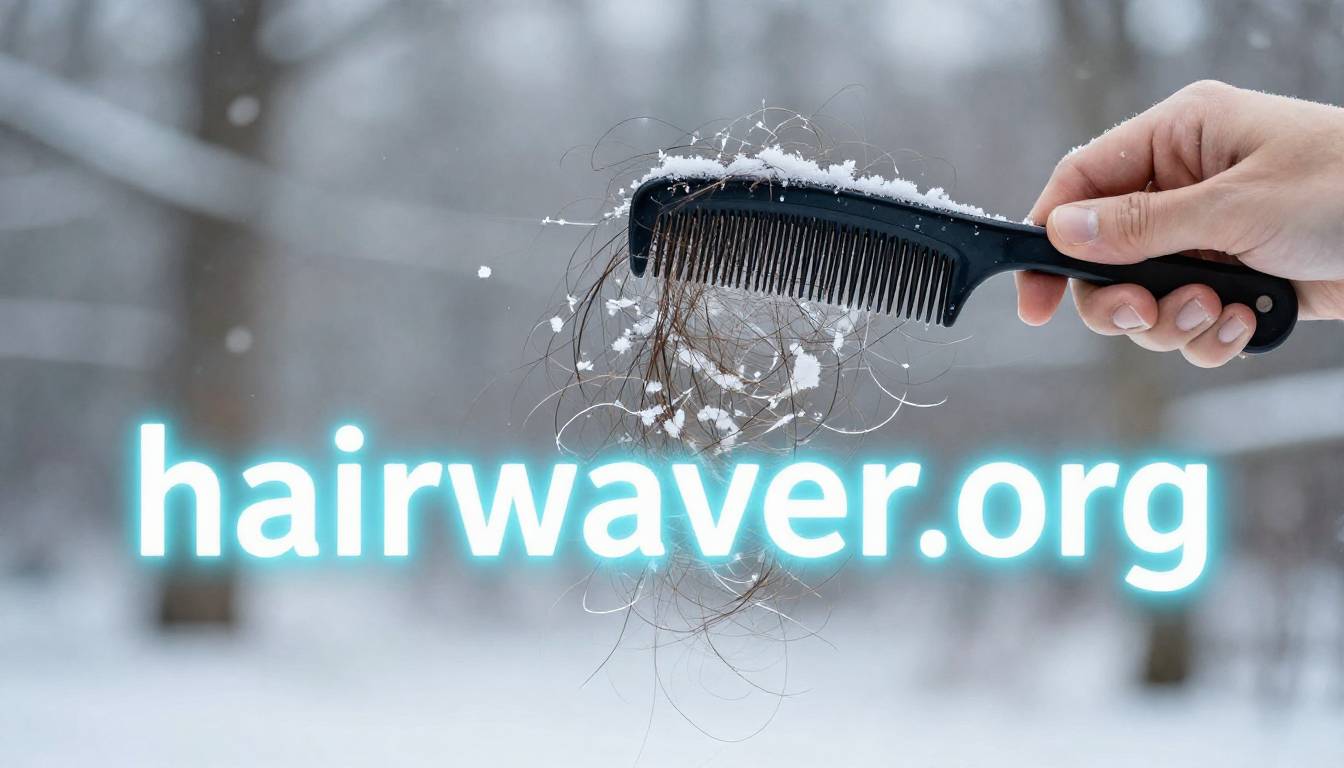
You brush your hair on a cold winter morning and notice more strands than usual clinging to the brush. You check the shower drain and find a worrying amount of fallen hair. Your pillow reveals more evidence. Sound familiar? You are not imagining it.
Why does hair fall increase in winter is one of the most searched questions every year as temperatures drop. The cold season brings dry air, reduced sunlight, and changes in your body that directly affect your hair’s health. Many people panic thinking something is seriously wrong. The truth is more manageable than you think.
In this article, you will learn exactly what causes winter hair fall, how to recognize the symptoms, which oils and routines actually help, common myths to stop believing, and when the situation requires a doctor’s attention. Let us tackle this seasonal problem together with clear, actionable information.
What Is Winter Hair Fall?
Defining the Seasonal Problem
Winter hair fall refers to the noticeable increase in hair shedding that occurs during cold months. Most people lose between 50 and 100 strands of hair daily under normal conditions. In winter, this number can rise significantly. Seasonal shedding beyond this normal range qualifies as winter hair fall.
This condition is temporary for most people. It typically begins in late autumn and continues through winter. Hair growth usually returns to normal as temperatures rise. Understanding this seasonal cycle prevents unnecessary panic and helps you respond appropriately. source: beauterahairandskinclinic.com
Why Hair Fall Increases in Winter: The Real Reasons
Dry and Cold Air Strips Moisture
Cold air holds less moisture than warm air. This dry environment pulls moisture from your scalp. A dehydrated scalp becomes flaky, itchy, and weak. Hair follicles lose their grip. Strands fall out more easily than during humid months.
Indoor heating makes this problem worse. Heaters remove remaining moisture from indoor air. Your scalp receives no relief from dryness throughout the day.
Reduced Sunlight and Vitamin D Deficiency
Your body produces Vitamin D through sun exposure. Winter brings shorter days and less direct sunlight. Reduced Vitamin D levels directly impact hair follicle health. Research confirms that Vitamin D deficiency is linked to increased hair shedding and disrupted hair growth cycles. VISIT…
Wearing Heavy Winter Gear
Hats, scarves, and hoods trap sweat and dirt against your scalp. This environment breeds bacteria. The friction from synthetic fabrics damages hair follicles. Tight headwear restricts blood circulation to the scalp. All of these factors combine to accelerate hair fall.
Poor Nutrition During Winter
People tend to eat fewer fresh fruits and vegetables in winter. Essential nutrients like Vitamin C, zinc, and biotin decline. Your hair depends on these nutrients for strength and growth. Nutritional gaps during winter months directly show up as increased hair loss.
Common Symptoms of Winter Hair Fall
Recognizing winter hair fall helps you respond quickly. Watch for these signs:
- Excessive strands on your brush or comb
- Noticeable hair on your pillow each morning
- Visible thinning around the temples or crown
- Dry, itchy, and flaky scalp
- Hair that breaks easily when you style it
- Increased shedding during washing
If you notice three or more of these symptoms consistently, your hair fall is likely winter-related.
How to Prevent Winter Hair Fall
Hydrate Your Scalp Actively
Drink at least eight glasses of water daily. Apply a hydrating scalp serum or lightweight oil twice weekly. Use a humidifier indoors to add moisture back to dry air. Moisturized follicles hold hair more firmly. This single habit makes a measurable difference within weeks.
Adjust Your Hair Washing Routine
Washing hair too frequently in winter strips natural oils. Switch to washing every two to three days instead of daily. Use lukewarm water instead of hot water. Hot water damages hair cuticles and speeds up moisture loss. Always follow with a moisturizing conditioner.
Protect Your Hair from the Cold
Wear a silk or satin lined hat instead of synthetic materials. This reduces friction while keeping you warm. Loose headwear causes less scalp constriction than tight styles. Avoid going outdoors with wet hair in cold temperatures. Wet hair freezes and breaks at the shaft. VISIT…
Take Your Vitamins
Supplement Vitamin D through capsules if sun exposure is limited. Add biotin, zinc, and iron to your winter supplement routine. Include eggs, nuts, leafy greens, and legumes in your daily diet. Nutritional support works from the inside out to strengthen follicles.
Best Oils for Winter Hair Care
The right oil can transform your winter hair health. Here are the most effective options:
- Coconut Oil – Penetrates deep into the hair shaft, reduces protein loss, and moisturizes the scalp effectively.
- Castor Oil – Rich in ricinoleic acid, it improves blood circulation to the scalp and stimulates hair growth.
- Argan Oil – Packed with Vitamin E, it repairs dry and damaged strands while adding shine.
- Jojoba Oil – Closely mimics natural scalp sebum, balancing oil production and hydrating the scalp.
- Almond Oil – Contains magnesium that reduces breakage and strengthens hair from root to tip.
Apply your chosen oil twice weekly. Warm it slightly before applying. Massage gently into your scalp for five minutes to boost circulation. Leave it for at least one hour before washing out.

Simple Winter Hair Care Routine
Follow this weekly routine to reduce seasonal shedding:
Myths vs Facts About Winter Hair Fall
Myth: Cutting Hair Stops Winter Fall
Fact: Cutting hair removes damaged ends but does not affect follicle health. It will not stop shedding. Focus on scalp care instead.
Myth: More Washing Removes Dandruff and Stops Hair Fall
Fact: Over-washing strips oils and worsens dryness. Washing less frequently actually improves scalp health in winter.
Myth: Hair Loss in Winter Is Always Permanent
Fact: Seasonal hair fall is usually temporary. Most people regain normal thickness when spring arrives and habits improve. hairwaver
Myth: Only Women Experience Winter Hair Fall
Fact: Both men and women experience seasonal hair fall. Men may notice it differently but are equally affected.
When to See a Doctor
Most winter hair fall resolves with better care habits. However, certain signs require professional attention. See a doctor if you notice:
- Bald patches forming suddenly
- Shedding that continues beyond the winter season
- Hair fall accompanied by fatigue, weight changes, or skin problems hairwaver
- More than 150 strands falling per day consistently
- No improvement after three months of improved hair care
These symptoms may indicate thyroid issues, iron deficiency anemia, alopecia, or hormonal imbalances that need medical diagnosis and treatment.
Conclusion
Now you understand why does hair fall increase in winter and what you can do about it. Dry air, reduced sunlight, poor nutrition, and wearing tight headwear all contribute to this seasonal problem. The good news is that simple changes to your routine produce noticeable results.
Stay hydrated. Supplement Vitamin D. Oil your scalp regularly. Protect your hair from cold and friction. These steps address the core reasons why hair fall increase in winter happens and keep your strands healthy throughout the cold months.
Has your hair fall worsened this winter? Share your experience in the comments and tell us which tip you plan to try first. If this article helped, share it with someone struggling with the same seasonal problem.
FAQs: Why Does Hair Fall Increase in Winter?
1. Is it normal for hair to fall more in winter? Yes. Seasonal hair fall in winter is extremely common. Most people shed more hair during cold months due to dry air, reduced Vitamin D, and nutritional changes. It typically resolves when spring arrives.
2. How much hair fall is normal in winter? Losing 50 to 150 strands daily is considered normal during winter. If you consistently exceed this amount or notice bald patches, consult a dermatologist.
3. Does cold weather cause hair loss permanently? Rarely. Cold weather itself does not cause permanent hair loss. The environmental effects of winter, including dryness and Vitamin D deficiency, create temporary shedding that reverses with proper care.
4. Which vitamin deficiency causes hair fall in winter? Vitamin D is the most common culprit. Iron and biotin deficiencies also increase during winter due to dietary changes and reduced sunlight exposure.
5. How can I stop hair fall in winter naturally? Oil your scalp twice weekly, stay hydrated, supplement Vitamin D, eat nutrient-rich foods, reduce washing frequency, and protect your hair from cold weather and tight headwear.
6. Does wearing a hat cause more winter hair fall? Tight synthetic hats can cause friction and scalp constriction that worsens hair fall. Switching to silk-lined hats prevents this problem while keeping you warm.
7. What is the best oil for hair fall in winter? Castor oil and coconut oil are most effective for reducing winter hair fall. Castor oil stimulates circulation and growth. Coconut oil penetrates deeply and prevents protein loss.
8. Should I wash my hair less in winter? Yes. Washing every two to three days instead of daily helps retain natural scalp oils. Use a moisturizing shampoo and lukewarm water to prevent dryness.
also read: hairwaver.org
email: johanharwen@314gmail.com
Author Name: Dr. Priya Mehta
About the Author : Dr. Priya Mehta is a certified trichologist and hair health writer with over ten years of experience helping people address hair loss and scalp conditions. She combines clinical expertise with practical advice to make hair care accessible to everyone. Her work appears on leading health and wellness platforms across South Asia and the UK. When she is not writing, Dr. Priya consults with patients on personalized hair care plans and seasonal hair health strategies.