
Introduction
Have you ever noticed your scalp feeling itchy, tight, or oily just a day after washing your hair? You are not alone. Most hair problems, including thinning and dandruff, actually start at the scalp, not the hair strands. A proper scalp care routine at home can change that story completely.
I used to think shampoo alone was enough. It was not. Once I added simple scalp care steps like oiling and gentle exfoliation, my hair felt thicker and less greasy within weeks. This article walks you through everything you need, from how often to wash your scalp, to the best oils, natural buildup removal, and a weekly checklist you can actually stick to. Let us get started.
What Is a Scalp Care Routine
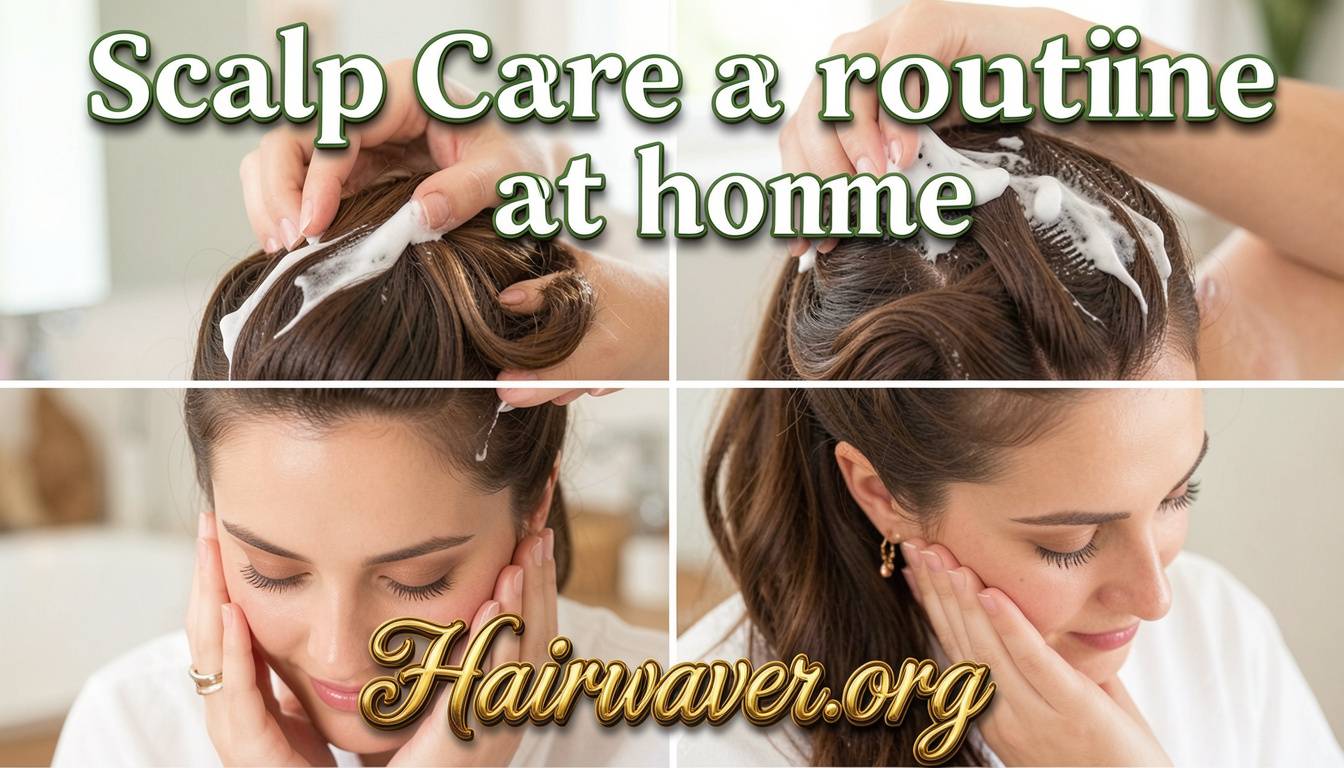
A scalp care routine at home is a simple set of daily and weekly habits that clean, balance, and nourish your scalp. It includes washing, oiling, massaging, and gently removing buildup. A good routine prevents itchiness, dandruff, and hair fall, while keeping your scalp calm, fresh, and ready to support strong hair growth. source: Garnier
Why Scalp Health Matters So Much
Your scalp is skin. It has oil glands, pores, and follicles, just like your face. When you ignore it, oil and dead skin build up, pores get clogged, and hair follicles struggle to grow healthy strands. Treating your scalp with the same care you give your skin makes a real difference over time. hairwaver
The Best Scalp Care Routine at Home in Numbered Steps
- Brush before washing. Gently brush your hair to loosen dirt and product buildup before you get in the shower.
- Choose the right shampoo. Pick a sulfate free shampoo suited to your scalp type, whether dry, oily, or sensitive.
- Massage while shampooing. Use your fingertips, not nails, to massage the scalp for two to three minutes. This boosts blood flow.
- Rinse with lukewarm water. Hot water strips natural oils and can irritate the scalp.
- Apply a scalp oil or serum. Once or twice a week, apply oil before washing to nourish the scalp and loosen buildup.
- Exfoliate weekly. Use a gentle scalp scrub or brush to remove dead skin and product residue.
- Condition the ends, not the scalp. Keep conditioner away from your roots to avoid excess oiliness.
- Dry gently. Pat your scalp with a soft towel instead of rubbing harshly.
- Protect from sun and pollution. Wear a hat when outdoors for long hours.
- Eat and hydrate well. A healthy scalp starts from within, so drink enough water and eat protein rich foods.
How Often Should You Wash Your Scalp
This depends on your scalp type. Oily scalps often need washing every two days, while dry scalps do well with two to three washes a week. Washing too often can strip natural oils, and washing too little can cause buildup and itchiness. Listen to your scalp and adjust as needed.
Can You Massage Your Scalp Every Day
Yes, and it is actually encouraged. A daily five minute scalp massage improves blood circulation, reduces stress, and can support hair growth over time. You do not need oil every time. Even a dry massage with clean fingertips works well before bed or after a shower.
Which Oil Is Best for Scalp Care
There is no single best oil for everyone, but a few stand out for their proven benefits. hairwaver
- Coconut oil deeply moisturizes and reduces protein loss in hair strands.
- Rosemary oil is known for supporting hair growth and improving circulation.
- Tea tree oil helps with dandruff and has natural antibacterial properties.
- Jojoba oil closely mimics natural scalp sebum, making it great for oily scalps.
- Argan oil works well for dry, flaky scalps thanks to its vitamin E content.
Try one at a time and see how your scalp responds before mixing multiple oils.
How to Remove Scalp Buildup Naturally
Buildup happens when oil, sweat, and product residue sit on your scalp for too long. Here are natural ways to clear it. VISIT…
- Mix apple cider vinegar with water and use it as a final rinse once a week.
- Use a baking soda and water paste sparingly, no more than once every two weeks.
- Try a gentle scalp scrub with brown sugar and coconut oil before shampooing.
- Use a silicone scalp brush during every wash to physically lift buildup.
- Avoid heavy styling products that leave residue behind.
Dry Scalp vs Oily Scalp Care Comparison
| Factor | Dry Scalp | Oily Scalp |
|---|---|---|
| Washing frequency | Two to three times a week | Every one to two days |
| Best oils | Argan, almond, coconut | Jojoba, tea tree, grapeseed |
| Shampoo type | Moisturizing, sulfate free | Clarifying, lightweight |
| Massage frequency | Daily, with oil | Daily, without heavy oil |
| Common issue | Flaking and tightness | Excess grease and clogged pores |
| Exfoliation | Once a week, gentle | Twice a week, deeper cleanse |
Weekly Scalp Care Checklist
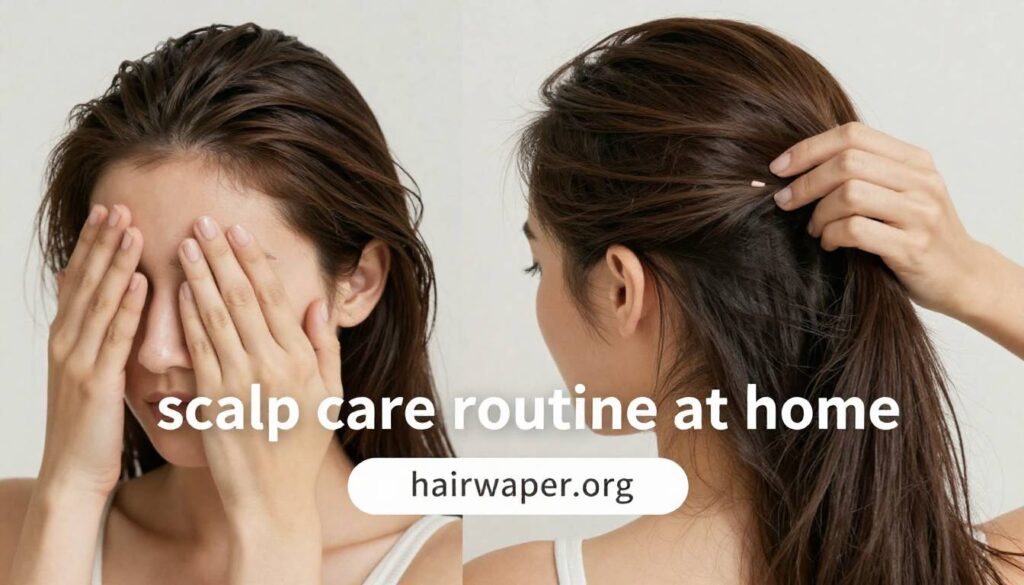
- Monday: Gentle massage before bed
- Tuesday: Wash and condition as per your scalp type
- Wednesday: Apply nourishing oil for thirty minutes
- Thursday: Light massage, no product
- Friday: Wash and exfoliate gently
- Saturday: Apple cider vinegar rinse
- Sunday: Rest day, just brush and hydrate
Tips for a Healthy Scalp
- Use lukewarm water instead of hot water.
- Change your pillowcase at least once a week.
- Keep styling tools away from the scalp directly.
- Choose products with fewer harsh chemicals.
- Stay consistent, since results take a few weeks to show.
Common Scalp Care Mistakes to Avoid
- Washing your hair every single day regardless of scalp type. VISIT…
- Scratching your scalp with nails instead of massaging with fingertips.
- Skipping oiling because it feels time consuming.
- Using very hot water during every wash.
- Ignoring flakes or itchiness for months without adjusting your routine.
Frequently Asked Questions
How long does a scalp care routine take to show results?
Most people notice less itchiness and buildup within two to three weeks of consistent care.
Is scalp exfoliation really necessary?
Yes, it removes dead skin and product buildup that regular shampoo often misses.
Can diet affect scalp health?
Absolutely. Protein, biotin, and hydration all support a healthier scalp and stronger hair.
Should I oil my scalp before or after washing?
Apply oil before washing and let it sit for at least thirty minutes for best absorption.
Is dandruff the same as a dry scalp?
Not always. Dandruff can happen on oily scalps too, often due to a yeast imbalance.
Can stress affect my scalp?
Yes, stress can increase oil production and even trigger temporary hair shedding.
Do I need expensive products for scalp care?
No, simple and consistent care often works better than expensive, complicated routines.
Conclusion
A simple scalp care routine at home can transform how your hair looks and feels. Focus on the right washing frequency, gentle daily massage, the correct oil for your scalp type, and natural buildup removal. Small, consistent habits beat occasional intense treatments every time. Start with just two or three steps from this guide this week, and see how your scalp responds. Which step will you try first?
also read: hairwaver.org
email: johanharwen@314gmail.com
Author Name: Hamid Ali
About the Author : Hamid Ali is a hair and skincare content writer who focuses on simple, practical routines anyone can follow at home. He enjoys turning research backed beauty advice into clear, easy steps for everyday readers.