

Introduction
A Lakeshore Flood Watch means significant flooding along a lake shoreline is possible. It does not mean flooding is certain, but it tells you that weather and water conditions could create dangerous problems. If you live near one of the Great Lakes, own property near the shore, or plan to visit a lakeside area, understanding this alert can help you act before conditions become dangerous.
The National Weather Service defines a Lakeshore Flood Watch as a situation where lakeshore flooding with significant impacts is possible. The agency uses the watch to give people time to prepare before flooding becomes imminent.
In this guide, you will learn what the alert means, what causes lakeshore flooding, how a watch differs from an advisory or warning, and what you should do when one is issued.
What Is a Lakeshore Flood Watch?
A Lakeshore Flood Watch is an official weather alert that means significant flooding along a lake shoreline is possible.
The National Weather Service issues this alert when developing conditions could push lake water onto normally dry land. The exact timing varies by location, but some National Weather Service offices describe watches as being issued roughly 12 to 48 hours before possible impacts.
A watch gives you time to prepare.
It does not necessarily mean that water is already flooding roads, homes, beaches, or parks. Instead, forecasters see enough potential for flooding that you should monitor updates and be ready to change your plans.
What does a Lakeshore Flood Watch mean for you?
It generally means:
- Significant lakeshore flooding is possible.
- Strong winds or waves may affect the shoreline.
- Low lying areas could become flooded.
- Beaches and waterfront roads may become dangerous.
- Water levels may change quickly.
- A warning could follow if conditions become more certain.
The most important point is simple. A watch means prepare now rather than waiting for flooding to begin.
What Causes Lakeshore Flooding?
Lakeshore flooding can develop through several interacting weather and water conditions. A major storm can create strong winds that push lake water toward the shoreline. High existing lake levels can make the situation worse.
The National Weather Service notes that lakeshore flooding affects land along the Great Lakes and can extend into bays and areas where lakes connect with rivers and other waterways.
Strong winds
Strong winds are one of the biggest factors.
When persistent winds blow toward a shoreline, they can push water toward land. This process can raise water levels locally and create large waves. source: UNESCO
The effect can become especially dangerous when strong winds continue for several hours.
Large waves
Waves can carry water over beaches, seawalls, roads, and other shoreline structures.
Large waves can also cause rapid water level fluctuations. During a recent Lakeshore Flood Warning issued by the National Weather Service Chicago office, forecast wave heights reached 3 to 6 feet, with rapidly changing water levels capable of flooding areas along the lakeshore.
High lake levels
A lake does not need to be experiencing an extreme rise at the exact moment flooding begins.
If the lake is already high, less additional water movement may be needed to push water onto normally dry land.
Shoreline shape
Local geography matters too.
The National Weather Service explains that lakeshore flooding depends heavily on local coastline topography and nearshore bathymetry. In simple terms, the shape and depth of the shoreline can influence how water and waves behave.
What Is the Difference Between a Lakeshore Flood Watch and Warning?
This is one of the most important questions to understand.
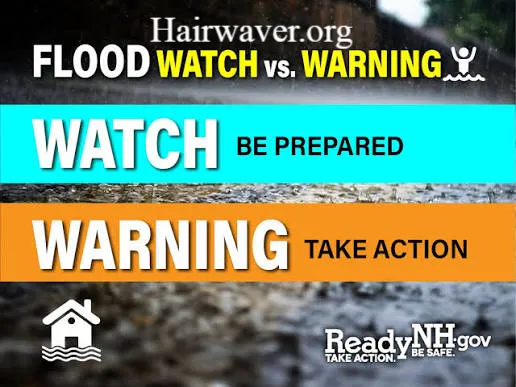
A Lakeshore Flood Watch means significant flooding is possible.
A Lakeshore Flood Warning means flooding is occurring, imminent, or highly likely and could pose a serious threat to life and property.
| Alert | Meaning | What You Should Do |
|---|---|---|
| Lakeshore Flood Advisory | Minor flooding is possible | Stay alert and monitor conditions |
| Lakeshore Flood Watch | Significant flooding is possible | Prepare and review safety plans |
| Lakeshore Flood Warning | Serious flooding is occurring or likely soon | Take immediate protective action |
Think of a watch as your preparation stage.
A warning is your action stage.
How Much Warning Time Do You Get?
The amount of advance notice depends on the weather system, lake conditions, location, and forecast confidence.
The National Weather Service Duluth office says a Lakeshore Flood Watch may be issued 12 to 48 hours ahead of potential impacts. Another National Weather Service office describes a watch as generally being issued 12 to 36 hours in advance, while a warning may be issued when serious flooding is occurring or expected within about 12 hours.
This difference exists because local forecasting offices use conditions specific to their areas.
You should always follow the timing and instructions in the latest local alert.
Which Areas Are Most at Risk?
Lakeshore flooding can affect many types of shoreline locations.
Higher risk areas often include: source: Municipality of Lakeshore
- Low lying waterfront neighborhoods
- Beaches
- Marinas
- Waterfront parks
- Lakeside roads
- Docks and piers
- Campgrounds near the shoreline
- Homes and businesses close to the water
- Areas near bays and connecting waterways
Not every location near a lake faces the same level of danger.
A property that sits several feet above the shoreline may remain dry while a nearby road becomes flooded.
What Should You Do During a Lakeshore Flood Watch?
A watch gives you valuable preparation time. Use it.
1. Check the latest forecast
Follow updates from the National Weather Service and your local emergency management agency.
Pay attention to changes in the expected timing, wind strength, wave height, and water levels.
2. Move vulnerable items
If you live near the shoreline, move valuable outdoor items away from areas that could flood.
Consider securing:
- Outdoor furniture
- Boats and equipment
- Electrical equipment
- Vehicles
- Garden tools
- Important household items
3. Avoid unnecessary shoreline trips
A beautiful lake can become dangerous surprisingly quickly.
Avoid beaches, piers, breakwaters, and exposed waterfront areas when strong winds and waves are expected.
4. Prepare for road flooding
Do not assume a familiar waterfront road will remain safe.
Water can cover roads quickly and obscure damage beneath the surface.
If authorities close a road, use another route.
5. Protect important documents
Keep important documents, medication, electronics, and other valuable belongings in safer locations if your property could flood.
Can Lakeshore Flooding Damage Property?
Yes.
The level of damage depends on water depth, wave energy, flooding duration, and the vulnerability of the affected property.
Minor flooding may cause little or no property damage. More severe flooding can inundate roads, buildings, beaches, and waterfront infrastructure. The National Weather Service notes that lakeshore flooding can range from minor overflow to significant inundation and severe beach erosion.
Waves can make the situation worse.
Even when water levels do not appear extremely high, repeated waves can push water farther inland and damage shoreline structures.
Why Is Shoreline Erosion a Concern?
Flooding and erosion often occur together during powerful lake storms.
Strong waves can remove sand and soil from beaches and weaken the shoreline. Repeated wave action can damage retaining structures, walkways, docks, and other waterfront infrastructure.
The National Weather Service specifically identifies severe beach erosion as one possible impact of significant lakeshore flooding.
This is why you should take a flood alert seriously even if your home is not expected to flood directly.
What Should You Avoid During a Lakeshore Flood Watch?
Some actions can put you at unnecessary risk.
Avoid:
- Walking close to breaking waves
- Standing on piers during strong winds
- Driving through flooded roads
- Exploring flooded beaches
- Going near damaged seawalls
- Ignoring road closure signs
- Assuming calm conditions will continue
- Waiting for a warning before preparing
Water can behave unpredictably near a shoreline.
A location that looks manageable from a distance may become dangerous when a large wave arrives.
Lakeshore Flood Watch Quick Facts
| Question | Short Answer |
|---|---|
| What is a Lakeshore Flood Watch? | A notice that significant lakeshore flooding is possible |
| Does a watch mean flooding is certain? | No |
| Who issues the alert? | The National Weather Service |
| What can cause flooding? | Strong winds, waves, high lake levels, and shoreline conditions |
| Is a warning more serious? | Yes |
| Can flooding cause erosion? | Yes |
| Should you avoid the shoreline? | Yes, especially during dangerous conditions |
| Can roads flood? | Yes, particularly low lying waterfront roads |
What Does a Lakeshore Flood Warning Mean?
A warning requires faster action.
The National Weather Service defines a Lakeshore Flood Warning as an alert for flooding that poses a serious threat to life and property and is occurring, imminent, or highly likely.
If a warning replaces a watch, do not treat it as another routine forecast update.
Follow local emergency instructions.
Move away from dangerous shoreline areas and avoid driving into flooded locations.
Frequently Asked Questions
What is a Lakeshore Flood Watch?
A Lakeshore Flood Watch means significant flooding along a lake shoreline is possible. It tells you to prepare and monitor updated forecasts.
Is a Lakeshore Flood Watch dangerous?
The watch itself is not a statement that flooding is already occurring. However, it indicates that conditions could create significant impacts, so you should take it seriously.
What is the difference between a flood watch and flood warning?
A watch means flooding is possible. A warning means serious flooding is occurring, imminent, or highly likely.
What causes lakeshore flooding?
Strong winds, large waves, elevated lake levels, storms, shoreline geography, and nearshore water depth can contribute to flooding.
Can lakeshore flooding happen without heavy rain?
Yes. Strong winds and waves can push lake water onto normally dry land even when heavy rainfall is not the primary cause.
Can lakeshore flooding damage homes?
Yes. Floodwater and strong waves can damage buildings, roads, docks, beaches, and other infrastructure.
Should you drive during a Lakeshore Flood Watch?
You can travel if roads remain open and conditions are safe, but avoid unnecessary trips near the shoreline. Never drive through flooded roads.
How long does a Lakeshore Flood Watch last?
The duration depends on the forecast and local conditions. Always check the latest alert from your local National Weather Service office.
Can lakeshore flooding cause erosion?
Yes. Strong waves and elevated water can remove beach material and contribute to shoreline erosion.
Where can you get the latest Lakeshore Flood Watch information?
For United States locations, monitor the latest information from the National Weather Service and local emergency management authorities.
Conclusion
A Lakeshore Flood Watch is an important early warning that significant shoreline flooding is possible. It gives you time to prepare before conditions become more dangerous.
Strong winds, large waves, elevated lake levels, and local shoreline conditions can combine to create flooding. The risk can vary greatly from one shoreline location to another.
The safest approach is simple. Monitor official forecasts, protect vulnerable property, avoid exposed waterfront areas, and act quickly if a Lakeshore Flood Warning is issued.
A watch is your opportunity to prepare before the situation becomes urgent. If you live or spend time near a lake, knowing the difference between a watch, advisory, and warning can help you make safer decisions.
About the Author: Awais khan The author writes clear, research based weather and safety guides designed to help readers understand important alerts and make informed decisions. The focus is on practical information, official weather terminology, and easy to follow safety advice.
email: johanharwen@314gmail.com
Author Name: Awais khan