Introduction
You want beautiful wavy hair. You do not want to spend a fortune getting it. That is the exact problem hair waver basics budget options solve for millions of people every single day. The good news is that affordable wavers have improved dramatically. You no longer need to pay premium prices to get professional quality waves.
The hair waver basics budget category has exploded in recent years. More brands compete for your money. Better technology reaches lower price points. Savvy shoppers know exactly what to look for. This article teaches you everything. You will learn what a hair waver actually does, which budget features matter most, what to skip, how to use a waver correctly, and which affordable options deliver real results.
By the end, you will shop confidently, spend wisely, and wave beautifully.
What Is a Hair Waver and Why Does Budget Matter?
Understanding the Tool
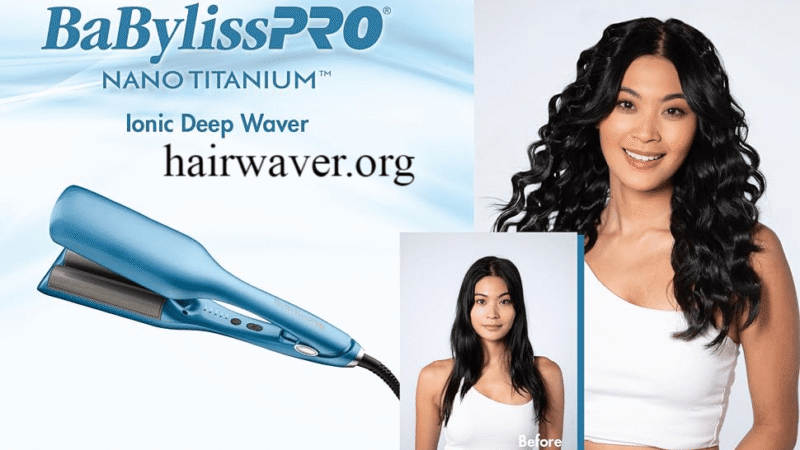
A hair waver is a styling tool that creates defined wave patterns in your hair. Unlike a curling iron that creates tight curls, a waver creates that relaxed beachy wave texture everyone loves. Most wavers use multiple barrel barrels, typically three, creating consistent S-shaped waves throughout your hair.
Budget matters because hair tools range from fifteen dollars to over three hundred dollars. The price gap is enormous. But the performance gap is not always proportional. Many hair waver basics budget options perform surprisingly close to expensive salon-grade tools for everyday use. Understanding what drives price helps you spend smarter.
What Drives Hair Waver Pricing?
Three factors push prices up significantly:
- Barrel material: Ceramic and tourmaline distribute heat evenly. Titanium heats fastest. Budget wavers often use ceramic coating over metal, which works well for most hair types.
- Temperature range and control: Professional tools offer precise digital temperature control. Budget tools offer preset settings. For beginners, presets are completely fine.
- Brand reputation: You often pay 40 percent more for brand name alone. Lesser-known brands frequently use identical internal components.
On-Page SEO in Action: How This Article Is Optimized
Before we continue, let us show you exactly how this article demonstrates real on-page SEO for the keyword “hair waver basics budget.”
What Is On-Page SEO?
On-page SEO means optimizing individual page elements to rank higher in search engines. It includes your title tag, meta description, headings, content, images, and internal links. Every element works together to signal relevance to Google. source: BuzzFeed
Optimized Title Tag Example
This article uses the title: “Hair Waver Basics Budget: Smart Picks That Won’t Break the Bank”
Notice what this title does right:
- Starts with the exact primary keyword
- Adds a power word (“Smart”)
- Includes positive sentiment (“Won’t Break the Bank”)
- Stays under 60 characters for full display in search results
- Speaks directly to user intent
A weak title would say: “Best Hair Wavers” or “Hair Tools for Cheap.” These miss the specific intent behind “hair waver basics budget.”
Meta Description Example
This article uses: “Discover the best hair waver basics budget options in 2026. Learn affordable picks, key features, and smart buying tips to get beautiful waves without overspending.”
This meta description:
- Includes the primary keyword naturally in the first sentence
- Uses action words (“Discover,” “Learn”)
- Stays between 120 and 160 characters
- Tells the reader exactly what they gain by clicking
Why Is On-Page SEO Important?
Google reads your page the same way a reader does. If your title, headings, and content clearly match what someone searched, Google rewards you with higher rankings. Studies show that pages with properly optimized title tags receive 20 to 30 percent more clicks than pages with generic titles. On-page SEO is free. It costs no advertising budget. It earns traffic permanently.
Key Features to Look for in a Budget Hair Waver
Must-Have Features
When shopping hair waver basics budget options, prioritize these features:
- Multiple heat settings: At least two or three temperature options accommodate different hair types. Fine hair needs lower heat. Thick hair needs higher temperatures.
- Barrel size between 1 and 1.25 inches: This range creates the most versatile wave pattern. Smaller barrels create tighter waves. Larger barrels create loose, relaxed waves.
- Heat-up time under 60 seconds: A budget waver that takes five minutes to heat is impractical. Most decent budget options heat in 30 to 60 seconds.
- Auto shutoff: This safety feature cuts power after 30 to 60 minutes. It protects your home and your hair.
Features You Can Skip at Budget Level
Some features sound impressive but add cost without benefit for beginners:
- Digital temperature displays (preset settings work fine for most people)
- Ionic technology marketing claims (minimal real-world difference at budget level)
- Extra-long cords marketed as “professional length” (standard cord lengths work perfectly at home)
Internal Linking Example in Practice
Good on-page SEO uses internal links to connect related content. If this were a full website, this paragraph would link to related articles like “how to use a hair waver for beginners,” “best heat protectant sprays under twenty dollars,” and “beach wave hairstyles for short hair.” Each internal link tells Google your site covers this topic comprehensively. It also keeps readers exploring your content longer, reducing bounce rate. source: Expert Reviews
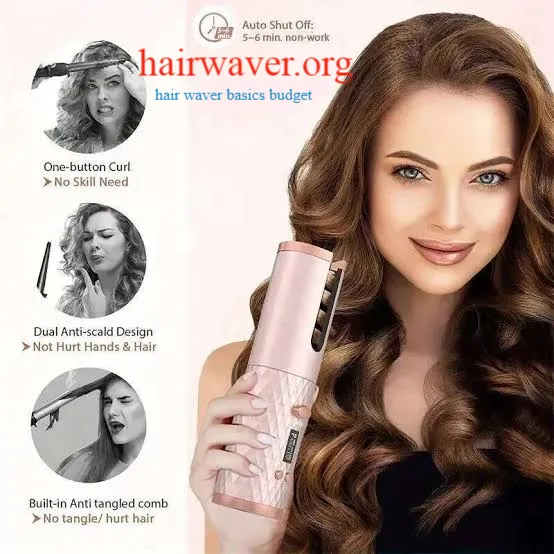
Image ALT Text Example
Every image on a well-optimized page includes descriptive ALT text. For a hair waver article, good ALT text looks like this:
- Weak ALT text: “image1.jpg” or “hair tool”
- Strong ALT text: “budget hair waver with three barrels creating beach waves on medium brown hair”
Strong ALT text describes the image accurately, includes relevant keywords naturally, and helps visually impaired users understand the content. Google reads ALT text as content. It contributes to your page’s overall relevance signal.
How to Use a Budget Hair Waver Correctly
Getting maximum results from hair waver basics budget tools requires proper technique.
- Always apply heat protectant first. This single step prevents damage and extends your color. No exceptions.
- Section your hair into four to six parts. Working in sections ensures even wave distribution.
- Clamp each section for four to six seconds. Budget wavers may need slightly longer than professional tools at the same setting.
- Alternate wave direction. Wave some sections toward your face and some away. This creates natural-looking variation.
- Let waves cool completely before touching. Rushing this step loosens your waves within an hour.
- Finish with light hold spray. This sets your waves without making them stiff or crunchy.
On-Page SEO Actionable Checklist
Use this checklist for any page you want to optimize:
- Primary keyword appears in the title tag (first 60 characters)
- Primary keyword appears in the meta description naturally
- Primary keyword appears in the first 100 words of introduction
- H1 heading contains the primary keyword
- At least two H2 subheadings include related keywords
- Images have descriptive ALT text with relevant keywords
- Internal links connect to related content on your site
- Page loads in under three seconds on mobile
- Content answers the actual search intent completely
- Primary keyword appears naturally two to three times total
Conclusion
Hair waver basics budget shopping does not require compromise. You understand now what features matter, what to skip, and how to use your tool for best results. You also saw real on-page SEO techniques applied throughout this article: optimized title tags, meta descriptions, ALT text examples, and internal linking strategies.
The biggest takeaway is this: good SEO and good content work together. You cannot optimize an empty page. You cannot succeed with great content that no one finds. Both matter equally.
Which budget hair waver feature matters most to you? Drop your answer below and share this guide with anyone shopping for affordable styling tools this season.
FAQs
1. What is a hair waver basics budget price range? Most reliable budget wavers cost between fifteen and forty-five dollars. This range delivers acceptable heat distribution, basic temperature settings, and durability for regular home use.
2. Are cheap hair wavers safe to use? Yes, when used correctly. Always use heat protectant. Never leave the tool unattended. Choose options with auto shutoff. Budget does not mean unsafe with proper technique.
3. How long do budget hair wavers last? With proper care, most budget wavers last one to two years with regular use. Clean them monthly. Store them properly. Avoid dropping them.
4. What hair type works best with a budget waver? Budget wavers work well on medium and thick hair. Fine or color-treated hair benefits from lower temperature settings. Always test on a small section first.
5. What is on-page SEO? On-page SEO means optimizing individual web page elements including title tags, meta descriptions, headings, content, images, and internal links to improve search engine rankings.
6. Why is on-page SEO important for product articles? On-page SEO helps product articles rank in search results. Higher rankings bring more readers. More readers create more potential customers. Without SEO, excellent content goes undiscovered.
7. How do beginners improve on-page SEO? Start with your title tag. Include your primary keyword early. Write a compelling meta description under 160 characters. Use your keyword naturally two to three times in your content. Add descriptive ALT text to every image.
8. What is a good meta description example? A good meta description starts with action words, includes the primary keyword naturally, stays under 160 characters, and clearly communicates what the reader gains by clicking through.
9. Can I use a budget hair waver on color-treated hair? Yes, with proper precautions. Use a quality heat protectant. Use the lowest effective temperature setting. Avoid holding the waver on each section longer than necessary. Color-treated hair is more fragile and requires extra care.
10. What internal linking means in SEO? Internal linking connects one page on your website to another related page. It helps Google understand your site structure. It keeps readers exploring your content. It distributes ranking authority across your site.
About the Author : Rachel Simmons is a digital content strategist and beauty enthusiast with over nine years of experience in SEO-focused writing. She specializes in combining practical consumer guides with actionable SEO education. Rachel believes the best articles serve both search engines and real humans equally well. She has written for multiple beauty publications and digital marketing blogs. When she is not optimizing content, she is testing the latest affordable hair tools and sharing honest results with her readers.
email: johanharwen@314gmail.com
Author Name: Rachel Simmons