Introduction
Have you ever grabbed your curling iron, wrapped a section of hair around it, and ended up with a wave that looks more like a kink than a soft curl? You are not alone. Getting that effortless, beachy wave look is trickier than it seems, and a lot of it comes down to the tool you use. That is where ceramic hair waver basics Ceramic come in handy. These tools are built to give you smooth, consistent waves while being gentler on your strands than a lot of older heat tools.
If you have been wondering whether a ceramic hair waver is worth adding to your routine, you are in the right place. In this article, we will walk through what makes these tools different, whether they are safer than a regular curling iron, how often you can use one, and which hair types get the best results. We will also cover temperature settings, safety tips, and a simple step by step guide so you can start waving your hair like a pro.
What Is a Ceramic Hair Waver?
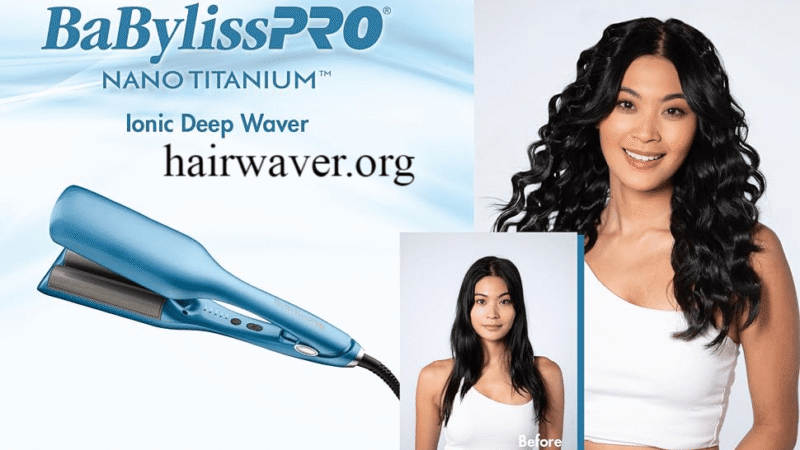
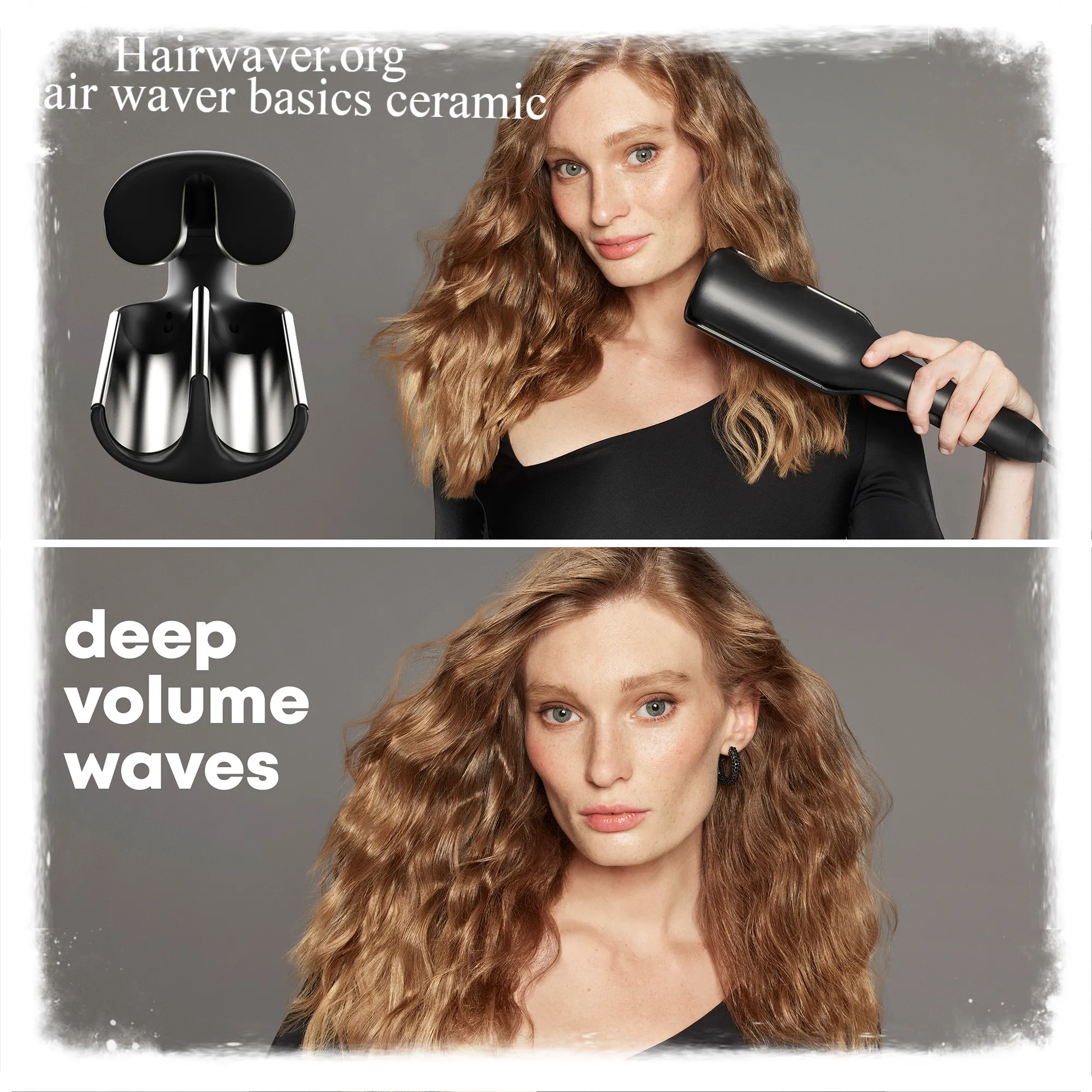
A ceramic hair waver is a styling tool designed to create loose, natural looking waves instead of tight ringlet curls. Most models have deep barrels shaped like an S or triple wave pattern, so instead of wrapping hair around a rod, you simply clamp sections into the barrel and hold for a few seconds. source: Instagram · joehair_official
The word ceramic refers to the coating on the barrel. Instead of bare metal, the heating plates are coated in a smooth ceramic layer that distributes heat more evenly across the surface. This matters more than people realize, because uneven heat is one of the biggest reasons hair ends up damaged or frizzy after styling.
Why Ceramic Coating Matters
Plain metal barrels tend to have hot spots. One section of your hair might get blasted with too much heat while another barely gets warm. Ceramic coated plates spread the heat evenly, so every strand in the barrel gets the same treatment. That even heat is a big part of why ceramic tools are known for smoother, shinier results.
Ceramic Heating Technology Explained Simply
Let us break this down without the technical jargon. Ceramic is a natural mineral based material that heats up gradually and holds that heat steadily, instead of spiking hot then cooling fast like some metals do.
Think of it like the difference between a cast iron pan and a thin aluminum one. The cast iron pan takes a little longer to heat up, but once it does, the heat stays even and consistent across the whole surface. Ceramic barrels work in a similar way for your hair.
Ceramic also releases negative ions when heated. These ions help break down water molecules on the hair shaft faster, which means less time waiting for style to set and less heat damage overall. In simple terms, ceramic technology gives you more control, more even heat, and a smoother finish with less frying of your strands.
Is a Ceramic Hair Waver Better Than a Curling Iron?
This depends a lot on what look you are going for, but there are some clear differences worth knowing.
Ceramic hair waver advantages: hairwaver
- Creates soft, natural looking waves instead of defined curls
- Even heat distribution reduces hot spots and hair damage
- Faster styling since you clamp instead of wrap
- Great for beachy, low maintenance looks
Curling iron advantages:
- Better for tight ringlets or structured curls
- More versatile barrel sizes for different curl types
- Easier to control curl direction and placement
Ceramic hair waver drawbacks:
- Limited to one wave style, less versatile for tight curls
- Can be tricky for beginners to get section sizing right at first
Curling iron drawbacks:
- Wrapping hair around the barrel takes more time
- Metal barrels without ceramic coating can cause more heat damage
If you love loose, effortless waves, a ceramic waver is usually the better pick. If you want tighter curls or more styling versatility, a curling iron might still be your go to tool.
Does a Ceramic Hair Waver Damage Hair?
Any heat styling tool has the potential to cause damage, and ceramic wavers are no exception. That said, ceramic technology is generally considered gentler than bare metal plates because it heats more evenly and reduces the chance of scorching one section while another stays cool.
The real damage usually comes from three things: using too high a temperature, styling hair that is not fully dry, or skipping heat protectant. If you use the right temperature for your hair type, apply a heat protectant spray first, and avoid going over the same section repeatedly, a ceramic waver should treat your hair fairly well. source: Ikonic World
I always tell people the tool matters less than the habits around using it. Even the gentlest ceramic waver can damage fine, color treated hair if it is cranked up to the highest setting every single day.
Can You Use a Ceramic Hair Waver Every Day?
Technically you can, but it is not something I would personally recommend. Daily heat styling, even with a gentle ceramic tool, adds up over time and can leave hair feeling dry, brittle, or prone to breakage.
If you want to wave your hair often, here are a few ways to protect it along the way: hairwaver
- Always apply a heat protectant spray before styling
- Stick to the lowest effective temperature for your hair type
- Give your hair a break at least two to three days a week
- Deep condition weekly to replace lost moisture
- Avoid styling hair that is damp, since trapped moisture causes more damage
Using the waver a few times a week with proper protection is a much safer habit than daily use without any breaks.
Which Hair Type Is Best for Ceramic Wavers?
Ceramic wavers tend to work well across most hair types, but results and settings will vary.
Fine or thin hair: Ceramic wavers are usually a great match since the even heat reduces the risk of overheating delicate strands. Lower temperatures work best here.
Thick or coarse hair: These hair types can usually handle slightly higher temperatures and may need a bit more time in the barrel to hold the wave.
Curly or coily hair: Ceramic wavers can help define and smooth natural texture, though results will vary and some curl patterns may not hold the wave shape as long.
Color treated or damaged hair: Lower heat settings paired with heat protectant are especially important here, since these hair types are more prone to damage.
Recommended Temperature Settings by Hair Type
Getting the temperature right makes a huge difference in both how well your waves hold and how healthy your hair stays.
- Fine or thin hair: 250 to 300 degrees Fahrenheit
- Normal or medium hair: 300 to 350 degrees Fahrenheit
- Thick or coarse hair: 350 to 400 degrees Fahrenheit
- Color treated or chemically processed hair: 250 to 300 degrees Fahrenheit, regardless of thickness
Always start on the lower end of the range for your hair type. You can increase gradually if your waves are not holding, but there is no need to jump straight to the highest setting.
Safety Precautions Before Styling
Before you start waving your hair, a few quick safety habits go a long way. hairwaver
- Make sure your hair is completely dry before applying heat
- Apply a heat protectant spray evenly through your hair
- Never use the waver on wet or damp hair
- Keep the barrel away from your scalp and ears to avoid burns
- Unplug the tool when not in use and let it cool on a heat resistant surface
- Do a strand test if you are trying a new temperature setting for the first time
These small steps take just a couple of minutes but make a real difference in protecting both your hair and your skin.
Step by Step Guide to Using a Ceramic Hair Waver
Ready to try it yourself? Here is a simple process to follow.
- Start with clean, fully dry hair and apply a heat protectant spray
- Plug in your ceramic waver and set the temperature based on your hair type
- Section your hair into two inch pieces, working from the back first
- Open the barrel, place a section inside, and clamp it shut
- Hold for eight to twelve seconds depending on your hair thickness
- Release and let the wave cool slightly before touching it
- Repeat through all sections, alternating direction for a natural look
- Once cool, gently run your fingers through the waves to loosen them
- Finish with a light hairspray to help the style last longer
Following this order helps you get even, natural looking waves without overworking any single section.
Final Thoughts
Ceramic hair waver basics Ceramic really come down to understanding how the tool works and using it with a bit of care. Even heat, the right temperature for your hair type, and a few smart habits like heat protectant and rest days can make a big difference in how your hair looks and feels over time.
If you have been on the fence about trying a ceramic waver, hopefully this gives you a clearer picture of what to expect. Have you tried one before, or are you planning to give it a shot? Feel free to share your experience or pass this along to a friend who is still using a beat up old curling iron.
FAQs
Is a ceramic hair waver good for beginners?
Yes, most people find it easier than a curling iron since you just clamp sections instead of wrapping hair around a barrel.
How long do ceramic waver curls typically last?
Waves usually last one to two days depending on hair type and whether you use hairspray to set them.
Can I use a ceramic waver on short hair?
Yes, as long as your hair is long enough to fit into the barrel, usually around four inches or more.
Do I need heat protectant with a ceramic waver?
Yes, heat protectant is recommended with any heat styling tool, including ceramic ones, to reduce moisture loss.
What is the difference between ceramic and titanium waver plates?
Ceramic heats more gently and evenly, while titanium heats faster and reaches higher temperatures, often preferred for thicker hair.
Hair Waver Basics Professional
About the Author: AWAIS ALI a beauty and hair care content writer who focuses on breaking down styling tools and techniques into simple, practical advice for everyday readers.
email: johanharwen@314gmail.com
Author Name: AWAIS ALI