Introduction
If you have ever stood in front of a mirror wondering why your waves look nothing like the ones on your favorite influencer, you are not alone. A hair waver basics comparison is exactly what most beginners need before they spend money on the wrong tool. There are so many shapes, barrel sizes, and materials out there that it is easy to feel overwhelmed. I remember buying my first waver years ago and having no clue what any of the settings meant. It felt like a waste of cash until I actually understood what made one waver different from another.
This article breaks down everything you need to know in plain, simple language. You will learn what a hair waver actually is, how it differs from a curling iron, which one suits beginners best, and how barrel size and material change your results. By the end, you will feel confident picking the right tool for your hair type and skill level.
What Is A Hair Waver?
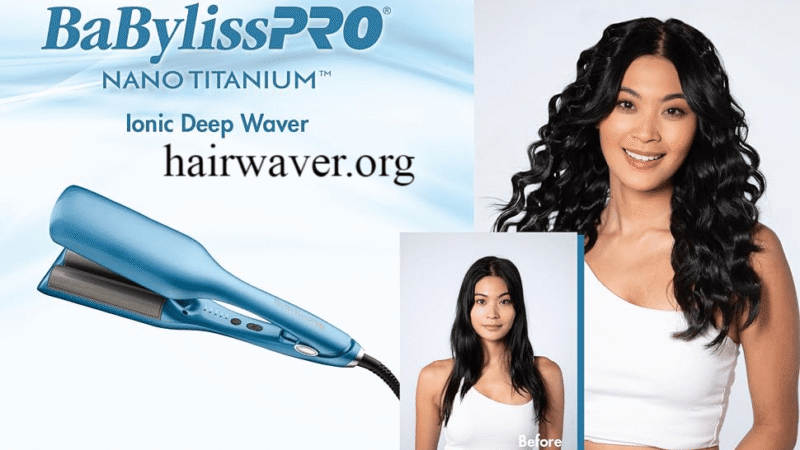
A hair waver is a styling tool designed to create loose, natural looking waves without the tight curls you get from a traditional iron. Instead of a round barrel that you wrap hair around, most wavers use a triangular, oval, or S shaped barrel that presses hair into a wave pattern automatically.
You simply clamp a section of hair, hold for a few seconds, and release. There is no wrapping, no twisting, and very little guesswork involved. This makes it a popular choice for people who want a beachy, undone look rather than a polished curl.
Wavers usually come with adjustable heat settings, timers, and sometimes multiple barrel attachments. Many modern versions also include ceramic or tourmaline coatings to protect hair from excess heat damage.
Hair Waver Vs Curling Iron: What Is The Real Difference?
This is one of the most common questions beginners ask, and it makes total sense. Both tools use heat to shape hair, but the technique and results are quite different.
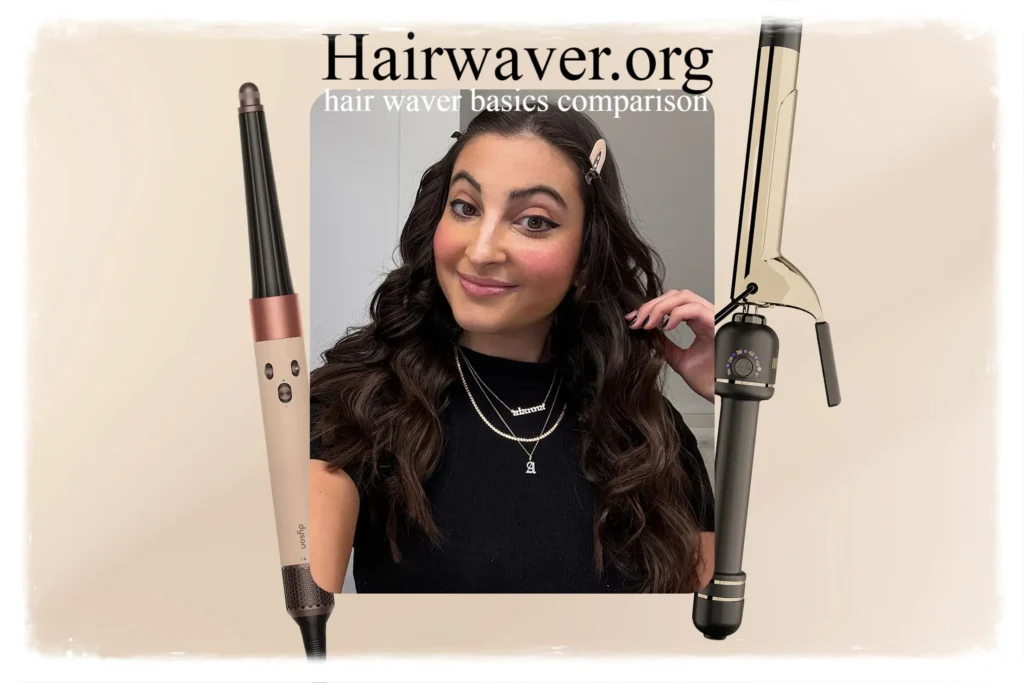
A curling iron requires you to wrap a section of hair around a round barrel by hand. This gives you full control over curl direction, tightness, and shape, but it also takes practice to get an even result.
A waver, on the other hand, clamps hair between two shaped plates that press a wave pattern into your strands. There is no wrapping involved, which makes it faster and more beginner friendly.
Here is a quick breakdown: hairwaver
- Curling irons create defined, uniform curls or ringlets
- Wavers create loose, textured waves that look more natural
- Curling irons need more hand skill and practice
- Wavers are generally faster since there is no wrapping step
- Curling irons offer more curl size and shape variety
- Wavers are better suited for that relaxed, undone finish
If you want tight ringlets or vintage style curls, a curling iron is your tool. If you want soft, effortless waves, a waver will get you there much faster.
Which Hair Waver Is Best For Beginners?
Beginners usually do best with a waver that has a wide barrel, an automatic timer, and a simple one button design. Complicated tools with too many settings can make the learning curve harder than it needs to be.
Look for these features when shopping for your first waver: source: joybuy.fr
- Adjustable heat settings so you can start low and work up
- An automatic shut off feature for safety
- A wide barrel around one and a half inches for looser waves
- Ceramic or tourmaline plates to reduce heat damage
- A cool tip so you can hold the tool comfortably
I always tell first time buyers to avoid tools with too many barrel attachments right away. Start simple, get comfortable with the basic technique, then experiment once you understand how your hair reacts to heat and timing.
Best Hair Waver For Beginners
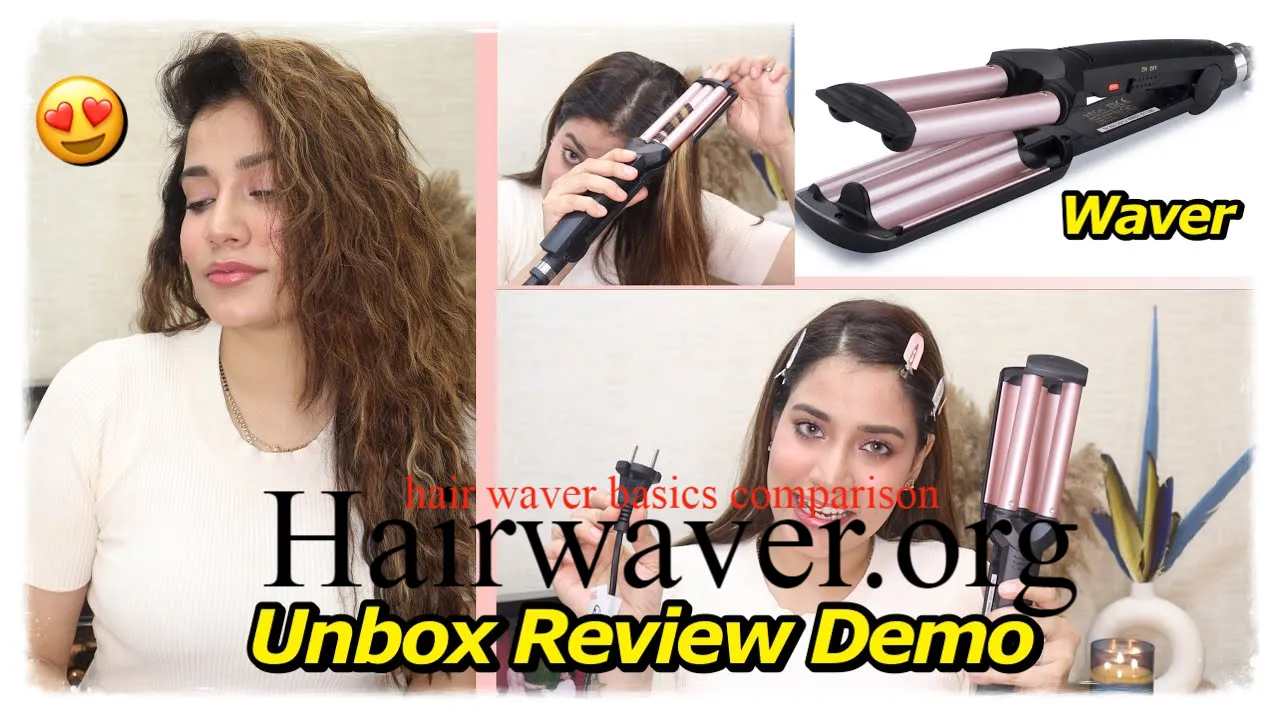
For most beginners, a three barrel waver with a medium sized barrel works wonderfully. These tools are forgiving because you do not need to section hair as precisely as you would with a curling iron. Just clamp, hold, and move down the section. The learning curve is short, often just one or two tries before you get the hang of it.
Are Ceramic Hair Wavers Better Than Titanium?
This is another question that comes up constantly, and honestly, the answer depends on your hair type and how often you style.
Ceramic wavers heat up evenly and distribute heat gently across the barrel. This makes them a safer choice for fine, damaged, or color treated hair since there is less risk of hot spots that can scorch strands.
Titanium wavers heat up faster and hold a more consistent temperature throughout use. They tend to work better on thick or coarse hair that needs higher, steadier heat to hold a wave.
Quick comparison: hairwaver
- Ceramic is gentler and better for fine or damaged hair
- Titanium heats faster and suits thick or coarse hair
- Ceramic tends to be more affordable
- Titanium often lasts longer with heavy daily use
If you are unsure which one fits you, a titanium plated ceramic hybrid gives you a nice middle ground. You get even heat distribution along with the durability and speed of titanium.
Which Barrel Size Creates Beach Waves?
Barrel size plays a huge role in the final look of your waves. Smaller barrels create tighter, more defined waves, while larger barrels create that loose, breezy beach look everyone seems to want.
For classic beach waves, look for a barrel between one and a half and two inches. This size creates soft bends without looking too structured or curly. Anything smaller than one inch will likely give you a wavy curl rather than a true beach wave.
If your hair is very long or thick, going slightly larger, closer to two inches, helps the wave pattern show up without looking too tight against the weight of your hair.
Hair Waver Recommendations By Hair Type
Choosing a waver is not one size fits all. Your hair type changes what works best for you.
Fine Hair Choose a ceramic waver on a lower heat setting, around 300 to 350 degrees. Fine hair damages easily, so gentle, even heat is essential.
Thick Or Coarse Hair Titanium wavers with higher heat settings, around 380 to 400 degrees, work best. Thick hair needs more consistent heat to hold a wave through the day. source: Facebook · Cute Girls Hairstyles
Curly Or Textured Hair A larger barrel waver helps loosen tight curls into soft waves without stripping your natural texture completely.
Color Treated Hair Stick with ceramic or tourmaline plates and lower heat settings to avoid fading or additional damage to already processed strands.
Comparison Table Of Popular Hair Waver Types
| Waver Type | Best For | Barrel Size | Heat Range | Skill Level |
|---|---|---|---|---|
| Ceramic Waver | Fine or damaged hair | 1 to 1.5 inches | 300 to 350 F | Beginner |
| Titanium Waver | Thick or coarse hair | 1.5 to 2 inches | 380 to 420 F | Intermediate |
| Three Barrel Waver | Beginners, all hair types | 1 inch each | 300 to 380 F | Beginner |
| Tourmaline Waver | Color treated hair | 1 to 1.5 inches | 300 to 360 F | Beginner |
| Deep Waver | Thick, textured hair | 1.5 inches | 350 to 400 F | Intermediate |
Expert Styling Tips
A few small habits make a big difference in how your waves turn out and how long they last. hairwaver
- Always start with clean, dry hair since damp strands can cause damage or uneven waves
- Apply a heat protectant spray before every session, no exceptions
- Section your hair before styling so heat reaches every layer evenly
- Hold each section for the same amount of time to keep waves consistent
- Let waves cool completely before running your fingers through them
- Finish with a light texturizing spray for that natural, lived in look
I personally noticed my waves lasted almost twice as long once I started letting each section cool fully before touching it. It sounds small, but it genuinely changes the outcome.
Common Mistakes To Avoid
Even experienced stylists slip up sometimes, so do not feel discouraged if your first few tries are not perfect.
- Using too much heat on fine or damaged hair
- Skipping heat protectant before styling
- Holding sections for too long, which can create creases
- Styling hair that is still slightly damp
- Grabbing sections that are too thick, which leads to uneven waves
- Touching hair too soon before it cools and sets
Avoiding these simple mistakes will save you time, protect your hair, and give you far more consistent results.
Conclusion
A hair waver basics comparison really comes down to understanding your hair type, your skill level, and what look you are going for. Ceramic tools are gentle and beginner friendly, titanium tools offer speed and durability, and barrel size determines whether you get tight waves or loose beach waves. Once you match the right waver to your hair, styling becomes so much easier and more enjoyable.
Have you tried a hair waver before, or are you shopping for your first one? Share your experience or questions in the comments, and feel free to pass this guide along to a friend who is also on the hunt for the perfect waves.
FAQS
What is a hair waver used for?
It is used to create loose, natural looking waves by pressing hair between shaped plates instead of wrapping it around a barrel.
Is a hair waver better than a curling iron for beginners?
Yes, wavers are generally easier to use since there is no wrapping technique required, making them great for beginners.
Can I use a hair waver on short hair?
Yes, as long as your hair reaches at least chin length, most wavers work well on shorter styles.
How long do hair waver waves last?
With proper prep and a good hairspray, waves typically last one to two days depending on hair type and humidity.
Do hair wavers damage hair?
Any heat tool can cause damage if used incorrectly. Using a heat protectant and appropriate temperature settings greatly reduces this risk.
About The Author : Our beauty and styling contributor has spent years testing heat styling tools and writing guides that make hair care simple for everyday readers. She loves helping beginners find tools that actually match their hair type instead of chasing trends that do not work for them.
email: johanharwen@314gmail.com
Author Name: Our beauty