Introduction
A beauty blog template gives you a ready made foundation for publishing beauty content without designing every page from scratch. The right template can help you present skincare tips, makeup tutorials, wellness insights, product reviews, and brand stories in a polished way.
For beauty creators and businesses, design matters because your website needs to communicate both information and brand identity. A good layout makes articles easier to discover, images easier to appreciate, and navigation easier to understand.
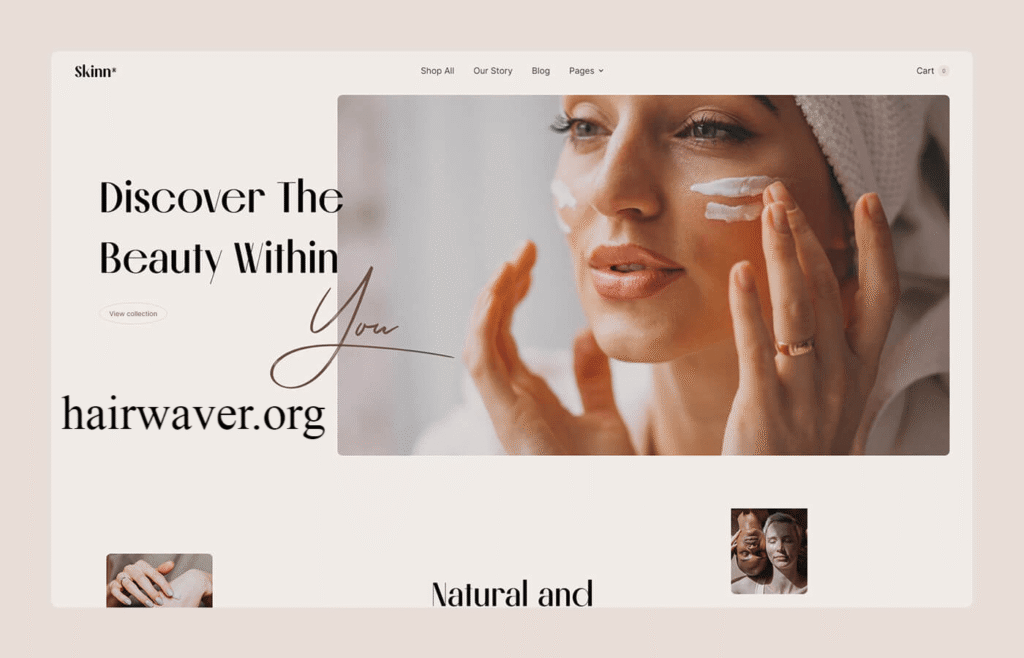
The Allure beauty brand blog landing page described in the supplied reference is a useful example of this approach. It focuses on beauty content, elegant presentation, simple navigation, and layouts designed for both desktop and mobile experiences.
For 2026, choosing a template should involve more than appearance. You should also consider responsiveness, customization, content organization, usability, typography, image presentation, and how easily the design can grow with your website.
What Makes a Good Beauty Blog Template?
The best choice depends on your content and audience, but several features are consistently useful.
A strong template should provide:
- A clear homepage structure
- Easy article navigation
- Attractive image areas
- Responsive layouts
- Readable typography
- Flexible content sections
- Clear calls to action
- Consistent brand styling
- Mobile friendly presentation
- Simple customization options
A beauty website often depends heavily on visual content. Product photography, tutorials, before and after images, ingredient information, and editorial photographs all need enough space to look professional.
A template should therefore support your content rather than compete with it.
1. Elegant Editorial Beauty Blog
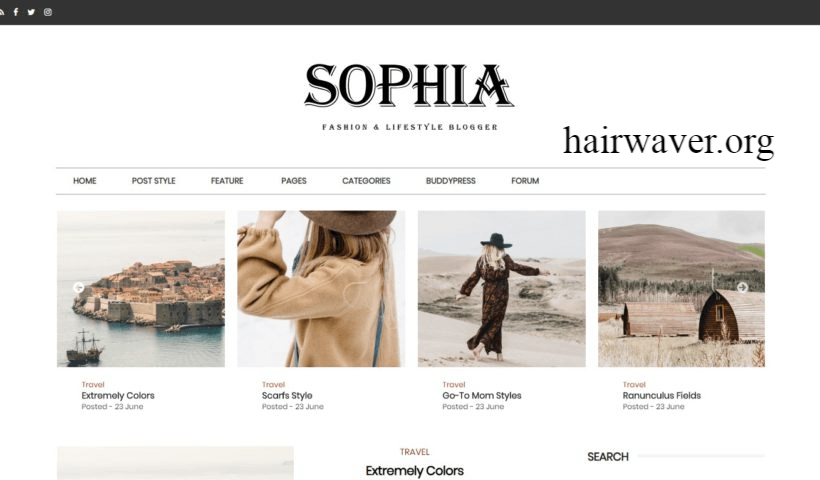
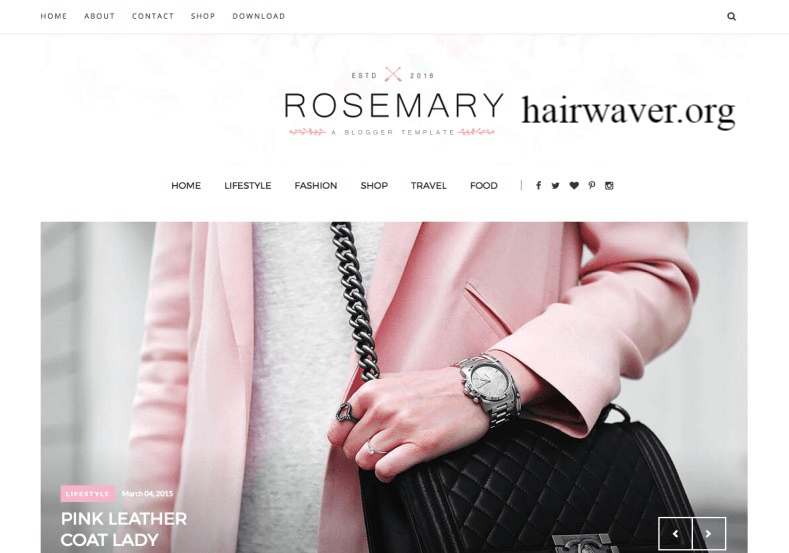
An editorial style layout works well for bloggers who publish detailed beauty articles, product reviews, interviews, and trend reports.
Large photographs can introduce important stories while smaller cards can organize recent posts. A restrained color palette and strong typography can also create a sophisticated appearance.
This approach is particularly useful when your beauty brand wants to look more like a digital magazine than a traditional online store.
2. Skincare Blog Template
A skincare focused design should make educational content easy to browse.
You could organize the homepage around categories such as:
- Skincare routines
- Ingredients
- Product reviews
- Skin concerns
- Beauty tips
- Expert advice
- Seasonal skincare
A skincare blog template can also use featured article sections to direct readers toward detailed guides.
For example, a homepage might highlight an ingredient guide at the top, followed by recent product reviews and practical skincare tutorials.
3. Makeup Blog Template
A makeup blog needs a design that gives visual content plenty of attention.
Makeup tutorials can benefit from large feature images, step by step article layouts, product lists, and category navigation.
Useful categories may include:
- Makeup tutorials
- Foundation
- Eye makeup
- Lip products
- Beauty tools
- Makeup reviews
- Makeup trends
The goal is to make it simple for visitors to move from an attractive image to the complete tutorial.
4. Wellness Beauty Blog
Beauty and wellness frequently overlap, making a wellness blog template suitable for publishers covering skincare, self care, lifestyle, nutrition related beauty content, and routines.
The design should feel calm and organized rather than overcrowded.
Use generous spacing, readable headings, strong imagery, and clear categories to separate different content topics.
5. Beauty Brand Landing Page
A beauty brand website may need a landing page that introduces the company before directing visitors toward blog content.
A useful beauty website landing page can include:
- Brand introduction
- Featured content
- Popular articles
- Product highlights
- Beauty guides
- Newsletter signup
- Social media links
- Contact information
The landing page should give visitors an immediate understanding of what the brand offers.
6. Image Focused Beauty Blog
Beauty content is naturally visual, so an image focused layout can work especially well for product photography, tutorials, inspiration, and editorial stories.
However, images should not replace useful written content.
Each featured image should lead to a page with meaningful information, descriptive headings, clear navigation, and readable text.
7. Minimal Beauty Website Design
Minimal design can be effective when you want the content to remain the main attraction.
Instead of filling every area with decorative elements, use whitespace, clear typography, and carefully selected images.
This can create a professional beauty brand presentation while keeping the interface easy to navigate.
8. Mobile Responsive Beauty Template
Mobile responsiveness should be a major consideration when selecting a template.
A design that looks attractive on a desktop screen can become difficult to use if menus, images, buttons, or text do not adapt properly to smaller screens.
Figma’s current documentation explains that responsive layouts can adapt to different screen sizes and that breakpoints can be used to adjust webpage layouts for different devices.
For a beauty blog, check:
- Mobile menu behavior
- Image scaling
- Text readability
- Button size
- Article spacing
- Navigation
- Featured content layout
9. Customizable Beauty Brand Template
Customization is important if you want the website to match an existing brand identity.
Look for options that allow you to change:
- Logo
- Colors
- Typography
- Images
- Navigation
- Homepage sections
- Blog categories
- Buttons
- Content blocks
The supplied Allure template description specifically highlights easy customization, organized layers, open source fonts, free vector icons, and Figma compatibility.
Figma’s component system can also support reusable design elements. Its official documentation explains that components can be reused across designs and updated consistently through their instances.
10. Beauty Blog Interface With Clear Navigation
A beautiful design is not enough if visitors cannot find your content.
Your beauty blog interface should make important sections immediately visible.
Consider navigation such as:
Home | Skincare | Makeup | Hair | Wellness | Reviews | About
You can also add search functionality and category pages for larger websites.
Seamless navigation helps visitors move from one article to another without feeling lost.
11. Beauty Product Review Layout
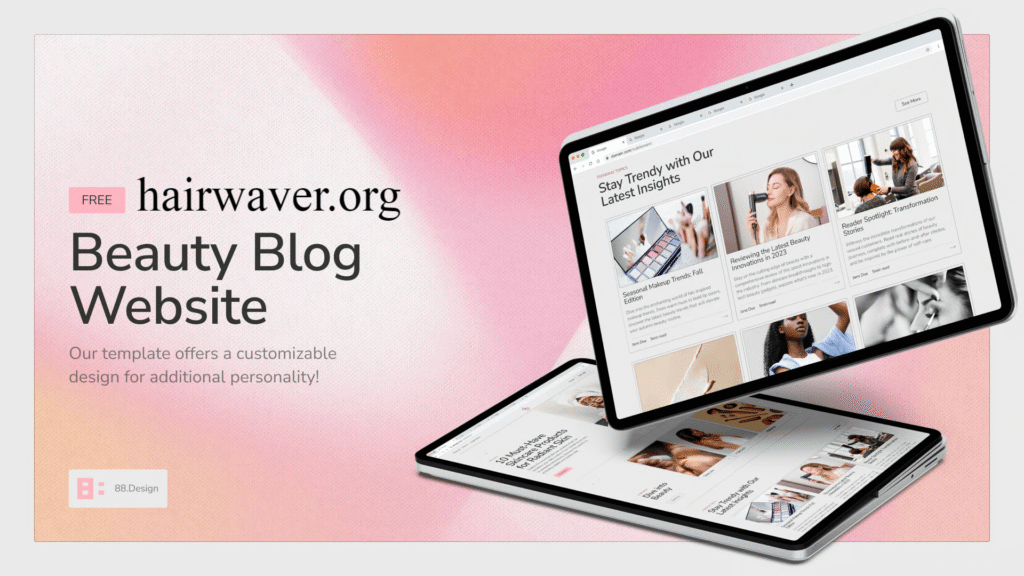
If your website publishes product reviews, choose a layout that supports detailed evaluations.
A useful review page can include:
- Product name
- Product image
- Overview
- Key ingredients
- How to use
- Benefits
- Potential drawbacks
- Who it may suit
- Final summary
Avoid designing review pages around appearance alone. Readers need useful information before making purchasing decisions.
12. Beauty Content Magazine Layout
A magazine style design is useful when publishing content frequently.
You can divide the homepage into sections such as:
Featured Stories
Highlight the most important or newest articles.
Trending Beauty Topics
Show popular categories or recently updated content.
Editor’s Picks
Feature selected articles that represent your site’s main topics.
Latest Articles
Display recent posts in chronological order.
This structure makes a growing beauty content website easier to explore.
13. Desktop and Mobile Versions
A professional template should provide a consistent experience across screen sizes.
The supplied Allure reference includes a desktop version and a mobile version. That is useful because designers can evaluate how the same visual identity translates between larger and smaller screens.
Figma also provides tools for responsive components and breakpoint specific variations, allowing designs to adapt to different screen sizes.
14. Figma Compatible Beauty Templates
Figma compatibility can be valuable for designers who want to customize an existing UI and UX template.
Figma supports reusable components, variants, libraries, and responsive design workflows. Its official documentation describes components as reusable design elements that can help maintain consistency across projects.
If you use a Figma compatible template, review the layer organization before making major changes. Well organized layers can make customization much easier.
15. Beauty Brand Blog Landing Page
The Allure beauty brand blog landing page from the supplied reference is positioned as a beauty focused UI and UX design for beauty blogging.
Its stated use cases include:
- Skincare tips
- Makeup tutorials
- Wellness insights
- Beauty content
- Brand presentation
The listed design features include two landing page designs, covering desktop and mobile versions, customizable elements, organized layers, open source fonts, free vector icons, and Figma compatibility.
The reference also notes that preview images are not included in the main files and that users should install the required fonts before opening the design.
These details matter when evaluating a template because the visual preview does not necessarily represent everything included in the downloadable package.
How to Choose the Right Beauty Blog Template
Start with your publishing goals rather than choosing a template only because it looks attractive.
Ask yourself:
- What type of beauty content will I publish?
- Do I need a blog, landing page, or complete website?
- Will I publish mainly articles or visual content?
- Do I need product review layouts?
- Will the website be used on mobile devices?
- Can I customize the branding?
- Is the template compatible with my design or website platform?
- Are the fonts and visual assets clearly documented?
- Can the layout support more content as the website grows?
- Is the navigation simple enough for first time visitors?
A template that matches your publishing workflow can save more time than one chosen only for its colors or decorative elements.
Beauty Blog Template Features Checklist
| Feature | Why It Matters |
|---|---|
| Responsive layout | Supports different screen sizes |
| Clear navigation | Helps visitors discover content |
| Customization | Matches your brand identity |
| Strong typography | Improves readability |
| Image sections | Supports beauty photography |
| Category structure | Organizes articles |
| Mobile version | Improves smaller screen usability |
| Reusable components | Makes design updates easier |
| Figma compatibility | Useful for design customization |
| Organized layers | Makes editing easier |
Free Beauty Blog Template: What Should You Check?
If you are looking for a free beauty blog template, check exactly what is included before downloading it.
Free does not always mean that every feature shown in a preview is included. Review the licensing terms, supported platform, available files, fonts, icons, images, and customization options.
Also check whether the template is genuinely free for commercial use if you intend to operate a business website.
Can You Find a Beauty Blog Template Free Download?
Yes, free templates can be available from various design and website platforms, but the license can differ significantly.
Before using a free download, check:
- Commercial usage rights
- Attribution requirements
- Included files
- Supported software
- Font licenses
- Image licenses
- Update availability
- Customer support
Never assume that a preview image, font, or stock photograph automatically comes with the template.
Beauty Templates for Different Website Goals
Different beauty projects need different layouts.
Beauty bloggers: Choose an editorial or magazine style design.
Skincare brands: Prioritize product education, ingredients, reviews, and visual presentation.
Makeup creators: Choose a visual layout with strong tutorial and image sections.
Wellness publishers: Use calm typography, spacious layouts, and organized categories.
Beauty businesses: Choose a landing page that combines brand presentation with useful content.
Designers: Consider Figma compatible files with organized layers and reusable components.
Final Thoughts
A beauty blog template should do more than make your website look attractive. It should make your content easier to discover, your brand easier to recognize, and your website easier to use.
For beauty websites, visual presentation is important, but usability should remain central. Responsive layouts, clear navigation, readable typography, strong imagery, customization, and organized content can create a better experience for visitors.
The supplied Allure example shows how a beauty focused landing page can combine editorial content with UI and UX considerations. For designers working in Figma, reusable components and responsive design features can also make future customization more manageable.
Before selecting a template, define your content type, audience, branding requirements, and publishing workflow. Then choose a design that supports those goals instead of forcing your content into a layout that does not fit.
Custom FAQs
Is there a free beauty blog template?
Yes. Free beauty blog templates are available, but features and licensing terms vary. Always check whether commercial use, fonts, images, icons, and customization are included before publishing a business website.
Where can I find a beauty blog template free download?
You can find free templates through website and design resource platforms. Before downloading, review the license, supported software, included files, and commercial usage permissions.
Can I use a beauty blog template in PowerPoint?
Some templates may be available in PowerPoint compatible formats, but a web landing page template designed for Figma or another web design tool is not automatically compatible with PowerPoint. Check the file format before purchasing or downloading.
What are beauty templates used for?
Beauty templates can be used for beauty blogs, skincare websites, makeup websites, wellness publications, beauty brand landing pages, product presentations, and other beauty focused digital projects.
Where can I find cute blogger themes free?
Free blogger themes can be found through theme directories and design communities. Look for themes with responsive layouts, clean navigation, readable typography, and a license that permits your intended use.
Author Bio: johan harwen is a content writer specializing in beauty, blogging, website design, and digital trends. He creates practical, reader focused guides that help audiences discover useful tools, templates, and creative ideas.
Email: johanharwen@314gmail.com
Author Name: Johan Harwen