Introduction
If you have ever pulled out your hair waver only to find it coated in product buildup or not heating evenly, you already know how frustrating that can be. A hair waver is one of those tools that makes a real difference in your styling routine, but only when it is working at its best. Like any heat styling tool, it needs a little care and attention to keep performing the way it should.
Understanding Hair Waver Basics Maintain and how to maintain your tool properly is not complicated. It just takes a few minutes and some simple habits. In this article, you will learn exactly what a hair waver is, how different barrel materials affect performance, how to clean and protect your tool, and what professional hairstylists recommend for long-lasting results. Whether you style at home or work in a salon, this guide covers everything you need.
What Is a Hair Waver?
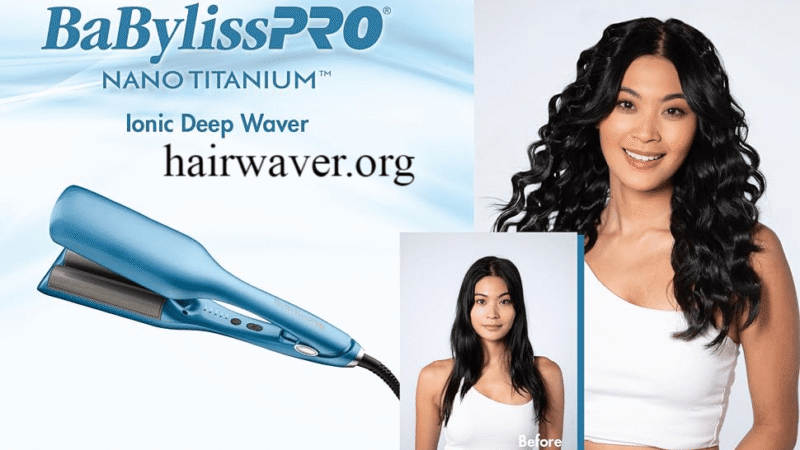
A hair waver is a heat styling tool designed to create soft, natural-looking waves in your hair. Unlike a curling iron that wraps hair around a single barrel, a waver typically features multiple connected barrels, usually two or three, that crimp the hair into a wave pattern as you press and slide the tool down each section.
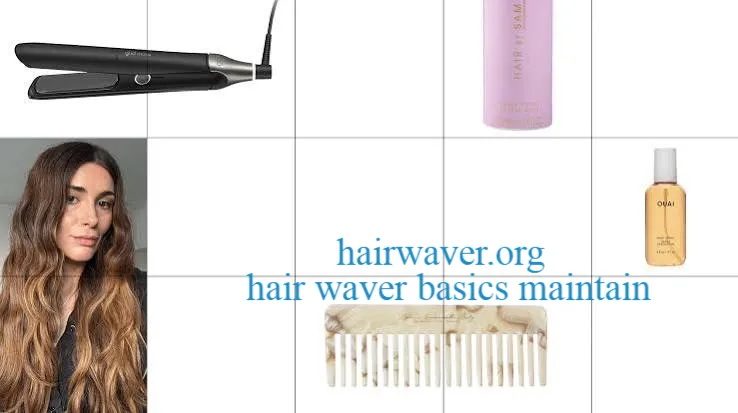
Hair wavers come in different barrel sizes. Smaller barrels create tighter, more defined waves. Larger barrels give you those loose, beachy waves that look effortless and relaxed. Most modern wavers heat up to temperatures between 180 and 450 degrees Fahrenheit, and many models include adjustable heat settings so you can match the heat level to your hair type. source: Who What Wear
They are incredibly popular because they create a style that looks like you spent hours at the beach, when in reality, it only takes about 15 to 20 minutes.
Ceramic vs Titanium vs Tourmaline Hair Wavers: What Is the Difference?
Before you can properly maintain a hair waver, it helps to understand what material your tool is made from. The three most common types are ceramic, titanium, and tourmaline, and each one behaves a little differently.
Ceramic Hair Wavers
Ceramic barrels heat evenly across the entire surface. This is important because hot spots can cause uneven waves or even heat damage. Ceramic tools are generally gentler on the hair and are a solid choice for those with fine or color-treated hair. They tend to be more affordable as well. source: Instagram · jairdoeshair
Titanium Hair Wavers
Titanium tools heat up faster and reach higher temperatures. They are durable and hold heat consistently throughout a styling session. Hairstylists who work on thick, coarse, or naturally resistant hair often prefer titanium because it delivers reliable results quickly. The tradeoff is that they can be more intense on fragile hair if used at full heat.
Tourmaline Hair Wavers
Tourmaline is often used as a coating over ceramic or titanium. It emits negative ions that help to reduce frizz and lock in moisture as you style. This makes tourmaline wavers especially popular for people who deal with static or flyaways. Many stylists consider tourmaline the gold standard for smooth, shiny results.
Knowing your barrel material matters for maintenance too. Ceramic coatings can chip if handled roughly. Titanium is more scratch-resistant. Tourmaline-coated tools should be cleaned gently to avoid wearing down the coating.
How Do You Maintain a Hair Waver?
Maintaining a hair waver is simpler than most people think. The key is being consistent. A few minutes of care after each use can add years to the life of your tool.
Here are the core maintenance habits to build into your routine: hairwaver
Always let it cool before storing it. Wrapping up a hot tool or placing it in a bag while still warm can damage the cord and warp the barrels over time.
Wipe it down after every use. Once cooled, use a soft dry cloth or microfiber towel to wipe away any residue from the barrels. This keeps buildup from hardening and becoming difficult to remove later.
Store it safely. Keep your waver in a heat-resistant pouch or a dedicated hook so the barrels are protected and the cord is not being bent or twisted at sharp angles.
Check the cord regularly. Look for fraying, kinks, or areas where the cord feels stiff. A damaged cord is a safety hazard and should be addressed before you continue using the tool.
Apply a light heat protectant to your hair, not the tool. Some people mistakenly apply product directly to the barrel, which only accelerates buildup. Keep products on your hair, not on the metal.
How Often Should You Clean a Hair Waver?
A good rule of thumb is to wipe down your waver after every single use. A deeper clean should happen at least once a week if you use the tool daily. For occasional users, a thorough cleaning every two to three weeks is usually sufficient. hairwaver
Salon professionals who use wavers throughout the day typically clean their tools between clients. This is not just about hygiene. It also ensures consistent performance because buildup on the barrels can cause uneven heat distribution.
If you notice your waves are not forming as crisply as they used to, or if you see brown or yellow residue on the barrels, that is your signal that a cleaning session is overdue.
Can You Clean a Hair Waver with Water?
This is one of the most common questions people have, and the short answer is: be very careful. You should never submerge your hair waver in water or run it under a faucet. Electronics and water are not a safe combination, and doing so can damage the internal components or create an electrical hazard.
That said, a cloth lightly dampened with water can be used to wipe down the exterior body of the tool (not the barrels) as long as you make sure the tool is completely unplugged and fully cooled. Always let it air dry completely before plugging it back in.
For the barrels themselves, stick to dry cleaning methods or use a small amount of rubbing alcohol on a cotton pad for more stubborn residue. Alcohol evaporates quickly and leaves no moisture behind.
How Do You Remove Product Buildup from a Hair Waver?
Product buildup is the number one maintenance issue for most hair waver users. Hairspray, serums, and leave-in conditioners can bake onto the barrels over time and create a sticky, discolored residue.
Here is a simple method that works well:
- Make sure the tool is unplugged and completely cool.
- Dampen a soft cloth or cotton pad with a small amount of rubbing alcohol.
- Gently rub the barrels in a back and forth motion. Do not scrub hard enough to scratch the surface.
- For stubborn spots, let the alcohol sit for a few seconds before wiping.
- Follow up with a dry cloth to remove any remaining moisture.
- Allow the tool to air dry for at least 10 minutes before using it again.
Avoid using abrasive sponges, steel wool, or harsh chemical cleaners. These can scratch or strip the coating on ceramic or tourmaline barrels, which shortens the life of the tool and can reduce its safety and effectiveness.
Expert Tips for Maintaining Hair Styling Tools
Professional hairstylists have a few tricks that make their tools last far longer than average. Here are some of the best recommendations from the pros:
Use a heat protectant every time. This protects your hair and reduces the amount of residue that transfers to the barrels.
Do not max out the heat setting unnecessarily. Using the lowest effective temperature for your hair type reduces wear on the heating element and extends the tool’s lifespan. hairwaver
Invest in a quality storage solution. Hanging your waver on a hook or keeping it in a padded case prevents the barrels from being scratched and the cord from being damaged.
Replace your tool every two to three years if you use it daily. Even well-maintained tools lose efficiency over time. If your waver takes longer to heat up or produces uneven results despite being clean, it may be time for an upgrade.
Never yank the cord to unplug. Always pull from the plug itself. This protects the internal wiring and is a safety habit every stylist swears by.
Safety Recommendations for Daily Styling
Safety should always be part of your hair waver routine. Heat tools are responsible for a significant number of household burns and fire hazards each year, most of which are completely preventable.
Keep these safety tips in mind every time you style:
Never leave a plugged-in waver unattended. Always unplug after use, even if you plan to come back shortly. Keep it away from water and wet surfaces. Use a heat-resistant mat underneath the tool while styling. Never drape the cord over a hot surface.
For daily users, consider a waver with an automatic shut-off feature. This is especially useful on busy mornings when you might forget to unplug before rushing out the door.
Conclusion
Taking care of your hair waver does not have to feel like a chore. When you understand the Hair Waver Basics Maintain and build simple maintenance habits into your routine, the tool rewards you with consistent, beautiful results every time. Whether you have a ceramic, titanium, or tourmaline waver, clean it regularly, store it properly, and treat it with a little respect.
Good maintenance also keeps your styling sessions safer and protects your hair from unnecessary heat damage caused by dirty or underperforming barrels.
What does your current hair waver cleaning routine look like? If you have a tip that works especially well for you, share it with someone who might need it. Great hair days are better when everyone knows the secret.
Frequently Asked Questions
1. What is a hair waver used for? A hair waver creates soft, beach-style waves in your hair using multiple heated barrels. It is faster and easier to use than a curling iron for achieving wavy textures.
2. How long does a hair waver last? With proper maintenance, a quality hair waver can last three to five years or more. Daily users may notice a decline in performance after two to three years.
3. Is it safe to use a hair waver every day? Yes, but always use a heat protectant and avoid the highest heat settings unless necessary. Daily use without protection can lead to dryness and breakage over time.
4. Can I use rubbing alcohol to clean my hair waver? Yes. Rubbing alcohol on a cotton pad is safe for cleaning the barrels when the tool is unplugged and cooled. It removes buildup effectively without leaving moisture behind.
5. Why are my waves not holding after styling? This can be caused by dirty barrels, incorrect heat settings, or skipping a heat protectant. Clean your tool thoroughly and try adjusting the temperature to suit your hair type.
6. What is the best material for a hair waver barrel? It depends on your hair type. Ceramic is great for fine or color-treated hair. Titanium works well for thick or coarse hair. Tourmaline is ideal for reducing frizz and adding shine.
7. How do I know when my hair waver needs replacing? Signs include uneven heating, peeling or chipped barrels, a damaged cord, or the tool taking longer than usual to reach temperature. If cleaning does not fix the issue, it is likely time for a new one.
8. Should I clean my hair waver before or after use? After use is the best time to clean it, once it has cooled down. Cleaning after removes fresh residue before it has a chance to harden.
9. Can buildup on a hair waver damage my hair? Yes. Product residue baked onto the barrels can create uneven heat and transfer burnt residue onto your hair strands, leading to damage and dullness.
10. Is it okay to use water on the barrels of a hair waver? No. Water on the barrels or internal components can damage the electronics. Use dry cloths or alcohol-based cleaners on the barrels only.
Author Bio: Lena Hartwell is a professional beauty writer and certified cosmetology consultant with over eight years of experience covering hair care, styling tools, and salon trends. She has collaborated with leading stylists and beauty brands to bring practical, research-backed advice to everyday readers. When she is not writing, Lena is testing the latest tools in her home studio and sharing honest reviews with her audience.
email: johanharwen@314gmail.com
Author Name: Lena Hartwell