Introduction
You sit in your stylist’s chair. She picks up a tool you have never seen before. Three barrel plates, a sleek handle, and in under ten minutes your flat, lifeless hair transforms into gorgeous, beachy waves that look straight off a runway. That tool is a hair waver, and it is one of the best-kept secrets in the salon world.
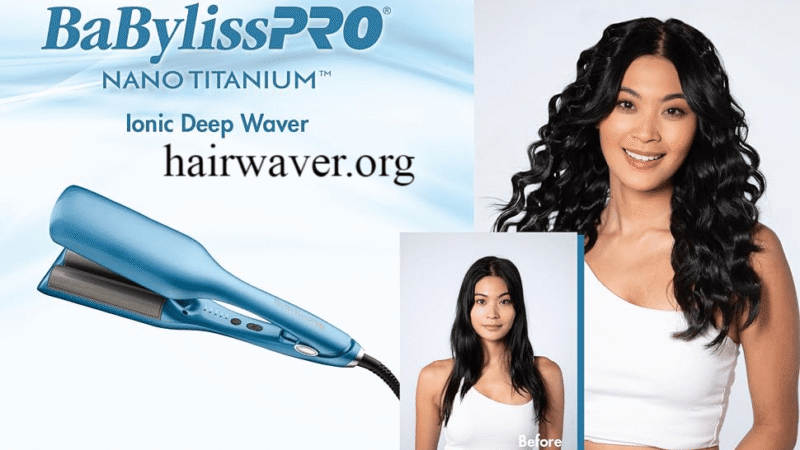
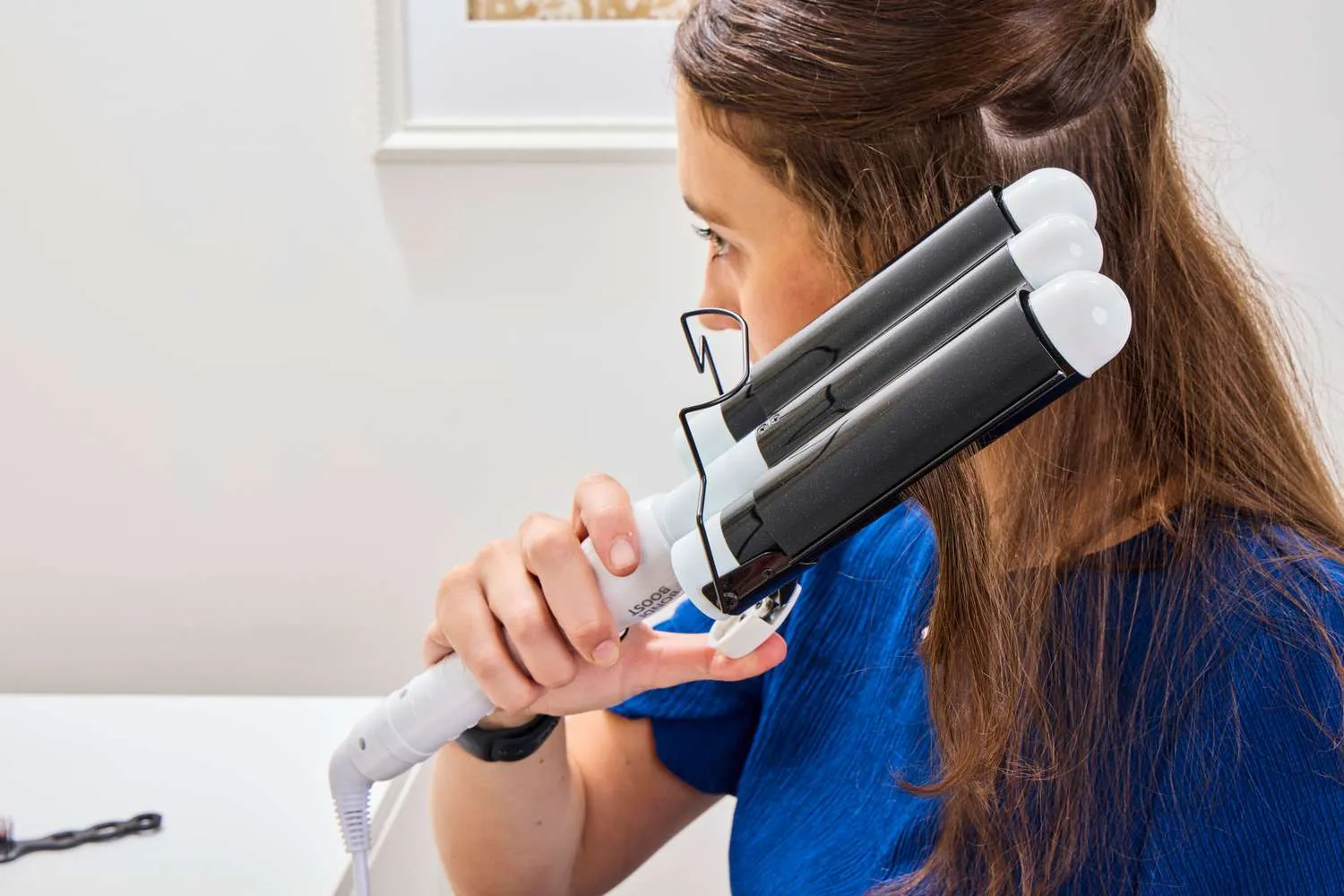
A hair waver is a heated styling tool with multiple barrel plates, typically two or three, that crimp and wave hair simultaneously. Unlike a traditional curling iron that creates individual curls, a hair waver creates uniform, consistent wave patterns across all sections of hair at once. This makes the process faster and the results more natural-looking.
Understanding hair waver basics salon professionals use every day can completely change how you style your hair at home. In this article, you will learn how a hair waver works, how it compares to a curling iron, what temperature to use, and how beginners can master it quickly. Expert salon tips are included throughout.
What Is a Hair Waver?
A hair waver is a heated styling device designed to create S-shaped wave patterns in hair. It features multiple barrel-shaped ridges that press together around the hair, forming structured waves in a single clamp motion.
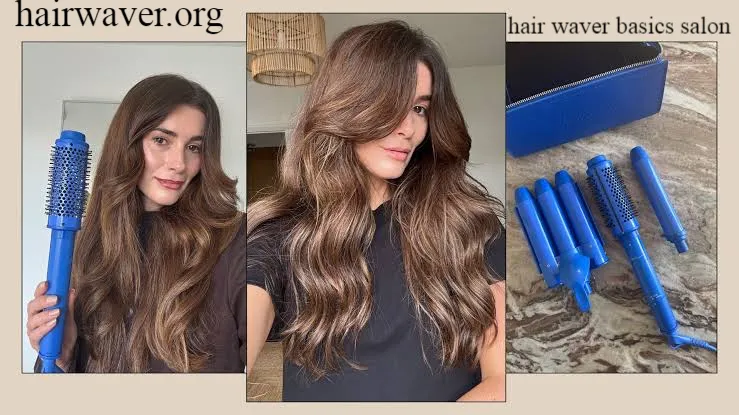
Most salon-grade hair wavers come in three sizes: small barrel for tight waves, medium barrel for classic beach waves, and large barrel for loose, flowing waves. The tool is designed for quick repetitive clamping motion along sections of hair, moving from root to tip or tip to root depending on the technique.
Professional stylists keep hair wavers as a salon staple because they create texture and volume that is difficult to achieve with other tools. The result looks effortlessly natural rather than overly styled.
How Does a Salon Hair Waver Work?
A salon hair waver uses ceramic, titanium, or tourmaline-coated barrels that heat evenly and distribute heat gently through the hair shaft. When you clamp the tool around a section of hair and hold for a few seconds, the heat molds the hair into the barrel’s wave shape.
The key mechanism is even heat distribution combined with the physical shape of the barrels. Unlike a flat iron that straightens, the three-barrel design actively shapes the wave pattern. High-end salon wavers use ionic technology to reduce frizz and add shine while waving.
The Basic Mechanism in Simple Terms
Here is how the process works step by step: source: Salon Services
- Heat the tool to your desired temperature
- Section your hair into manageable portions
- Clamp the waver near the root without touching the scalp
- Hold the clamp firmly for four to six seconds
- Release and move down the hair section
- Repeat the clamp movement overlapping slightly with the previous wave
- Continue until you reach the ends of the hair
- Release and allow hair to cool before touching
The overlapping clamp technique is what creates seamless, flowing waves rather than disconnected sections.
Is a Hair Waver Better Than a Curling Iron?
This question comes up in almost every salon conversation. The honest answer is that it depends on the result you want. Both tools have clear strengths and specific situations where they shine.
A hair waver creates uniform waves across all hair types quickly. A curling iron creates varied, spiral-shaped curls that require more technique and practice. For natural beachy waves, most professionals reach for the waver every time.
Comparison Table: Hair Waver vs Curling Iron
| Feature | Hair Waver | Curling Iron |
|---|---|---|
| Wave Type | Uniform S-waves | Spiral or ringlet curls |
| Learning Curve | Low | Medium to High |
| Time Required | 10 to 20 minutes | 20 to 45 minutes |
| Best For | Beach waves, texture, volume | Defined curls, vintage styles |
| Hold Duration | Medium to Long | Long |
| Risk of Heat Damage | Lower | Higher |
| Results on Beginners | Consistent | Variable |
| Salon Popularity | Very High | High |
| Natural Looking Result | Yes | Depends on technique |
| Suitable Hair Types | All types | All types |
The table shows why hair waver basics salon professionals teach first. The tool is more forgiving and produces consistent results faster.
Can Beginners Use a Hair Waver?
Yes, absolutely. The hair waver is actually one of the most beginner-friendly salon tools available. The repetitive clamping motion is straightforward and builds confidence quickly. You do not need years of practice to achieve salon-quality waves.
Start with clean, completely dry hair. Damp hair exposed to high heat can cause serious damage. Use a heat protectant spray before you begin. Work with smaller sections until the technique feels natural.
Beginner Step-by-Step Tutorial
Follow these steps on your first attempt: hairwaver
- Wash and completely dry your hair before starting
- Apply a quality heat protectant spray throughout your hair
- Divide hair into four sections using clips
- Set your waver to 350 degrees Fahrenheit for fine hair
- Release one section and subdivide it into one-inch pieces
- Begin at the mid-length of the hair section, not the root
- Clamp the waver firmly and count five seconds
- Release and move the tool downward without overlapping
- Repeat on the next piece, working through each section
- Finish with a lightweight texturizing spray or hair oil
I always tell beginners to practice on the lower back sections first. These sections are less visible so any mistakes are easy to hide while you build confidence with the tool.
What Temperature Should You Use for a Hair Waver?
Temperature selection is one of the most important aspects of hair waver basics salon stylists emphasize repeatedly. Using the wrong temperature causes either ineffective styling or unnecessary heat damage.
Temperature Guide by Hair Type
| Hair Type | Recommended Temperature |
|---|---|
| Fine or Thin Hair | 300 to 350 degrees Fahrenheit |
| Medium or Normal Hair | 350 to 380 degrees Fahrenheit |
| Thick or Coarse Hair | 380 to 410 degrees Fahrenheit |
| Color-Treated Hair | 300 to 350 degrees Fahrenheit |
| Natural or Textured Hair | 350 to 400 degrees Fahrenheit |
Never start at the maximum temperature. Begin lower and increase only if the waves are not forming properly. Hair that sizzles when the tool touches it is receiving too much heat.
Expert Salon Styling Tips
Salon professionals develop specific techniques through years of practice. Here are the insider tips that make the biggest difference in your results.
Tip 1: Never Wave Wet Hair Always style completely dry hair. Even five percent moisture in the hair causes steam damage when combined with high heat. This weakens the hair shaft over time.
Tip 2: Work Against the Face on One Side On one side of your face, wave the front sections away from your face. This creates a flattering, open frame effect. The slight variation in direction adds dimension to the final look. source: Instagram · natgeebeauty
Tip 3: Alternate Your Direction On some sections, hold the waver vertically. On others, hold it horizontally. Mixing the barrel orientation creates a more effortless and dimensional wave pattern.
Tip 4: Let Waves Cool Before Styling After waving all sections, wait five minutes before running your fingers through the waves. This allows the shape to set completely. Touching warm waves breaks the pattern before it locks in.
Tip 5: Use the Right Finishing Products Apply a few drops of argan oil or a light serum after waving to add shine without weight. Avoid heavy creams that flatten waves. A flexible hold hairspray maintains the look for hours without stiffness.
Tip 6: Clean Your Tool Regularly Product buildup on the barrels transfers to your hair and causes uneven heat distribution. Wipe the cool barrels with a damp cloth after every three to four uses.
Salon Recommendations for Best Hair Wavers
Professionals in top salons consistently recommend tools with the following features:
- Ceramic coated barrels for even heat without hotspots
- Adjustable temperature controls with digital display
- Dual voltage compatibility for travel use
- Automatic shutoff after thirty to sixty minutes for safety
- Swivel cord that rotates 360 degrees to prevent tangling
The barrel size you need depends on your hair length. Shoulder-length hair works best with a medium one-inch barrel. Long hair benefits from a large 1.25-inch barrel. Short hair responds best to a three-quarter-inch barrel.
Conclusion
The hair waver basics salon professionals teach are genuinely accessible to everyone. This tool creates beautiful, natural-looking waves faster than most other styling methods and with a much gentler learning curve than a traditional curling iron.
Understanding your hair type, selecting the right temperature, using proper technique, and finishing with the right products separates a good wave day from a great one. Once you practice the clamping motion a few times, the technique becomes second nature.
The hair waver might just replace every other styling tool in your routine. Which wave size are you planning to try first? Share your results in the comments and let us know which tip made the biggest difference for your hair.
FAQs
1. What is a hair waver? A hair waver is a heated styling tool with multiple barrel ridges that create uniform S-shaped wave patterns in hair. It uses heat and pressure to mold hair into waves quickly. Most models come in small, medium, and large barrel sizes to suit different wave styles.
2. How does a salon hair waver work? It heats ceramic or titanium barrels evenly and applies that heat through a clamping motion on sections of hair. The barrel shape physically molds the hair into wave patterns. Repeating this clamp and release motion along each section creates seamless waves from root to tip.
3. Is a hair waver better than a curling iron? For natural beach waves, yes. A hair waver creates uniform waves quickly with less technique required. A curling iron creates more defined spiral curls but takes longer and requires more skill. For beginners wanting effortless waves, the hair waver wins clearly.
4. Can beginners use a hair waver? Absolutely. The hair waver is one of the most beginner-friendly styling tools. The repetitive clamping motion is easy to learn. Most beginners produce salon-quality waves within their first or second attempt when using proper technique and heat protectant.
5. What temperature should I use for a hair waver? Fine hair works best at 300 to 350 degrees Fahrenheit. Medium hair suits 350 to 380 degrees. Thick or coarse hair handles up to 410 degrees. Always start lower than you think necessary and increase only if waves are not forming properly.
6. How long does a hair waver take? Most people complete a full head of waves in 10 to 20 minutes. Short hair takes less time. Long, thick hair can take up to 30 minutes. The process is significantly faster than using a curling iron for similar results.
7. Should I use heat protectant with a hair waver? Always. Apply a quality heat protectant spray to dry hair before using any heated styling tool. This creates a protective barrier on each strand that reduces moisture loss and prevents direct heat damage during styling.
8. How do I make waves last longer? Let the waves cool completely before touching them. Finish with a flexible hold hairspray. Sleep on a silk or satin pillowcase to reduce friction. Avoid touching hair unnecessarily during the day. These habits extend wave hold from hours to days.
9. Can I use a hair waver on colored hair? Yes, but use a lower temperature. Color-treated hair is more porous and vulnerable to heat damage. Stay between 300 and 350 degrees. Apply extra heat protectant and use nourishing finishing oil to maintain color vibrancy and hair health.
10. How do I clean my hair waver? Wait until the tool is completely cool before cleaning. Wipe the barrels with a soft damp cloth to remove product buildup. Never use harsh chemicals or submerge the tool in water. Clean after every three to four uses for best performance.
About the Author : Sofia Lane is a licensed cosmetologist and beauty writer with over nine years of experience working in professional salons across New York and Los Angeles. She specializes in modern hair styling techniques, hair care education, and salon tool reviews. Sofia believes that every person deserves access to professional-level hair knowledge without needing a salon appointment. When she is not writing or styling, she teaches hair waving and texturing workshops for aspiring stylists and everyday clients alike.
email: johanharwen@314gmail.com
Author Name: Sofia Lane