
Introduction
You wash your hair almost every day, yet it still looks dull, frizzy, or lifeless. Sound familiar? You are probably making common hair washing mistakes without even realizing it. Most people learn hair washing as children and never question their technique again.
Here is the truth: proper hair washing technique matters more than expensive products. Common hair washing mistakes silently damage your hair over months and years. The good news is that fixing these mistakes costs nothing and takes minimal effort.
This guide breaks down the ten most common hair washing mistakes people make daily. You will learn exactly what goes wrong and how to fix each issue. By the end, you will have practical knowledge to transform your hair washing routine and achieve healthier, shinier hair.
Washing Hair Too Often
The Overwashing Problem
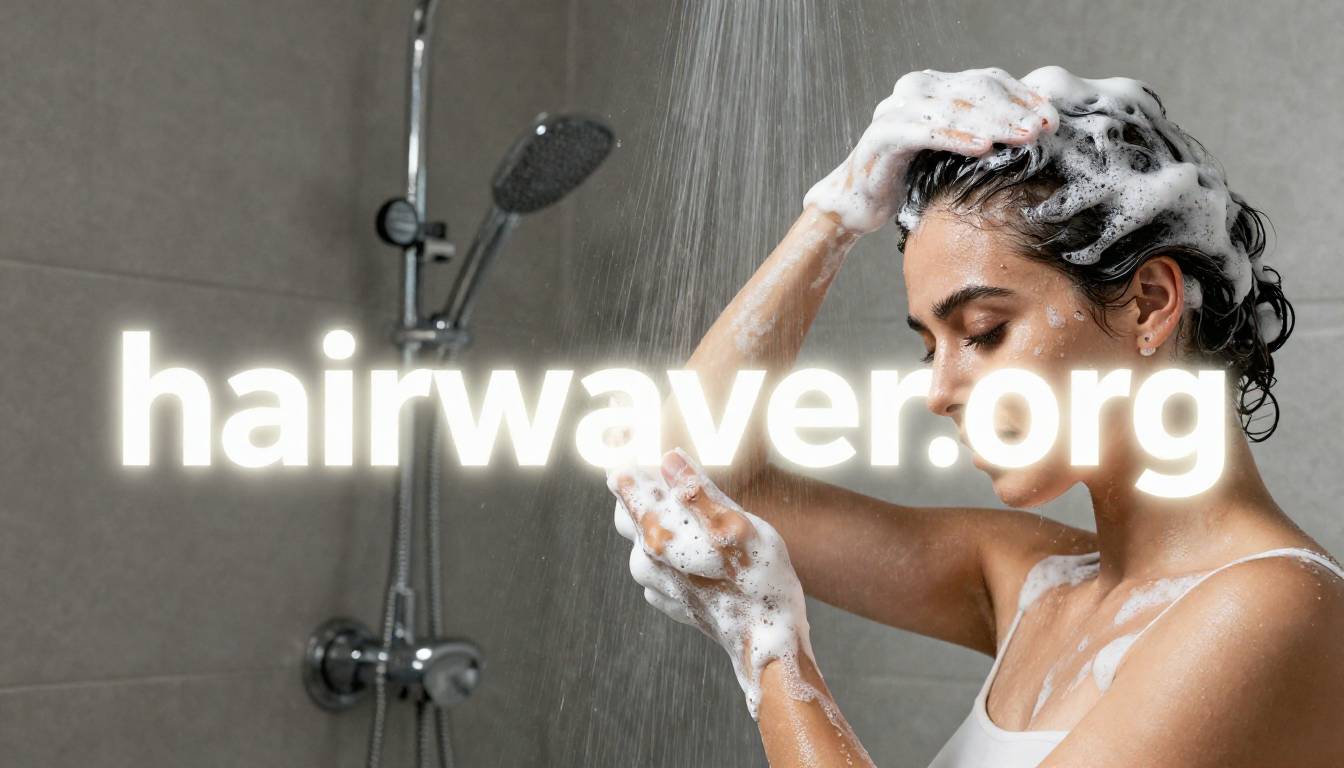
Washing your hair every single day strips away natural oils your scalp produces. These oils, called sebum, protect your hair and keep it moisturized. Overwashing forces your scalp to overproduce oil, creating a vicious cycle of greasiness. hairwaver
Your hair type determines ideal washing frequency. Oily hair might need washing every other day. Dry or curly hair often thrives with washing just twice weekly. Listen to your hair rather than following rigid daily habits.
I switched from daily washing to every three days years ago. My hair transformed completely, becoming shinier and less prone to breakage. Give your scalp time to regulate naturally. source: keshop.com
Not Washing Hair Enough
The Underwashing Issue
While overwashing causes problems, underwashing creates different issues entirely. Product buildup, dead skin cells, and excess oil accumulate on your scalp without regular cleansing. This buildup can clog hair follicles and potentially slow hair growth.
Dandruff and scalp irritation often result from insufficient washing. Bacteria and fungus thrive in oily, unwashed environments. Your scalp health directly impacts your hair health, making regular cleansing essential regardless of hair type.
Finding your ideal washing frequency requires experimentation. Start with washing every two to three days and adjust based on how your scalp feels and looks.
Using Water That Is Too Hot
Why Hot Water Damages Hair
Hot water might feel relaxing, but it wreaks havoc on your hair cuticles. Heat opens the cuticle layer excessively, causing moisture loss and making hair more prone to breakage. Your color-treated hair fades faster with hot water exposure too.
Lukewarm water is the sweet spot for washing hair. This temperature effectively removes dirt and product without damaging your hair structure. Finish with a cool water rinse to seal cuticles and boost shine.
This simple temperature adjustment makes a noticeable difference within weeks. Your hair will feel smoother and appear glossier almost immediately.
Applying Shampoo Incorrectly
The Right Application Method
Many people apply shampoo directly to hair lengths, which is a fundamental mistake. Shampoo should focus on your scalp, where oil and product buildup accumulate most. The lengths get sufficiently cleaned as shampoo rinses down naturally.
Concentrate shampoo application at your roots using fingertips, not nails. Massage gently in circular motions for about thirty seconds. This technique effectively cleanses your scalp without unnecessarily stripping your hair lengths.
Applying shampoo throughout your entire hair length causes unnecessary dryness, especially for those with longer or drier hair textures.
Skipping Conditioner
Why Conditioner Is Non-Negotiable
Some people skip conditioner entirely, believing it makes hair greasy or unnecessary. This common hair washing mistake leaves hair vulnerable to tangles, breakage, and dullness. Conditioner replenishes moisture that shampoo removes during cleansing.
Focus conditioner application on your mid-lengths and ends, avoiding your scalp area. These sections experience the most damage from heat styling, environmental exposure, and daily wear. Leave conditioner on for two to three minutes before rinsing thoroughly.
Even oily hair types benefit from lightweight conditioners applied strategically to ends only. Skipping this step entirely almost always backfires with increased frizz and damage.
Using Too Much Shampoo
Finding the Right Amount
More shampoo does not mean cleaner hair. Using excessive amounts creates buildup that requires extensive rinsing and can leave residue behind. A quarter-sized amount typically suffices for most hair lengths and types. hairwaver
Long or thick hair might require slightly more, but doubling or tripling your usual amount rarely improves cleansing results. Instead, it wastes product and potentially irritates your scalp with excessive sulfates or cleansing agents.
Start with less shampoo than you think you need. You can always add more if necessary, but reducing excess buildup afterward proves much harder.
Choosing the Wrong Hair Products
Matching Products to Your Hair Type
Using products designed for different hair types than yours creates significant problems. Volumizing shampoos on already dry hair increase dryness further. Moisturizing products on fine hair create weighed-down, limp results. VISIT…
Consider your specific hair concerns: color-treated hair needs color-safe formulas, curly hair benefits from sulfate-free options, and fine hair requires lightweight products avoiding heavy oils. Reading ingredient labels helps you make informed choices matching your unique needs.
Trial and error sometimes becomes necessary. What works brilliantly for your friend might not suit your hair texture or scalp condition at all.
Scrubbing the Scalp Too Hard
Gentle Techniques Work Better
Aggressive scrubbing feels satisfying but damages your scalp and hair follicles over time. This common hair washing mistake can cause micro-tears in your scalp, leading to irritation and potentially affecting hair growth negatively.
Use gentle, circular motions with your fingertips rather than nails. Think of massaging your scalp rather than scrubbing it. This approach still effectively removes dirt and product while protecting your scalp’s delicate skin barrier.
Scalp massages using proper technique can actually improve blood circulation and potentially support healthier hair growth over time.
Leaving Shampoo Residue
The Importance of Thorough Rinsing
Insufficient rinsing leaves shampoo residue trapped in your hair and scalp. This residue causes dullness, itchiness, and can contribute to dandruff-like flaking. Many people rush through rinsing, cutting this crucial step short.
Rinse for at least one full minute, running your fingers through hair to ensure complete product removal. Water should run completely clear before you consider rinsing finished. This thoroughness prevents residue buildup that accumulates over multiple washes.
Residue buildup happens gradually, making it easy to overlook until your hair feels consistently heavy or looks perpetually dull despite regular washing.
Rough Towel Drying
Protecting Wet Hair
Wet hair is significantly weaker and more prone to breakage than dry hair. Vigorously rubbing hair with a towel creates friction that damages hair cuticles and causes frizz. This common hair washing mistake undoes much of the good your careful washing accomplished. VISIT…
Instead, gently squeeze excess water using your towel or wrap hair in a microfiber towel or soft cotton t-shirt. Pat sections gently rather than rubbing back and forth aggressively. This gentler approach significantly reduces breakage and frizz.
Switching from rough towel drying to gentle squeezing techniques often produces noticeably smoother, less frizzy results within just a few washes.
Conclusion
These common hair washing mistakes seem small individually, but collectively they significantly impact your hair health and appearance. From overwashing to rough towel drying, small adjustments create substantial improvements over time.
Start implementing these changes gradually rather than overhauling everything at once. Focus on the mistakes most relevant to your specific hair concerns first. Your hair did not become damaged overnight, and it will not transform overnight either, but consistent proper technique yields real results.
Which of these common hair washing mistakes surprised you most? Share your experience in the comments, and try implementing one change this week to see the difference for yourself.
FAQs About Common Hair Washing Mistakes
1. How often should I actually wash my hair? This depends entirely on your hair type. Oily hair often needs washing every other day, while dry or curly hair thrives with washing twice weekly. Pay attention to your scalp and adjust accordingly.
2. Is cold water really better than hot water for hair? Lukewarm water works best for washing, while cold water rinses help seal hair cuticles for extra shine. Extremely hot water strips natural oils and damages hair structure over time.
3. Should shampoo touch my hair ends? Focus shampoo primarily on your scalp where oil accumulates. Your ends get sufficiently cleaned as shampoo rinses through naturally, preventing unnecessary dryness in longer hair.
4. Can skipping conditioner damage my hair? Yes. Conditioner replenishes moisture and reduces tangles and breakage. Even oily hair types benefit from lightweight conditioner applied to mid-lengths and ends only.
5. How much shampoo should I use per wash? A quarter-sized amount typically works well for most hair lengths. Using more creates buildup without improving cleansing results.
6. Why does my hair still look dull after washing? Product residue from insufficient rinsing often causes persistent dullness. Rinse thoroughly for at least one full minute until water runs completely clear.
7. Is it bad to rub my hair dry with a towel? Yes, vigorous towel rubbing causes friction damage and increases frizz. Gently squeeze water out or use a microfiber towel instead for gentler drying.
8. How do I know if I am using the wrong hair products? If your hair feels weighed down, excessively dry, or does not respond well despite consistent washing, your products likely do not match your hair type. Consider switching formulas designed specifically for your hair concerns.
also read: hairwaver.org
email: johanharwen@314gmail.com
Author Name: Rachel Simmons
About the Author : Rachel Simmons is a licensed cosmetologist and hair care specialist with over ten years of experience in the beauty industry. She has helped thousands of clients improve their hair health through proper technique and product selection. Rachel believes that understanding basic hair care fundamentals matters more than expensive salon treatments. When not working with clients, she writes about practical beauty tips that anyone can implement at home.