
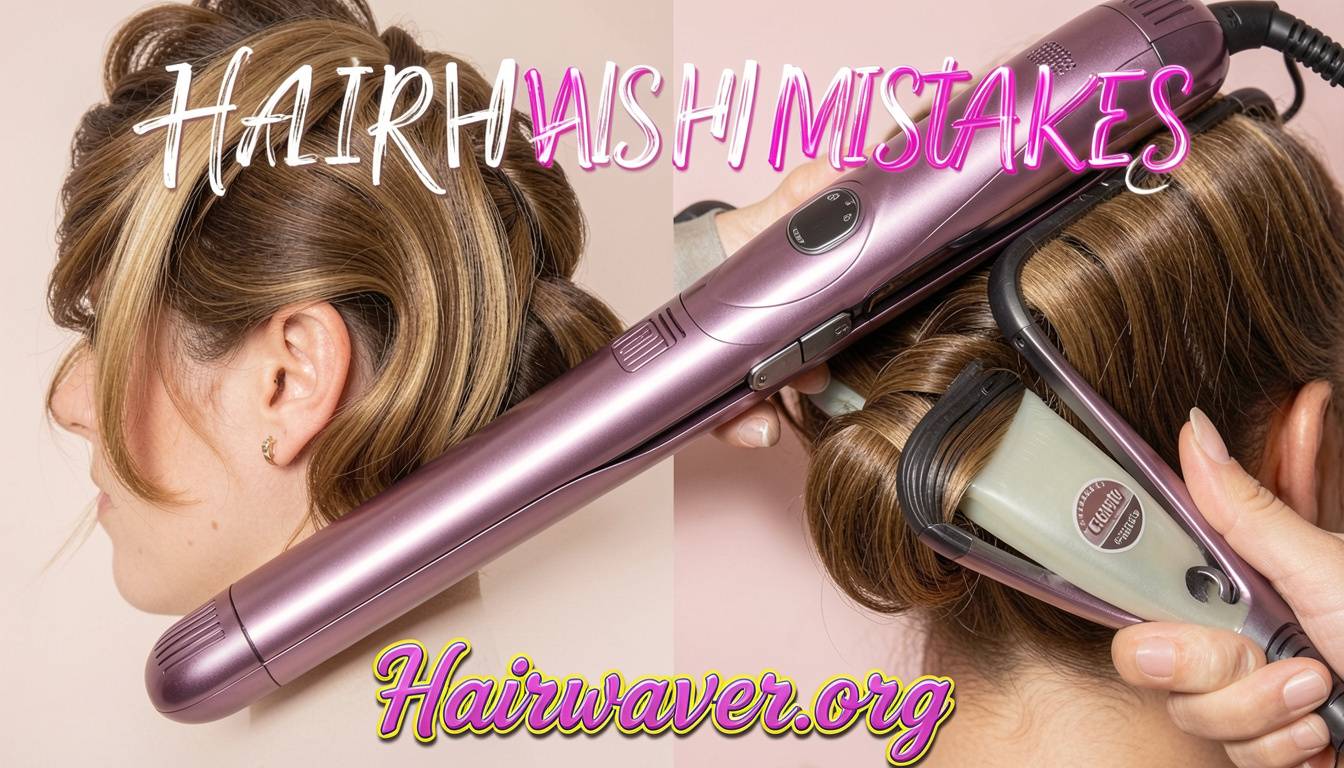
Introduction
You reach for your straightener almost every morning without a second thought. It feels harmless, routine, even relaxing. But here is the truth nobody tells you at the store counter: most hair straightener mistakes happen quietly, and by the time you notice split ends or a dull texture, the damage is already done. This article breaks down exactly where things go wrong and how you can fix them today.
We will walk through the biggest hair straightener mistakes people make, the ideal temperature for every hair type, whether you should straighten wet or dry hair, and why heat protectant is not optional. You will also get a simple step by step routine, warning signs of heat damage, and tips straight from professional hairstylists. By the end, you will know exactly how to get sleek, straight hair without frying it.
What Are the Biggest Hair Straightener Mistakes?
Most damage does not come from owning a straightener. It comes from how you use it. Here are the most common hair straightener mistakes you might be making right now. source: HAI Beauty Concepts
- Using high heat regardless of your hair type
- Straightening soaking wet hair
- Skipping heat protectant spray
- Passing the iron over the same section repeatedly
- Using an old or scratched ceramic plate
- Styling hair that has not been detangled properly
- Straightening too close to the scalp
- Ignoring split ends and trimming schedules
Each of these seems small on its own. Together, they add up to weakened strands, frizz, and breakage over time. hairwaver
Why These Mistakes Matter More Than You Think
Hair is made of protein called keratin. High heat breaks down the protein bonds that give hair its strength and shine. Once those bonds snap, they do not repair themselves. You are essentially locking in damage every time you press hot plates onto vulnerable strands.
Can Using a Straightener Every Day Damage Hair?
Yes, daily straightening can damage hair, especially without protection or proper technique. Heat pulls moisture out of the hair shaft. Over days and weeks, this leaves strands dry, brittle, and prone to breakage.
That said, daily use is not automatically a disaster. If you use the right temperature, apply heat protectant, and give your hair proper hydration, you can reduce the risk significantly. The real danger comes from combining daily heat with poor technique.
I have styled my hair almost every day for years, and switching to a lower temperature setting along with a good protectant made a noticeable difference within a month. Small changes really do add up.
What Temperature Should You Use for Your Hair Type?
Temperature is where most people go wrong. Higher heat does not mean better results. It just means faster damage.
Best Temperature for Fine Hair
Fine hair is delicate and heats up quickly. Stick to 250 to 300 degrees Fahrenheit. Anything higher can scorch thin strands almost instantly.
Best Temperature for Medium Hair
Medium hair has more resilience. A range of 300 to 350 degrees Fahrenheit works well for smooth, lasting results without excessive stress on the cuticle.
Best Temperature for Thick Hair
Thick hair needs more heat to straighten effectively. Aim for 350 to 400 degrees Fahrenheit. Going section by section helps you avoid cranking the heat even higher out of frustration.
Best Temperature for Curly Hair
Curly hair is often the most fragile due to its natural dryness. Keep the setting between 300 and 350 degrees Fahrenheit and always work with smaller sections for even, gentle results. hairwaver
Should You Straighten Wet or Dry Hair?
Always straighten completely dry hair. Straightening wet or even damp hair is one of the most damaging habits you can develop.
When you run a hot iron over wet strands, the water inside the hair shaft essentially boils. This creates tiny steam bubbles that weaken the hair structure from the inside out. The result is frizz, breakage, and a texture that feels rough no matter how much product you use.
Blow dry your hair fully, or let it air dry, before you pick up the straightener. Your future hair will thank you.
Is Heat Protectant Really Necessary?
Yes, heat protectant is essential, not optional. Think of it as sunscreen for your hair. It creates a barrier between the heat source and your strands, reducing moisture loss and minimizing protein breakdown.
Skipping heat protectant is like ironing clothes without checking the fabric setting. You might get away with it once or twice, but repeated exposure catches up fast. Look for a lightweight spray or serum with silicone or natural oils that coats hair evenly without weighing it down.
Step by Step Guide to Avoiding Straightener Mistakes
Follow this simple routine every time you style. VISIT…
- Wash and fully dry your hair, either with a blow dryer on low heat or by air drying.
- Detangle thoroughly using a wide tooth comb.
- Apply heat protectant spray evenly from roots to ends.
- Set your straightener to the correct temperature for your hair type.
- Divide hair into small, manageable sections.
- Glide the iron slowly through each section in one smooth pass.
- Avoid holding the iron in one spot or repeating passes on the same strand.
- Let hair cool completely before brushing or tying it up.
This process takes a few extra minutes but protects your hair significantly in the long run.
Signs Your Hair Is Suffering From Heat Damage
Heat damage does not always show up overnight. Watch for these warning signs.
- Hair feels straw like or rough to the touch
- Increased frizz that will not calm down
- Split ends that appear more frequently
- Lack of natural shine or bounce
- Hair breaks easily when combed
- Curls or waves lose their natural pattern permanently
- Color looks faded or brassy faster than usual
If you notice several of these signs, it is time to pause heat styling and focus on repair.

Expert Backed Tips From Hairstylists
Professional stylists consistently recommend a few core habits that separate healthy straightened hair from damaged hair.
They suggest investing in ceramic or tourmaline plates instead of basic metal ones, since these distribute heat more evenly and reduce hot spots. Many also recommend a monthly trim to remove damage before it travels up the hair shaft. Deep conditioning treatments once a week are another favorite recommendation, since they restore moisture that heat styling removes.
Several stylists also point out that patience matters more than speed. Rushing through sections with multiple passes causes far more damage than one slow, careful pass at the correct temperature.
Best Practices for Home Hair Straightening
Bring salon level care into your bathroom with these habits. VISIT…
- Clean your straightener plates regularly to remove product buildup
- Replace your tool every few years as plates wear down
- Never straighten hair that is still damp
- Use the lowest effective temperature for your hair type
- Give your hair heat free days each week
- Store your straightener safely to protect the plates from scratches
Small, consistent habits protect your hair far more than any single expensive product ever could.
Conclusion
Hair straightener mistakes are easy to make and just as easy to fix once you know what to look for. Choosing the right temperature, straightening only dry hair, using heat protectant, and following a careful routine can transform your results. Your hair does not have to choose between sleek and healthy.
Try adjusting just one habit this week, maybe lowering your temperature or finally adding a protectant spray, and notice the difference over the next month. Have a straightening tip that changed your routine? Share it with someone who needs to hear it.
Frequently Asked Questions
Does straightening hair every day cause permanent damage? Not necessarily, but frequent heat without protection increases the risk of lasting damage over time.
What is the safest temperature for straightening hair? For most hair types, 300 to 350 degrees Fahrenheit offers a safe balance between effectiveness and protection.
Can heat protectant fully prevent damage? It significantly reduces damage but does not make hair completely heat proof.
Is it bad to straighten hair without washing it first? Straightening unwashed hair is fine as long as it is fully dry and free of heavy product buildup.
How often should I trim my hair if I straighten regularly? Every 6 to 8 weeks helps remove damaged ends before they travel further up the strand.
Why does my straightened hair frizz up so quickly? This often signals heat damage, humidity exposure, or skipping heat protectant.
Can curly hair be straightened without losing its curl pattern forever? Yes, using lower heat, protectant, and proper technique helps curls bounce back after straightening.
Should I use a straightener on colored or bleached hair? Use lower temperatures and extra hydration, since colored or bleached hair is more porous and prone to damage.
What ingredients should I look for in a heat protectant? Look for silicones, keratin, or natural oils like argan or coconut for effective heat barrier protection.
Is ceramic or titanium better for straightening hair? Ceramic plates suit most hair types, while titanium heats faster and works well for thick or coarse hair.
also read: hairwaver.org
email: johanharwen@314gmail.com
Author Name: Written by
About the Author: Written by a beauty and lifestyle content writer passionate about simplifying hair care for everyday routines. With a strong interest in practical, research backed beauty advice, the author focuses on helping readers achieve salon quality results at home without the guesswork.