Introduction
You look in the mirror, run your fingers through your hair, and wonder why it just will not grow faster. If you are a teenager dealing with slow hair growth, thinning strands, or a scalp that feels more oily than healthy, you are not alone. A proper hair growth routine for teenagers can make a real difference, and it does not have to be complicated or expensive.
Your teenage years bring hormonal shifts, exam stress, junk food cravings, and late night scrolling, all of which quietly affect your hair. The good news is that small daily changes can fix most of these issues. This article walks you through everything you need to know, from the science behind hair growth basics in teenagers to the exact daily and weekly routines that help your hair grow stronger, faster, and healthier.
Hair Growth Basics in Teenagers
Before jumping into routines, it helps to understand how hair actually grows. Hair grows in three phases: anagen (growth), catagen (transition), and telogen (resting and shedding). During teenage years, hormonal changes, especially a rise in androgens, can speed up oil production and sometimes disrupt this natural cycle.
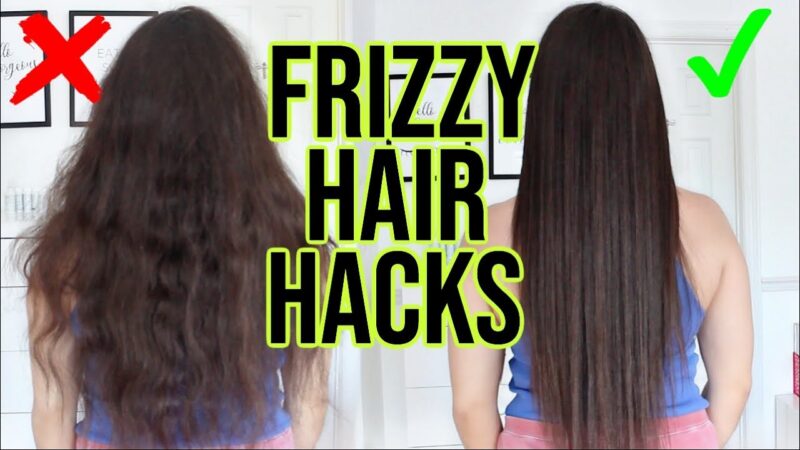
On average, hair grows about half an inch every month. Genetics play the biggest role, but nutrition, scalp health, and daily habits influence how much of that potential you actually reach. Understanding this helps you set realistic expectations instead of chasing miracle overnight fixes. source: Hair GP
Causes of Slow Hair Growth
Several everyday factors quietly slow down hair growth in teens. Here are the most common culprits:
- Poor diet: Skipping meals or eating too much junk food starves your hair follicles of protein and vitamins.
- Hormonal changes: Puberty naturally affects oil production and hair thickness.
- Stress: Exams, social pressure, and lack of sleep can push hair into the shedding phase.
- Heat styling: Frequent use of straighteners or blow dryers weakens hair strands.
- Harsh hair products: Sulfate heavy shampoos can strip natural oils and dry out the scalp.
- Tight hairstyles: Constant ponytails or braids pull on the roots and cause breakage.
- Dehydration: Not drinking enough water affects scalp circulation and hair elasticity.
Identifying which of these apply to you is the first step toward fixing the problem.
Daily Hair Growth Routine
A consistent daily routine keeps your scalp healthy and supports steady growth. Here is a simple plan you can follow every day.
Morning
- Gently brush your hair with a wide tooth comb to detangle without pulling.
- Apply a light, non greasy oil to your scalp if it feels dry.
- Avoid tying your hair too tightly before school or college.
Evening
- Massage your scalp for two to three minutes to boost blood circulation.
- Keep your pillowcase clean, since silk or satin covers reduce friction and breakage.
- Avoid sleeping with wet hair, as it weakens the strands.
I always tell younger cousins that consistency matters more than intensity. A two minute massage every night beats an hour long treatment once a month.
Weekly Hair Care Routine
Along with daily care, your hair needs a few dedicated weekly steps.
- Deep condition once a week using a mask with natural ingredients like aloe vera or yogurt.
- Oil your hair twice a week with coconut or castor oil, leaving it on for at least thirty minutes before washing.
- Wash your hair two to three times a week with a mild, sulfate free shampoo based on your scalp type.
- Trim split ends every six to eight weeks to prevent breakage from traveling up the shaft.
This weekly rhythm keeps your scalp clean without stripping away essential oils.
Best Foods for Hair Growth
What you eat shows up in your hair. Include these foods regularly for visible results.
- Eggs for protein and biotin
- Spinach and leafy greens for iron and folate
- Nuts and seeds for zinc and healthy fats
- Fatty fish like salmon for omega three fatty acids
- Sweet potatoes for beta carotene
- Greek yogurt for protein and probiotics
- Citrus fruits for vitamin C, which supports collagen production
A balanced plate does more for your hair than any expensive serum.
Essential Nutrients
Certain nutrients directly support hair follicle strength and growth speed.
- Protein: Hair is made mostly of keratin, a protein, so deficiency leads to weak strands.
- Biotin: Supports keratin production and reduces breakage.
- Iron: Low iron levels are linked to hair thinning, especially in teenage girls.
- Zinc: Helps repair hair tissue and keeps oil glands working properly.
- Vitamin D: Supports new follicle growth.
- Omega 3 fatty acids: Nourish the scalp and add shine.
If your diet lacks variety, talk to a doctor before starting any supplement.
Healthy Lifestyle Habits
Your hair reflects your overall lifestyle, not just what touches your scalp.
- Sleep seven to nine hours every night to support hormone balance.
- Drink at least eight glasses of water daily.
- Exercise regularly to improve blood circulation to the scalp.
- Manage stress through simple habits like journaling, walking, or deep breathing.
- Limit sugary drinks and processed snacks that trigger inflammation.
Small lifestyle shifts often bring faster results than any hair product.
Hair Care Mistakes to Avoid
Many teenagers unknowingly damage their hair through everyday habits. Watch out for these common mistakes.
- Washing hair with very hot water
- Brushing hair aggressively when wet
- Using too many chemical treatments like straightening or coloring
- Skipping conditioner after every wash
- Rubbing hair roughly with a towel
- Overusing heat styling tools without heat protectant
Cutting down on even two or three of these mistakes can noticeably improve hair texture within weeks.
Best Hair Products for Teenagers
Teenage hair needs gentle, non harsh products. Look for these features when choosing what to buy.
- Sulfate free and paraben free shampoos
- Lightweight conditioners that do not weigh down fine hair
- Leave in serums with natural oils for frizz control
- Scalp friendly oils like jojoba or argan oil
- Wide tooth combs and boar bristle brushes instead of plastic ones
Avoid products loaded with alcohol or artificial fragrance, since they can dry out young scalps quickly.
Natural Remedies
If you prefer a more natural approach, these remedies have stood the test of time.
- Aloe vera gel: Soothes the scalp and reduces dandruff.
- Onion juice: Rich in sulfur, known to support hair thickness.
- Rice water rinse: Adds shine and strengthens strands.
- Fenugreek seed paste: Helps reduce hair fall when used weekly.
- Green tea rinse: Contains antioxidants that support healthy follicles.
These remedies work best when combined with a balanced diet and proper daily care rather than used alone.
Conclusion
Growing healthy, strong hair as a teenager comes down to consistency, not miracle products. A good hair growth routine for teenagers blends daily scalp care, weekly deep treatments, nutrient rich foods, and a few lifestyle changes. Avoid common mistakes, choose gentle products, and give your body the nutrients it needs.
Your hair will not transform overnight, but small consistent steps add up over months. Which part of this routine will you try first? Share this article with a friend who is also on their hair growth journey, and start building better habits today.
FAQs
1. How can teenagers grow their hair faster naturally? Eating a balanced diet, oiling regularly, and reducing heat styling helps hair grow at its healthy natural pace.
2. What vitamins help teenage hair growth? Biotin, vitamin D, iron, and zinc are the most important nutrients for healthy hair growth in teens.
3. Is it normal for teenagers to experience hair fall? Mild shedding is normal due to hormonal changes, but excessive hair fall should be checked by a doctor.
4. How often should teenagers wash their hair? Two to three times a week works well for most hair types, though oily scalps may need more frequent washing.
5. Can stress affect hair growth in teenagers? Yes, high stress levels can push hair into a resting phase, leading to noticeable shedding.
6. Are natural remedies effective for hair growth? Natural remedies like onion juice and aloe vera can support hair health but work best alongside good nutrition.
7. What foods should teenagers avoid for better hair health? Sugary snacks, fried food, and excessive junk food can trigger scalp inflammation and slow growth.
8. Do teenagers need special hair products? Yes, gentle, sulfate free products suited to teenage scalp needs work better than harsh adult formulas.
9. How long does it take to see hair growth results? Most teenagers notice visible improvement within three to six months of consistent care.
10. Can lack of sleep affect hair growth? Yes, poor sleep disrupts hormone balance, which can slow down the hair growth cycle.
also read: hairwaver.org
email: johanharwen@314gmail.com
Author Name: Written by
About the Author : Written by a health and wellness content writer passionate about simplifying skincare and hair care advice for young readers. With a focus on practical, research backed tips, the author enjoys turning everyday habits into easy, actionable routines that real teenagers can actually stick to.