
Introduction
You run your fingers through your hair and notice more strands than usual falling out. Your heart sinks. Panic sets in. But before you spiral, stop and ask yourself one important question: is this hair breakage or hair loss?
Most people use these two terms interchangeably. That is a costly mistake. Hair breakage and hair loss are completely different conditions with different causes, different solutions, and different long-term implications. Confusing them means treating the wrong problem and making your situation worse.
Understanding hair breakage vs hair loss is the first and most critical step toward getting your hair healthy again. In this article, you will learn exactly how to tell the difference, what causes each condition, whether you can experience both simultaneously, and the best prevention and treatment strategies available. By the end, you will know precisely what your hair is telling you and how to respond correctly.
Hair Breakage vs Hair Loss: The Core Difference
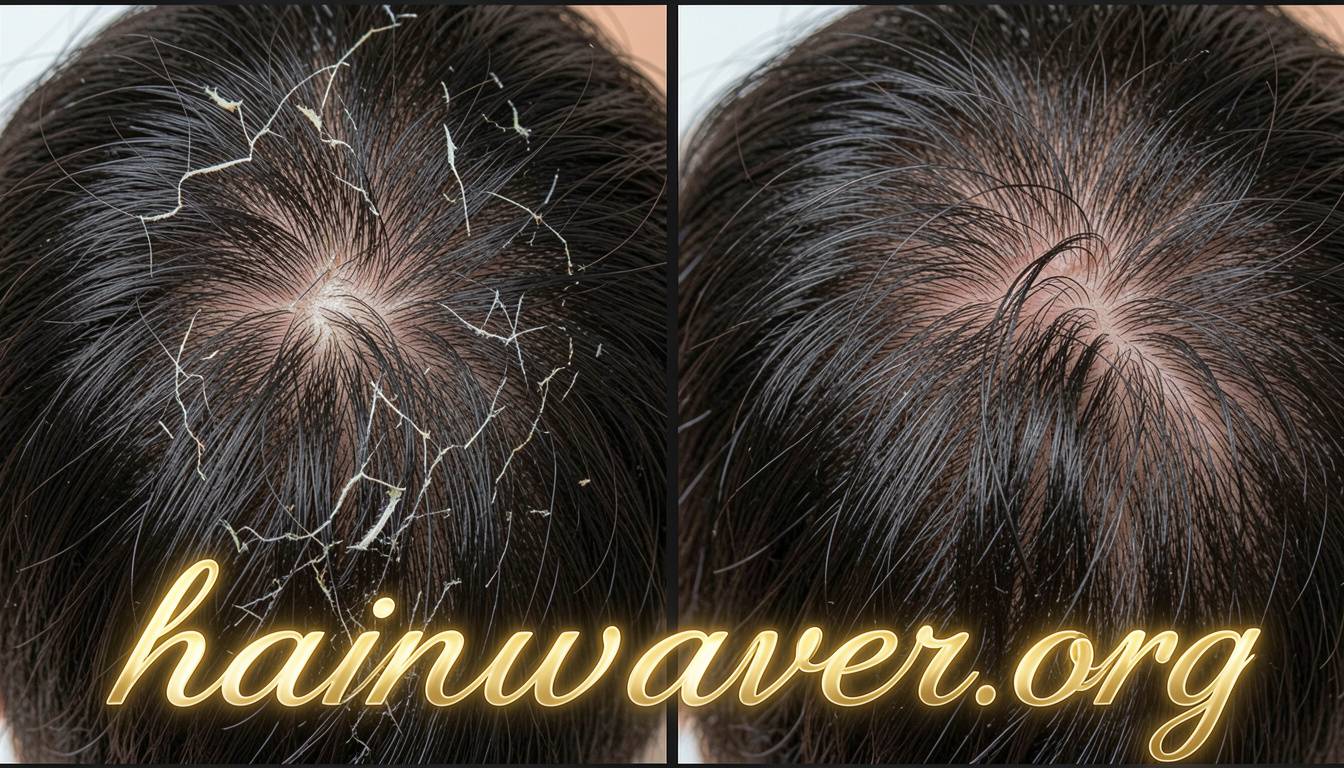
The fundamental difference is simple. Hair breakage happens along the hair shaft. Hair loss happens at the root.
When hair breaks, the follicle remains intact and healthy. Your hair is still growing. The strand simply snaps somewhere in the middle due to weakness or damage. When hair falls out, the entire strand comes out including the root. The follicle may be weakened or inactive.
This distinction matters enormously. Hair breakage is typically reversible through better care. Hair loss can involve permanent follicle damage if left untreated. Knowing which one you face determines everything about your treatment approach. source: Real Simple
How to Identify Hair Breakage
Look at the fallen strands closely. Hair breakage strands are short and uneven. They do not have a white bulb at the end. The ends look jagged or split rather than smooth.
You will usually notice:
- Short fragments scattered on your pillow or shower drain
- Uneven hair length throughout your head
- Flyaways and frizz that will not calm down
- Split ends that travel up the hair shaft
- Hair that tangles easily and feels rough
Run your fingers through your hair while it is dry. If you hear tiny snapping sounds, that is breakage happening in real time. This is one of the clearest indicators that your hair shaft is compromised.
How to Identify Hair Loss
Hair loss strands are different. They are full-length strands with a small white or dark bulb at the root end. This bulb is the hair follicle. Seeing this bulb means the hair came out from the root.
Warning signs of hair loss include:
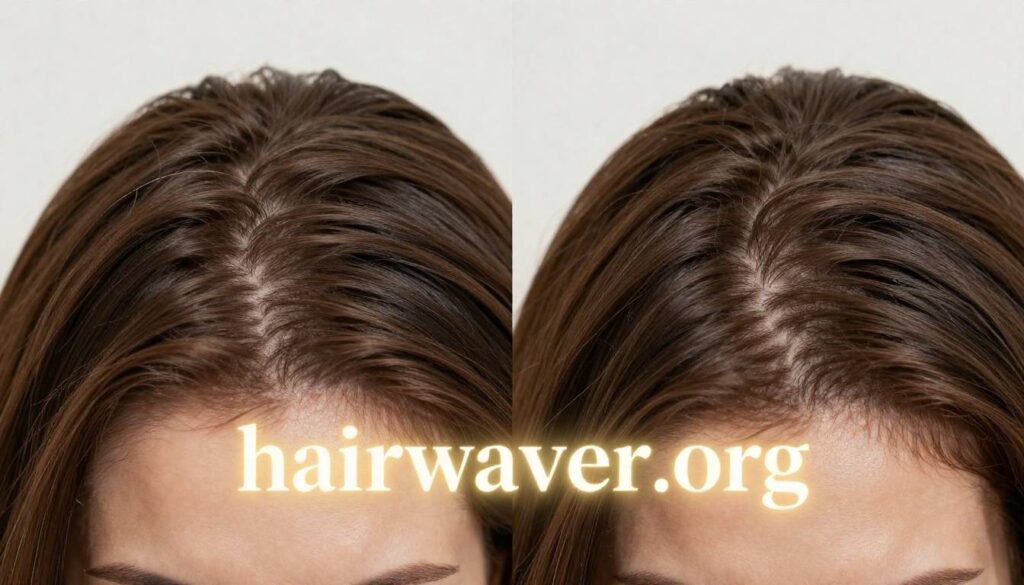
- A widening part line
- Visible thinning at the scalp
- Receding hairline at the temples
- Patches of reduced density
- Scalp becoming more visible under light
Losing 50 to 100 strands daily is completely normal. If you are losing significantly more, or noticing visible thinning, take it seriously. Hair loss at this level warrants professional evaluation.
Common Causes of Hair Breakage
Hair breakage stems from external damage and poor hair care practices. The most common culprits include:
- Excessive heat styling from flat irons, curling wands, and blow dryers
- Chemical treatments like bleaching, perming, and relaxing
- Tight hairstyles including braids, ponytails, and weaves
- Rough handling such as aggressive brushing on wet hair
- Protein or moisture imbalance leaving hair brittle or limp
- Environmental exposure to sun, wind, and chlorine
- Dry hair that lacks enough hydration and elasticity
I have seen this pattern repeatedly: someone starts heat styling daily, then wonders why their ends keep breaking. The solution is always reducing heat and rebuilding the hair’s moisture-protein balance. It genuinely works when you stay consistent.
Common Causes of Hair Loss
Hair loss has deeper causes that often involve internal health factors. The most common include:
- Androgenetic alopecia (hereditary pattern baldness) in men and women
- Hormonal changes during pregnancy, postpartum, menopause, or thyroid disorders
- Telogen effluvium triggered by stress, illness, surgery, or dramatic diet changes
- Nutritional deficiencies particularly iron, zinc, biotin, and vitamin D
- Autoimmune conditions like alopecia areata
- Scalp infections including ringworm and folliculitis
- Medications such as blood thinners, antidepressants, and some blood pressure drugs
Many of these causes are reversible once identified and treated. However, hereditary and autoimmune causes require specialized medical management.
Signs That Separate Hair Breakage vs Hair Loss
Here is a quick reference to tell them apart at a glance:
| Feature | Hair Breakage | Hair Loss |
|---|---|---|
| Strand length | Short fragments | Full-length strands |
| Root bulb present | No | Yes |
| Scalp thinning | Rarely | Yes |
| Texture affected | Yes | Usually not |
| Cause | External damage | Internal or genetic |
| Reversibility | Usually easy | Depends on cause |
When in doubt, always check for that root bulb. It is the fastest diagnostic tool you have.
Can You Have Both at the Same Time?
Absolutely yes. In fact, this combination is more common than most people realize. You might experience telogen effluvium after a stressful event while simultaneously breaking hair from heat damage. Both conditions compound each other, making hair look significantly thinner.
People dealing with both conditions often feel overwhelmed because no single solution addresses everything. You need a dual approach: treat the internal factors causing loss while repairing external damage causing breakage. Seeing a dermatologist or trichologist helps you identify and address both simultaneously.
How to Prevent Hair Breakage
Preventing breakage requires consistent attention to how you treat your hair daily.
Reduce heat exposure. Use tools set below 380 degrees Fahrenheit. Always apply heat protectant before styling. Consider air drying two to three days per week.
Deep condition regularly. Use a deep conditioning mask once weekly. Focus on the mid-lengths and ends where breakage most commonly occurs.
Detangle gently. Use a wide-tooth comb on wet conditioned hair. Start from the ends and work upward.
Protect hair at night. Sleep on a silk or satin pillowcase. Alternatively, wrap your hair in a silk scarf to prevent friction breakage.
Trim regularly. Remove split ends every six to eight weeks before they travel further up the shaft.
How to Reduce Hair Loss
Reducing hair loss requires addressing its root cause directly.
Optimize your nutrition. Get bloodwork done to identify deficiencies. Supplement iron, vitamin D, and zinc if levels are low. Eat protein-rich foods to support follicle health.
Manage stress actively. Chronic stress triggers telogen effluvium. Practice meditation, exercise regularly, and prioritize quality sleep.
Be gentle with your scalp. Massage your scalp for five minutes daily to stimulate circulation. Avoid scratching and harsh scrubbing.
Consult a professional early. If you notice accelerating thinning, see a dermatologist. Early intervention produces significantly better outcomes.
Best Hair Care Routine for Healthy Hair
A solid daily routine prevents both hair breakage and hair loss before they start.
Morning routine:
- Spritz hair lightly with water or leave-in conditioner
- Detangle gently using fingers or wide-tooth comb
- Style without tight tension on the roots
Weekly routine:
- Shampoo with a sulfate-free formula
- Follow with a protein or moisture conditioner depending on your hair’s current needs
- Apply a deep conditioning treatment
- Rinse with cool water to seal the cuticle
Monthly routine:
- Trim split ends
- Do a scalp treatment with nourishing oils like rosemary or peppermint
Consistency transforms hair health over time. Small daily habits create dramatically better results over six months.
Conclusion
Understanding hair breakage vs hair loss saves you time, money, and unnecessary worry. Hair breakage stems from external damage and responds to improved hair care. Hair loss involves internal factors and may need medical attention. Both conditions are manageable when you identify them correctly.
The key is acting early, observing your strands carefully, and seeking professional guidance when home remedies are not working. Your hair tells you what it needs. Learning its language changes everything.
What have you noticed in your own hair lately? Are you dealing with breakage, loss, or both? Share your experience in the comments and help someone else who might be facing the same uncertainty.
FAQs About Hair Breakage vs Hair Loss
1. What is the main difference between hair breakage and hair loss? Hair breakage occurs along the shaft without a root bulb. Hair loss involves the full strand falling from the root with a visible white or dark bulb attached.
2. Is it normal to lose hair every day? Yes. Losing 50 to 100 strands daily is considered normal. Losing significantly more or noticing visible scalp thinning warrants professional evaluation.
3. Can heat styling cause hair loss? Heat styling primarily causes breakage, not true hair loss. Extremely high heat applied repeatedly near the scalp can damage follicles over time, but this is less common than breakage.
4. How do I know if my hair is breaking or falling out? Check for the root bulb. Short strands without a bulb indicate breakage. Full-length strands with a bulb at the end indicate hair loss.
5. Which vitamins help prevent hair loss? Iron, vitamin D, biotin, and zinc are the most critical for preventing hair loss. Get bloodwork done before supplementing to identify specific deficiencies.
6. Does hair grow back after breakage? Yes. Hair breakage does not damage the follicle. Once you address the underlying cause of breakage, your hair grows back from the existing healthy follicles.
7. What is telogen effluvium? Telogen effluvium is temporary hair loss triggered by stress, illness, surgery, or significant dietary changes. It typically resolves within six months after the triggering event passes.
8. Can both hair breakage and hair loss occur simultaneously? Yes. Many people experience both at the same time. Each requires different treatment approaches, so identifying both conditions is essential for complete recovery.
9. Is postpartum hair loss actually hair loss or breakage? Postpartum shedding is true hair loss caused by hormonal fluctuations after delivery. It typically resolves within three to six months without treatment.
10. When should I see a doctor about hair loss? See a dermatologist if you notice visible scalp patches, rapid thinning, receding hairline, or losing significantly more than 100 strands daily over several weeks.
also read: hairwaver.org
email: johanharwen@314gmail.com
Author Name: Dr. Priya Nair
About the Author : Dr. Priya Nair is a certified trichologist and hair health writer with over ten years of experience helping people understand and treat hair conditions. She specializes in the intersection of nutrition, scalp health, and hair care practices. Her evidence-based approach combines clinical knowledge with practical everyday advice. When she is not writing or consulting, Priya teaches workshops on holistic hair wellness and educates people on reading the early warning signs their hair sends before problems escalate.