
Introduction
Have you ever met someone who stays calm under pressure while everyone else falls apart? That calmness is not luck. It usually comes down to emotional intelligence.
The emotional intelligence definition sounds simple on paper. It means your ability to notice, understand, and manage emotions, both yours and other people’s. But living it out every day is a different story.
Many people think intelligence only means test scores or technical skill. That belief holds people back at work and at home. You can be brilliant on paper and still struggle with relationships if you lack emotional awareness.
This article breaks down everything you need to know. You will learn what emotional intelligence really means, why it matters, and how to build it step by step. We will also cover common problems people face and practical fixes you can use right away.
By the end, you will see why emotional intelligence often matters more than raw IQ.
What Is the Emotional Intelligence Definition
At its core, the emotional intelligence definition refers to your capacity to recognize emotions, understand what they mean, and respond to them wisely. It also includes reading other people’s emotions accurately.
Psychologist Daniel Goleman popularized this concept in the 1990s. He broke it into five main parts.
The Five Components of Emotional Intelligence
- Self awareness: Knowing what you feel and why you feel it
- Self regulation: Managing your reactions instead of letting emotions control you
- Motivation: Using emotional drive to reach goals, not just external rewards
- Empathy: Understanding how others feel and why
- Social skills: Building relationships and handling conflict smoothly
Each piece works together. Weakness in one area usually shows up in the others too.
Why Emotional Intelligence Matters So Much
You might wonder if this is just another trendy buzzword. It is not. Research keeps confirming its real world impact.
Studies show that emotional intelligence predicts job performance and leadership success better than technical skill alone in many roles. Companies now train managers specifically on this skill because teams with emotionally intelligent leaders report higher satisfaction and lower turnover.
In personal life, the benefits show up just as clearly. Couples who communicate with empathy resolve conflict faster. Parents with strong emotional awareness raise children who handle stress better.
I have noticed this in my own work too. The people who stay level headed during chaos are rarely the smartest in the room. They are the ones who understand their own triggers and know how to pause before reacting. Source: Psycology Today
Step by Step Process to Build Emotional Intelligence
Building this skill takes practice, not perfection. Here is a simple process you can follow.
Step 1: Track Your Emotions Daily
Spend two minutes each evening naming what you felt that day. Write it down if that helps. This simple habit sharpens self awareness fast.
Step 2: Pause Before You React
When emotions spike, wait ten seconds before responding. This short pause gives your rational brain time to catch up with your emotional brain.
Step 3: Practice Active Listening
Stop planning your response while someone else talks. Focus fully on their words and tone. This builds empathy naturally over time.
Step 4: Label Emotions in Others
Try to guess what someone else might be feeling during a conversation. Ask yourself if their words match their body language.
Step 5: Reflect on Conflicts
After a disagreement, review what triggered your reaction. Ask what you could do differently next time.
Repeat these steps consistently. Emotional intelligence grows through daily reps, not one big breakthrough. hairwaver.org
Tips and Tricks to Strengthen Emotional Intelligence
Small habits create big shifts over time. Try these practical tricks.
- Journal for five minutes each morning about how you want to show up that day
- Use a feelings wheel to expand your emotional vocabulary beyond happy, sad, or angry
- Ask trusted friends for honest feedback about your reactions under stress
- Practice deep breathing before difficult conversations
- Read fiction, since it strengthens your ability to understand different perspectives
None of these require huge time investment. Consistency matters far more than intensity.
Common Problems People Face
Even motivated people hit roadblocks. Here are the most common ones.
Confusing Emotional Intelligence With Being Nice
Some people think emotional intelligence means agreeing with everyone. That is not accurate. It actually means setting boundaries clearly while staying respectful.
Struggling With Self Awareness
Many people cannot name what they feel in the moment. They react on autopilot instead.
Overthinking Every Interaction
Some people swing too far the other way. They analyze every conversation so much that it drains their energy.
Ignoring Emotions at Work
Workplace culture often discourages showing emotion. This leads to burnout because feelings get buried instead of processed. hairwaver.org
Solutions to These Common Problems
Each problem above has a practical fix.
If you confuse kindness with weakness, remember that boundaries and empathy can coexist. You can say no while still caring about someone.
If self awareness feels hard, start smaller. Just notice physical sensations like a tight chest or clenched jaw. These often signal emotions before your mind catches up.
If you overthink interactions, set a time limit for reflection. Give yourself ten minutes, then move on.
If your workplace discourages emotional expression, find outlets outside work. Talk to a mentor or write privately about what you feel.
Small adjustments like these prevent burnout and keep your growth sustainable.
Frequently Asked Questions
What is the simplest emotional intelligence definition? It means recognizing, understanding, and managing your own emotions while also understanding the emotions of others.
Can emotional intelligence be learned? Yes. Unlike IQ, emotional intelligence grows with practice and self reflection throughout life.
Is emotional intelligence more important than IQ? In many workplace and relationship settings, research suggests emotional intelligence predicts success better than IQ alone.
What are the four main branches of emotional intelligence? They include perceiving emotions, using emotions to think, understanding emotions, and managing emotions effectively.
How do I know if I have low emotional intelligence? Common signs include frequent misunderstandings, difficulty managing anger, and trouble reading social cues.
Does emotional intelligence improve with age? Often yes, since life experience naturally builds self awareness and empathy over time.
Can a test measure emotional intelligence accurately? Tests offer a general estimate, but real world behavior often reveals more than any single assessment.
What is emotional intelligence in leadership? It means leading with empathy, staying calm under pressure, and motivating teams through genuine connection.
Conclusion
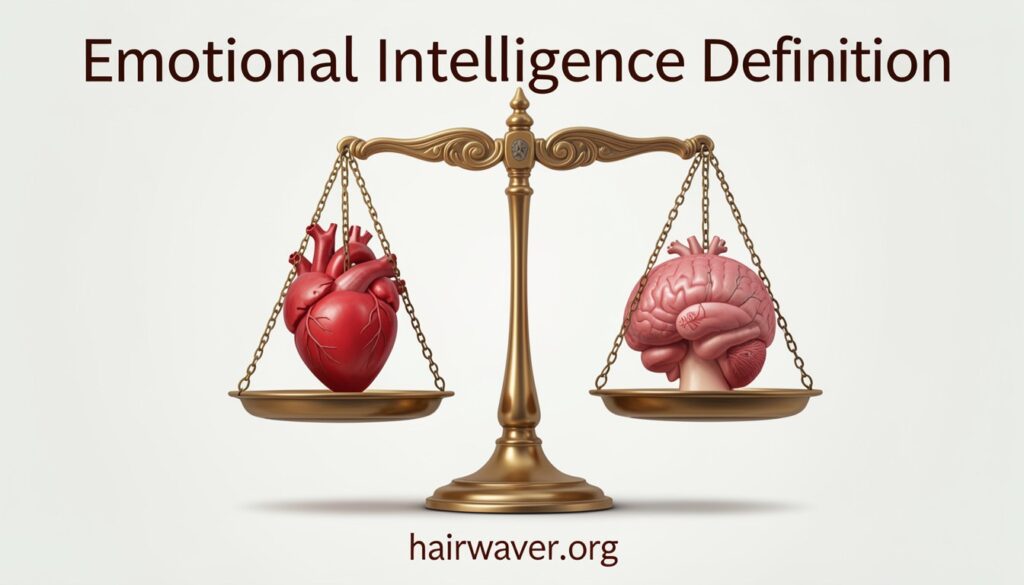
The emotional intelligence definition goes far beyond a textbook phrase. It shapes how you handle stress, build relationships, and lead others through difficult moments.
You now have a clear process to build this skill step by step, along with practical tips to avoid common mistakes. Growth here does not happen overnight, but small daily habits create lasting change.
Which part of emotional intelligence do you want to strengthen first? Try one tip from this article today and notice how your interactions shift. If this helped you, share it with someone who could use a reminder that emotions are not weaknesses. They are tools.
Read More………..
Author Bio: Sarah Bennett writes about psychology, personal growth, and workplace wellbeing. She holds a background in behavioral coaching and enjoys turning research into practical advice readers can use right away.