
Introduction
You wake up. You shower. You brush your hair. You head out. Sounds harmless, right? But hidden inside that simple morning routine are daily habits causing hair loss that millions of people repeat without realizing the damage they do. Hair loss does not always begin with genetics or medical conditions. Sometimes, it begins with what you do every single day.
According to the American Academy of Dermatology, it is normal to lose 50 to 100 strands daily. But when your habits push that number higher, you start seeing the difference on your pillow, your shower drain, and your brush. The good news is that most daily habits causing hair loss are entirely reversible once you identify and change them.
This article covers everything clearly. You will learn what hair loss really means, which habits silently damage your hair, warning signs to watch for, and exactly what you should do to stop the damage starting today.
What Is Hair Loss?
Hair loss, medically known as alopecia, refers to losing hair faster than your scalp can replace it. Every hair follicle follows a natural cycle of growth, rest, and shedding. When something disrupts this cycle, excessive hair loss follows.
Hair loss takes different forms. Gradual thinning at the crown is most common in adults. Patchy bald spots appear suddenly in some cases. Complete hair loss across the scalp is rare but possible. Understanding the type you face helps identify the right cause and solution. source: American Academy of Dermatology
Daily Habits That Cause Hair Loss
1. Wearing Tight Hairstyles
Pulling your hair into tight ponytails, braids, or buns daily creates a type of hair loss called traction alopecia. The constant tension damages follicles over time. Repeated pulling causes permanent damage if you ignore it long enough. Loosen your styles and alternate between hairstyles every day.
2. Overwashing Your Hair
Washing your hair daily strips it of natural oils. These oils protect and nourish your scalp. Without them, your hair becomes brittle, dry, and prone to breakage. Aim to wash two to three times per week instead.
3. Rough Towel Drying
Aggressively rubbing your hair with a towel after showering breaks fragile wet strands. Wet hair is at its most vulnerable state. Use a microfiber towel or gently squeeze moisture out instead of rubbing. This simple change protects dozens of strands every wash.
4. Heat Styling Without Protection
Using flat irons, curling wands, and blow dryers daily without heat protectant destroys your hair shaft. Extreme heat weakens the protein structure of each strand. Apply a quality heat protectant every single time before using heat tools.
5. Poor Diet and Nutritional Deficiencies
Hair needs protein, iron, zinc, biotin, and vitamins to grow strong. Skipping meals or eating a nutrient-poor diet directly weakens hair follicles. Research published in the journal Dermatology and Therapy links iron deficiency directly to hair loss. Eat a balanced diet with lean proteins, leafy greens, and healthy fats.
6. Chronic Stress
Stress triggers a condition called telogen effluvium, where large numbers of follicles shift into the resting phase simultaneously. Prolonged stress means more shedding. Manage stress through exercise, meditation, proper sleep, and relaxation techniques.
7. Ignoring Scalp Health
A dirty, inflamed, or dry scalp cannot support healthy hair growth. Product buildup, dandruff, and seborrheic dermatitis all damage follicles. Exfoliate your scalp gently once a week and choose products suited to your scalp type.
Signs Your Habits Are Damaging Your Hair
You may already be experiencing damage without recognizing the signs. Watch for these warning signals:
- More hair than usual on your pillow each morning
- Noticeable hair collecting in your shower drain after every wash
- Hair that breaks easily when you brush or comb
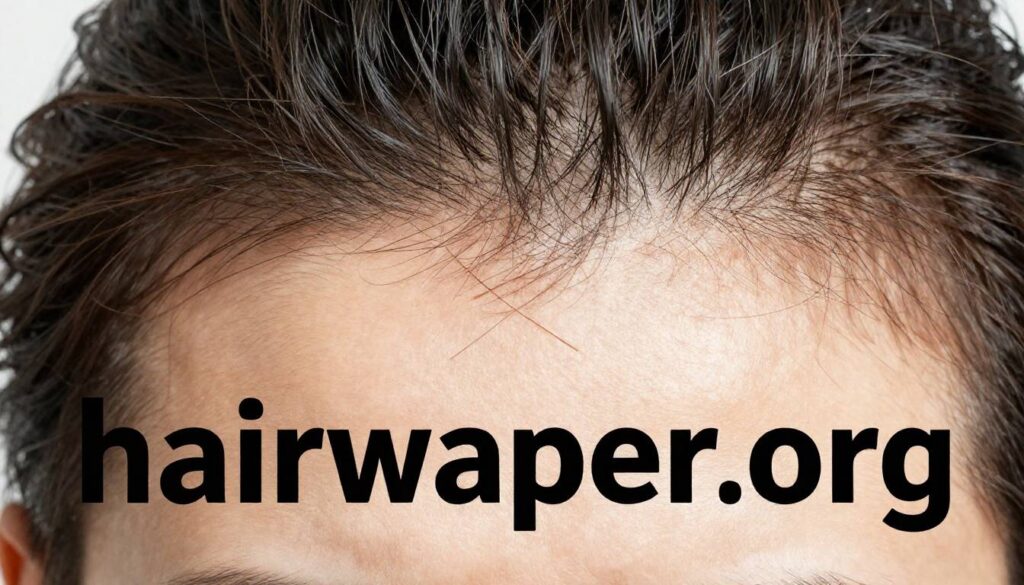
- Thinning visible at your hairline or crown
- Scalp feeling tight, itchy, or irritated regularly
Catching these signs early makes reversal far easier.
Who Is Most at Risk?
Certain people face higher risk from these daily habits causing hair loss. Women who frequently wear tight updos experience traction alopecia more commonly. Athletes and active individuals who overwash daily due to sweat are vulnerable. Anyone on a restrictive or low-calorie diet risks nutritional deficiency-related shedding. People in high-stress careers or going through emotional upheaval face telogen effluvium risk.
Age also plays a role. As follicles naturally weaken with age, damaging habits hit harder. Younger individuals can often reverse damage quickly. Older individuals require more deliberate care and patience.
How to Prevent Hair Loss from Daily Habits
Prevention requires consistent action. Here are the most impactful changes you can make immediately:
- Switch to loose hairstyles whenever possible, especially during sleep
- Reduce heat tool use to two or three times weekly maximum
- Apply heat protectant every time before any heated styling
- Eat a protein-rich diet with foods like eggs, salmon, nuts, and legumes
- Manage stress actively through daily exercise and adequate sleep
- Stop overwashing and adopt a two to three times per week routine
- Massage your scalp for five minutes daily to stimulate circulation
Best Hair Care Routine for Hair Loss Prevention
A simple, consistent routine protects your hair far better than expensive products. Here is what works:
Morning: Detangle gently using a wide-tooth comb on dry hair. Avoid tight styles.
Wash Days: Use a sulfate-free shampoo. Apply conditioner from mid-length to ends. Rinse with cool water to seal cuticles.
Drying: Pat dry gently. Air dry whenever possible. Use low heat settings when blow drying.
Weekly: Apply a nourishing hair mask. Gently exfoliate your scalp using a scalp scrub or soft brush.
Daily: Take a hair supplement containing biotin, zinc, and vitamin D if your diet lacks these nutrients.
When to See a Doctor
Some situations require professional attention. See a dermatologist or trichologist when:
- You lose hair in sudden large clumps
- Bald patches appear without any obvious cause
- Your scalp develops sores, redness, or significant inflammation
- Hair loss continues despite changing your habits for over three months
A doctor can identify underlying conditions like hypothyroidism, anemia, or autoimmune disorders contributing to your shedding.
Common Myths About Hair Loss
Myth: Hats cause baldness. Hats do not damage follicles or restrict blood flow enough to cause loss.
Myth: Cutting hair makes it grow faster. Haircuts affect appearance, not follicle growth rate.
Myth: Only older people lose hair. Daily habits causing hair loss affect people of all ages equally.
Myth: Shampooing more cleanses follicles for better growth. Overwashing removes essential oils and weakens hair.
Conclusion
Daily habits causing hair loss often fly under the radar until the damage becomes visible. The habits you repeat without thinking every morning, including tight styles, heat styling, poor diet, and unmanaged stress, can quietly erode your hair health over months and years.
The empowering truth is that most of these habits are reversible. Small deliberate changes create significant results. Protect your hair today and your future self will thank you for it.
Which habit do you think is most damaging your hair right now? Share this article with someone whose hair health matters to you and start the conversation today.
Frequently Asked Questions About Daily Habits Causing Hair Loss
1. Can daily habits really cause permanent hair loss? Yes, if ignored long enough. Traction alopecia from tight hairstyles can permanently damage follicles. Most other habit-related hair loss is reversible with early intervention.
2. How long does it take to see improvement after changing habits? Most people notice reduced shedding within 6 to 12 weeks. Full regrowth of lost hair can take 3 to 6 months depending on the cause.
3. Does eating poorly really cause hair loss? Yes. Iron deficiency, low protein intake, and vitamin D deficiency are well-documented causes of hair loss. Nutrition directly feeds your follicles.
4. How often should I wash my hair to prevent loss? Two to three times per week suits most hair types. Oily scalps may need slightly more frequent washing, but daily washing harms most people.
5. Can stress-related hair loss be reversed? Yes. Once you manage the stressor and give your body time to reset, follicles return to the growth phase. This typically takes 3 to 6 months.
6. Is heat styling every day really that damaging? Yes. Daily heat without protectant progressively weakens hair protein structure. Reducing frequency and always using heat protectant minimizes damage significantly.
7. Do hair growth supplements actually work? Supplements like biotin, zinc, and vitamin D support hair growth when you have a documented deficiency. They are not miracle cures but effective as part of a complete approach.
8. What sleeping habits affect hair health? Sleeping on rough cotton pillowcases creates friction that breaks hair. Silk or satin pillowcases reduce friction. Sleeping with hair tightly tied also creates tension damage overnight.
also read: hairwaver.org
email: johanharwen@314gmail.com
Author Name: Dr. Sarah Kline
About the Author : Dr. Sarah Kline is a certified trichologist and health writer with over ten years of experience helping patients understand and reverse hair loss. She combines clinical knowledge with practical, accessible advice that readers can apply immediately. Her work has appeared in health and wellness publications worldwide. When she is not writing, Sarah consults with patients on scalp health and personalized hair care strategies.