
Introduction
Planning an outdoor adventure with your partner, family, or a friend? A double sleeping bag can make camping trips more comfortable by offering extra space, warmth, and convenience compared to traditional single sleeping bags. With so many options available in 2026, choosing the right one depends on factors like insulation, size, weather resistance, portability, and overall durability.
This Double Sleeping Bag Buying Guide 2026 covers everything you need to know before making a purchase, from key features and materials to important buying tips. Whether you are preparing for a weekend camping trip, hiking adventure, or a cozy outdoor getaway, this guide will help you find the perfect double sleeping bag that matches your needs and budget.
What Is a Double Sleeping Bag?
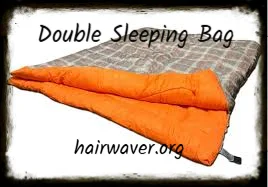
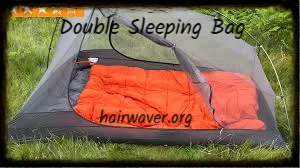
A double sleeping bag is exactly what the name suggests. It is a sleeping bag designed to fit two people inside it comfortably. Instead of each person carrying and sleeping in their own individual bag, you share one larger bag together.
How It Differs from Two Zipped-Together Bags
You might wonder why not just zip two regular sleeping bags together. Many campers try this. But a purpose-built double sleeping bag offers several advantages over that workaround.
First, zipped-together bags often leave a cold gap right down the middle. A true double sleeping bag has no seam running between the two sleepers. Second, the insulation in a double bag is designed to distribute heat evenly across the shared space. Third, the overall weight of one double bag is usually less than two individual bags combined.
That said, some people do prefer two separate bags with a compatible zip system. It gives each person temperature control. There is no single right answer. It depends entirely on your priorities.
Who Should Use a Double Sleeping Bag?
Not every camper needs one. But for certain types of outdoor adventurers, a double sleeping bag is a game changer.
Couples Who Camp Together Regularly
If you and your partner camp together several times a year, this is one of the best investments you can make. Sharing body heat is genuinely effective at keeping both people warm. It also makes the sleeping experience feel more natural and less like sleeping in separate cocoons.
Families with Young Children
Young kids often feel anxious sleeping alone outdoors. A double sleeping bag lets a parent and child share warmth and closeness. It reduces middle-of-the-night disruptions and keeps everyone happier.
Ultralight Backpackers Looking to Share Gear
When you are counting grams, sharing one double bag instead of carrying two individual bags can save meaningful weight. Some ultralight double sleeping bags weigh under 1.5 kilograms. That is a significant saving over a long trail.
Casual Car Campers Who Want Comfort
If weight is not a concern and you drive to your campsite, comfort becomes the priority. A spacious double sleeping bag with extra loft and soft lining transforms your tent into something closer to a cozy bedroom.
Key Features to Look for in a Double Sleeping Bag
This is where most buyers get confused. The market is full of options. Knowing which features actually matter helps you cut through the noise and buy with confidence.
Temperature Rating
This is the most important specification. Every sleeping bag comes with a temperature rating. This tells you the lowest temperature at which the bag will keep an average sleeper warm.
Here is a simple way to think about it:
- Summer bags are rated above 10 degrees Celsius. They are lightweight and great for warm nights.
- Three-season bags are rated between minus 5 and 10 degrees Celsius. They cover spring, summer, and fall camping.
- Winter bags are rated below minus 5 degrees Celsius. They are heavier but essential for cold weather.
Always buy a bag rated slightly colder than the lowest temperature you expect to encounter. It is better to be slightly warm than dangerously cold.
Insulation Type: Down vs Synthetic
This choice matters more than most people realize.
Down insulation is warmer for its weight. It compresses better. It lasts longer with proper care. However, it loses its insulating ability when wet. It is also more expensive.
Synthetic insulation performs better in damp or wet conditions. It dries faster. It is generally more affordable. The downside is that it is heavier and bulkier than down.
I personally lean toward synthetic for camping in humid or rainy climates. For dry alpine environments, down is hard to beat.
Shell and Lining Material
The outer shell should be water resistant to handle condensation inside your tent. The inner lining should feel soft against your skin. Some double sleeping bags use a brushed polyester lining. Others use softer materials that feel almost like cotton. Check reviews specifically for how the lining feels. This matters more than people admit.
Zipper Quality and Placement
A double sleeping bag typically has zippers along both sides. This lets each person get in and out without disturbing the other. Look for anti-snag zippers. A zipper that gets stuck at 2 AM in the cold is deeply unpleasant. Draft tubes behind the zippers are also worth having. They block cold air from seeping through the zipper line.
Size and Dimensions
Double sleeping bags come in different widths and lengths. Most standard doubles are around 150 to 160 centimetres wide. That is enough for two average-sized adults, but it can feel snug if either person is tall or broad-shouldered.
Some brands offer extra-wide or extended-length options. If either sleeper is over 180 centimetres tall, check the bag’s listed length before buying.
Weight and Packed Size
Weight matters more for backpackers and less for car campers. If you are hiking to your campsite, look for a double sleeping bag under 2 kilograms. If you are driving, weight is almost irrelevant and you can prioritize warmth and comfort instead.
Packed size also matters for storage in a backpack. Many down double bags compress to a surprisingly small stuff sack. Synthetic bags tend to pack larger.
Top Types of Double Sleeping Bags
There is no single best double sleeping bag for everyone. Different types serve different purposes.
Mummy Style Double Sleeping Bags
Mummy style bags taper toward the feet. This reduces dead air space inside the bag, which means less space for your body to heat up. The result is a warmer, more efficient bag.
The tradeoff is that mummy style double bags can feel restrictive. If either sleeper moves around a lot, this style can get uncomfortable. They are best for cold weather camping where warmth is the priority.
Rectangular Double Sleeping Bags
Rectangular bags are the classic shape. They offer a lot of room to move around. You can fully unzip them and use them as a blanket. They work well for car camping and mild weather.
The downside is that they are less thermally efficient than mummy bags. They are heavier for the same warmth level. But if comfort and versatility are your goals, a rectangular double sleeping bag is a great choice.
Quilt-Style Double Sleeping Bags
Quilts are an increasingly popular option among ultralight backpackers. A double quilt is essentially a large blanket with insulation. There is no hood and no zipper down the middle. You drape it over both sleepers.
They save weight and pack small. However, they work best on a sleeping pad with good insulation. If you roll around in your sleep, drafts can sneak in around the edges.
How to Care for Your Double Sleeping Bag
Proper care extends the life of your bag significantly. A well-cared-for sleeping bag can last ten years or more.
Washing
Always check the manufacturer’s care instructions first. Most sleeping bags can be machine washed on a gentle cycle with cold water. Use a cleaner specifically made for sleeping bags or technical fabrics. Avoid regular laundry detergent. It strips the natural oils from down and degrades synthetic insulation over time.
Dry your bag on low heat. For down bags, add a few clean tennis balls to the dryer. They break up clumps of wet down and restore the loft. This step is not optional. A clumped-down sleeping bag loses most of its insulating power.
Storage
Never store your sleeping bag compressed in its stuff sack. That crushes the insulation over time and reduces its loft permanently. Store it loosely in a large cotton or mesh storage sack. Keep it in a cool, dry place away from direct sunlight.
Airing Out
After every camping trip, air your sleeping bag out for several hours before storing it. Moisture from body heat and breathing accumulates inside the bag overnight. Storing it damp encourages mildew and degrades insulation.
Common Mistakes When Buying a Double Sleeping Bag
Even experienced campers make these errors. Avoid them and you will make a much better purchase.
Buying based on price alone. A very cheap double sleeping bag may not deliver on its temperature rating. It may use low-quality insulation that compresses and loses warmth quickly. Spend a little more for a bag from a reputable brand.
Ignoring the temperature rating. Buying a summer bag for fall camping is a common mistake. Always match the bag to the coldest conditions you expect to camp in.
Forgetting to check the dimensions. If one of you is tall, a standard-length bag may not work. Always check the listed length and width before purchasing.
Not reading reviews about zippers. Zipper problems are the number one complaint in sleeping bag reviews. Read specifically what people say about zipper performance before committing.
Assuming more expensive means warmer. Sometimes a higher price reflects lighter weight or a premium brand name, not necessarily more warmth. Check the temperature rating directly. Do not assume.
Double Sleeping Bag for Different Seasons
Summer Camping
For warm weather camping, look for a lightweight double sleeping bag rated between 10 and 15 degrees Celsius. Prioritize breathability. Overheating is a real issue in summer. Some double bags come with full-length zip-open panels so you can ventilate easily.
Three-Season Camping
A double sleeping bag rated to minus 5 degrees Celsius covers the vast majority of camping conditions. This is the most versatile option and the smart choice if you only buy one bag.
Winter Camping
Winter double sleeping bags are specialized pieces of gear. They are rated to minus 15 degrees Celsius or colder. They are heavier and more expensive. If you camp regularly in freezing conditions, the investment is worthwhile. If you camp only occasionally in cold weather, layering with liners inside a three-season bag is a more economical approach.
Best Brands to Consider
The market has several reliable names worth knowing.
Teton Sports makes widely respected double sleeping bags at accessible price points. Their bags perform consistently well and receive strong reviews for zipper quality.
Kelty offers excellent value in the family camping segment. Their double bags are roomy, soft, and well-constructed.
The North Face and Marmot produce premium options for serious backcountry campers. Their double bags use high-quality down and lightweight shells.
Coleman is a solid option for casual car campers who want comfort without a high price tag.
Conclusion
A double sleeping bag is one of those pieces of camping gear that genuinely improves the outdoor experience when it is the right fit for you. It keeps two people warm, reduces gear weight, and adds a level of comfort that two separate bags simply cannot match.
The key is choosing the right one. Match the temperature rating to your camping conditions. Decide between down and synthetic based on your typical environment. Check the dimensions for your height. And always read zipper reviews before you buy.
If you already use a double sleeping bag, I would love to know which one works best for you. Drop your recommendation in the comments. And if you found this guide helpful, share it with someone who is planning their next camping trip. The right gear makes all the difference out there.
FAQ: Double Sleeping Bag
1. What temperature rating should I choose for a double sleeping bag? Choose a rating slightly colder than the lowest temperature you expect. A three-season bag rated to minus 5 degrees Celsius covers most camping conditions for most people.
2. Can you use a double sleeping bag alone? Yes, you can. It will feel spacious and may be less thermally efficient, but it is perfectly usable. Some solo campers actually prefer the extra room.
3. How do you wash a double sleeping bag? Use a front-loading washing machine on a gentle cycle with cold water. Use a sleeping bag specific cleaner. Dry on low heat with tennis balls to restore loft in down bags.
4. Is a double sleeping bag warmer than two separate bags? It can be. Shared body heat inside one bag is effective. However, two separate bags allow each person to control their own temperature, which some people prefer.
5. What is the difference between a double sleeping bag and two bags zipped together? A purpose-built double sleeping bag has no central seam, distributes insulation evenly, and is usually lighter than two bags combined. Zipped-together bags often leave a cold gap in the middle.
6. Are double sleeping bags good for backpacking? Yes, but choose carefully. Look for a lightweight option under 1.5 kilograms with a good compression ratio. Down insulation is usually the better choice for backpacking.
7. How wide should a double sleeping bag be? Most standard double sleeping bags are 150 to 160 centimetres wide. If either sleeper is broad or restless, consider an extra-wide option.
8. Can kids use a double sleeping bag with a parent? Yes. Many families use double sleeping bags this way. Make sure the bag is long enough for the adult and check that the zipper is not a safety hazard for young children.
9. How do I store my double sleeping bag when not in use? Store it loosely in a large breathable storage sack, not compressed in its stuff sack. Keep it in a cool, dry place out of direct sunlight.
10. Are rectangular or mummy style double sleeping bags better? Mummy style is warmer but more restrictive. Rectangular style is more comfortable and versatile. Choose based on your typical camping temperature and how much you value freedom of movement while sleeping.
also read: hairwaver.org
email: johanharwen@314gmail.com
Author Name: James Whitfield
About the Author : James Whitfield is an outdoor writer and gear reviewer with over twelve years of camping and backpacking experience across North America and Europe. He has tested sleeping bags in conditions ranging from alpine snowfields to humid rainforests. James writes practical, no-nonsense gear guides for campers at every level, from first-time tent sleepers to seasoned thru-hikers.