
Introduction
You look in the mirror and notice your hairline is receding. The temples look thinner than before. Hair that once covered the sides of your forehead is noticeably sparse. Hair thinning around temples affects millions of people worldwide, creating anxiety and affecting self-confidence. Understanding what causes this hair loss and learning effective solutions helps you take control.
Hair thinning around temples represents one of the most common forms of hair loss. Both men and women experience this issue, though for different reasons. The good news is that understanding the causes opens pathways to effective treatment. This guide covers everything you need to know about hair thinning around temples, from identifying symptoms to exploring proven remedies and preventative measures.
What Is Hair Thinning Around Temples?
Understanding the Condition
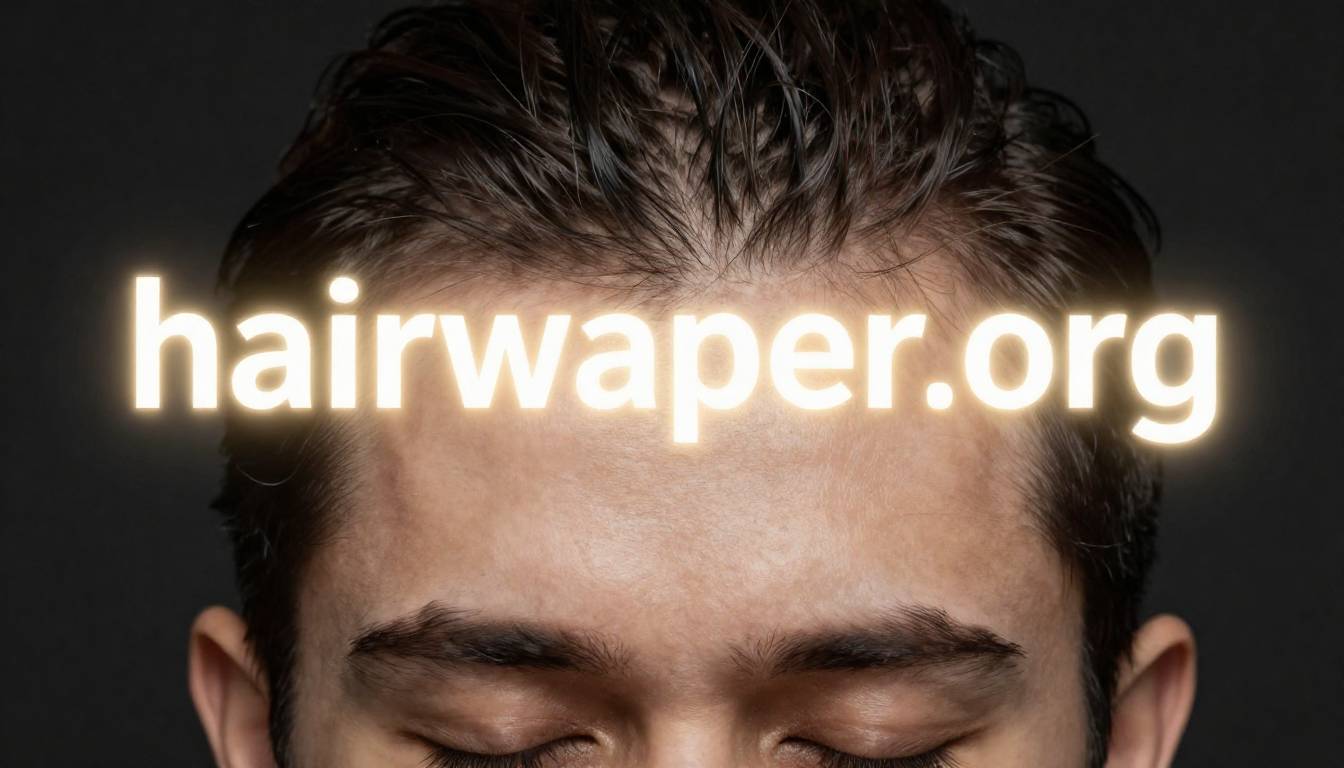
Hair thinning around temples occurs when hair density decreases in the temple areas on both sides of the forehead. This creates a receding hairline or noticeable gaps where previously fuller hair existed. Unlike temporary shedding, hair thinning around temples indicates a persistent change in hair growth patterns.
The temples are genetically sensitive areas prone to hair loss. These regions contain higher concentrations of hair follicles sensitive to androgens, hormones that trigger hair thinning and loss. Understanding this biological reality helps you approach treatment realistically and scientifically.
Why Temples Are Vulnerable
Your temples experience hair loss because of follicle sensitivity to dihydrotestosterone (DHT). This hormone causes hair follicles to shrink, producing thinner, shorter hairs. The process accelerates with age and genetic predisposition. Your temple hair exists in a vulnerable location subject to this hormonal effect.
Common Symptoms You Should Notice
Visible Signs
The most obvious sign of hair thinning around temples is visible reduction in hair density. Your hairline recedes gradually, creating more exposed forehead space. Individual hairs become visibly thinner and shorter. You notice more scalp showing through where hair previously covered completely.
Hair loss accelerates during brushing or showering. You find more strands in your brush or shower drain. The hair that remains feels finer and weaker. Your part line becomes wider where hair is thinning.
Timeline and Progression
Hair thinning around temples typically develops gradually over months or years. Early stages show subtle changes you might dismiss. Progressive stages reveal obvious differences in hairline position and density. Understanding this timeline helps you recognize the problem early when treatment is most effective. source: Medical News Today
Main Causes of Temple Hair Thinning
Genetic Factors
Genetics play the strongest role in temple hair thinning. If your parents or grandparents experienced hair loss, your risk increases significantly. Male pattern baldness and female pattern baldness both run in families. Your genes determine your hair follicle sensitivity to DHT.
Hormonal Influences
Androgens, particularly DHT, trigger hair thinning in genetically predisposed individuals. Hormonal imbalances, thyroid disorders, and menopause accelerate hair loss. Stress increases cortisol, which disrupts hair growth cycles. Understanding hormonal factors helps you address root causes rather than just symptoms.
Lifestyle and Environmental Factors
Poor nutrition lacking essential vitamins and minerals weakens hair growth. Chronic stress prolongs the shedding phase of hair cycles. Excessive heat styling and chemical treatments damage hair and follicles. Environmental pollution and harsh water quality affect hair health.
Who Is Most at Risk?
Age and Gender Factors
Men experience hair thinning around temples at younger ages due to genetic predisposition. Women typically notice hair thinning after age 40, though it can occur earlier. Post-menopausal women face increased risk due to hormonal changes. Age alone does not determine risk; genetics matters more than age.
Genetic Predisposition
If your father experienced hair loss, your risk increases substantially. Female relatives who experienced hair thinning also indicate your increased risk. Early hair loss in family members predicts your likelihood of experiencing similar issues. Understanding your family history helps you prepare for potential hair loss.
Other Risk Factors
Chronic illness, autoimmune disorders, and thyroid problems increase hair thinning risk. Nutritional deficiencies from poor diet or malabsorption issues accelerate hair loss. Excessive stress and anxiety worsen temple hair thinning. Smoking and alcohol consumption harm hair health and growth.
How to Diagnose Hair Thinning
Professional Assessment
Dermatologists examine your scalp under magnification to assess hair density and follicle health. They ask about family history, recent stress, and medical conditions. Blood tests identify nutritional deficiencies or hormonal imbalances. This professional evaluation determines whether hair loss is temporary or permanent pattern baldness.
Self-Examination Techniques
Monitor your hairline monthly using consistent lighting and angles. Take photos to compare changes over time. Count hairs in your brush to assess shedding severity. Pull gently on small hair sections to determine if excessive shedding occurs. These observations help you recognize patterns and track progression.
Best Treatments for Temple Hair Thinning
Minoxidil (Rogaine)
Minoxidil stimulates hair growth and slows hair loss. The topical solution applies directly to thinning areas twice daily. Results appear after four to six months of consistent use. Minoxidil works best when combined with other treatments.
Finasteride (Propecia)
Finasteride blocks DHT production, reducing its effect on hair follicles. This oral medication works particularly well for male pattern baldness. Results develop over several months. Consistent use maintains results, while stopping the medication reverses benefits.
Hair Transplantation
Hair transplant surgery moves healthy hair from dense areas to thinning temples. Modern techniques like FUE (Follicular Unit Extraction) provide natural results. Success depends on adequate donor hair availability. This permanent solution appeals to those wanting definitive results.

Natural Remedies Worth Trying
Herbal Solutions
Saw palmetto reduces DHT naturally by blocking the enzyme causing DHT production. Peppermint oil improves blood flow to hair follicles when massaged into the scalp. Rosemary oil stimulates growth and strengthens weakening strands. These natural approaches work gradually but safely support hair health.
Scalp Massage and Care
Regular scalp massage increases blood flow to hair follicles. Gentle circular motions for five minutes daily improve nutrient delivery. Use natural oils like coconut or argan oil during massage. Scalp massage combined with other treatments enhances overall effectiveness.
Best Vitamins for Hair Growth
Essential Nutrients
Biotin strengthens hair structure and improves growth cycles. B vitamins support hair health and reduce shedding. Iron carries oxygen to follicles, essential for growth. Zinc regulates hormone levels affecting hair growth.
Vitamin D deficiency correlates with hair loss. Vitamin C supports collagen production important for hair strength. Omega-3 fatty acids nourish follicles from within. Most people benefit from multivitamins targeting hair health specifically.
Can Hair Grow Back Around the Temples?
Recovery Potential
Hair regrowth depends on follicle damage extent. If follicles are miniaturized but living, treatment can restore growth. Early intervention offers better chances for recovery. Advanced androgenetic alopecia with permanently damaged follicles prevents regrowth.
Timeline for Regrowth
New hair growth becomes visible after three to four months of treatment. Full results require six to twelve months of consistent therapy. Hair regrows gradually, requiring patience and persistent treatment adherence.
Prevention Tips to Protect Your Hair
Lifestyle Modifications
Manage stress through exercise, meditation, or counseling. Eat a balanced diet rich in proteins, vitamins, and minerals. Avoid excessive heat styling and harsh chemical treatments. Sleep adequately as hair growth occurs during sleep cycles.
Early Intervention
Monitor your hairline regularly for early signs of thinning. Address nutritional deficiencies immediately. Consult dermatologists at first signs of unusual hair loss. Early treatment prevents progression and maximizes recovery potential.
Conclusion
Hair thinning around temples requires understanding its causes and exploring appropriate treatments. Whether genetic, hormonal, or lifestyle-related, effective solutions exist for most situations. Combining professional treatment with natural remedies and preventative measures offers the best approach.
Your hair loss journey is unique. What works for one person may differ for another. Professional guidance helps identify the best path forward. Starting treatment early maximizes your chances of success and hair regrowth.
Have you noticed hair thinning around your temples? What concerns you most about this condition? Share your experience in the comments. Your story might help others facing similar challenges.
FAQs About Hair Thinning Around Temples
1. Is hair thinning around temples permanent? Not always. Early-stage thinning responds well to treatment. Advanced hair loss with permanently damaged follicles may not fully recover. Early intervention provides the best chance for regrowth.
2. How long before treatments show results? Minoxidil shows results after four to six months. Finasteride requires three to six months for visible improvement. Natural remedies work gradually over several months. Patience and consistency are essential.
3. Can women reverse hair thinning around temples? Yes. Women respond well to minoxidil. Treating hormonal imbalances helps many women. Natural remedies work alongside professional treatments effectively.
4. Do hair vitamins really work for temple thinning? Vitamins help when deficiencies exist. They support hair health but do not reverse genetic baldness alone. Combining vitamins with proven treatments enhances results.
5. Is hair thinning around temples always male pattern baldness? No. Stress, illness, and nutritional deficiencies cause temporary temple thinning. Female pattern baldness affects women differently. Professional diagnosis determines the actual cause.
6. Can I prevent hair thinning around temples? Prevention works best with genetic awareness. Manage stress, eat well, and avoid harmful treatments. Early treatment slows progression significantly.
7. What foods help prevent temple hair thinning? Protein-rich foods support hair growth. Fatty fish provide omega-3s. Nuts and seeds offer essential minerals. Leafy greens provide iron and vitamins.
8. How much does hair transplant surgery cost? Costs range from 4,000 to 15,000 dollars depending on extent. Insurance rarely covers cosmetic procedures. Some clinics offer financing options.
9. Are prescription treatments for temple thinning safe? Minoxidil and finasteride are FDA-approved and generally safe. Side effects are rare but possible. Professional monitoring ensures safe use.
10. Can I use minoxidil and finasteride together? Yes. Many dermatologists recommend combining treatments for better results. Using both addresses different aspects of hair loss.
also read: hairwaver.org
email: johanharwen@314gmail.com
Author Name: Dr. Rachel Mitchell
About the Author : Dr. Rachel Mitchell is a dermatologist and hair health specialist with over twelve years of clinical experience. She has helped thousands of patients address hair loss and thinning through evidence-based treatments and natural approaches. Rachel believes in empowering patients with knowledge about their conditions and treatment options. She regularly contributes to medical journals and health publications. When not treating patients, Rachel researches emerging hair loss therapies and regenerative medicine approaches.