Introduction
If you have ever stared at your hairbrush and wondered why so many strands keep falling out, you are not alone. Many people search for foods that help hair grow faster because they want real results, not empty promises. The truth is, your hair reflects what you eat every single day. When your body lacks key nutrients, your hair growth slows down and shedding increases.
The good news is that you do not need expensive treatments to see a difference. Small changes in your plate can make a powerful impact over time. In this article, you will learn how nutrition affects hair growth, which foods support thicker strands, which nutrients matter most, and what daily habits can help you see visible change.
How Nutrition Affects Hair Growth
Your hair is made mostly of a protein called keratin. To build this protein, your body needs a steady supply of vitamins, minerals, and healthy fats. When your diet lacks these building blocks, your hair follicles do not get what they need to function properly.
Poor nutrition can lead to thinning hair, slow growth, and even hair loss. On the other hand, a balanced diet keeps your scalp healthy and your follicles active. This is why foods that help hair grow faster are not just a trend. They are backed by real biology. source: Healthline
Hair Growth Cycle (Anagen, Catagen, Telogen)
Your hair does not grow nonstop. It moves through three main phases.
- Anagen phase: This is the active growth stage. It can last between two and seven years, and most of your hair is in this phase at any given time.
- Catagen phase: This is a short transition stage lasting a few weeks. Hair growth slows down and the follicle shrinks.
- Telogen phase: This is the resting phase. Hair eventually falls out, making room for new growth to begin again.
Good nutrition helps keep more hair in the anagen phase for longer. This is one reason why people who eat nutrient rich diets often notice fuller, faster growing hair.
Best Foods That Help Hair Grow Faster
Now let us get into the foods that genuinely make a difference. Adding these to your weekly meals can support stronger and faster hair growth.
- Eggs: Packed with protein and biotin, two nutrients your hair needs to build keratin.
- Spinach: Rich in iron, folate, and vitamin A, which help your scalp stay healthy.
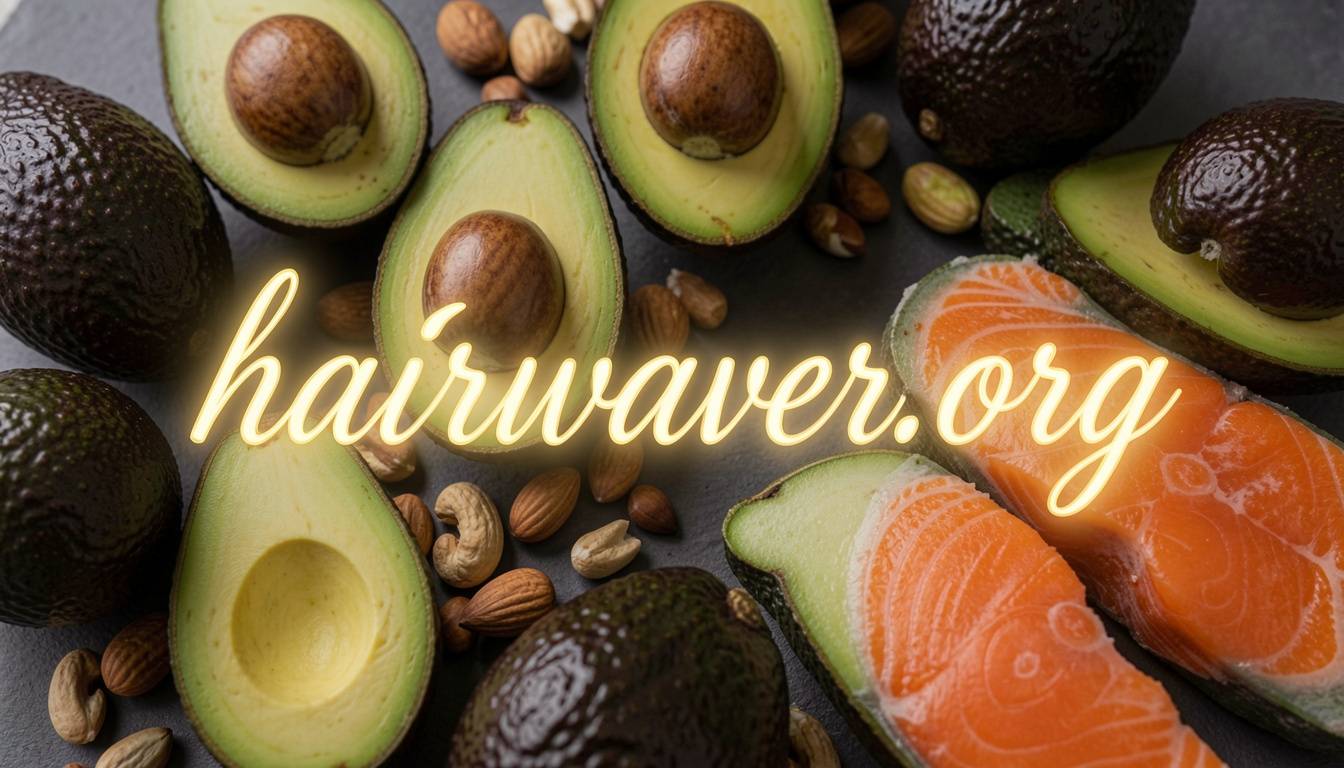
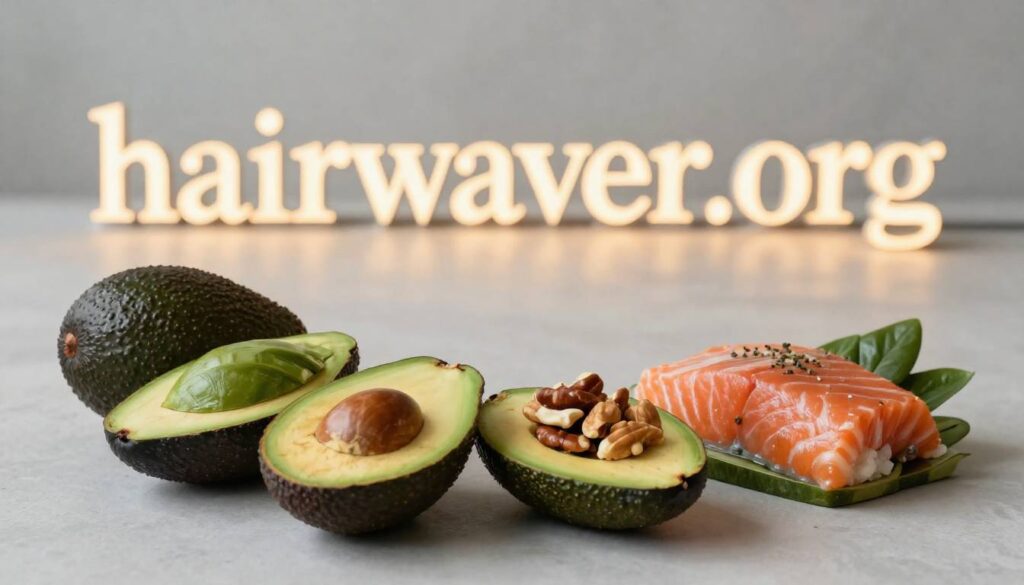
- Salmon and fatty fish: A great source of omega 3 fatty acids that nourish hair follicles.
- Sweet potatoes: High in beta carotene, which your body converts into vitamin A.
- Nuts and seeds: Almonds, walnuts, and flaxseeds offer zinc, selenium, and healthy fats.
- Greek yogurt: Contains protein and vitamin B5, both useful for hair strength.
- Berries: Loaded with vitamin C, which helps your body absorb iron and build collagen.
- Avocados: A good source of vitamin E and healthy fats that support scalp circulation.
I personally noticed a difference in my own hair texture after adding more eggs and spinach to my breakfast routine. It is a small change, but consistency matters more than perfection.
Nutrients Essential for Hair Growth
Beyond specific foods, it helps to understand which nutrients your hair relies on most.
Protein
Hair is almost entirely protein. Without enough of it, your body prioritizes vital organs over hair growth, which can lead to shedding.
Iron
Low iron levels are one of the most common causes of hair thinning, especially in women. Iron helps carry oxygen to your hair follicles.
Biotin
This B vitamin supports keratin production. While true deficiency is rare, low levels can still affect hair strength.
Vitamin D
Research links low vitamin D levels to hair loss conditions like alopecia. Sunlight exposure and fortified foods can help.
Zinc
Zinc supports tissue growth and repair, including the tissue in your scalp.
Omega 3 Fatty Acids
These healthy fats reduce inflammation and keep your scalp hydrated, which supports a healthy growing environment.
Foods That May Help Reduce Hair Loss
Some foods go beyond growth support and may actually help reduce excessive shedding.
- Lentils and beans: Provide plant based protein and iron without added saturated fat.
- Pumpkin seeds: Rich in zinc, which supports hormone balance linked to hair health.
- Oysters: One of the richest natural sources of zinc.
- Citrus fruits: Boost collagen production and improve iron absorption.
- Green tea: Contains antioxidants that may help reduce inflammation around hair follicles.
Adding a mix of these foods throughout your week gives your body a steady supply of what it needs, rather than relying on one single ingredient.
Foods to Avoid
Just as some foods help, others can quietly work against your hair goals.
- Sugary snacks and drinks: Can spike insulin and disrupt hormone balance.
- Fried and processed foods: Often linked to inflammation, which affects scalp health.
- Excess alcohol: Can deplete zinc and other key nutrients.
- Crash diets: Sudden calorie restriction often triggers temporary hair shedding.
Cutting back on these does not mean perfection. It simply means balance.
Daily Diet Plan for Hair Growth
Here is a simple sample plan you can adjust to your taste and lifestyle.
Breakfast: Scrambled eggs with spinach and a side of berries
Mid morning snack: A handful of almonds or walnuts
Lunch ideas:
- Grilled salmon with quinoa and steamed broccoli
- Lentil soup with a side salad and citrus dressing
- Greek yogurt bowl topped with flaxseeds and sliced fruit
Evening snack: Pumpkin seeds or a small bowl of sweet potato wedges
Dinner: Stir fried vegetables with tofu or chicken, served with brown rice
This kind of plan keeps your nutrient intake steady throughout the day, rather than loading it all into one meal.
Lifestyle Tips Along with Diet
Food plays a major role, but it works best alongside healthy habits.
Stay Hydrated
Your scalp needs moisture just like the rest of your skin. Drinking enough water supports nutrient delivery to your hair follicles and keeps your scalp from becoming dry or flaky.
Manage Stress
High stress levels can push more hair into the resting phase. Simple practices like walking, deep breathing, or journaling can help.
Get Enough Sleep
Your body repairs and regenerates tissue during sleep, including the cells responsible for hair growth.
Be Gentle With Your Hair
Avoid tight hairstyles and excessive heat styling, since these can weaken strands that are already trying to grow.
Final Thoughts
Eating the right foods that help hair grow faster is one of the simplest and most natural ways to support healthier hair. By focusing on protein, iron, biotin, vitamin D, zinc, and omega 3 fatty acids, you give your hair follicles the tools they need to thrive. Pair this with good hydration, quality sleep, and stress management for the best results.
What changes will you try first? Start with one or two foods this week and build from there. Your hair did not change overnight, so give your new habits a little time to show results.
FAQs
1. What foods help hair grow faster naturally? Eggs, spinach, salmon, nuts, and sweet potatoes are among the most effective natural foods for supporting faster hair growth.
2. How long does it take to see results from diet changes? Most people notice gradual changes within three to six months, since hair grows slowly and needs consistent nutrient support.
3. Can vitamin deficiency cause hair loss? Yes. Deficiencies in iron, vitamin D, biotin, and zinc are commonly linked to hair thinning and shedding.
4. Is protein important for hair growth? Absolutely. Hair is made mostly of protein, so low protein intake can directly slow down growth and increase shedding.
5. What foods should I avoid for healthy hair? Try to limit sugary snacks, fried foods, excess alcohol, and crash dieting, since these can disrupt hormone balance and nutrient absorption.
6. Do omega 3 fatty acids really help hair? Yes. Omega 3s reduce scalp inflammation and help keep hair follicles nourished and hydrated.
7. Can drinking more water improve hair growth? Staying hydrated supports nutrient delivery to your scalp and helps prevent dryness, which indirectly supports healthier growth.
8. Are supplements better than food for hair growth? Whole foods are generally more effective since they offer a natural balance of nutrients. Supplements should only fill specific gaps, ideally after consulting a doctor.
also read: hairwaver.org
email: johanharwen@314gmail.com
Author Name: Our wellness
About the Author : Our wellness is content team focuses on practical, research backed nutrition advice for everyday life. We aim to break down complex health topics into simple, actionable steps that real people can follow without confusion or guesswork.