Introduction
You scroll through social media and see countless videos claiming scalp massage transforms thinning hair overnight. You wonder if this simple technique really works or if it is just another wellness trend. Does scalp massage grow hair, or is this just hype without substance?
The honest answer involves both promise and limitations. Scientific research shows scalp massage genuinely supports hair health, though it works differently than most people expect. This article breaks down what actual studies reveal, how to massage correctly, and what results you can realistically expect.
What Is a Scalp Massage?
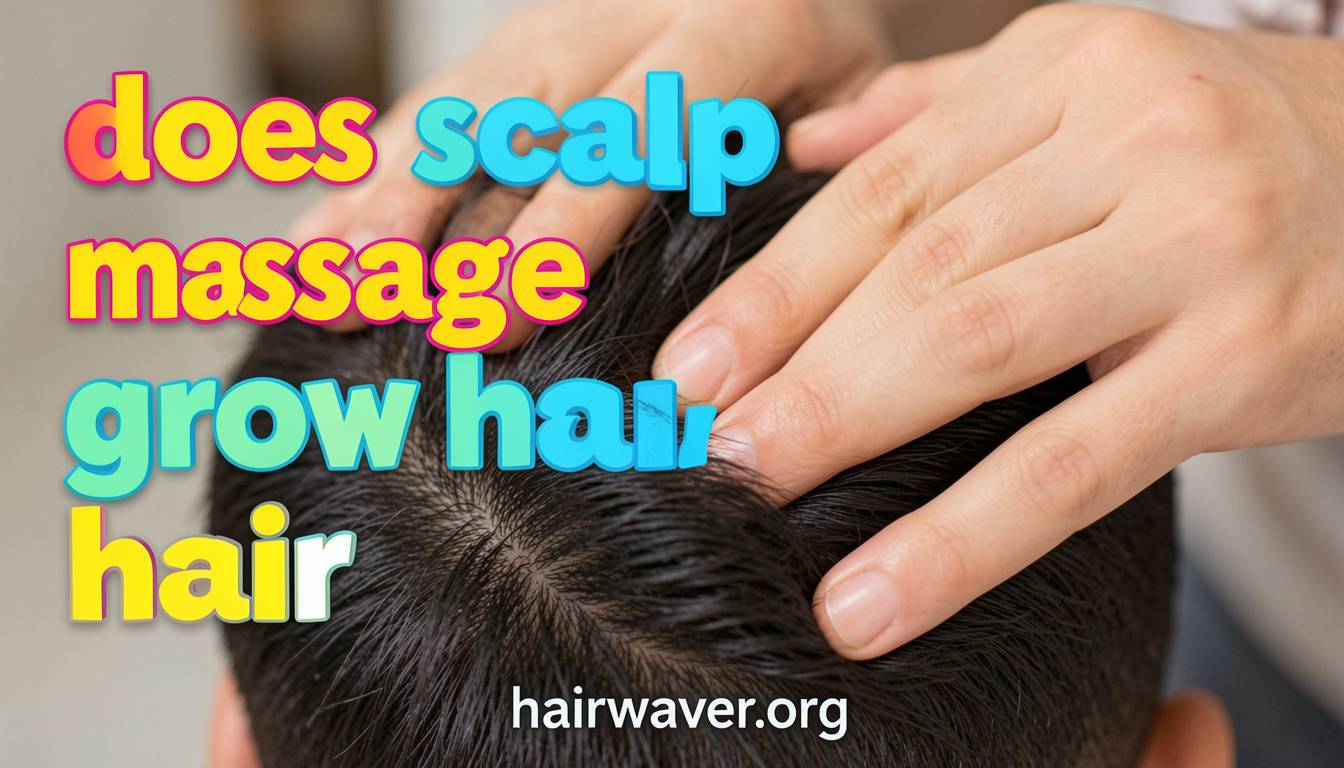
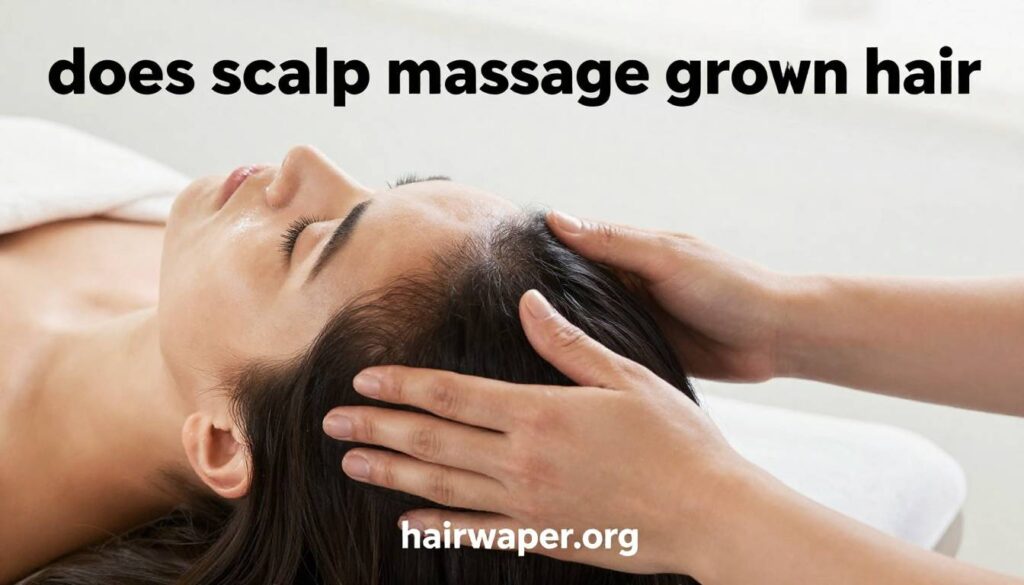
A scalp massage involves applying gentle pressure and circular movements to your scalp using fingertips or specialized tools. Unlike deep tissue massage elsewhere on your body, scalp massage uses lighter pressure. You can do this with bare hands or scalp massaging devices that mimic fingertip pressure.
Most people perform scalp massage without oil, though adding oil enhances the experience. The technique typically takes 5 to 20 minutes depending on your routine. Many people incorporate scalp massage into their shower routine or as a separate relaxation practice. source: Healthline
Does Scalp Massage Actually Help Hair Growth?
Research confirms scalp massage genuinely supports hair growth, though it cannot reverse severe baldness or replace medical treatments. The scientific evidence shows promise while maintaining realistic expectations. Multiple studies demonstrate measurable improvements in hair thickness and growth rate.
A landmark 2016 study found scalp massage increased hair thickness through mechanical stretching forces applied to dermal papilla cells. These cells sit at the base of hair follicles and directly influence hair growth cycles. The research suggests scalp massage stimulates these cells beyond simply improving blood flow.
So does scalp massage grow hair completely on its own? Not dramatically, but it genuinely contributes to healthier hair growth conditions. Think of it as one supportive tool rather than a miracle solution.
How Scalp Massage May Support Hair Growth
Mechanical Stretching Effects
The primary mechanism involves mechanical stretching forces on hair follicles. When you massage your scalp, you stretch the soft tissue and blood vessels beneath your skin. This stretching activates dermal papilla cells, which play a crucial role in hair growth regulation.
Research published in the International Journal of Trichology revealed something surprising. Hair thickness increased through mechanical stimulation rather than blood flow alone. This challenges the conventional wisdom about why scalp massage might work.
Improved Blood Circulation
Massage increases localized blood flow through vasodilation, meaning blood vessels widen temporarily. This delivers more oxygen and nutrients to hair follicles. Better circulation theoretically creates healthier conditions for hair growth.
However, recent research suggests circulation improvements alone do not fully explain the benefits. The mechanical stretching component appears more significant than previously believed. Both mechanisms likely work together supporting hair health.
Reduced Scalp Tension
Chronic tension in your scalp muscles can restrict blood flow and create unhealthy conditions for hair follicles. Regular massage relaxes these muscles, potentially improving the scalp environment. Tighter, less flexible scalp tissue may restrict follicle health over time.
Keeping your scalp tissue supple through massage may create better conditions for hair growth. This explains why consistent massage practice matters more than occasional sessions.
What Does Research Say?
Key Scientific Studies
The most cited research comes from a 2016 Japanese study. Nine healthy men received four minutes of standardized scalp massage daily for 24 weeks using a massage device. Researchers measured total hair number, thickness, and growth rate throughout the study period.
Results showed measurable increases in hair thickness after 24 weeks. The massage side showed thickness increasing from 0.085mm to 0.092mm compared to the non-massaged control side. While this seems like a small numerical difference, it represents meaningful biological change.
The Standardized Scalp Massage Protocol
Some studies examine more intensive massage protocols. Research on standardized scalp massage (SSM) involved two 20-minute sessions daily, spaced 12 hours apart. Participants in self-reported surveys noted hair loss stabilization after approximately 36 hours of cumulative massage time.
This translates to roughly one month of consistent twice-daily sessions. Researchers suggest committing to at least 50 total hours before evaluating effectiveness. At 40 minutes daily, this requires slightly over two months of consistent practice.
Limitations of Current Research
I should mention that research remains limited in scope. Most studies involve small sample sizes, typically less than 20 participants. Long-term studies extending beyond 24 weeks remain rare. This means scientists still have much to learn about optimal massage techniques and duration.
Despite these limitations, existing evidence consistently shows positive trends. No major studies show scalp massage causing harm or worsening hair loss when performed correctly.
Benefits of Scalp Massage
Beyond potential hair growth support, scalp massage offers several documented benefits:
- Stress reduction through relaxation response triggering decreased cortisol levels
- Improved sleep quality when performed before bedtime
- Reduced scalp tension and headaches from muscle relaxation
- Enhanced product absorption when combined with hair treatments or oils
- Better scalp health through improved circulation and reduced inflammation
- Relaxation and mental wellness as part of self-care routines
These additional benefits make scalp massage worthwhile even beyond hair growth considerations. Many people continue the practice simply for stress relief and relaxation purposes.
How to Massage Your Scalp Correctly
Basic Technique Steps
- Start with clean, dry or damp hair depending on your preference
- Use your fingertips, not fingernails to avoid scratching your scalp
- Apply gentle, firm pressure in small circular motions
- Work systematically from your hairline backward toward your crown
- Cover all scalp areas including temples, crown, and back of head
- Maintain consistent pressure without becoming too aggressive
- Continue for 5 to 10 minutes minimum per session
Pressure and Frequency Guidelines
Apply moderate pressure similar to a firm head massage, not painful pressure. You should feel relaxation, not discomfort. Daily massage sessions of 4 to 10 minutes show research-backed benefits.
Consistency matters more than session length. Five minutes daily likely produces better results than one 30-minute session weekly. Building this into your daily routine increases long-term adherence and effectiveness.
Using Massage Tools
Scalp massage tools or brushes can supplement manual massage. These devices distribute pressure evenly and may reduce hand fatigue during longer sessions. Many people find tools convenient for consistent daily use.
Can Scalp Massage Reverse Baldness?
This question deserves an honest, direct answer. Scalp massage cannot reverse advanced male or female pattern baldness on its own. Severe hair loss typically involves hormonal factors, genetics, and follicle miniaturization that massage alone cannot address.
However, scalp massage may help in earlier stages of thinning hair. Combined with other treatments, it potentially slows progression and supports existing healthy follicles. Think of scalp massage as complementary support rather than a standalone cure.
For androgenetic alopecia specifically, research suggests modest benefits when combined with established treatments like minoxidil. The mechanical stimulation may enhance treatment effectiveness rather than replacing proven medications.
Best Oils for Scalp Massage
Adding oil during scalp massage provides additional benefits beyond the massage technique itself:
Rosemary oil shows research-backed potential for hair growth support, with some studies suggesting effectiveness comparable to minoxidil for certain users.
Peppermint oil creates cooling sensations and may stimulate circulation, though it requires proper dilution before scalp application.
Coconut oil provides moisturizing benefits and may reduce protein loss from hair shafts during washing.
Castor oil offers thick, nutrient-rich properties that many people use for scalp conditioning, though scientific evidence remains limited.
Jojoba oil closely mimics natural scalp sebum, making it well-tolerated for most skin types.
Always perform a patch test before applying any new oil to your entire scalp. Dilute essential oils properly with carrier oils to prevent irritation.
Scalp Massage vs Hair Growth Treatments
Comparing Effectiveness
Medical treatments like minoxidil and finasteride show stronger, more consistent results in clinical trials compared to scalp massage alone. These treatments directly target hormonal and biological mechanisms causing hair loss.
Scalp massage works through different mechanisms, primarily mechanical stimulation rather than hormonal intervention. This makes it complementary rather than competitive with medical treatments.
Combining Approaches
The most effective strategy often combines scalp massage with proven treatments. Massage may enhance topical treatment absorption and effectiveness. Using both approaches together potentially produces better results than either method alone.
Consider scalp massage as one component in a comprehensive hair health strategy rather than a replacement for medical intervention when significant hair loss occurs.
How Long Does It Take to See Results?
Patience matters significantly when evaluating scalp massage effectiveness. Research suggests measurable changes require consistent practice over extended periods.
Based on available studies, here is a realistic timeline:
- Weeks 1 to 4: Relaxation benefits and stress reduction become noticeable
- Weeks 4 to 12: Some users report reduced hair shedding
- Weeks 12 to 24: Measurable hair thickness improvements may appear based on research data
- Months 6 and beyond: Continued improvements with consistent practice
The 2016 study showing positive results required 24 weeks of daily massage before measuring significant thickness changes. This timeline suggests scalp massage requires genuine commitment rather than occasional practice.
Conclusion
So does scalp massage grow hair? The evidence suggests yes, though modestly and gradually rather than dramatically. Scientific research demonstrates genuine mechanical and physiological benefits supporting healthier hair growth conditions. The practice works best as part of a comprehensive hair care approach rather than a standalone miracle solution.
Consistency proves essential for results. Daily practice over several months, ideally combined with other proven hair health strategies, offers your best chance at meaningful improvement. Scalp massage also provides valuable stress relief and relaxation benefits regardless of hair growth outcomes.
Have you tried scalp massage for hair growth? Share your experience in the comments below, and consider trying this evidence-based technique consistently for at least three months to evaluate results for yourself.
FAQs About Does Scalp Massage Grow Hair
1. Does scalp massage really grow hair? Research shows scalp massage can support hair thickness and growth through mechanical stimulation of hair follicles. Results are modest and require consistent practice over months, not a complete solution for significant hair loss.
2. How often should I massage my scalp for hair growth? Daily massage sessions of 4 to 10 minutes show research-backed benefits. Consistency matters more than duration, so daily short sessions outperform occasional longer ones.
3. Can scalp massage cause hair loss? No major research shows scalp massage causing hair loss when performed correctly with gentle to moderate pressure. Avoid aggressive pulling or excessive force.
4. Is scalp massage with oil better than without oil? Adding oil provides additional moisturizing benefits and may enhance the massage experience, though core hair growth benefits primarily come from the mechanical massage technique itself.
5. How long before I see results from scalp massage? Research suggests 24 weeks of consistent daily massage before measuring significant hair thickness improvements. Some stress and relaxation benefits appear within the first few weeks.
6. Can I massage my scalp too much? Excessive aggressive massage may cause irritation or discomfort. Moderate pressure for 5 to 20 minutes daily represents the research-supported range without overdoing it.
7. Does scalp massage work for all types of hair loss? Scalp massage shows most promise for general hair health and mild thinning. Severe pattern baldness typically requires medical treatment alongside or instead of massage alone.
8. What is the best time to massage your scalp? Many people prefer massaging during showers when hair is wet, or before bedtime for relaxation benefits. Consistency in timing helps build a sustainable daily habit.
9. Should I massage my scalp with fingernails or fingertips? Always use fingertips rather than fingernails. Fingernails can scratch and damage your scalp, while fingertips provide appropriate pressure without injury risk.
10. Can scalp massage tools replace manual massage? Massage tools and devices can effectively replicate manual massage benefits and may reduce hand fatigue during longer sessions, making them a reasonable alternative or supplement to hands-on massage.
also read: hairwaver.org
email: johanharwen@314gmail.com
Author Name: Dr. Sarah Mitchell
About the Author : Dr. Sarah Mitchell is a health and wellness writer specializing in evidence-based beauty and hair care research. She holds a background in dermatological sciences and has spent six years translating complex research studies into practical, accessible guidance. Sarah believes in separating genuine science from wellness marketing claims. When not writing, she researches emerging trends in scalp health and natural hair care solutions.